
This blog post may contain affiliate links. As an Amazon Associate I earn from qualifying purchases.
📋 Table of Contents
- Key Takeaways
- Defining Tent Groundsheet and Core Functions
- Types of Groundsheets and Key Differences
- Essential Materials and Durability Features
- Groundsheet Benefits for Camp Protection
- Common Problems and How to Prevent Them
- Protect Your Tent and Enhance Your Camping Experience with the Right Groundsheet
- Frequently Asked Questions
- Recommended reads
More than 60 percent of American tent campers say uncomfortable sleeping conditions ruin their outdoor trips. Choosing the right tent groundsheet can make the difference between a dry, cozy night and gear soaked by morning dew. Campers worldwide need practical solutions for enhancing tent comfort and protection. This guide breaks down what a groundsheet actually does, how materials vary, and how simple choices help safeguard both your gear and sleep under every sky.
Key Takeaways
| Point | Details |
|---|---|
| Function of Groundsheets | Groundsheets protect tents from moisture, abrasion, and cold, enhancing comfort and longevity. |
| Types of Groundsheets | Campers can choose from sewn-in, separate flat, and bivouac sheets based on their needs and camping scenarios. |
| Material Durability | High-quality synthetic materials are essential for a groundsheet’s performance against wear, tearing, and moisture. |
| Common Issues and Prevention | Regular maintenance and correct placement can prevent damage and extend the lifespan of groundsheets. |

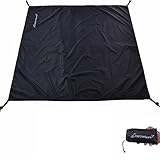
- A MUST FOR TENT: An extra tent tarp doesn’t just give you extra waterproofing, it is used as ground cloths under tents to prevent wear and tear. There’s no question that an insulated tent footprint is a great idea to help protect your investment, definitely, the choice to extend your tent’s life
- HEAVY DUTY: A tough groudsheet that can be easily overlooked but it makes all the difference when setting up the campsite. It is made out of ripstop 210T Poly with superior waterproof coating and designed to not only be lightweight but also be waterproof and powerful
- LIGHT&COMPACT: Size 87″ x 59″, weighing a mere 9.8 oz, it isn’t going to add a lot of weight to your pack. Impressed compact and able to fold into the drawstring storage bag, just the size of a cellphone
- MULTIFUNCTIONAL: This multi-purpose tarp could work for your specific needs. While the main focus most of the time will be working as a tent footprint you can also use this for a sunshade, beach picnic setup, hammock rain fly, or even as a general tarp shelter
- This footprint fits to Clostnature 2 person tent. Clostnature is an innovative brand that continuously works to improve your outdoor and sports experience. Every product you purchase has one-year guarantee for material and workmanship defects. If you have any questions, please don’t hesitate to contact our customer support team
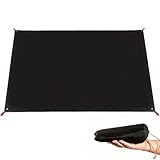
- A MUST FOR TENT: An extra tent tarp doesn’t just give you extra waterproofing, it is used as ground cloths under tents to prevent wear and tear. There’s no question that an insulated tent footprint is a great idea to help protect your investment, definitely the choice to extend your tent’s life
- HEAVY DUTY: A tough groudsheet that can be easily overlooked but it makes all the difference when setting up the campsite. It is made out of ripstop 210T Poly with superior waterproof coating and designed to not only be lightweight but also be waterproof and powerful
- LIGHT & COMPACT: Size 118” x 118”, weighing a mere 22 oz, it isn’t going to add a lot of weight to your pack. Impressed compact and able to fold into the drawstring storage bag, just the size of a cellphone
- MULTIFUNCTIONAL: This multi-purpose tarp could work for your specific needs. While the main focus most of the time will be working as a tent footprint you can also use this for a sunshade, beach picnic setup, hammock rain fly, or even as a general tarp shelter
- This footprint fits to Clostnature 6 person tent. Clostnature is an innovative brand that continuously works to improve your outdoor and sports experience. Every product you purchase has one-year guarantee for material and workmanship defects. If you have any questions, please don’t hesitate to contact our customer support team
- DURABLE: REDCAMP waterproof tarp is made from 210T ripstop polyester fabric that is waterproof (PU2000mm)
- LARGE: 140cmx220cm/55”x87″, perfect for 1-2 person. You can place the camp ground cloth under your tent to provide an extra moisture layer
- MULTIPURPOSE TENT TARP FOR UNDER TENT: The outdoor tent footprint is ideal for a tent, the beach, picnics, camping or sporting events. It can also be tied to provide a sun or rain canopy; This is a a must-have for any outdoor activities
- LIGHTWEIGHT AND COMPACT: Ultralight tarp only weighs: 0.56lbs/258g, package size: 3.14”*8.6″/ 8cm*22cm
- GANURANTEEDG: REDCAMP offers a 365-day limited manufacturer warranty. If you’re not satisfied for any reason, please contact us immediately and we will give you a reply within 24 hours

- Double Waterproof Protection: Tent footprint is made from waterproof 210T polyester fabric with silver waterproof coating, which can provide double waterproof protection, ensuring your gear and belongings stay dry in wet conditions
- Lightweight & Portable: Includes 1 pcs black tent footprint and 1 pcs storage bag, the tent mat is about 87 x 59 in/220 x 150 cm, our camping tent tarp is light and will not add extra burden, can be put into the storage bag for easy carrying
- Tear-resistant: High-density tent tarp with tear-resistant properties and can withstand heavy use, making it great for camping, hiking or outdoor activities
- Easy to Use: Simply unfold and lay the tent footprint on the ground, reinforced rope hole part, ensuring more stable during use. When not in use, simply fold it up and put in the storage bag
- Wide Application: The tent footprint can be used not only as a tent mat, but also as a picnic mat, beach mat, sunshade, hammock rain cover or as a general-purpose rainproof tarp cover, meeting your various needs
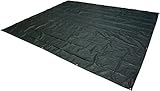
- [HEAVY-DUTY WATERPROOF PROTECTION] Made with durable rip-stop fabric featuring polyethylene lamination on both sides for maximum water resistance. Keeps your gear, tent, firewood, and equipment completely dry in rain, snow, or harsh outdoor conditions
- [RIP-STOP TECHNOLOGY & DURABILITY] Built with reinforced polyethylene construction that prevents tears from spreading, ensuring long-lasting use even in tough, rugged conditions. The tightly woven design makes it easier to repair if any damage occurs, providing reliable protection trip after trip
- [REINFORCED STRENGTH & STABILITY] Features reinforced corners and edges with strategically placed grommets for secure tie-down points. Engineered for maximum strength and stability, perfect for camping, picnics, car covers, or any outdoor activity requiring dependable protection
- [VERSATILE MULTI-PURPOSE USE] Ideal for placement under camping tents, covering vehicles, protecting firewood piles, creating emergency shelters, or any situation needing weather protection. Lightweight and portable design makes it easy to store and transport for all your outdoor adventures
Last update on 2026-06-09 / Affiliate links / Images from Amazon Product Advertising API
Defining Tent Groundsheet and Core Functions
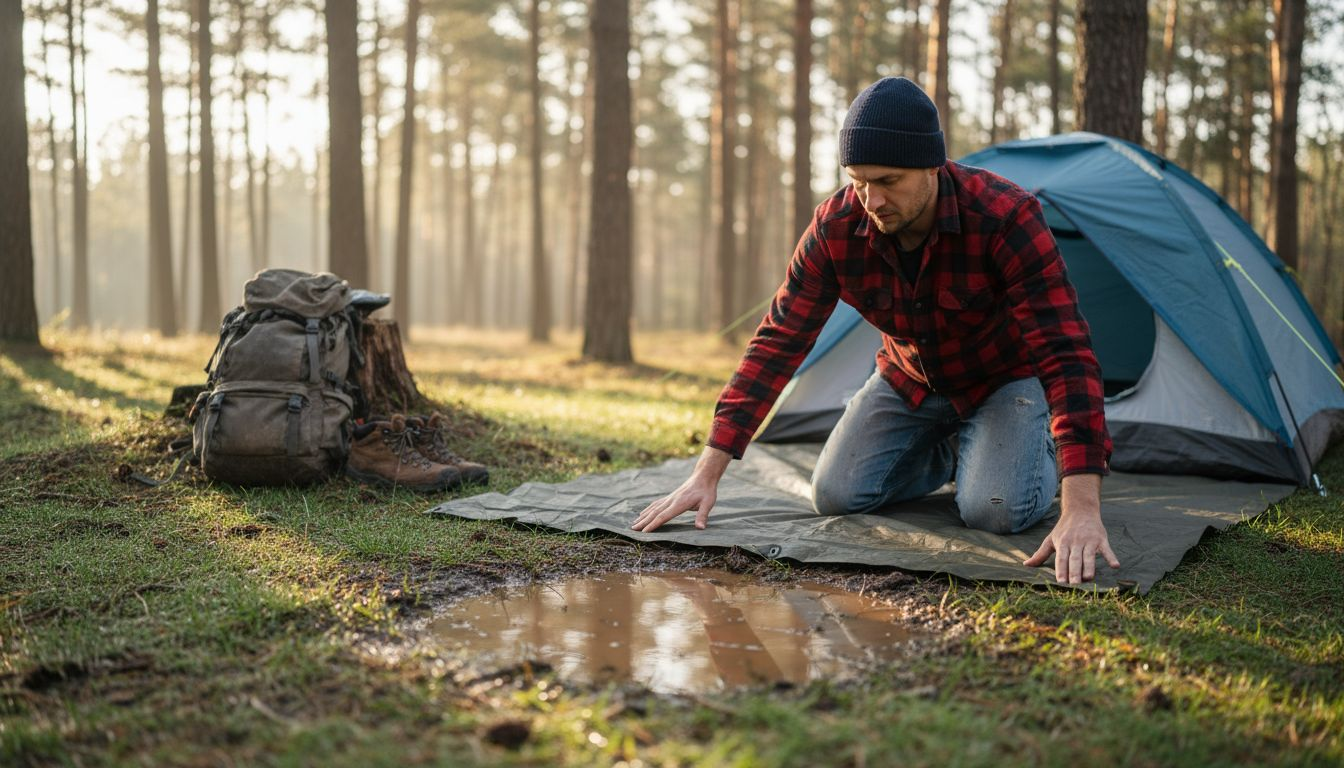
A tent groundsheet is a critical piece of camping equipment designed to provide a protective barrier between your tent and the ground. According to the Cambridge Dictionary definition, a groundsheet is a waterproof material placed underneath a tent to prevent moisture and dirt from penetrating the tent floor.
The core functions of a tent groundsheet extend far beyond simple ground coverage. These specialized sheets serve multiple protective purposes for campers, including:
- Creating a moisture barrier that prevents ground dampness from seeping into the tent
- Protecting the tent floor from abrasion and potential punctures from rocks, sticks, and uneven terrain
- Providing an additional layer of insulation between the cold ground and your sleeping area
- Helping maintain the overall integrity and longevity of your tent’s bottom material
When selecting a tent groundsheet, campers should consider factors like material durability, water resistance, and compatibility with their specific tent model. Wiktionary notes that these sheets are designed to keep campers dry and comfortable by creating an extra protective layer between the ground and sleeping surface.
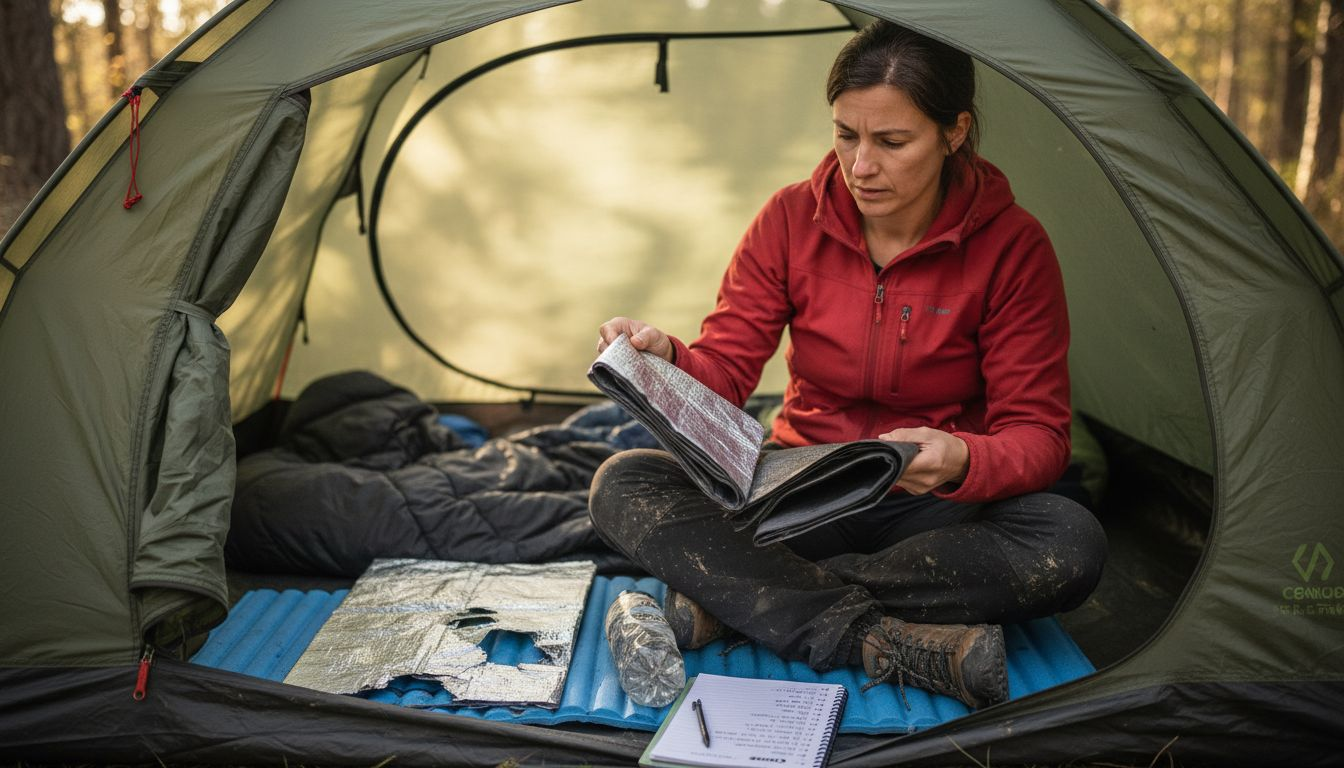
Pro tip: Always choose a groundsheet slightly smaller than your tent’s footprint to prevent water from pooling between the sheet and tent bottom during rainy conditions.
Types of Groundsheets and Key Differences
Campers have several groundsheet types to choose from, each offering unique advantages for different camping scenarios. According to emergency shelter guidelines, the primary groundsheet categories include sewn-in, separate flat, and multipurpose bivouac sheets.
The three main groundsheet variations have distinctive characteristics:
- Sewn-in Groundsheets
- Permanently attached to the tent’s inner layer
- Provide continuous protection
- Limited flexibility in placement
- Best for campers seeking integrated, hassle-free protection
- Separate Flat Groundsheets
- Removable and independently positioned
- Offer maximum versatility
- Can be used with multiple tent configurations
- Require careful placement to prevent water accumulation
- Bivouac Sheets
- Multifunctional design
- Can serve as both groundsheet and roof covering
- Ideal for minimalist camping and emergency situations
- Lightweight and compact
Comprehensive dictionary research highlights that separate groundsheets provide the most adaptable solution, allowing campers to customize their ground protection based on specific terrain and weather conditions. The key is selecting a groundsheet that matches your camping environment and personal comfort requirements.
Here’s a side-by-side comparison of tent groundsheet types to help you choose the best option for your next camping trip:
| Groundsheet Type | Integration Level | Portability | Best Use Scenario |
|---|---|---|---|
| Sewn-in | Fixed to tent interior | Least portable | All-in-one tent protection |
| Separate Flat | Detachable, movable | Most versatile | Changing terrain or setups |
| Bivouac Sheet | Multi-role, unfixed | Ultra lightweight | Minimalist or emergency camp |
Pro tip: Always measure your tent’s dimensions precisely before purchasing a groundsheet to ensure a perfect fit that prevents water seepage and provides optimal protection.
Essential Materials and Durability Features
Groundsheet durability hinges on selecting the right materials that can withstand harsh outdoor conditions. Emergency shelter research reveals that high-quality synthetic materials like polyethylene are crucial for creating resilient groundsheets capable of resisting wear, tearing, water penetration, and UV degradation.
The most effective groundsheet materials typically feature the following key characteristics:
- Synthetic Fabric Composition
- Polyethylene
- Reinforced nylon
- Specialized waterproof polymers
- Performance Requirements
- Water resistance
- Tear strength
- UV protection
- Abrasion resistance
Campers should prioritize groundsheets constructed with advanced synthetic treatments that enhance material performance. Durability standards research emphasizes the importance of materials that can resist biological and environmental challenges, including fungal growth and constant moisture exposure.
Understanding material science helps campers make informed choices about groundsheet durability. Thicker materials with specialized coatings typically offer superior protection, while lightweight options provide portability without compromising fundamental protective capabilities.
Pro tip: When evaluating groundsheet materials, perform a simple water droplet test by placing a drop on the surface and observing how quickly it beads and rolls off, indicating superior water resistance.
Groundsheet Benefits for Camp Protection
Shelter protection resources reveal that groundsheets are far more than simple ground coverings – they are critical protective barriers that safeguard both campers and their equipment from multiple environmental challenges. These versatile accessories create a comprehensive defense system against moisture, dirt, and potential terrain-related damage.
The primary protective benefits of groundsheets include:
- Moisture Protection
- Block ground moisture from seeping into tent
- Prevent water absorption by tent floor
- Reduce condensation and dampness inside sleeping areas
- Terrain Defense
- Shield tent fabric from sharp objects
- Minimize abrasion and wear on tent bottom
- Create smooth surface over uneven ground
Outdoor camping experts emphasize that groundsheets serve multiple critical functions beyond simple ground coverage. They act as a protective layer that significantly extends tent longevity, prevents potential structural damage, and enhances overall camping comfort by creating a clean, dry foundation for your shelter.
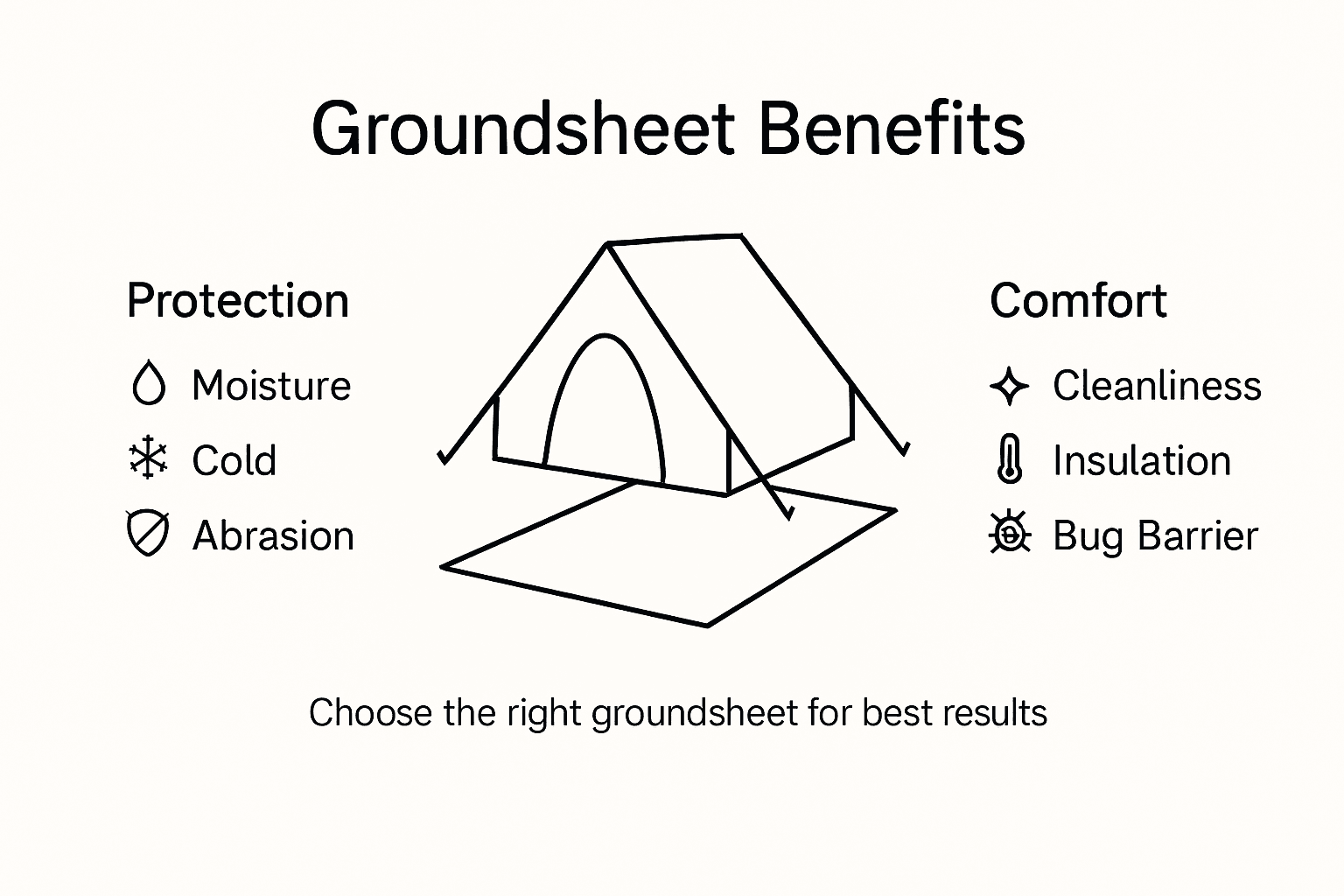
Beyond physical protection, groundsheets contribute to camper health by creating a barrier against insects, dirt, and potential ground-based contaminants. This additional layer of defense ensures a more hygienic and comfortable camping experience, particularly in challenging outdoor environments.
Pro tip: Select a groundsheet slightly smaller than your tent’s footprint to prevent water from pooling between the sheet and tent floor during rainy conditions.
Common Problems and How to Prevent Them
Camping forum discussions reveal that groundsheets are susceptible to several critical issues that can compromise their protective capabilities. Understanding these potential problems is essential for maintaining the longevity and effectiveness of your tent’s foundation.
The most common groundsheet challenges include:
Moisture and Water Damage
- Coating degradation leading to water penetration
- Improper waterproofing techniques
- Incorrect groundsheet placement
Physical Wear and Damage
- Punctures from sharp terrain objects
- Abrasion from foot traffic
- Material breakdown due to repeated use
Outdoor camping guidelines emphasize the importance of proactive prevention strategies. This includes carefully selecting camping locations free of sharp objects, using additional protective layers, and regularly inspecting and maintaining your groundsheet.
Maintaining your groundsheet requires a systematic approach. Regular cleaning, prompt repair of any tears, and proper storage can significantly extend its functional life. Applying waterproof sealants, avoiding direct boot contact, and using additional protective tarps can help mitigate potential damage and ensure your groundsheet remains an effective barrier against environmental challenges.
This table outlines common groundsheet problems and practical prevention strategies for campers:
| Problem Type | Example Issue | Prevention Strategy |
|---|---|---|
| Water Damage | Coating breakdown, leaks | Correct placement, sealant upkeep |
| Physical Wear | Punctures, material tears | Clean ground, protective tarps |
| Biological Weakness | Fungal growth, damp spots | Dry storage, periodic cleaning |
Pro tip: Always carry a small repair kit with waterproof patches and sealant to address minor groundsheet damage immediately during your camping trip.
Protect Your Tent and Enhance Your Camping Experience with the Right Groundsheet
Understanding the importance of a tent groundsheet is just the first step toward a more comfortable and protected camping trip. If you are concerned about moisture seeping through your tent floor, abrasion from rough terrain, or simply want to extend the life of your tent, you need practical advice tailored to your needs. Choosing between sewn-in, separate, or bivouac groundsheets and knowing the right materials can feel overwhelming, but you do not have to navigate this alone.
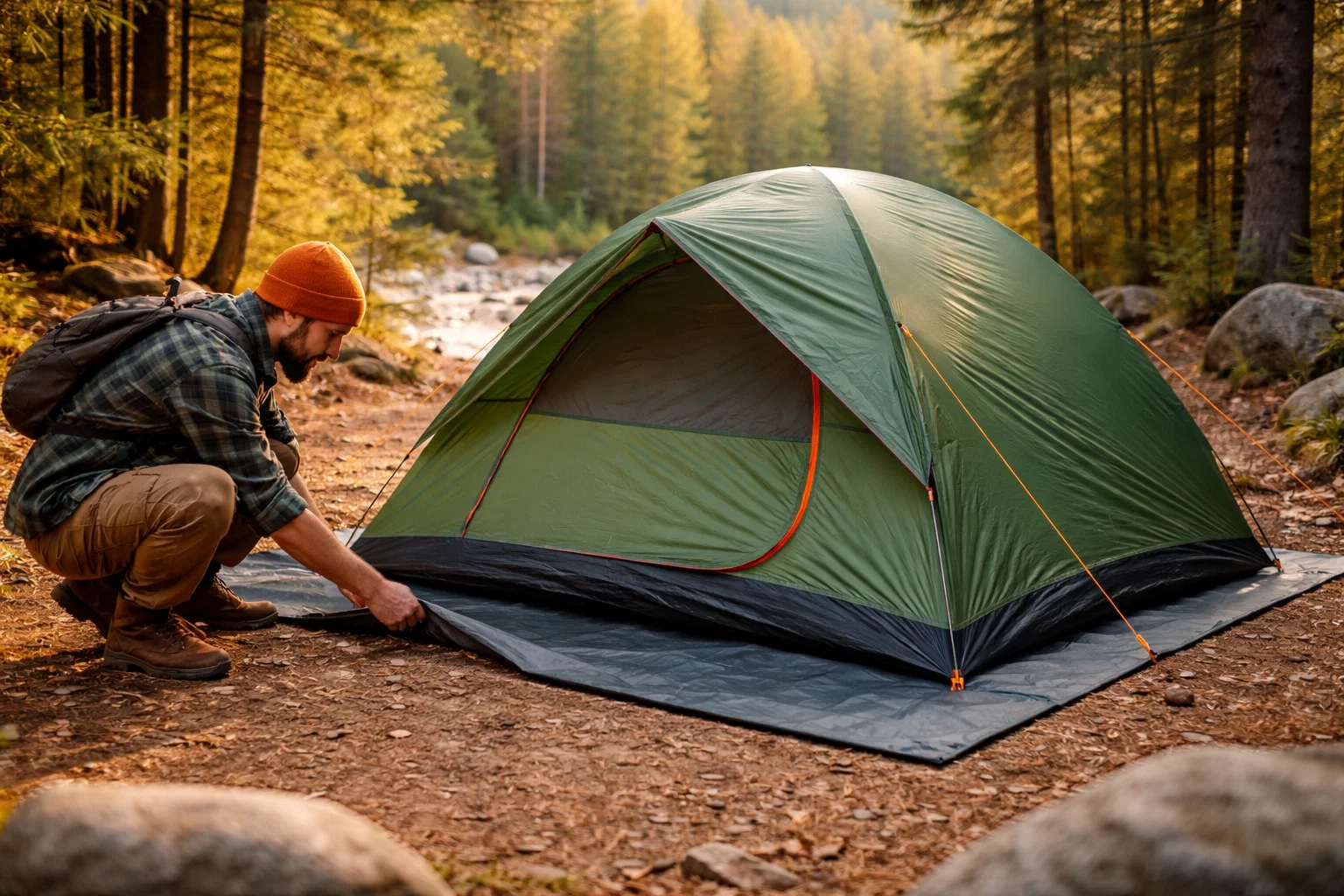
Explore comprehensive guidance and expert tips on selecting and maintaining your tent groundsheet in our Tent Accessories – Tent Explorer section. For campers focused on keeping their gear in top condition, our Tent Troubleshooting And Maintenance – Tent Explorer category offers step-by-step solutions. Ready to upgrade your camping setup now Visit Tent Explorer for trusted insights, product reviews, and a supportive community dedicated to making your outdoor adventures safer and more enjoyable.
Frequently Asked Questions
What is a tent groundsheet?
A tent groundsheet is a waterproof material placed beneath a tent to prevent moisture and dirt from seeping into the tent floor while protecting it from abrasion and punctures.
What are the core functions of a tent groundsheet?
The core functions include creating a moisture barrier, protecting the tent floor from damage, providing insulation from the cold ground, and enhancing the tent’s overall longevity and integrity.
What are the different types of groundsheets, and how do they differ?
There are three main types of groundsheets: sewn-in (integrated and fixed), separate flat (removable and versatile), and bivouac sheets (multi-functional for minimalist or emergency camping). Each type offers unique advantages based on flexibility, portability, and usage scenarios.
How can I maintain my groundsheet for optimal performance?
To maintain your groundsheet, ensure regular cleaning, promptly repair any tears, store it properly when not in use, and use waterproof sealants to prevent moisture penetration and prolong its lifespan.