
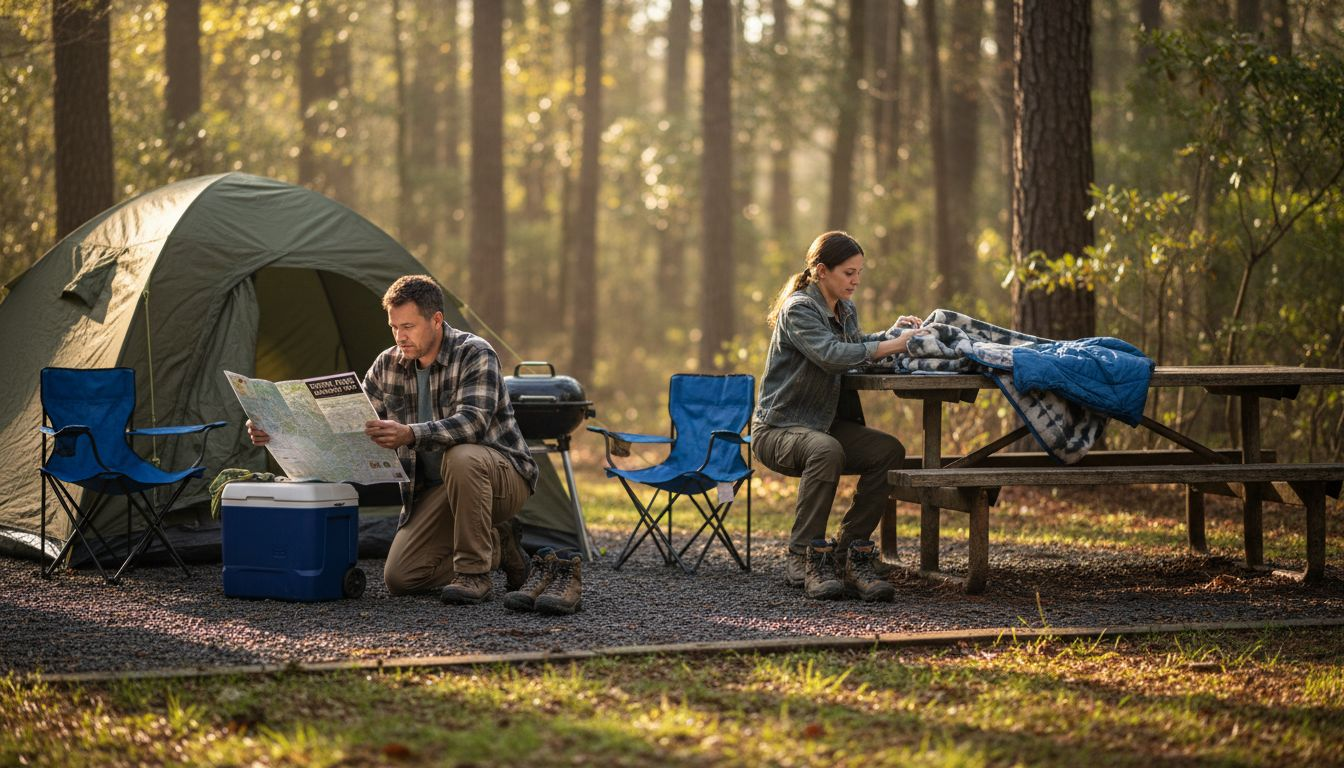
This blog post may contain affiliate links. As an Amazon Associate I earn from qualifying purchases.
More than half of American families say cramped campsites and disorganized layouts cut into their outdoor fun. Whether you are just starting out or looking to step up your game, campsite layout decisions shape your entire trip. The right approach makes every square foot work for you while keeping comfort high and stress low. Get practical tips that help maximize space and create a smoother, safer camping experience for campers everywhere.
Quick Summary
| Key Point | Explanation |
|---|---|
| 1. Choose a well-evaluated site | Select a campsite with flat ground, wind protection, and proximity to resources for a safe experience. |
| 2. Designate specific activity zones | Organize your campsite into areas for sleeping, cooking, and socializing to minimize chaos and enhance comfort. |
| 3. Ensure clear pathways and lighting | Create stable walking paths and use ambient lighting to prevent accidents and improve navigation at night. |
| 4. Assess layout for hazards | Conduct a final walk-through to check for potential risks and ensure all areas are safe and accessible. |
| 5. Arrive early for setup | Arriving at your site early gives you ample time to assess and establish your campsite before dark. |

- 【Sturdy and Durable】:Camphill camping chair set is built with a heavy-duty powder coated steel frame. The sofa supports 500 lbs. (250 lbs each side) and measures 35”H, 37.4”L, 19.3”D (open). The chair supports 300 lbs. and measures 35”H, 19”L, 19”D (open).Oversized camping chair set is designed to provide ample space for relaxation.
- 【Portable & Easy Fold Up】: This camp chair for adults can be easily folded into a bundle and placed in the carry bag in just a few seconds, making it highly portable and compact.With a folded size of 36.2″x 6.1″,the set is lightweight and easy to transport. It can be folded into a compact size, making it easy to store in your car trunk or backpack.
- 【Comfortable & Quality】:The padded materials and high-back design, while the ergonomic back and full back structure and large cushioned seating area provide you with better support and a softer feeling for comfort.The sturdy frame provides excellent stability, while the durable fabric can withstand wear and tear from the elements.
- 【Carry bag & Coolers】This camp chair comes with two sets of specially designed thermos cup holders to accommodate both large sports water bottles and smaller cans and glass bottles,and the back features a mesh pocket to increase storage space,including carry bags for easy to store and protable.
- 【Camping Loveseat】: This unique camping collection features a sofa and 2 chairs that are made with durable Catonic & Oxford fabric.Its comfortable design and convenient features make it ideal for family outings and group gatherings.Perfect for sports games, BBQ, Lawn Parties, Concerts, Beach, Park or Camp Site.

- VERSATILE LOUNGING: Whether you are just relaxing or need an extra space for a house guest, this chair is the perfect 2-in-1 home or camping solution
- COMFORT: The cozy, velvety material provides a comfortable seating surface with the convenient built-in cup-holders to keep your favorite beverages nearby; pull out the cushion into a queen size bed for quick and comfortable sleeping solution
- CONVENIENT: Create a comfy space for a guest or an extra place to lounge for the evening; inflate and deflate in just minutes with the extra wide openings on the 2-in-1 valve, make this a quick and easy set-up
- MODERN TOUCH: With all the great features and benefits of this pull-out sofa, the charcoal gray color adds a modern touch and will be a great addition to your existing living space
- SAFETY, QUALITY, and VALUE: Intex designs, builds, and tests all its products to the highest standards with safety as the first order of business; our affordable and innovative products are built to last

- 【Portable Design】Lightweight outdoor folding chair weighs 15.43 lbs. Sweetcripy beach chair can be fully assembled and folded into a zero-gravity recliner, easy to take with you on the go, whether you’re heading to the beach, camping, lawn, pool and more.
- 【Comfortable Design】Fits your waist curve and gives you a comfortable feeling. The durable metal frame can hold up to 330lbs. This zero-gravity chair is the first choice for those who want to rest or take a nap on camping, beach, poolside or lawn.
- 【High Quality Fabric】Sweetcripy camping chairs adopt abrasion-resistant fabric, which is specifically designed for outdoor use. This makes this beach chair highly breathable and easy to clean.
- 【Lockable Function】lt can be adjusted to any angle between 0 and 160 degrees. Work with replaceable elastic cords to glide smoothly to an ergonomic zero-gravity position that instantly adapts to your body. The outdoor chairs surely provides a super cosy rest place.
- 【Applicable Places】This lounge chair is suitable for poolside, lawn,garden, patio, backyard, camping, beach and so on. Allowing you to enjoy comfortable tanning chair anywhere.

- 【Heavy Duty Lawn Chair】: Superior strength high tensile steel frame, 22mm tube combination construction.
- 【Oversized Folding Chair】: Widened design, more comfortable for your legs. Open Size 57.5”W X 23”D X 38”H.
- 【Frame for Extra Support】: 6 Cross bracing hubs on front ,sides and back for extra reinforcement.
- 【Top Weighing Capability】: Enhanced weight rating due to front vertical stabilising legs.
- 【Fully Filled Fabric】: Durable fully padded 4- layer 600D ripstop polyester fabric with sponge cushion offers supportive comfot for hours of seating.

- 【UPGRADED! Remote Control】 Our advanced remote control marries ease with innovation for next-gen solar string lights:3 Brightness Mode: Soft/Bright/Super Bright, 3 Light Mode: Breathing/Flashing/Constant, 4 Timing Control: 2/4/6/8 Hrs.One remote, endless charm—no extra timers and dimmer required,Elevate your outdoor oasis effortlessly.
- 【Solar & USB Charging Option】 The solar lights outdoor blend nature’s energy with modern versatility. Rain or shine, stay illuminated with dual charging options: Solar Ready – 8 hours of sunlight keeps the magic glowing all night long. USB Fast Charge – Full juice in just 4 hours, Ideal for quick pick-me-ups.High-capacity energy panel can be used for up to 20+Hrs when fully charged.
- 【All-Weather Durability & Shatterproof】Built to brave the outdoors, our solar lights shrug off clouds, dampness, gusts, fog, rain, snow, and temperature swings. Ideal for year-round glow in patios, gardens, and campsites, they set a vibrant, welcoming scene. Crafted with unbreakable PET Plastic and fortified against drops, they’re featherweight, secure, and stand tough against tumbles.
- 【Unleash Your Lights, Go Solar!】Break away from sockets and unleash your creativity with our solar string lights for outside. Effortlessly craft your dream ambiance, matching the glow and brilliance of plug-in lights, minus the cords. Best of all, they harness the sun’s power for zero-energy bills and sustainable shimmer, making every glow a nod to Earth’s green future. Let’s light up responsibly!
- 【addlon Promise】There outdoor solar lights feature 15 sockets and 16 shatterproof edison bulbs (1 spare).Addlon stands behind its products with 3-year product support guarantee. You can trust in the quality of the string lights and rely on excellent customer service. If you encounter any issues with your purchase, our team is always ready to assist you
Last update on 2026-04-15 / Affiliate links / Images from Amazon Product Advertising API
Step 1: Select the optimal campsite location
Choosing the right campsite location is crucial for creating a comfortable and safe camping experience. Analyzing campsite demographics helps determine the best setup that meets your specific camping needs.
When scouting for the perfect spot, look for terrain that offers several key advantages. Terrain evaluation involves multiple critical factors, including ground levelness, soil drainage, natural wind protection, and proximity to essential resources. Aim for flat ground with slight elevation to prevent water accumulation during rain. Check the soil type to ensure it will support tent stakes and provide a stable foundation. Natural barriers like trees or rock formations can offer excellent wind protection and create a more comfortable camping environment.
Consider the surrounding landscape and potential environmental challenges. Look for areas that provide partial shade during hot days while allowing enough sunlight to keep your campsite warm. Stay at least 200 feet away from water sources to protect local ecosystems and minimize wildlife interactions. Observe the terrain for signs of potential hazards like dead tree branches overhead or uneven ground that could pose safety risks.
Here’s a summary of campsite location factors and their impact:
| Factor | Benefit for Campers | Environmental Impact |
|---|---|---|
| Flat, elevated ground | Prevents flooding, steady rest | Minimizes soil erosion |
| Soil type | Secures tent and stability | Protects root health |
| Wind protection | Increases comfort, warmth | Uses natural barriers |
| Distance from water | Reduces wildlife interactions | Preserves water quality |
| Shade and sunlight | Regulates temperature | Prevents overuse of area |
Pro tip: Arrive at your campsite early in the day to have ample time for careful location assessment and setup before darkness falls.
Step 2: Map out tent and gear placement efficiently
Successful campsite organization transforms your outdoor experience from chaotic to comfortable. Systematic gear organization helps you maximize your campsite’s functionality and reduce setup stress.
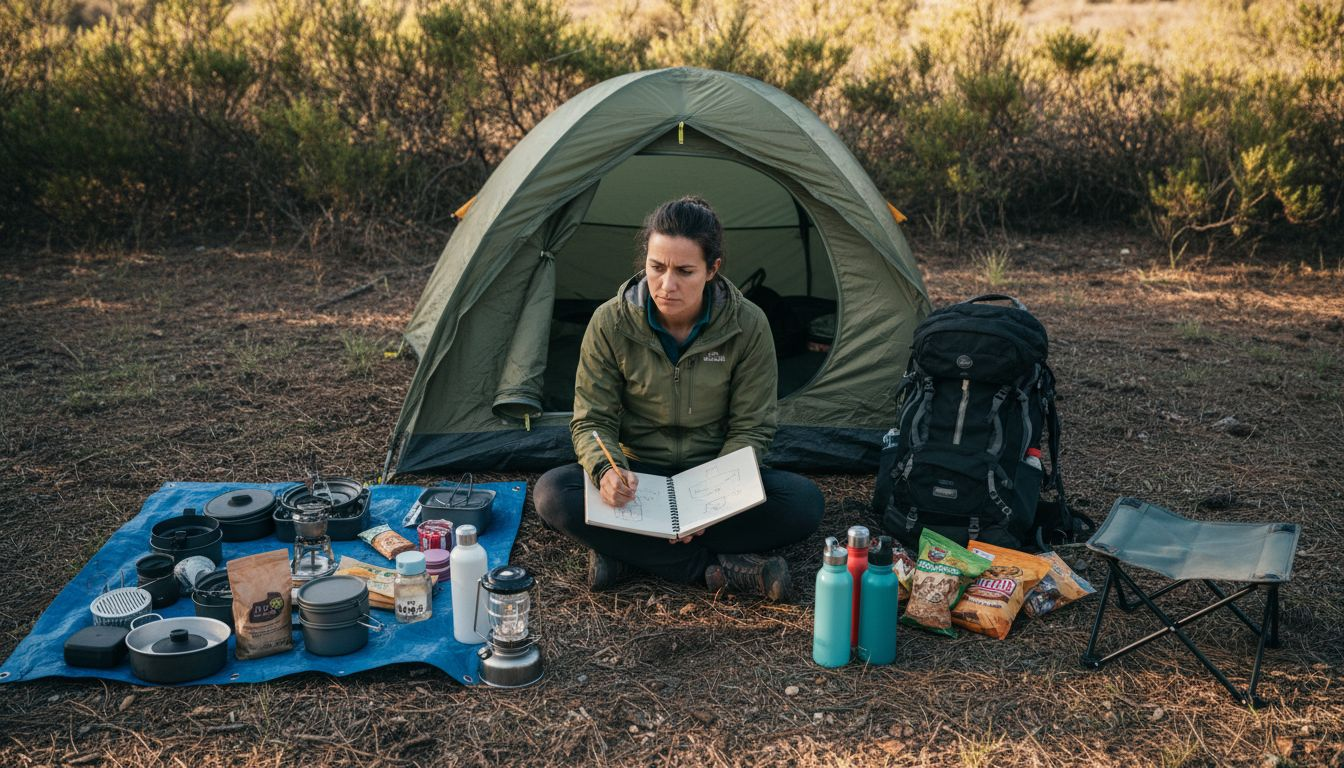
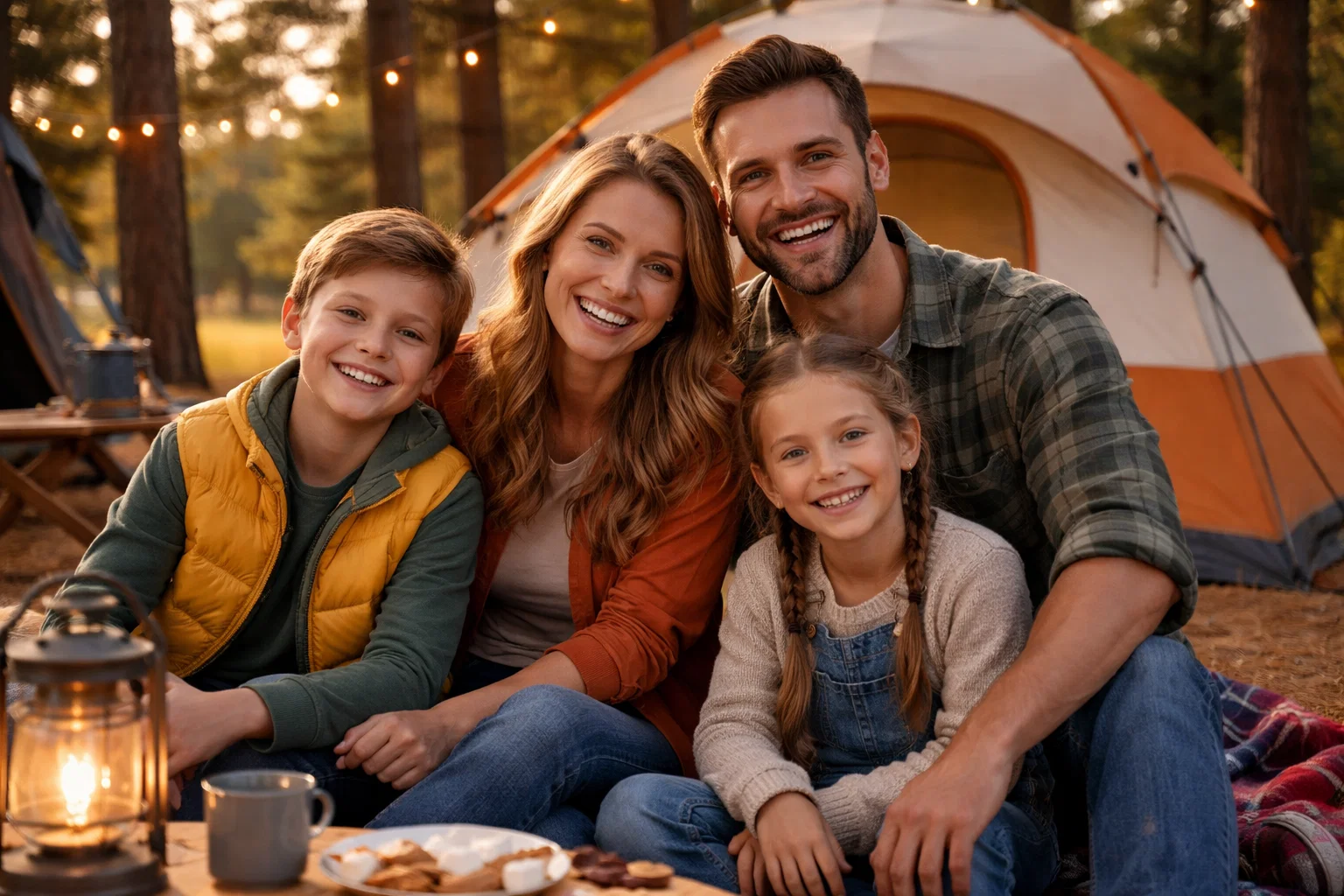
Start by creating designated zones for different camping activities. Position your tent on level ground with the entrance facing away from potential wind directions and potential hazards. Place your cooking area at least 15 feet from your sleeping space to minimize fire risks and keep food odors away from your tent. Arrange your gear in logical clusters kitchen supplies in one area, sleeping equipment in another, and personal items in a third zone. Use tarps or ground cloths to define these spaces and protect your equipment from direct ground contact.
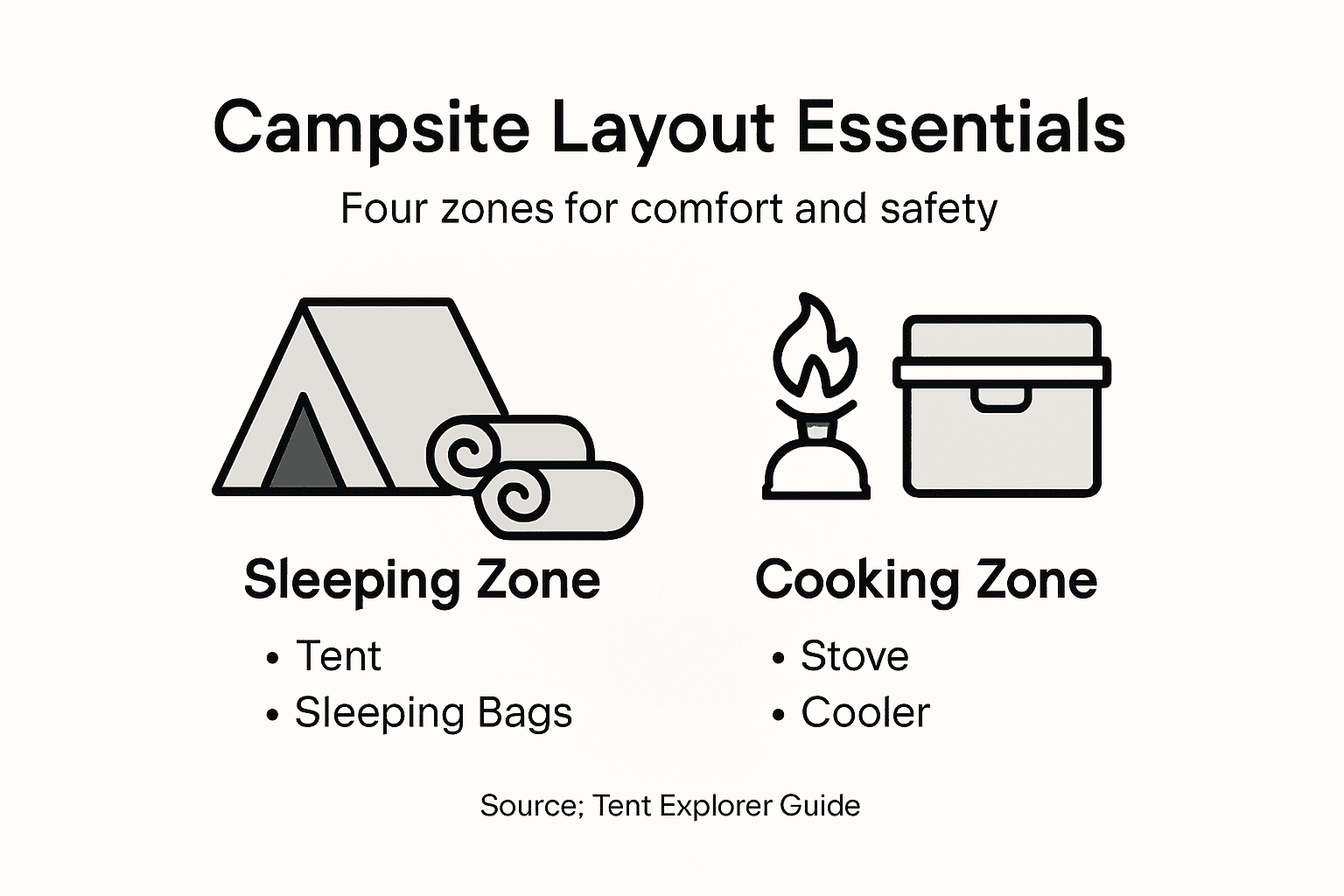
Pack your gear strategically by prioritizing accessibility. Keep frequently used items like flashlights, water bottles, and first aid kits in easily reachable locations. Use clear storage containers or stuff sacks to keep similar items together and maintain an organized campsite. Consider creating a central gear hub using a portable table or hanging organizer where you can store and quickly access essential equipment.
Compare campsite zones by purpose and accessibility:
| Zone | Primary Function | Recommended Distance | Accessibility Tip |
|---|---|---|---|
| Tent | Sleeping, storage | Away from cooking | Keep flashlights close |
| Cooking Area | Food prep, gathering | 15 feet from tent | Use table for organization |
| Gear Hub | Equipment access | Central location | Use clear containers |
| Social Space | Group interaction | Near cooking area | Arrange flexible seating |
Pro tip: Create a simple campsite layout sketch before arriving to help you visualize and execute an efficient gear placement strategy.
Creating a functional and inviting campsite requires strategic planning of your cooking and social spaces. Multi-functional cooking area design transforms your outdoor living space into an efficient and comfortable gathering zone.
Position your cooking area strategically to balance safety and convenience. Set up your cooking zone at least 15 feet away from tents and any flammable materials, ensuring wind direction minimizes smoke exposure to seating areas. Create a dedicated cooking station with a stable surface for your camp stove, with nearby storage for utensils, ingredients, and cooking supplies. Arrange seating around the cooking area to encourage social interaction while maintaining enough space for movement and food preparation.
Consider the overall flow of your campsite when designing social spaces. Use portable camping chairs or lightweight folding benches to create a flexible seating arrangement. Include a central gathering point like a compact camp table or a cleared area around the cooking zone where everyone can comfortably sit, eat, and socialize. Keep your cooking and social areas close enough for easy interaction but separated enough to prevent crowding and maintain clear pathways for movement.
Pro tip: Pack a lightweight tarp or pop-up canopy to provide shade and weather protection for your cooking and social areas.
Step 4: Create safe pathways and lighting zones
Transforming your campsite into a safe and navigable environment requires strategic planning of pathways and lighting. Campsite pathway design helps prevent accidents and protect the surrounding environment while improving overall campsite functionality.
Begin by mapping out clear walking routes that connect key areas such as tents, cooking zones, restroom facilities, and gathering spaces. Use natural materials like wood chips, gravel, or compact dirt to create stable, non slip pathways that minimize ground disturbance. Mark these paths with small rocks or temporary flags to guide foot traffic and prevent trampling sensitive vegetation. Ensure pathways are wide enough for comfortable walking and have minimal obstacles to reduce tripping risks.
Establish strategic lighting zones that balance safety and environmental considerations. Use low-profile, directional lighting near walking paths to illuminate the ground without creating excessive glare. Position lanterns or string lights at lower heights to minimize light pollution and prevent disturbing wildlife. Focus on creating soft ambient lighting that provides enough visibility for movement while preserving the natural nighttime atmosphere of your campsite.
Pro tip: Bring battery-powered motion sensor lights to provide additional safety and convenience during nighttime campsite navigation.
Step 5: Verify campsite layout for comfort and safety
Efficient campsite planning requires a systematic approach to ensuring your outdoor living space is both comfortable and secure. Your final walkthrough is crucial for identifying potential issues before they become problematic during your camping trip.
Conduct a comprehensive safety assessment by methodically checking each zone of your campsite. Verify tent placement on stable ground with no hidden roots or sharp objects underneath. Confirm cooking areas are at a safe distance from sleeping quarters and have clear access to water sources for emergencies. Campsite organization strategies recommend creating distinct functional zones with sufficient spacing to minimize noise and potential hazards. Inspect your gear storage area to ensure equipment is protected from potential moisture or wildlife interference.
Walk through your entire campsite layout and test each pathway for smooth navigation. Check that your emergency exit routes are clear and unobstructed. Ensure your lighting provides adequate visibility without creating glare or disturbing the natural environment. Pay special attention to potential trip hazards, uneven ground, or low hanging branches that could pose risks during nighttime movement.
Pro tip: Use a small flashlight to simulate nighttime conditions and identify potential navigation challenges before darkness falls.
Master Your Campsite Layout for Unmatched Comfort and Safety
Designing an efficient campsite layout can be challenging when you want to maximize comfort and maintain safety for everyone. This guide highlights key pain points such as selecting the best terrain, organizing zones for cooking, sleeping, and socializing, and ensuring safe pathways with proper lighting. These steps address common camper goals: reducing setup stress, improving campsite functionality, and protecting the environment.
At Tent Explorer, we understand how crucial it is to get your campsite setup right. Our comprehensive Tent Tips – Tent Explorer offer practical advice on tent placement and gear organization. Dive into Outdoor Living – Tent Explorer for inspiration on creating inviting social and cooking areas. Plus, explore Tent Accessories – Tent Explorer to find tools designed to enhance safety and convenience during your adventures.
Ready to transform your camping trips with expert layout strategies? Visit Tent Explorer now to access step-by-step guides and gear reviews that will empower you to create a campsite that feels like your perfect home away from home. Don’t wait until you arrive at your next campsite to start planning. Take action today and camp smarter tomorrow.
Frequently Asked Questions
How do I choose the best campsite location for maximum comfort?
Selecting the best campsite location involves evaluating ground levelness, soil drainage, and natural wind protection. Aim for flat, elevated ground at least 200 feet from water sources to ensure a comfortable and safe camping experience.
What should I consider when mapping out tent and gear placement?
When organizing your campsite, designate specific zones for different activities like sleeping and cooking. Keep your cooking area at least 15 feet away from your tent to reduce fire risks, and cluster similar gear for efficient access.
How can I set up my cooking and social areas effectively?
Create a functional cooking area by ensuring it is located at a safe distance from your tent and includes a stable surface for your stove. Arrange seating around the cooking area to foster social interaction while maintaining enough space for movement and food prep.
What are the best practices for creating pathways and lighting zones in my campsite?
Establish clear pathways using natural materials for stability and mark them with small rocks or flags to guide traffic. Use low-profile lighting near walking paths to improve nighttime visibility while minimizing glare on the environment.
How do I conduct a final safety check of my campsite layout?
Perform a thorough walkthrough of your campsite to check that all zones are clear of hazards, pathways are easily navigable, and lighting is sufficient. Confirm that all cooking areas and sleeping spaces are appropriately distanced to promote safety and comfort.