
This blog post may contain affiliate links. As an Amazon Associate I earn from qualifying purchases.
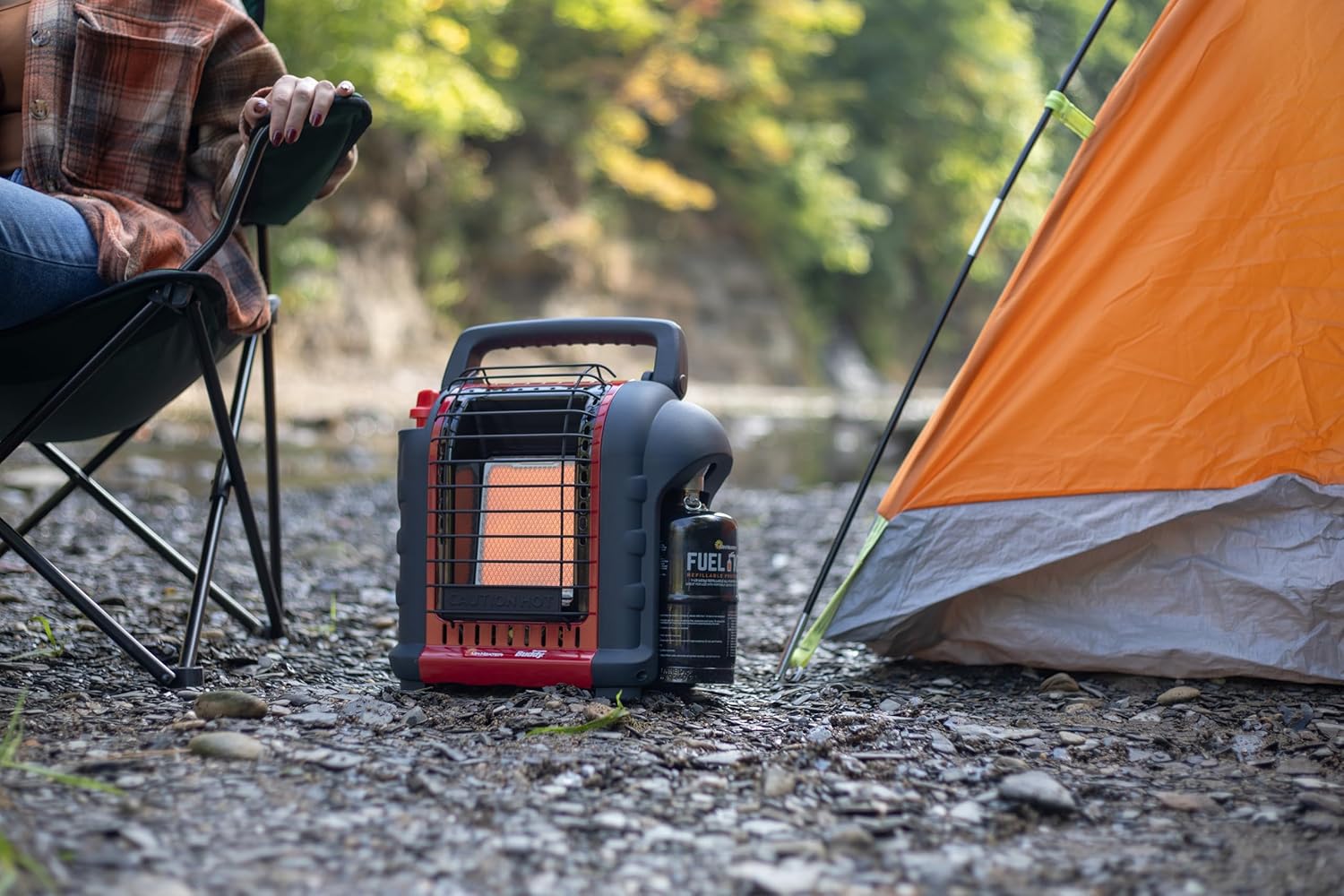
Are you planning a camping trip and wondering if tent heaters are safe to use? Staying warm in your tent can make all the difference between a great night and a restless one.
But before you turn on that heater, it’s important to know the risks and how to keep yourself and your loved ones safe. This guide will help you understand everything you need to know about tent heaters—so you can enjoy your adventure without worry.
Keep reading to discover the key safety tips that could protect your life and your gear.
Best Sellers: Tent Heaters





Last update on 2026-03-11 / Affiliate links / Images from Amazon Product Advertising API
Also Read: Best Air Conditioner for Tent Camping
Types Of Tent Heaters
Tent heaters provide much-needed warmth during cold camping nights. Choosing the right heater type is crucial for safety and comfort. Understanding different types of tent heaters helps you pick one that fits your needs and keeps you safe inside your tent. Each heater type works differently and has unique safety features.
Electric Heaters
Electric heaters are popular for tents with power access. They run on electricity and do not produce harmful gases, making them a safe choice indoors. These heaters are easy to use and usually come with safety features like automatic shut-off if tipped over.
Advantages of Electric Heaters:
-
No fumes or gas emissions
-
Quick and consistent heat
-
Safe for enclosed spaces
-
Often lightweight and portable
Things to consider:
-
Require electricity source (battery, generator, or outlet)
-
May not be suitable for remote camping
-
Keep away from water to avoid electric shock
|
Feature |
Electric Heaters |
|---|---|
|
Heat Source |
Electric element |
|
Fuel Needed |
Electricity |
|
Emissions |
None |
|
Safety Features |
Tip-over switch, overheat protection |
Propane Heaters
Propane heaters are common for camping due to their portability and strong heat output. They burn propane gas to generate heat. These heaters can warm a tent quickly but need careful use to avoid risks.
Safety tips for propane heaters:
-
Always use in a well-ventilated tent or area
-
Keep heater away from flammable materials
-
Check for gas leaks before use
-
Turn off the heater when sleeping or leaving the tent
Pros of Propane Heaters:
-
Strong heat output
-
Works without electricity
-
Good for cold weather camping
Cons:
-
Risk of carbon monoxide buildup
-
Requires propane fuel canisters
-
Needs careful monitoring to avoid fire hazards
|
Feature |
Propane Heaters |
|---|---|
|
Heat Source |
Burning propane gas |
|
Fuel Needed |
Propane canisters |
|
Emissions |
Carbon monoxide, water vapor |
|
Safety Features |
Oxygen depletion sensor, tip-over switch |
Catalytic Heaters
Catalytic heaters use a chemical reaction to produce heat without an open flame. They burn fuel at a lower temperature, reducing fire risk. These heaters work well inside tents but still need ventilation.
Benefits of catalytic heaters:
-
No flames, so safer around flammable materials
-
Quiet operation
-
Efficient fuel use
-
Produces steady warmth
Precautions:
-
Ventilate to prevent carbon monoxide buildup
-
Use recommended fuels only
-
Keep away from kids and pets
|
Feature |
Catalytic Heaters |
|---|---|
|
Heat Source |
Catalytic combustion |
|
Fuel Needed |
Propane or butane |
|
Emissions |
Low carbon monoxide |
|
Safety Features |
Oxygen sensor, flame-less heat |
Safety Risks To Consider
Using a heater inside a tent offers warmth but carries important safety risks. Understanding these risks helps prevent accidents and keeps campers safe. This section covers key safety concerns you must know about before using any tent heater. Focus areas include fire hazards, carbon monoxide poisoning, and ventilation issues. Each risk affects tent heater safety and demands careful attention.
Fire Hazards
Portable heater fire hazards are a major concern when heating a tent. Many tents use materials that catch fire easily. A small spark or too much heat can start a dangerous fire quickly.
Preventing tent fires requires following strict safety rules. Here are some important tips:
-
Keep the heater at least 3 feet away from tent walls and gear.
-
Never leave a heater running unattended inside the tent.
-
Use heaters designed specifically for indoor or tent use.
-
Check the heater for damage or leaks before every use.
-
Place the heater on a flat, stable surface to avoid tipping.
Here is a simple table showing common camping heater risks and how to avoid them:
|
Risk |
How to Prevent |
|---|---|
|
Tip-over causing fire |
Use tip-over protection heaters and place on flat ground |
|
Fuel leaks |
Inspect propane tanks and connections before use |
|
Overheating near fabric |
Maintain safe distance from tent walls and flammable items |
|
Improper heater type |
Choose heaters approved for indoor or tent heating |
Following these steps improves tent heater safety and reduces fire risks dramatically.
Carbon Monoxide Poisoning
Carbon monoxide tent danger is a silent but deadly risk. This gas has no smell or color and can build up quickly in enclosed spaces. Using fuel-burning heaters like propane or kerosene inside a tent raises this risk.
Propane heater safety means ensuring enough fresh air supply. Without ventilation, carbon monoxide levels climb fast, causing headaches, dizziness, or worse.
Signs of carbon monoxide poisoning include:
-
Feeling tired or weak
-
Nausea and vomiting
-
Confusion or difficulty breathing
-
Loss of consciousness
To reduce carbon monoxide tent danger, follow these tips:
-
Only use heaters designed for indoor or tent use.
-
Keep a window or door slightly open for airflow.
-
Use a carbon monoxide detector if possible.
-
Never sleep with a running fuel-burning heater inside the tent.
Here is a quick comparison of heater types and their carbon monoxide risks:
|
Heater Type |
Carbon Monoxide Risk |
Safe for Tent Use? |
|---|---|---|
|
Propane Heater |
High risk if poorly ventilated |
Yes, with proper ventilation |
|
Kerosene Heater |
High risk, produces CO and fumes |
Not recommended |
|
Electric Tent Heater |
No carbon monoxide produced |
Safe with proper use |
Indoor air quality camping depends on avoiding carbon monoxide buildup. Awareness and precautions save lives.
Ventilation Issues
Ventilation for tent heaters is crucial for safety and comfort. Without good airflow, heat and harmful gases become trapped inside the tent. This creates dangerous conditions quickly.
Poor ventilation causes:
-
Build-up of carbon monoxide and other gases
-
Excess moisture and condensation inside the tent
-
Reduced oxygen levels, making breathing hard
Safe tent heating tips focus on ensuring fresh air moves through the tent. Some ways to improve ventilation include:
-
Leaving vents, windows, or tent doors slightly open
-
Using tents with built-in ventilation panels
-
Placing the heater near an opening for better airflow
-
Avoiding sealing the tent completely while heater runs
Electric tent heater risks are lower but still exist if airflow is poor. Electric heaters don’t produce harmful gases but can cause overheating in small, sealed tents.
Here is a checklist for ventilation for tent heaters:
1. Open at least one window or vent slightly.
2. Avoid blocking airflow with gear or walls.
3. Use carbon monoxide detectors if burning fuel heaters.
4. Monitor tent temperature and air quality often.
5. Never run heaters in tightly sealed tents.
Proper ventilation reduces camping heater risks and keeps air fresh and safe.
Safe Usage Tips
Using a tent heater can make camping warm and cozy, but safety must come first. Following Safe Tent Heating Tips helps prevent accidents and health risks. Knowing how to handle your heater properly reduces dangers like fire or carbon monoxide poisoning. These Tent Heater Safety steps ensure a safe and pleasant camping experience.
Proper Placement
Correct tent heater placement is key to avoiding accidents. Follow these Tent Heater Placement Guidelines for safety:
-
Keep the heater at least 3 feet away from tent walls and flammable materials.
-
Place the heater on a flat, stable surface to prevent tipping over.
-
Avoid placing the heater near sleeping bags, backpacks, or fabric items.
-
Do not block tent exits or pathways with the heater.
-
Use heaters designed for indoor or tent use only.
Here is a quick reference table for placement safety:
|
Safety Rule |
Reason |
|---|---|
|
3 feet distance from walls and fabric |
Prevents fires and overheating |
|
Stable, flat surface |
Stops heater from tipping and causing burns |
|
Clear exit paths |
Ensures quick evacuation if needed |
|
Use tent-safe heaters only |
Reduces risk of toxic fumes and malfunctions |
Following these placement rules lowers fire risk and keeps your tent safe. Proper placement is the first step in Indoor Tent Heater Safety.
Adequate Ventilation
Ventilation is vital for safe tent heater use. Many heaters, especially propane types, produce carbon monoxide. Poor airflow can cause dangerous gas buildup. Camping heater precautions require good Portable Heater Ventilation to avoid health risks.
Ensure your tent has enough air exchange by:
-
Opening windows or vents slightly to allow fresh air in.
-
Using heaters with built-in oxygen sensors or safety shut-off features.
-
Never sealing your tent completely when the heater is on.
-
Monitoring for signs of carbon monoxide poisoning, like headaches or dizziness.
Compare ventilation needs for different heaters:
|
Heater Type |
Ventilation Requirement |
|---|---|
|
Propane Heaters |
High – must have constant airflow |
|
Electric Heaters |
Low – no combustion gases |
|
Butane or Kerosene Heaters |
High – produce harmful gases |
Proper ventilation reduces Carbon Monoxide Risk Tent Heaters pose. It supports safer, healthier camping.
Regular Maintenance
Keeping your heater in good shape protects you from hazards. Regular checks and care are part of Tent Heating Maintenance. Follow these steps:
-
Inspect the heater for damage before each use.
-
Clean dust and debris from vents and grills regularly.
-
Check fuel lines and connections on propane heaters for leaks.
-
Test electric heaters and cords for wear or damage.
-
Store the heater in a dry, safe place after use.
Here is a maintenance checklist for your tent heater:
✓ Visual inspection for cracks or damage ✓ Clean vents and grills monthly ✓ Test safety shut-off features ✓ Check fuel supply and hoses for leaks ✓ Store properly after camping trips Regular maintenance extends heater life and improves Propane Heater Safety Camping conditions. Well-maintained heaters run efficiently and safely.
Alternative Heating Solutions
Heating a tent safely is a major concern for campers. Tent heaters can bring warmth but also carry risks like fire hazards and carbon monoxide poisoning. Exploring alternative heating solutions helps avoid these tent heating risks and ensures camping heater safety. These options provide warmth without the dangers linked to portable heaters for tents.
Insulated Sleeping Bags
Insulated sleeping bags offer a reliable way to stay warm during cold weather camping. Their design traps body heat and blocks cold air, reducing the need for a tent heater. The insulated sleeping bags benefits include lightweight warmth and safety, as they pose no fire hazards or carbon monoxide risks.
Key features of insulated sleeping bags:
-
Thermal insulation: Materials like down or synthetic fibers keep warmth inside.
-
Wind resistance: Outer layers prevent cold wind from cooling the body.
-
Moisture control: Wicks away sweat to keep users dry and comfortable.
-
Compact and portable: Easy to carry for backpacking and hiking trips.
|
Material |
Warmth Level |
Weight |
Price Range |
|---|---|---|---|
|
Down |
High |
Light |
$$$ |
|
Synthetic |
Medium |
Moderate |
$$ |
Choosing the right sleeping bag suits different temperatures and budgets. They offer a safe way to stay warm without worrying about tent heater fire hazards or toxic gases.
Thermal Blankets
Thermal blankets are a simple, effective solution for cold weather camping gear. They reflect body heat back to the user, boosting warmth inside the tent. These blankets avoid the tent heating risks of open flames or electric heaters.
Thermal blankets effectiveness depends on material and usage:
-
Made from heat-reflective foil or insulated fabric.
-
Lightweight and easy to pack.
-
Can be layered with other bedding for extra warmth.
-
Useful as emergency gear in unexpected cold.
Thermal blankets work well as a backup or in combination with insulated sleeping bags. They pose no carbon monoxide tent heater dangers or fire risks. Campers appreciate their simplicity and safety, making them part of safe tent heating methods.
Portable Electric Blankets
Portable electric blankets provide warmth without flames or fuel. They plug into batteries or power sources, offering controlled heat inside tents. Choosing options with safety features helps manage portable electric blankets safety.
Benefits of portable electric blankets include:
-
Adjustable temperature settings for comfort.
-
Automatic shut-off to prevent overheating.
-
Lightweight and flexible for easy packing.
-
Reduced risk of tent heater fire hazards compared to gas heaters.
Use these blankets with caution, ensuring battery packs and cords stay dry. Proper care reduces tent heating risks and keeps campers warm safely. Portable electric blankets fit well into cold weather camping gear and offer a good alternative to traditional tent heaters.
Frequently Asked Questions
Are Tent Heaters Safe To Use Indoors?
Tent heaters can be safe indoors if they have proper ventilation. Always follow the manufacturer’s safety guidelines. Never leave heaters unattended inside tents.
What Types Of Heaters Are Safest For Tents?
Electric and propane heaters with safety features are best for tents. Look for models with automatic shut-off and tip-over protection. Avoid open flame heaters for better safety.
How To Prevent Carbon Monoxide Poisoning From Tent Heaters?
Use heaters designed for indoor use and ensure good airflow. Never run a heater in a sealed tent. Install a carbon monoxide detector near the tent.
Can Tent Heaters Cause Fires?
Yes, tent heaters can cause fires if used incorrectly. Keep heaters away from flammable materials and never block air vents. Regularly check heaters for damage or wear.
How To Safely Operate A Tent Heater At Night?
Turn off the heater before sleeping or use one with an automatic shut-off. Keep the tent ventilated to allow fresh air inside. Place heaters on a stable, flat surface.
Conclusion
Tent heaters can be safe when used with care and caution. Always follow the heater’s instructions and keep it away from flammable materials. Ensure your tent has good ventilation to avoid harmful gases. Choose heaters designed for camping to reduce risks.
Never leave a heater unattended while it runs. Staying alert and using heaters properly helps keep you warm and safe outdoors. Safety should always come first during your camping trips.