
This blog post may contain affiliate links. As an Amazon Associate I earn from qualifying purchases.
Planning your first camping trip brings excitement, but small mistakes can quickly turn adventure into discomfort or even danger. Choosing the wrong campsite or skipping safety steps can lead to sleepless nights, soggy gear, or unwanted wildlife encounters. Packing too much or forgetting vital equipment often creates unnecessary challenges that ruin the fun and strain your energy.
You want your outdoor experience to be safe, comfortable, and memorable for the right reasons. This guide will give you the clear steps and expert advice that help new campers avoid the most common pitfalls. With these actionable tips, you will know exactly how to select your campsite, set up your shelter, and prepare for changing weather.
Get ready to discover the practical moves that make camping simple and enjoyable. Each insight will help you prevent problems, save time, and confidently explore the outdoors on your own terms.
Quick Summary
| Key Insight | Explanation |
|---|---|
| 1. Choose a Safe Campsite Location | Assess terrain, water sources, and wildlife zones to ensure safety and comfort. Optimal locations prevent unexpected challenges. |
| 2. Practice Tent Setup Beforehand | Familiarize yourself with your tent’s assembly at home to avoid frustration and ensure a smooth setup in the wilderness. |
| 3. Pack Only Necessary Gear | Evaluate your needs carefully to strike a balance between being prepared and avoiding excess weight for easier travel. |
| 4. Prioritize Weather Protection | Bring versatile clothing layers and waterproof gear to adapt to changing conditions and maintain comfort during your trip. |
| 5. Follow Food Safety Guidelines | Implement safe food storage and handling practices to prevent foodborne illnesses during your camping adventure. |
1. Choosing the Wrong Campsite Location
Selecting the right campsite is more than just finding an attractive spot – it’s about safety, comfort, and respecting the environment. Picking the wrong location can turn a potentially amazing outdoor experience into a miserable night filled with unexpected challenges.
When searching for your ideal campsite, several critical factors come into play. Campers must consider terrain, water proximity, potential hazards, and environmental impact. Campsite selection guidelines recommend specific strategies to ensure a safe and enjoyable camping experience.
Key considerations for choosing an optimal campsite include:
- Finding flat ground for tent placement
- Ensuring proper water and drainage management
- Avoiding potential wildlife interaction zones
- Maintaining appropriate distance from water sources
- Selecting areas with natural wind protection
A poor campsite choice can transform your outdoor adventure into a survival challenge.
When evaluating potential sites, campers should prioritize ground stability and drainage. Avoid low-lying areas that might collect water during unexpected rain or potential flash floods. Look for slightly elevated ground with natural drainage that prevents water accumulation near your sleeping area.
Wildlife awareness is another crucial aspect of campsite selection. Stay away from animal trails, potential insect breeding grounds, and areas with signs of recent animal activity. Maintaining a safe distance from water sources (at least 200 feet) helps minimize unexpected wildlife encounters while protecting local ecosystems.
Environmental responsibility matters. Choose established campsites whenever possible to minimize your impact on natural landscapes. Avoid creating new clearings or disturbing untouched areas, which can harm local vegetation and wildlife habitats.
Pro tip: Always scout your campsite during daylight hours and do a comprehensive ground assessment before setting up your tent to ensure safety and comfort.
2. Skipping Tent Setup Practice at Home
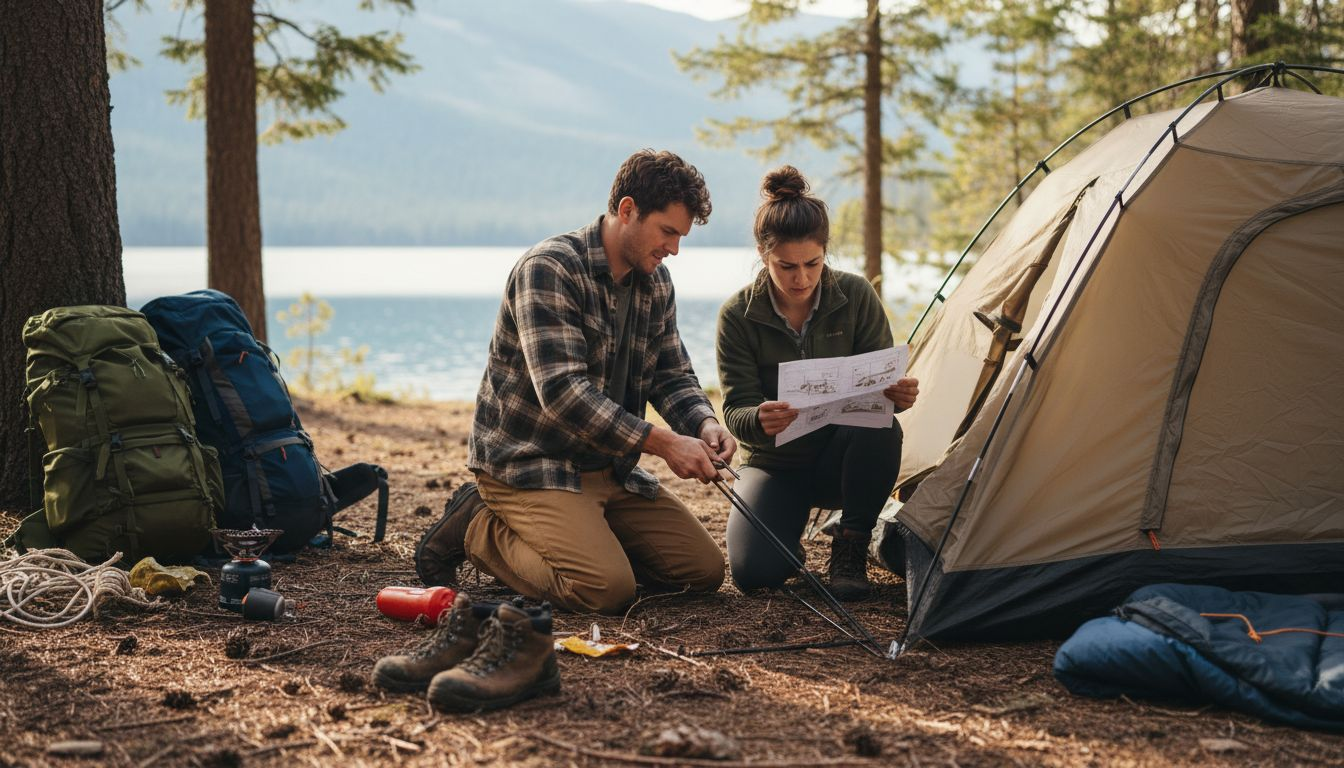
The wilderness is not the place to learn how to set up your tent for the first time. Many beginner campers make the critical mistake of waiting until they reach their campsite to figure out their tent’s assembly, which can lead to frustrating and potentially dangerous situations.
Tent setup fundamentals require practice and familiarity before heading into the outdoors. Understanding your tent’s components and assembly process at home can save you significant stress and time when you’re in a potentially challenging environment.
Key reasons to practice tent setup beforehand include:
- Learning how all components fit together
- Identifying any missing or damaged equipment
- Building muscle memory for quick assembly
- Understanding complex attachment mechanisms
- Reducing stress during actual camping
Preparation transforms camping challenges into enjoyable experiences.
Practicing at home allows you to become intimately familiar with your tent’s unique design. Every tent model has its own quirks – some require specific pole insertion techniques, others have complex rain fly attachments. By rehearsing the setup in a controlled environment, you eliminate potential complications that could arise at a campsite.
Systematic home practice ensures smooth outdoor setup. Take time to spread out your tent in your backyard or living room. Follow the manufacturer’s instructions carefully, paying attention to details like pole alignment, stake placement, and rain fly tension.
Additionally, home practice helps you identify potential equipment issues before your trip. Check for torn fabric, bent poles, or missing stakes that might compromise your shelter’s integrity.
Pro tip: Time yourself during home tent setup practice and aim to reduce your assembly time with each attempt, ensuring you can quickly create a secure shelter in various conditions.
3. Packing Too Much or Too Little Gear
Packing for a camping trip is an art form that requires careful balance between preparedness and practicality. Many beginner campers swing between two extremes: overpacking with unnecessary items or underpacking and missing critical gear.
Camping gear optimization is essential for creating an enjoyable outdoor experience. The goal is to bring exactly what you need without weighing yourself down or leaving behind crucial equipment.
Key principles of smart packing include:
- Assessing each item’s true necessity
- Considering multi-purpose gear
- Checking weather and terrain conditions
- Evaluating your specific camping activity
- Prioritizing lightweight and compact items
Less weight means more freedom on the trail.
Overpacking can lead to unnecessary physical strain and logistical challenges. Every extra pound you carry reduces your mobility and increases fatigue. Conversely, underpacking can leave you vulnerable to unexpected conditions or situations.
Strategic packing requires thoughtful evaluation. Start by creating a comprehensive checklist that breaks down essential categories: shelter, clothing, food, safety equipment, and personal items. Eliminate redundant items and focus on gear that serves multiple functions.
Consider the specific demands of your camping environment. Mountainous terrain requires different preparation compared to forest or desert camping. Your gear selection should reflect the unique challenges of your destination.
Pro tip: After each camping trip, review your gear list and remove items you never used, gradually refining your packing strategy to achieve the perfect balance between preparedness and efficiency.
4. Forgetting Essential Weather Protection
Weather can transform a dream camping trip into a miserable experience faster than you might imagine. Neglecting proper weather protection is a rookie mistake that can compromise your safety and comfort in the great outdoors.
Outdoor weather preparedness begins long before you arrive at your campsite. Understanding how to dress and protect yourself against changing conditions is crucial for an enjoyable camping experience.
Key weather protection strategies include:
- Packing versatile clothing layers
- Bringing waterproof and windproof gear
- Checking local weather forecasts
- Carrying emergency shelter options
- Understanding hypothermia and heat exhaustion risks
Proper preparation turns potential weather challenges into manageable moments.
Layering is the most effective strategy for managing outdoor temperature fluctuations. Clothing layers create a dynamic protection system that allows you to adapt quickly to changing environmental conditions. Start with a moisture-wicking base layer, add an insulating middle layer, and top with a waterproof outer shell.
Avoid cotton materials which retain moisture and can lead to rapid heat loss. Synthetic fabrics and wool provide superior moisture management and insulation. Your clothing choices can mean the difference between a comfortable adventure and a potentially dangerous situation.
Sun protection is equally important. Bring sunscreen, sunglasses, a wide-brimmed hat, and lightweight long-sleeve shirts to shield yourself from harmful UV rays. Unexpected sunburn can quickly derail your camping experience.
Pro tip: Pack a lightweight, compact emergency poncho and keep it easily accessible in case of sudden rain, ensuring you stay dry without sacrificing significant backpack space.
5. Improper Food Storage and Handling
Food safety during camping is far more than a culinary concern – it’s a critical health consideration that can make or break your outdoor experience. One mishandled meal can transform a memorable adventure into a nightmare of stomach cramps and potential illness.
Food safety practices are essential in the unpredictable environment of outdoor camping. Without proper refrigeration and handling techniques, bacteria can multiply rapidly and turn your delicious meal into a health hazard.
Key food safety strategies include:
- Maintaining proper food temperature zones
- Preventing cross-contamination
- Using separate cutting surfaces
- Keeping raw and cooked foods apart
- Practicing rigorous hand hygiene
Wilderness cooking demands greater attention to food safety than your home kitchen.
Camping introduces unique challenges to food preservation. Temperature control becomes significantly more complex when you are miles from a refrigerator. Perishable items require careful planning and strategic storage to remain safe for consumption.
Coolers are your primary defense against foodborne illness. Pack them strategically with frozen water bottles that can serve dual purposes as ice packs and drinking water as they thaw. Use separate coolers for drinks and perishable foods to minimize temperature fluctuations when the cooler is opened frequently.
Understand the fundamental rules of food handling. Raw meats should be sealed in leak-proof containers and stored at the bottom of coolers to prevent cross-contamination. Never wash raw poultry at the campsite, as this can spread bacteria more widely.
Pro tip: Pack a small digital food thermometer to ensure meats reach safe internal temperatures, providing an extra layer of protection against potential foodborne illnesses during your camping adventure.
6. Neglecting Safety and First Aid Basics
In the wilderness, your first aid knowledge can mean the difference between a minor incident and a life-threatening emergency. Beginners often underestimate the critical importance of being prepared with both medical supplies and essential safety skills.
First aid preparedness transforms potential disaster scenarios into manageable situations. Understanding how to respond quickly and effectively can prevent a camping mishap from becoming a serious medical crisis.
Key first aid and safety considerations include:
- Carrying a comprehensive first aid kit
- Learning basic emergency response techniques
- Understanding wilderness-specific medical risks
- Knowing how to treat common outdoor injuries
- Preparing for potential environmental challenges
Safety is not an accident – it’s a deliberate preparation.
Medical preparedness requires strategic planning. Your first aid kit should be tailored to your specific camping environment and potential risks. A desert camping trip demands different medical supplies compared to a mountain or forest expedition.
Basic first aid skills go beyond simply carrying a kit. Learn how to recognize and treat conditions specific to outdoor environments such as hypothermia, heat exhaustion, insect bites, and minor wounds. Consider taking a wilderness first aid course that provides specialized training for outdoor emergencies.
Effective communication is also crucial. Always inform someone about your camping location and expected return time. Carry emergency communication devices like satellite messengers or personal locator beacons in areas with limited cell phone coverage.
Pro tip: Vacuum seal and waterproof your first aid supplies to ensure they remain dry and intact during your outdoor adventures, and review and replace expired items before each camping trip.
7. Ignoring Leave No Trace Principles
Every camping trip leaves a mark on the environment whether you intend it or not. Understanding and practicing Leave No Trace principles transforms you from a casual visitor to a responsible steward of natural spaces.
Leave No Trace guidelines provide a comprehensive framework for minimizing human impact during outdoor adventures. These principles are not just recommendations but a critical philosophy of environmental respect and conservation.
Key Leave No Trace strategies include:
- Planning trips in advance
- Traveling on durable surfaces
- Proper waste disposal
- Leaving natural objects untouched
- Minimizing campfire impacts
- Respecting wildlife habitats
- Considering other visitors’ experiences
Nature is a shared resource that requires collective responsibility.
Every action in the wilderness has potential consequences. Trampling vegetation, disturbing wildlife, or leaving trash can cause long-lasting environmental damage. Your individual choices collectively shape the health and accessibility of natural spaces for future generations.
Take special care with campfire management. Use existing fire rings when possible, keep fires small, and completely extinguish them. Scatter cool ashes and restore the site to its original condition. When in doubt about fire regulations, opt for a lightweight camping stove instead.
Waste management goes beyond simply packing out trash. This includes human waste, which should be buried in catholes at least 200 feet from water sources, and biodegradable soap that should never be used directly in streams or lakes.
Pro tip: Carry a small trash bag and commit to leaving each campsite cleaner than you found it, picking up not just your own waste but any additional litter you encounter.
Below is a comprehensive table summarizing common camping mistakes and their key solutions, as discussed in the article.
| Error | Description | Solution |
|---|---|---|
| Choosing Poor Campsite Locations | Results in discomfort, exposure to hazards, and environmental damage. | Select flat, elevated ground; avoid water bodies and wildlife zones; respect environmental guidelines. |
| Skipping Tent Setup Practice | Leads to difficult setup and potential issues during camping. | Practice at home to familiarize with components, identify issues, and master assembly techniques. |
| Packing Excess or Insufficient Gear | Causes unnecessary strain or vulnerability. | Create checklists; assess item necessity and multi-purpose use; refine packing over time. |
| Neglecting Weather Preparedness | Leads to discomfort or safety risks under varying conditions. | Pack layered clothing, waterproof gear, check forecasts, and prepare for temperature fluctuations. |
| Mishandling Food Storage | Hazards of contamination and spoilage during camping. | Use proper handling techniques, coolers, and thermometers; avoid direct cleaning of raw food near campsite. |
| Ignoring Safety Basics | Increased risk during incidents. | Carry first aid kits tailored to the trip; learn basic skills; prepare with emergency plans. |
| Violating Leave No Trace Principles | Negative impact on natural spaces. | Practice waste management, minimize campfire effects, respect wildlife, and follow environmental guidelines. |
Avoid Beginner Camping Mistakes with Expert Tips and Gear Guidance
Camping for the first time can be a mix of excitement and uncertainty, especially when facing challenges like choosing the right campsite or packing the perfect gear. This article highlights common mistakes beginners make, such as improper tent setup, neglecting weather protection, and overlooking food safety. If you want to avoid these frustrating issues and build confidence outdoors, it’s essential to learn from trusted sources and gain practical insights tailored for tent campers.
Outdoor Living – Tent Explorer offers detailed advice on campsite selection, gear reviews, and essential camping techniques to help you prepare smartly for your next trip.

Ready to transform your camping experience and prevent rookie errors before they happen? Visit Tent Explorer now for step-by-step guides, safety recommendations, and inspiration that empower you to camp with confidence. Start planning smarter, packing better, and enjoying every moment under the stars today.
Also explore our Fun While Camping – Tent Explorer section for creative ideas and tips that make your outdoor adventures both safe and enjoyable.
Frequently Asked Questions
What common mistakes do beginner campers make when choosing a campsite?
Choosing the wrong campsite location is a frequent mistake among beginners. Always look for flat ground, avoid areas prone to flooding, and maintain a distance from wildlife zones to ensure a safe and comfortable camping experience.
How can I effectively practice setting up my tent before a camping trip?
Beginner campers often skip practicing tent setup at home. Take your tent out in your yard, follow the instructions, and aim to complete the setup within 10–15 minutes to build confidence for your actual trip.
What should I consider when packing my camping gear to avoid overpacking or underpacking?
Many beginners struggle with packing too much or too little gear. Create a detailed checklist focused on essentials and prioritize lightweight, multi-purpose items that suit your camping conditions, aiming to reduce unnecessary weight by about 10%.
How can I prepare for unpredictable weather while camping?
Neglecting weather preparedness can ruin a camping experience. Layer your clothing for versatility, pack waterproof gear, and monitor local forecasts to adapt to changing conditions effectively.
What are some important food safety tips for camping outings?
Improper food storage can lead to sickness, so handling food safely is crucial. Keep raw and cooked foods separate, use sealed containers, and maintain cooler temperatures to prevent contamination and ensure your meals are safe to eat.
Why is it essential to know first aid basics before going camping?
First aid knowledge is vital as emergencies can occur in the wilderness. Carry a comprehensive first aid kit tailored to your trip and learn basic emergency response techniques to effectively manage injuries or other health issues.