
This blog post may contain affiliate links. As an Amazon Associate I earn from qualifying purchases.
A sudden gust of wind rattling your tent or discovering damp, uneven ground under your sleeping bag can turn any camping trip into a stressful ordeal. These surprises highlight why careful preparation is key for camp safety and enjoyable experience. By focusing on safety starts with awareness, you will learn how to identify hazards, select secure campsites, and create safer fire and cooking areas before you settle in for the night.
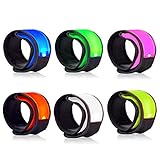
- 【6 PACK LED Running Bracelet Band】 – LED safety light armbands , Colorful reflective running gear: Blue,Green,Yellow,Orange,White,Pink reflective. Choose your favorite Running Cloth color for your families or your friends.
- 【LED 3 flashing mode】 – LED 3 different lights modes (fast flashing, slow flashing, steady ) . Package include one piece CR2032 battery, Which can work for about 20-30 hours.
- 【Usage Bands】 – The LED is bright at night, High visibility to protect you safety, Designed to give you 360 degree ultra-high visibility in dusk and night time activities, E.g night running, jogging, dog walking, camping, cycling, motorcycling,dog walking, concert, camping activities for kids, pet belt, kids safety walking at night etc outdoor sports.
- 【Quality Material】 – By nylon material with ABS switch box, The running band is lightweight & waterproof & durability & comfortable. The battery box, Which can remove from the bracelet to clean/wash easily.
- 【How to wear?】 – Large size: 35cm x 4cm. It is adjustable magic bands, Easy to wear for adults or kids, men or women, pets with a loose or snug fit. Easy to wear, just need to simply slap it to the position you like, such as wrist, ankle, and arms.Place Them Anywhere, On Your Wrists, Arms, Ankles.
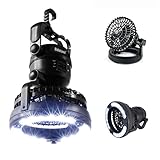
- Why you need this great camping gear: Spending a night outdoors is something everyone should experience. So you want something to help you see at night. A lantern is super useful for camping so you can make your way around the campsite and your tent easily in the dark.
- Versatile light/fan: Ultra Bright 18 individual low powered LED bulbs. The fan has high and low settings to provide nice air circulation and lit up the tent nicely. You can orient in so many positions.
- Powerful fan speed and bright lighting: High quality brushless motor for whisper operation, max wind speed 10ft/s, strong airflow and 2 setting speeds, it’s great to fresh the air and keep you cool.
- The extremely lightweight build allows you to take your lantern on the go with ease. When not in use collapse the lantern to a smaller size; store it effortlessly, taking little space.
- Light up to 37 hours of regular, continuous use with enough battery capacity. 2 D batteries can keep the fan work for 5 hrs in high speed mode, and 15 hrs in low speed mode, 20 hrs for led light (Battery is not included).
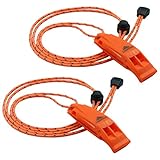
- SUPER LOUD survival whistle: double tubes emergency whistle, high pitched powerful noise maker with dual sound chambers, can provide up to 120 decibel dB sound power, enough to be heard over a mile away. Cannot be overblown, works great as signal whistle.
- PEALESS DESIGN means no moving parts, nothing to obstruct sound, and nothing to jam, break or freeze. Lightweight and fail safe nice whistle works well in any conditions with excellent airflow design. Comfortable mouth grip, won’t stick to lips like METAL ones in cold environments.
- ADJUSTABLE REFLECTIVE LANYARD and CLIP, high visibility even in the dark with slider button to adjust length around neck, long lanyards can easily loop through backpack, sailboats, camp hike gear, life jacket, kayak PFD, paddling paddle board, bike. You can also clip the whistle to your belt or shoulder straps for quick and easy use in case of emergency.
- SUPER DURABLE high impact ABS plastic construction ensures strong durability and complete waterproof moisture resistance. Premium quality whistles to carry for life safety, camping, hiking, backpacking, hunting, archery, fishing, swimming, boating, kayaking, marine sporting events any kind of outdoor activities, also for dog training.
- EASY-TO-REACH SERVICE, every purchase includes our worry-free warranty and lifetime support. If you have any questions, our friendly customer service team will be more than happy to help out.

- Compact, Long Lighting: Palm sized(5.7 X 2.1 inch) portable led tent light, takes up very little room, easy to carry and grip for kids. Powered by 3 x AAA alkaline batteries (Not Included), lighting time up to 10 to 15 hours in high light mode, avoid frequent battery changes, protable led camping lantern for outdoor adventure aficionados
- Brightness 150 Lumens: Each battery operated camping lights built in 3 LED tent lamps beads, camp night light easily illuminate the whole campsite, super bright protable LED camping light whatever you do like long talks, playing games, reading or walks at night. Muti colors mark different teams. Bring millions of practical uses
- 3 Light Modes Support Multi Application: The LED tent light bulbs comes with 3 light modes: HIGH, LOW, Strobe. Use protable LED lantern to illuminate a large area, as emergency lights, or create a flashing party atmosphere. Perfect camping gear fits different needs
- Water Resistanct: IPX8 water resistant, crafted from super-durable ABS plastic. With anti falling carabiner stroller hook design, camp lanterns can be fasten to tree, the stable, rope, backpack or tent, free worry about dropping and free your hands. Great for emergency hurricane, support all activities such as camping, hiking, hunting, fishing, sos lights and etc
- One Light, Endless Uses: Our camp tent lights also used as decorative indoor lights, night lights, battery operated lights, as a useful handy aid while you’re working, studying, or reading a book just before you go to sleep! Perfect gift for the people you love

- Removes Bacteria & Parasites: The Microfiltration Membrane Removes 99.999999% of Waterborne Bacteria (Including E. Coli and Salmonella), and 99.999% of Waterborne Parasites (Including Giardia and Cryptosporidium) – Essential for Your Survival Kit
- Removes Microplastics: Removes the Smallest Microplastics Found in the Environment (Down to 1 Micron), and Reduces Turbidity Down to 0.2 Microns – Ideal for Hiking and Camping Essentials
- Rigorous Testing: All Claims Are Verified with Laboratories Using Standard Testing Protocols Set by the US EPA, NSF, ASTM for Water Purifiers
- Long Lifetime: The Microbiological Purification System Will Provide 4,000 Liters (1,000 Gallons) of Clean and Safe Drinking Water – a Must-Have for Your Bug Out Bag
- Make an Impact: For Every LifeStraw Product Purchased, a School Child in Need Receives Safe Drinking Water for an Entire School Year. Essential Camping Accessory Made With BPA Free Materials
Last update on 2026-03-07 / Affiliate links / Images from Amazon Product Advertising API
Quick Summary
| Key Point | Explanation |
|---|---|
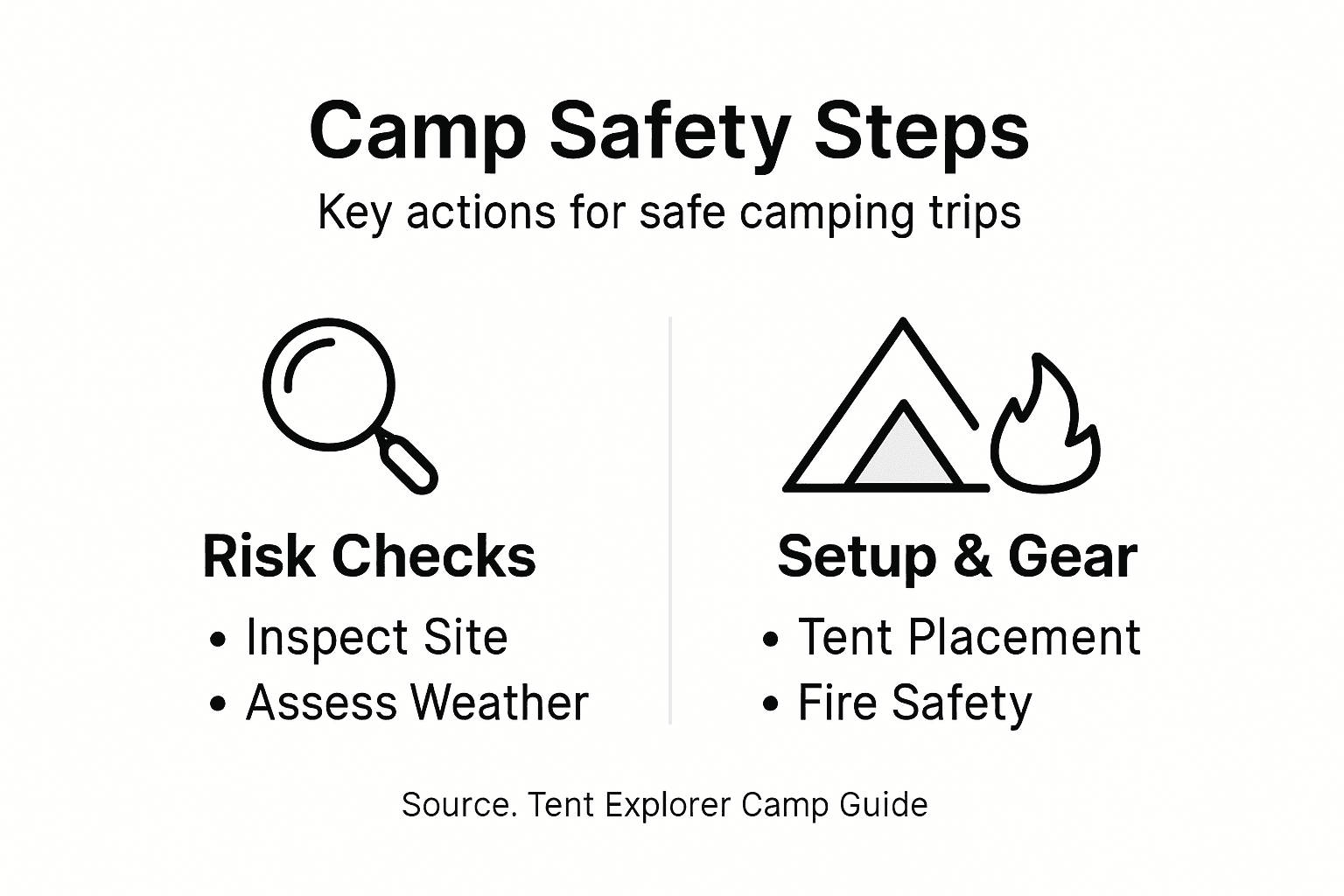
| 1. Conduct a Thorough Risk Assessment | Assess hazards like terrain, weather, and wildlife before setting up camp to ensure safety and comfort. |
| 2. Choose a Safe Tent Location | Select a flat, dry area away from hazards like dead trees and ensure proper ground conditions for stability. |
| 3. Implement Responsible Fire Management | Follow safe practices for cooking and campfires, including maintaining a clear space and monitoring conditions continually. |
| 4. Manage Food and Waste Properly | Store food securely to prevent animal encounters and pack out all waste to protect the environment. |
| 5. Prepare for Emergencies Effectively | Develop comprehensive plans for communication, medical help, and evacuation to handle unexpected situations smoothly. |
Step 1: Assess Campground Hazards Before Setting Up
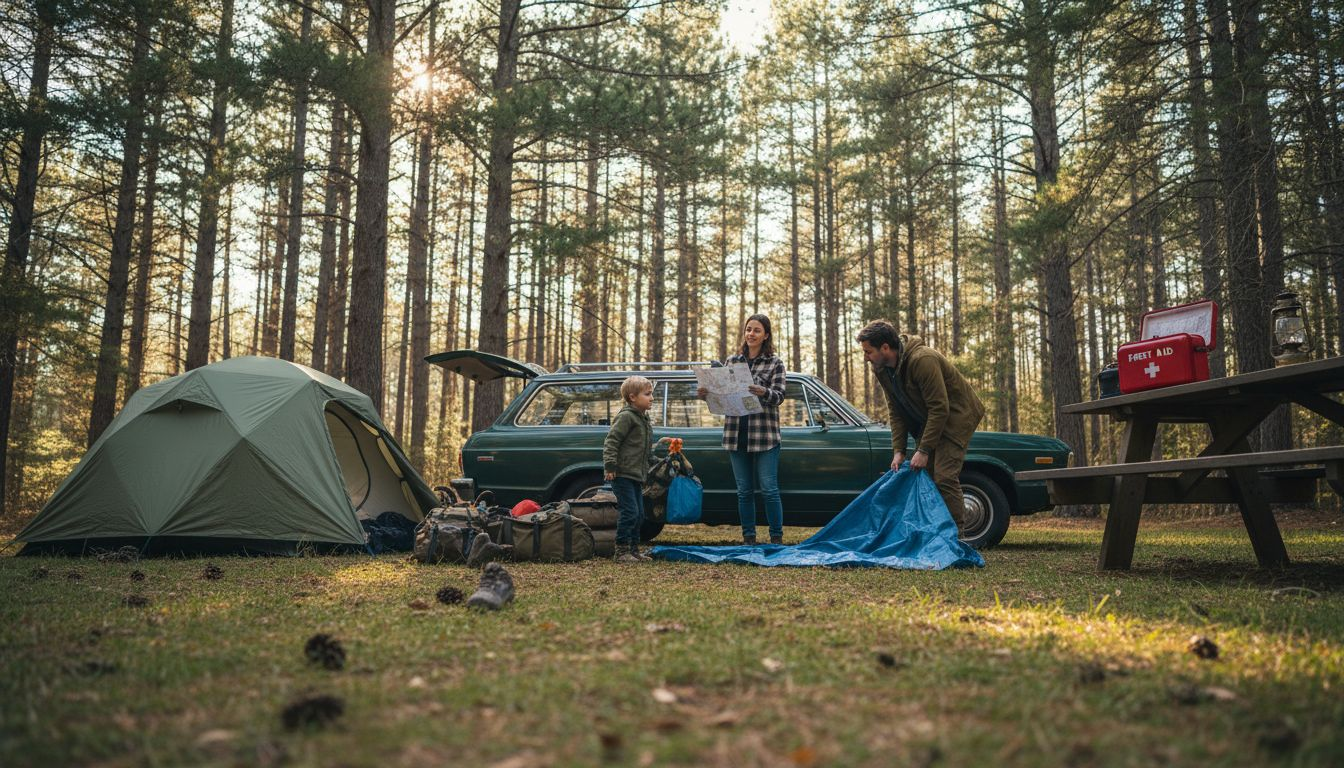
Before pitching your tent and settling in for a relaxing camping trip, you need a systematic approach to evaluating potential campground risks. Safety starts with awareness and understanding the environmental challenges you might encounter.
Begin by conducting a comprehensive risk assessment of outdoor hazards. This process involves examining multiple dimensions of potential danger, including:
- Terrain characteristics
- Slope and ground stability
- Rocky or uneven surfaces
- Potential water drainage areas
- Weather conditions
- Wind exposure
- Potential storm risks
- Temperature variations
- Natural surroundings
- Proximity to wildlife habitats
- Presence of dead trees or hanging branches
- Insect and animal activity zones
Your visual inspection should focus on identifying potential risks that could compromise your camping experience. Look for signs of ground instability, water accumulation points, or areas with high exposure to environmental elements. Pay special attention to overhead branches that might pose falling hazards and check the ground for potential trip points or uneven surfaces.
Here’s a quick summary of how different campsite hazards can impact your camping experience:
| Hazard Type | Potential Impact | Prevention Strategies |
|---|---|---|
| Unstable Terrain | Tent collapse, injuries | Inspect ground before setup |
| Poor Weather | Exposure, discomfort | Monitor forecasts, choose shelter |
| Wildlife Proximity | Food theft, safety risk | Store food securely, avoid nests |
| Overhead Branches | Falling debris, injury | Avoid sites under dead trees |
A thorough 10-minute campsite assessment can prevent hours of potential discomfort or dangerous situations.
Evaluate the specific microclimate of your chosen site, considering factors like wind direction, sun exposure, and potential shelter from natural elements. Understanding these nuances will help you position your tent and camping gear more strategically.
Pro tip: Always carry a small first aid kit and familiarize yourself with basic emergency procedures specific to the camping environment you’re exploring.
Step 2: Choose and Position Your Tent for Optimal Safety
Selecting and positioning your tent requires strategic planning to ensure a safe and comfortable camping experience. Safety should be your primary consideration when setting up your temporary outdoor home.
Start by choosing a tent site with careful precision. Your ideal location should include several critical safety features:
- Ground conditions
- Completely flat surface
- Dry ground with good drainage
- Free from sharp rocks or roots
- Environmental considerations
- Away from dead trees or hanging branches
- Not near potential water hazards
- Protected from direct wind exposure
- Additional safety factors
- Clear emergency exit routes
- Visible surroundings
- Reasonable proximity to camp facilities
Carefully examine the ground before setting up, removing any stones, sticks, or debris that could damage your tent or create uncomfortable sleeping conditions. Your tent’s footprint should be smooth and level, with no significant slope that could cause water pooling or uncomfortable sleeping angles.
Positioning your tent strategically can mean the difference between a miserable night and a comfortable outdoor adventure.
Pay special attention to wind direction and potential weather changes. Angle your tent entrance away from prevailing winds and consider natural windbreaks like rock formations or dense vegetation that can provide additional protection.
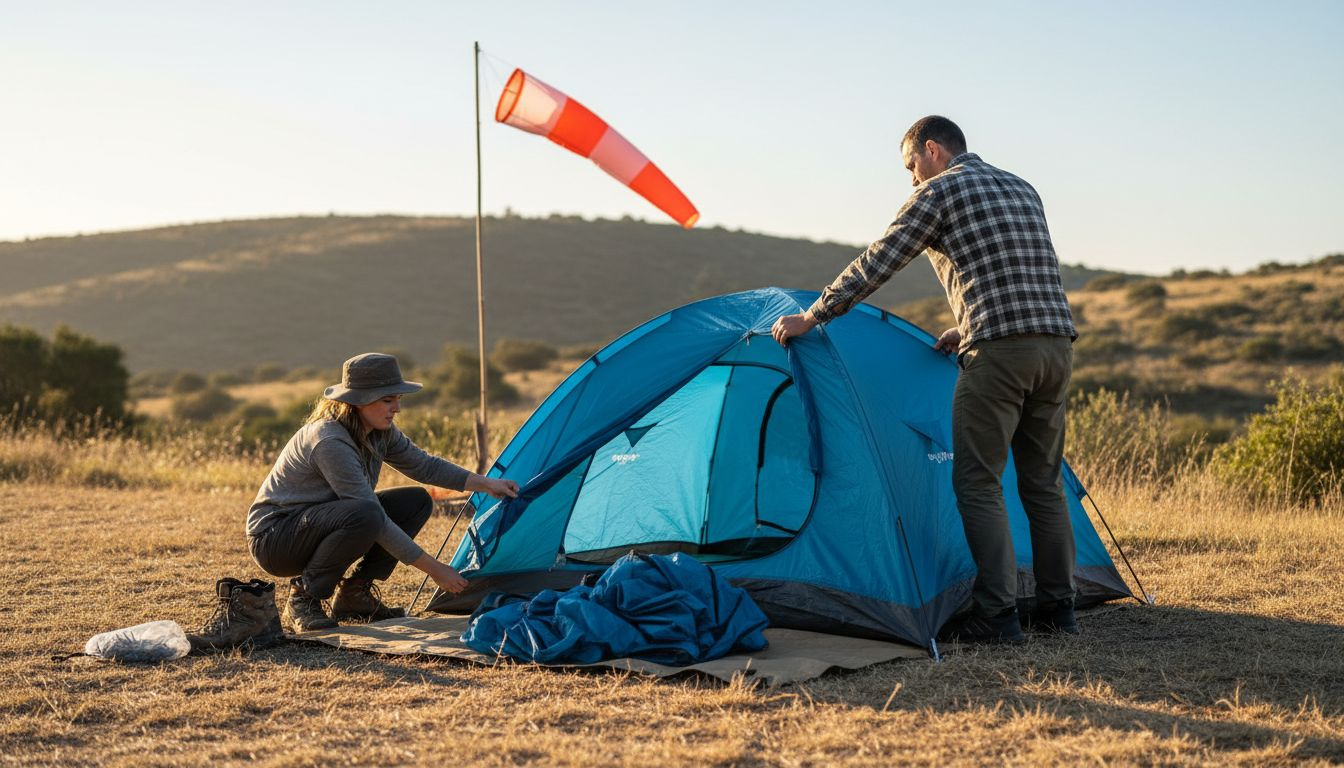
Pro tip: Always do a final ground check and use a ground tarp underneath your tent to provide an extra layer of protection against moisture and potential sharp objects.
Step 3: Organize Fire and Cooking Areas Responsibly
Creating a safe and efficient cooking environment is crucial for any successful camping trip. Fire management requires careful planning to protect both your campsite and the surrounding wilderness.
Campfire safety involves precise setup and continuous monitoring. Your fire and cooking zone should incorporate several critical safety elements:
- Fire location considerations
- Use only designated fire rings
- Clear a 10-foot radius around fire area
- Keep fire away from tents and overhanging branches
- Safety equipment requirements
- Keep water bucket nearby
- Have fire extinguisher or sand available
- Maintain first aid kit in close proximity
- Cooking area management
- Use stable cooking surfaces
- Keep flammable materials away from heat sources
- Establish clear cooking and fire zones
Position your cooking equipment on level ground, ensuring stability and minimizing potential fire risks. Utilize proper heat-resistant surfaces and maintain a clean cooking area to prevent accidental fires and contamination.
A well-organized campfire area is your first line of defense against potential outdoor emergencies.
Always supervise your fire and cooking area, never leaving equipment unattended. Extinguish fires completely by drowning with water, stirring the ashes, and checking for any remaining heat before leaving the site or going to sleep.
Pro tip: Pack a compact fire safety kit with waterproof matches, a reliable lighter, and fire-resistant gloves to handle cooking equipment safely.
Step 4: Safeguard Food and Manage Waste Effectively
Proper food handling and waste management are critical to maintaining a safe and environmentally responsible camping experience. Food safety begins before you leave home with strategic planning and preparation.
Food safety involves multiple critical steps to prevent contamination and foodborne illnesses during your outdoor adventure:
- Food Storage Strategies
- Use coolers with sufficient ice
- Separate raw and cooked foods
- Keep perishables at safe temperatures
- Handling Precautions
- Wash hands before food preparation
- Use clean utensils and surfaces
- Cook foods to recommended internal temperatures
- Waste Management Principles
- Pack out all trash
- Use designated waste disposal areas
- Minimize environmental impact
Carefully plan your meals to reduce potential food waste. Bring only the quantities you’ll realistically consume, and use resealable containers to keep food fresh and prevent attracting wildlife to your campsite.
Responsible camping means leaving no trace and protecting the natural environment.
Properly dispose of all waste by packing it out completely. If composting is possible, separate organic materials from other trash to minimize your environmental footprint.
Pro tip: Bring resealable plastic bags and a compact trash container to efficiently manage and pack out all your camping waste.
Step 5: Verify Camp Security and Emergency Readiness
Security and emergency preparedness are essential components of a safe camping experience. Your proactive planning can make all the difference when unexpected situations arise in the wilderness.
Camp security requires comprehensive emergency planning that covers multiple potential scenarios:
- Communication Preparation
- Identify cell phone signal areas
- Carry backup communication devices
- Know local emergency contact numbers
- Medical Readiness
- Pack comprehensive first aid kit
- Include personal medication supplies
- Know basic first aid techniques
- Emergency Response Strategies
- Create detailed evacuation plan
- Designate emergency meeting points
- Share location details with someone off-site
Before leaving for your trip, research the specific emergency resources available in your camping area. Understanding local rescue services, nearby medical facilities, and potential communication challenges will help you develop a robust safety strategy.
Preparedness transforms potential emergencies from panic-inducing challenges into manageable situations.
Practice basic emergency skills like fire starting, signaling for help, and basic first aid before your trip. Confidence in these skills can significantly improve your response during unexpected events.
Consider these emergency preparedness essentials for improved camp safety:
| Emergency Item | Primary Use | Added Benefit |
|---|---|---|
| First Aid Kit | Treat minor injuries | Peace of mind, immediate care |
| Communication Device | Contact help in emergency | Helpful in remote locations |
| Emergency Info Card | Quick access to contact data | Useful in medical situations |
| Evacuation Plan | Safe exit during crisis | Reduces panic and confusion |
Pro tip: Create a waterproof emergency information card with critical contact numbers and medical details to keep with you at all times.
Enhance Your Camp Safety with Expert Gear and Setup Tips
Camping safety is about more than just knowing what to avoid It involves preparing with the right knowledge and equipment to handle hazards like unstable terrain weather changes and wildlife encounters This guide highlights vital concepts such as risk assessment tent positioning and emergency readiness that every camper should master to keep their adventure safe and enjoyable
At Tent Explorer we understand how critical it is to combine safety insights with dependable gear and smart campsite organization Explore our Outdoor Living – Tent Explorer category for essential campsite setup advice and survival strategies We also offer a curated selection of Tent Accessories – Tent Explorer designed to protect you from environmental risks and improve comfort Let us help you transform your camping trips into safe unforgettable experiences
Ready to camp with confidence Start your journey today by visiting Tent Explorer and discover expert tips along with the must-have gear to keep your camp secure and your experience fun Secure your peace of mind now and make every camping outing safe and memorable
Frequently Asked Questions
How can I assess campground hazards before setting up my tent?
To assess campground hazards, conduct a visual inspection of the terrain, weather conditions, and natural surroundings. Look for signs of unstable ground, water drainage areas, and potential wildlife habitats. Spend about 10 minutes evaluating these factors to enhance your safety before setting up.
What should I consider when choosing a tent location for safety?
When choosing a tent location, prioritize a flat surface with good drainage and ensure it’s away from dead trees or hanging branches. Clear any sharp objects and check the ground conditions to minimize hazards. Aim to position your tent strategically to avoid environmental exposure, like strong winds.
How do I properly manage my campfire and cooking area?
Properly manage your campfire and cooking area by using designated fire rings and clearing a 10-foot radius around the fire. Keep water nearby to extinguish the fire and ensure your cooking area is stable and away from flammable materials. Follow these steps to maintain safety during meal preparation and fire usage.
What are effective food storage and waste management strategies while camping?
To manage food safely, store perishable items in coolers with adequate ice and keep raw and cooked foods separate. Pack out all trash and use designated waste disposal areas to minimize your environmental impact. These strategies will help ensure food safety and maintain a clean campsite.
How can I prepare for emergencies while camping?
Prepare for emergencies by creating a communication plan and ensuring you have backup devices and local emergency contacts available. Pack a comprehensive first aid kit and familiarize yourself with basic first aid techniques. These preparations will enhance your readiness in case of unexpected situations while camping.
Recommended
- Tent Camping Safety Tips Every Camper Should Know
- 7 Essential Campsite Setup Tips Every Camper Should Know
- 7 Essential Beginner Camping Tips For A Safe First Trip
- Beginner Camping Checklist: Essential Gear For Every Trip
- Dog Safety Outdoors: Essential Tips for 2025
- 9 Travel Packing Essentials You Can’t Forget
- 7 Must-Haves for Your Adventure Checklist Costa Rica