

This blog post may contain affiliate links. As an Amazon Associate I earn from qualifying purchases.
Choosing the right tent can make or break a camping trip, especially when unpredictable weather threatens your comfort. Many campers wonder if dome tents are just for backyard outings, but modern designs offer much more. With a network of interconnected poles for impressive stability and wind resistance, dome tents provide beginner and intermediate campers the chance to enjoy reliable shelter and practical features suited for adventures across diverse environments.
Key Takeaways
| Point | Details |
|---|---|
| Dome Tents Offer Unique Advantages | Their curved design and triangular pole system provide enhanced stability, superior wind resistance, and better interior space usage compared to traditional tents. |
| Versatile Applications | Dome tents are not limited to casual camping; they are suitable for extreme weather, expedition-grade use, and various outdoor events. |
| Engineering Innovations | Modern dome tents utilize advanced materials that enhance durability and reduce weight, making them ideal for diverse environments. |
| Important Considerations | When choosing a dome tent, prioritize pole material and waterproof ratings, and be aware of potential limitations like snow load capacity and ventilation issues. |
Dome Tent Defined and Common Misconceptions
A dome tent represents a specialized camping shelter featuring a distinctive architectural design that transforms outdoor sleeping experiences. Tridomes explains these unique structures are characterized by interlocking triangular sections forming a geodesic dome shape, which provides remarkable strength and interior space without traditional internal supports.
Dome tents differ significantly from standard rectangular camping shelters through several key characteristics:
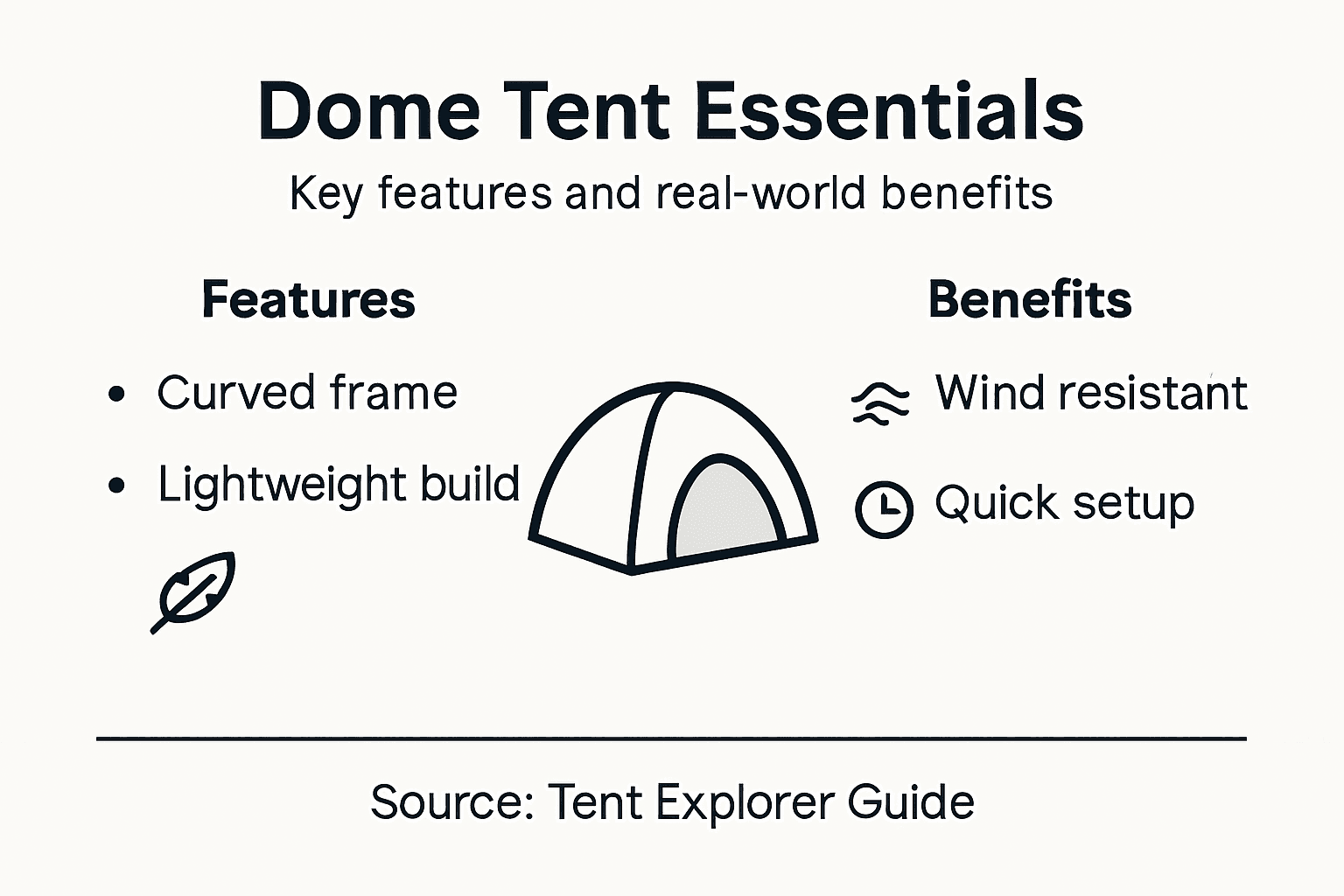
- Unique curved architectural design
- Interconnected triangular pole system
- Enhanced stability in challenging weather conditions
- Superior wind resistance compared to traditional tent shapes
- More efficient interior space utilization
Contrary to popular misconceptions, dome tent capabilities extend far beyond casual camping. Modern dome tents are engineered with advanced materials and robust construction techniques, making them suitable for serious outdoor expeditions and extreme environmental conditions.
The most common myths surrounding dome tents include assumptions about complexity, limited usability, and space constraints. In reality, contemporary dome tent designs feature:
- Color-coded pole systems for intuitive assembly
- Lightweight yet durable material construction
- Versatile applications beyond traditional camping
- Adaptability to various terrain and weather scenarios
Engineering Origins: Interestingly, dome tent designs originated from architectural concepts developed by Buckminster Fuller, demonstrating how innovative structural principles can transform outdoor shelter technologies.
Pro tip: When selecting a dome tent, prioritize pole material strength and waterproof ratings to ensure maximum performance in diverse camping environments.
Types of Dome Tents and Key Differences
Dome tents represent a diverse category of camping shelters with unique structural variations that cater to different outdoor environments and user needs. Geodesic dome designs offer superior structural integrity through their innovative pole configuration, setting them apart from traditional tent styles.
The primary types of dome tents include:
- Standard dome tents with basic curved pole designs
- Semi-geodesic tents with partially interconnected pole systems
- Full geodesic tents featuring complex triangular pole networks
- Modified dome tents with asymmetrical shape configurations
- Lightweight backpacking dome tents optimized for minimal weight
Structural Characteristics: Each dome tent type delivers distinct advantages across various camping scenarios. Tent designs vary significantly in stability and space utilization, with geodesic models providing maximum wind resistance and internal structural support.
Compared to traditional tent designs, dome tents offer several unique benefits:
- Enhanced wind resistance
- More efficient interior space management
- Improved structural stability
- Reduced weight in advanced models
- Greater adaptability to challenging terrain
The engineering behind dome tent designs allows campers to select specialized shelters matching specific environmental demands, from lightweight backpacking models to robust expedition-grade structures capable of withstanding extreme conditions.
Here’s a quick comparison of major dome tent types and their ideal use cases:
| Dome Tent Type | Structural Complexity | Best For | Portability |
|---|---|---|---|
| Standard Dome | Basic curved poles | Casual camping trips | Good |
| Semi-Geodesic | Moderate pole links | Windy, uneven terrain | Moderate |
| Full Geodesic | Interconnected triangles | Extreme weather, expeditions | Lower |
| Modified Dome | Asymmetrical layout | Family/group camping | Good |
| Ultralight Backpacking | Minimal pole design | Long hikes, minimal weight | Excellent |
Pro tip: When choosing a dome tent, carefully evaluate the pole material, weight, and intended camping environment to ensure optimal performance and durability.
Core Features and How Dome Tents Work
Dome tents represent sophisticated camping shelters engineered with precise architectural principles to maximize outdoor shelter performance. Ultimate camping shelter design combines structural engineering with practical outdoor needs, creating a versatile solution for various environmental conditions.
The core mechanical features of dome tents include:
- Curved pole system creating self-supporting structure
- Interconnected pole networks distributing stress evenly
- Aerodynamic shape minimizing wind resistance
- Flexible materials allowing shape adaptation
- Strategic pole intersection points enhancing stability
Structural Mechanics: Dome tents utilize a unique engineering approach where interlocking poles create a three-dimensional framework. This design allows the tent to maintain structural integrity while remaining lightweight and portable, unlike traditional rectangular tent configurations.
The functional advantages of dome tent engineering are significant:
- Rapid setup and takedown capabilities
- Superior weather protection
- Excellent internal space utilization
- Improved thermal regulation
- Reduced material stress during adverse conditions
Modern dome tent designs integrate advanced materials like lightweight aluminum poles and high-tensile synthetic fabrics, enabling campers to deploy robust shelters that can withstand challenging outdoor environments while maintaining minimal pack weight.
Pro tip: Always inspect pole connections and fabric tension before setting up your dome tent to ensure maximum structural stability and performance.
Real-World Uses and Practical Benefits
Dome tents extend far beyond traditional camping scenarios, offering versatile solutions for numerous outdoor and emergency applications. Camping shelter design demonstrates remarkable adaptability across diverse environments and user requirements.
Practical applications of dome tents include:
- Backpacking and wilderness exploration
- Emergency disaster relief shelters
- Scientific expedition base camps
- Temporary construction site housing
- Music festival and outdoor event accommodations
- Recreational camping and family outdoor adventures
- Remote research station setups
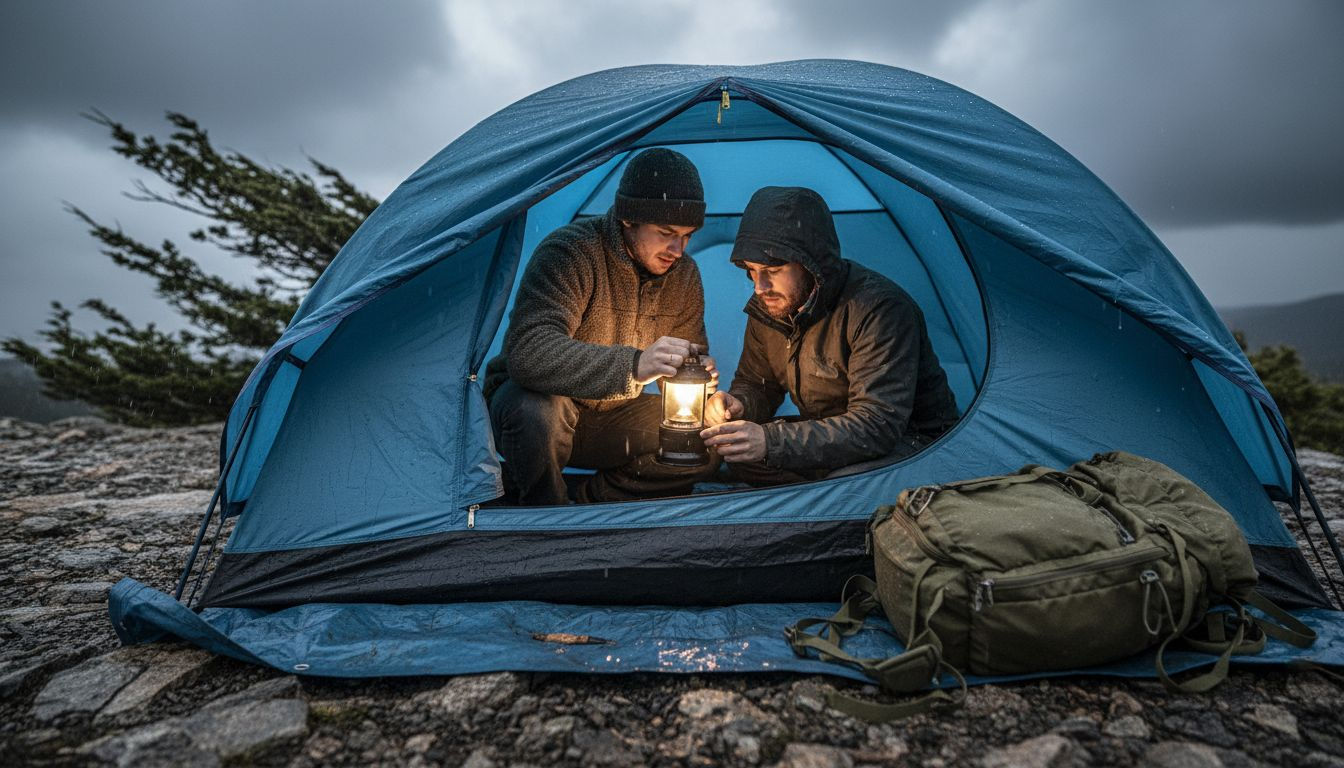
Specialized Contexts: Dome tents provide unique advantages in challenging environments where traditional shelter structures might fail. Their inherent structural design allows for rapid deployment, exceptional weather resistance, and minimal environmental impact across multiple terrains and climatic conditions.
The functional benefits of dome tents span several critical domains:
- Rapid emergency response capabilities
- Lightweight transportation and portability
- Enhanced protection against wind and precipitation
- Flexible configuration options
- Cost-effective temporary shelter solutions
- Minimal ground disturbance during setup
Engineering innovations have transformed dome tents from simple camping gear into sophisticated shelter systems capable of meeting complex human needs in remote, challenging, and unpredictable environments. Their versatility makes them essential tools for adventurers, researchers, relief workers, and outdoor enthusiasts worldwide.
Pro tip: Select a dome tent with modular design features to maximize versatility and adaptability across different outdoor scenarios.
Drawbacks, Risks, and What to Avoid
Dome tents, while versatile, come with specific limitations that campers must carefully consider before selecting their outdoor shelter. Dome tent guide reveals critical buying considerations that highlight potential challenges in various camping scenarios.
Key drawbacks and potential risks include:
- Limited snow load capacity
- Reduced internal headroom near tent edges
- Potential condensation issues
- Weight challenges for larger models
- Complex setup in windy conditions
- Limited durability in extreme environments
- Higher cost compared to traditional tent designs
Structural Vulnerabilities: Dome tents can experience significant performance challenges depending on environmental conditions. Factors like inadequate ventilation, poor material quality, and inappropriate site selection can compromise the tent’s structural integrity and user comfort.
Critical risks campers should actively prevent:
- Ignoring manufacturer weight and load specifications
- Neglecting proper tent site preparation
- Using inappropriate tent for specific climate conditions
- Failing to maintain and inspect tent materials
- Overlooking ventilation requirements
- Disregarding recommended setup procedures
Understanding these potential limitations allows campers to make informed decisions, select appropriate dome tent models, and implement strategies that mitigate performance risks during outdoor adventures.
Pro tip: Always conduct a thorough pre-trip inspection of your dome tent, checking pole connections, fabric integrity, and waterproof ratings to prevent unexpected failures during your outdoor experience.
Dome Tents Compared to Alternatives
Tent design varies dramatically across different camping styles, with each configuration offering unique performance characteristics. Comparative tent design analysis reveals nuanced differences between tent styles that dramatically impact outdoor shelter performance.
Key alternative tent types include:
- Traditional A-frame tents
- Tunnel tents
- Ridge tents
- Geodesic tents
- Pop-up tents
- Backpacking tents
- Cabin-style tents
Structural Comparisons: Different tent designs prioritize specific performance attributes, with dome tents striking an exceptional balance between stability, weight, and interior space. While tunnel tents offer more linear space and A-frame tents provide classic simplicity, dome tents excel in adaptability and wind resistance.
Performance trade-offs between tent types highlight critical design differences:
- Wind resistance capabilities
- Total interior volume
- Ease of setup
- Weight and portability
- Material complexity
- Cost considerations
- Adaptability to terrain
Understanding these comparative characteristics enables campers to select tent designs matching their specific outdoor adventure requirements, considering factors like intended environment, group size, transportation constraints, and anticipated weather conditions.
This table summarizes core strengths of dome tents compared to key alternatives for different needs:
| Tent Design | Weather Performance | Setup Speed | Interior Space |
|---|---|---|---|
| Dome | Excellent in wind | Fast | Utilizes space well |
| Tunnel | Good in wind | Moderate | Long, narrow interior |
| Cabin | Moderate in wind | Slower | Maximum headroom |
| A-Frame | Fair in wind | Simple | Restricted at edges |
Pro tip: Prioritize your specific camping needs when selecting between tent designs, focusing on the most critical performance attributes for your typical outdoor scenarios.
Discover the Strength and Versatility of Dome Tents with Expert Guidance
Understanding dome tents means unlocking the secret to durable, weather-resistant camping shelters designed to enhance your outdoor adventures. Whether you want to master the unique curved pole systems or choose the right geodesic model for extreme weather, avoiding common pitfalls is key. At Tent Explorer, we help you conquer challenges like setup complexity and material selection by providing clear, practical advice tailored to dome tent enthusiasts. Our Tent Tips – Tent Explorer category guides you through every step from selection to setup for a stress-free camping experience.

Ready to elevate your camping shelter knowledge and embrace the benefits of dome tents? Visit Tent Explorer for expert reviews, detailed maintenance advice in Tent Troubleshooting And Maintenance – Tent Explorer, and gear recommendations at Tent Accessories – Tent Explorer. Start your journey to confident camping now and discover how the right dome tent transforms your connection with nature.
Frequently Asked Questions
What are the main benefits of using a dome tent?
Dome tents provide enhanced wind resistance, superior structural stability, and efficient interior space utilization compared to traditional tent designs, making them suitable for various outdoor conditions.
How do dome tents differ from traditional camping tents?
Dome tents feature a unique curved design and interconnected pole systems, while traditional tents often have rectangular shapes. This results in better stability and wind resistance for dome tents.
Can dome tents be used in extreme weather conditions?
Yes, modern dome tents are engineered with advanced materials and robust construction techniques, making them suitable for serious outdoor expeditions and extreme environmental conditions.
What should I consider when choosing a dome tent?
When selecting a dome tent, prioritize pole material strength, waterproof ratings, weight, and intended usage to ensure optimal performance in diverse camping environments.