
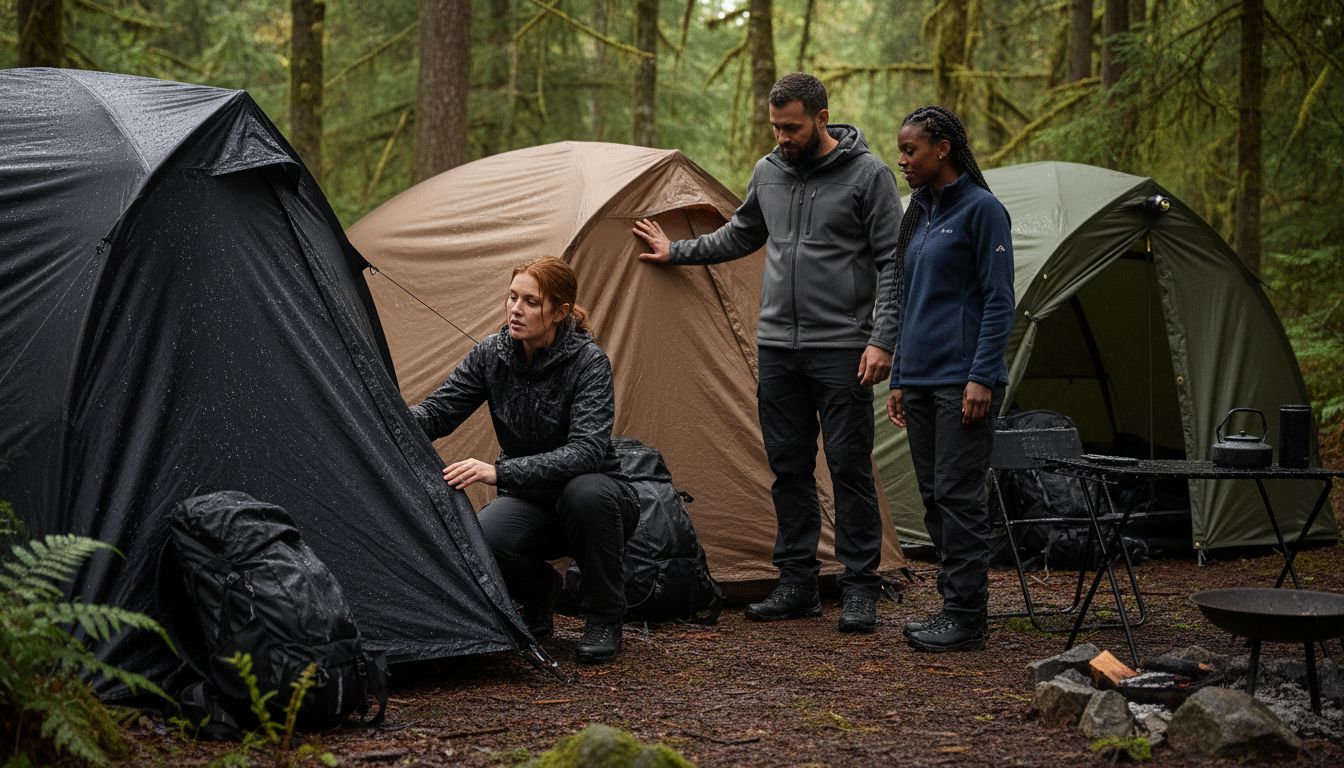
This blog post may contain affiliate links. As an Amazon Associate I earn from qualifying purchases.
Over half of american campers say the right tent fabric can make or break their outdoor trip. The choice goes beyond comfort, shaping your ability to stay dry, warm, and protected in changing weather. With fabric innovations now offering enhanced waterproofing, strength, and lighter weight, understanding these materials can give you a real edge when it comes to camping safely and comfortably.
Key Takeaways
| Point | Details |
|---|---|
| Material Selection is Critical | Choosing the right tent fabric affects weight, durability, and weather resistance, essential for different camping scenarios. |
| Understand Fabric Properties | Key characteristics such as denier rating, waterproof coats, and breathability are crucial for optimal performance. |
| Avoid Common Mistakes | Neglecting UV resistance, overestimating fabric weight, and mismatching materials with camping conditions can compromise your experience. |
| Prioritize Functionality Over Weight | Assess your camping style and environmental challenges to find a balance between lightweight materials and necessary durability. |
What Are Camping Tent Fabrics and Their Role
Camping tent fabrics are specialized materials engineered to protect outdoor enthusiasts from environmental elements while providing shelter and comfort during wilderness adventures. According to Scholars Central, tent fabric selection has evolved dramatically, transforming from traditional materials like heavy canvas to advanced synthetic compounds designed for specific performance requirements.
Modern tent fabrics serve multiple critical functions beyond basic shelter. Waterproofing, durability, weight management, and environmental resistance represent the primary considerations when selecting appropriate tent materials. Frostburg University notes that contemporary tent fabrics must balance several competing priorities: they need to be lightweight enough for backpacking while simultaneously offering robust protection against wind, rain, and temperature variations.
The core roles of camping tent fabrics can be summarized in three fundamental aspects:
- Protection from Elements: Blocking wind, rain, snow, and UV radiation
- Thermal Regulation: Maintaining internal temperature and preventing condensation
- Structural Integrity: Supporting tent shape and withstanding environmental stress
Understanding these fabric characteristics becomes crucial for selecting the right tent for specific camping environments and personal needs. Whether you’re planning a summer music festival or a high-altitude mountain expedition, the fabric of your tent will significantly impact your outdoor experience.
Key Types of Camping Tent Fabrics Explained
Camping tent fabrics are diverse, each offering unique properties tailored to specific outdoor environments and performance requirements. Yichun Textile provides a comprehensive overview of tent fabric types, highlighting the critical differences between materials that can significantly impact a camper’s experience.
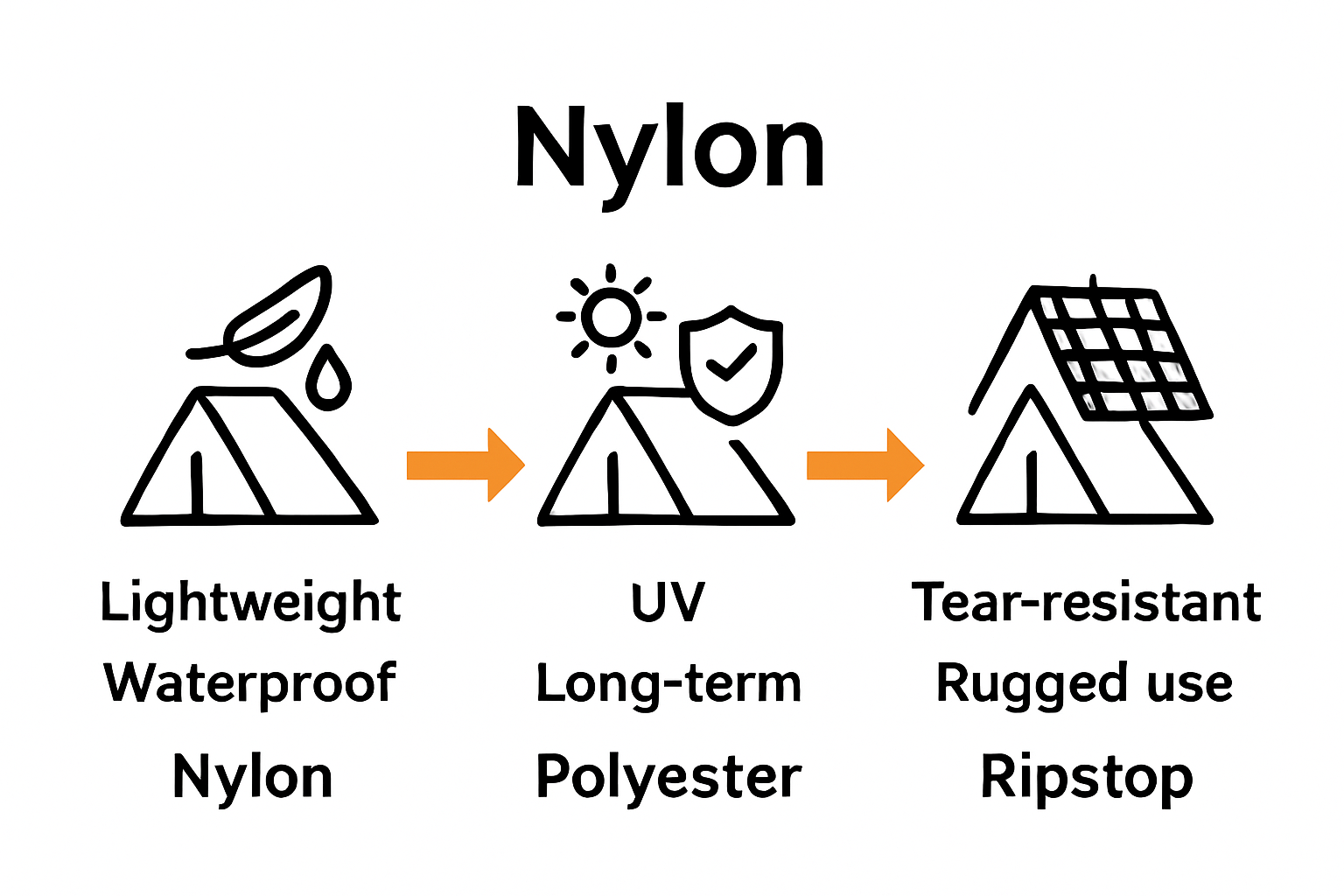
Nylon stands out as one of the most popular tent fabric choices. Lightweight, affordable, and quick-drying, nylon fabrics are typically treated with silicone or polyurethane coatings to enhance water resistance. These fabrics excel in warm weather conditions and are particularly favored by backpackers and minimalist campers who prioritize packability and weight reduction.
Another prominent tent fabric is polyester, which offers superior UV resistance and color stability compared to nylon. Unlike its counterpart, polyester maintains its structural integrity better under prolonged sun exposure, making it ideal for extended camping trips in sunny environments. Exploring Tent Materials guide suggests that polyester’s slightly heavier weight provides increased durability and wind resistance.
Specialized fabric variations like ripstop and Cordura represent advanced engineering in tent material design. Ripstop fabrics feature reinforced weaving techniques that prevent tears from expanding, while Cordura offers exceptional abrasion resistance perfect for rugged terrain. These high-performance materials cater to adventurers seeking maximum durability and protection in challenging outdoor conditions.
Key fabric characteristics to consider include:
- Denier Rating: Indicates fabric thickness and durability
- Waterproof Coating: Determines moisture resistance
- Breathability: Manages internal tent condensation
- UV Protection: Prevents fabric degradation
Choosing the right tent fabric depends on your specific camping style, environmental conditions, and personal preferences. Whether you’re planning a weekend music festival or a mountaineering expedition, understanding these fabric nuances will help you select the perfect shelter for your outdoor adventures.
Essential Properties: Durability and Weather Resistance
Durability and weather resistance form the cornerstone of effective tent fabric performance, determining a shelter’s ability to withstand challenging outdoor conditions. Tendars highlights the critical importance of selecting materials that can endure extreme environmental stresses while maintaining structural integrity and protecting campers from the elements.
Weather resistance involves multiple technical considerations beyond simple water repellency. Fabrics must simultaneously block moisture, resist wind penetration, and prevent internal condensation. High-quality tent materials incorporate specialized coatings like polyurethane or silicone treatments that create microscopic barriers preventing water penetration while maintaining breathability. These advanced treatments transform standard fabrics into robust shields capable of protecting campers during unexpected rainfall or high-humidity environments.
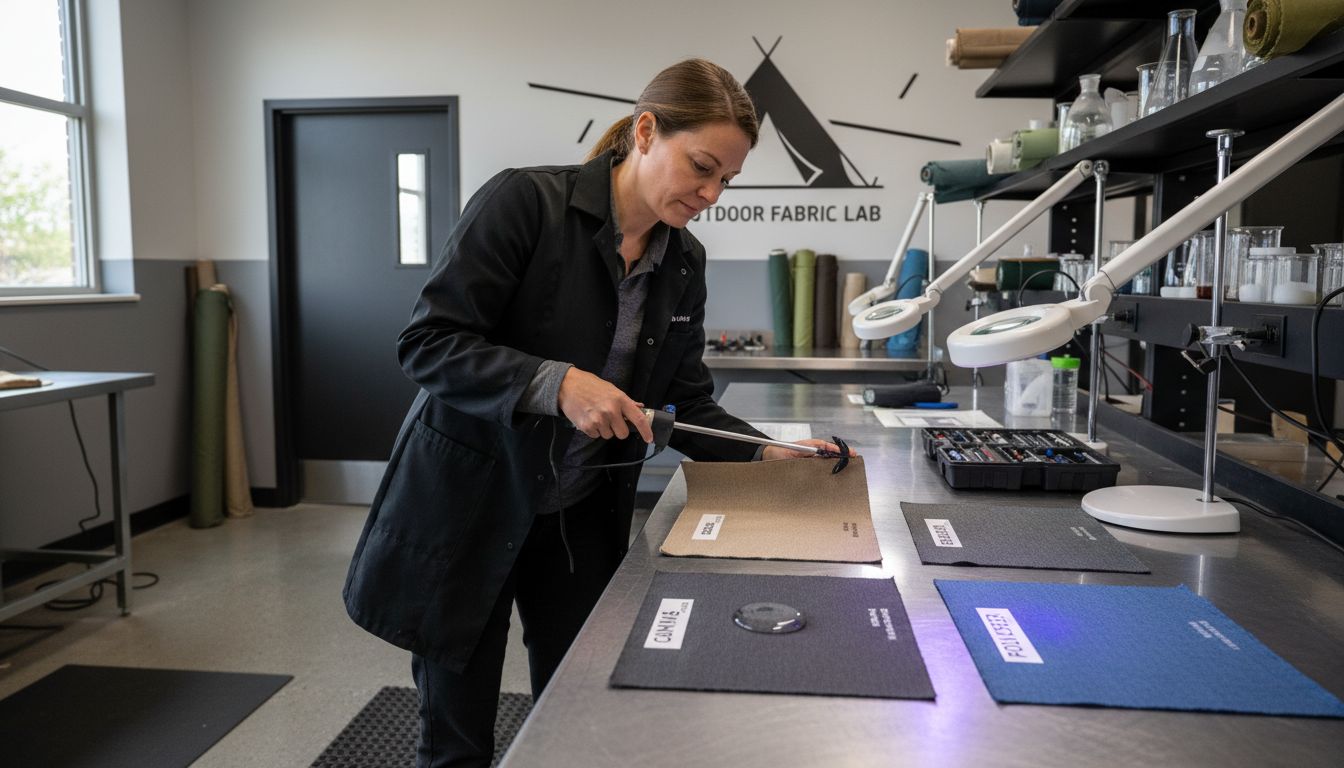
The durability of tent fabrics is typically measured through several key metrics, including tensile strength, tear resistance, and abrasion tolerance. Manufacturers evaluate these properties using specialized testing that simulates real-world camping conditions. Fabrics with higher denier ratings and reinforced weaving techniques, such as ripstop configurations, demonstrate superior resistance to punctures and structural degradation. This engineering approach ensures that tents can withstand rough terrain, accidental impacts, and repeated environmental exposure.
Key factors influencing durability and weather resistance include:
- Fabric Thickness: Directly correlates with structural strength
- Coating Quality: Determines water and UV resistance
- Weave Density: Impacts overall material resilience
- Fiber Composition: Influences performance under different environmental conditions
Understanding these technical aspects helps campers make informed decisions about tent fabric selection. Whether you’re preparing for a weekend camping trip or a multi-day wilderness expedition, choosing materials with robust durability and comprehensive weather protection ensures a reliable, comfortable outdoor shelter.
How Fabric Choice Impacts Tent Performance
Field Magazine reveals that tent fabric selection profoundly influences overall camping performance, with material choices directly impacting weight, durability, comfort, and environmental adaptability. The nuanced interplay between fabric characteristics determines how well a tent will perform across diverse camping scenarios, from lightweight backpacking expeditions to extended wilderness retreats.
Weight considerations emerge as a critical performance factor. Lightweight nylon and polyester fabrics enable backpackers to minimize pack weight, while heavier canvas materials provide superior durability for stationary campsites. Campouting emphasizes that fabric weight directly correlates with a tent’s portability, insulation properties, and resistance to environmental stressors. Ultralight backpackers typically prioritize minimal weight, whereas car campers can accommodate more robust, heavier fabric options.
Tent fabric performance extends beyond mere weight measurements. Breathability, moisture management, and temperature regulation represent crucial performance metrics that differentiate high-quality materials. Synthetic fabrics with advanced moisture-wicking treatments prevent internal condensation, while specialized coatings enhance wind resistance and UV protection. These technical innovations transform tent fabrics from simple protective barriers into sophisticated environmental shields.
Key performance indicators for tent fabrics include:
- Fabric Weight: Impacts portability and durability
- Coating Technology: Determines water and UV resistance
- Breathability Rating: Manages internal temperature and moisture
- Tensile Strength: Indicates structural integrity under stress
Ultimately, selecting the right tent fabric requires balancing multiple performance factors. Choosing the Right Tent for Your Camping Adventure guide suggests that understanding these nuanced fabric characteristics empowers campers to make informed decisions tailored to their specific outdoor needs and environmental challenges.
Common Mistakes and How to Avoid Them
Yichun Textile highlights that many campers unknowingly compromise their outdoor experience by making critical errors in tent fabric selection. Understanding these common pitfalls can transform your camping preparedness and ensure you choose materials that genuinely match your environmental challenges and personal camping style.
One of the most significant mistakes is neglecting UV resistance when selecting tent fabrics. Campers often prioritize weight and water resistance while overlooking the long-term degradation caused by prolonged sun exposure. Synthetic fabrics like polyester offer superior UV protection compared to nylon, with specialized coatings preventing material breakdown and color fading. This oversight can dramatically reduce a tent’s lifespan, leading to unexpected replacements and potential mid-trip equipment failures.
Another critical error involves mismatching fabric weight with intended camping conditions. Ultralight backpackers might mistakenly choose delicate fabrics for rugged terrain, while car campers could unnecessarily burden themselves with excessively heavy materials. The key is matching fabric characteristics precisely to your specific camping environment. Ripstop nylon works excellently for lightweight backpacking, whereas canvas or polyester-blend fabrics provide superior durability for stationary, extended camping scenarios.
Common tent fabric selection mistakes include:
- Ignoring UV Resistance: Leads to premature fabric degradation
- Overlooking Fabric Weight: Compromises portability and durability
- Neglecting Coating Quality: Reduces water and wind resistance
- Disregarding Environmental Specifics: Misaligns fabric with camping conditions
To avoid these pitfalls, Choosing the Right Tent for Your Camping Adventure recommends thoroughly researching your specific camping needs, understanding fabric technical specifications, and prioritizing adaptability over single-purpose performance.
Choose the Perfect Tent Fabric for Your Next Adventure
Understanding tent fabrics is key to solving common camping challenges like staying dry, managing weight, and protecting yourself from harsh weather. If you want to avoid mistakes like picking the wrong material or sacrificing durability for lightness you are not alone. Many campers struggle with balancing waterproofing, UV resistance, and structural strength. This article breaks down critical fabric types such as nylon, polyester, and ripstop to help you make the right call based on your camping style and environment.

Ready to take your camping experience to the next level? Visit Tent Explorer to explore practical reviews and expert advice on tent fabrics and gear. Discover how to select materials that suit your specific needs, maximize comfort, and withstand nature’s tests. Start making confident gear choices today and prepare for your next trip with insights from Choosing the Right Tent for Your Camping Adventure and Exploring Tent Materials guide. Equip yourself with knowledge and make your outdoor shelter as reliable as your adventure spirit.
Frequently Asked Questions
What types of materials are commonly used in camping tents?
Camping tents are primarily made from nylon, polyester, and specialized fabrics like ripstop and Cordura. Nylon is lightweight and quick-drying, while polyester offers superior UV resistance and color stability. Ripstop and Cordura materials provide enhanced durability for rugged conditions.
How does the weight of tent fabric affect camping performance?
The weight of tent fabric significantly impacts portability and durability. Lightweight materials, like nylon and polyester, are ideal for backpackers, as they reduce pack weight. Conversely, heavier fabrics, such as canvas, offer increased durability, making them suitable for stationary camping trips.
What factors should I consider when selecting tent fabric for different environments?
When choosing tent fabric, consider durability, weight, weather resistance, breathability, and UV protection. Select lightweight fabrics for backpacking in moderate climates and more robust materials for harsh conditions or extended stays in rugged terrain.
Why is UV resistance important in tent fabrics?
UV resistance is crucial because prolonged exposure to sunlight can degrade tent materials, leading to premature wear and loss of color. Fabrics like polyester provide better UV protection than nylon, helping to prolong the lifespan of your tent and maintain its structural integrity.