
This blog post may contain affiliate links. As an Amazon Associate I earn from qualifying purchases.
Over 40 million American households go camping each year, yet many overlook how important the role of tents in camping truly is for safety and comfort outdoors. Whether you are braving unpredictable rain in Yellowstone or seeking privacy at a crowded campground, the right tent is more than just shelter. Understanding what makes modern tents invaluable can help you stay dry, secure, and relaxed while exploring the wilderness.
Key Takeaways
| Point | Details |
|---|---|
| Importance of Tent Selection | Choosing the right tent enhances camping safety, comfort, and overall enjoyment by matching features to environmental conditions and group needs. |
| Tent Functions | Tents provide critical protections such as weather shielding, personal safety, privacy, and emergency shelter capabilities. |
| Common Setup Mistakes | Avoid errors like inappropriate terrain selection and inadequate tent peg installation to ensure a stable and safe camping experience. |
| Tent Features for Comfort | Look for tents with waterproof materials, ventilation systems, and organized gear storage to maximize comfort and usability outdoors. |

- Panoramic PVC Skylight + Optional Privacy Cover: A spacious PVC skylight stretches across one side of the roof, offering a clear view of the sky and surroundings, whether you’re watching passing clouds or stargazing at night. When privacy is needed, simply snap on the included interior curtain to create a calm, enclosed retreat in seconds.
- Durable 420D Oxford Fabric: Made from high-density 420D Oxford with PU3000mm waterproofing and UPF30+ protection, this inflatable tent shields you from rain, sun, and changing weather. Tough yet breathable for comfort in any season.
- Reinforced TPU Air Beams with Protective Cover: Built with durable TPU air beams for long-lasting support, this air tent offers enhanced stability without the hassle of traditional poles. Each beam is fully wrapped in tough Oxford fabric for added protection against wear and punctures. In case of damage, the zippered design allows for quick and easy replacement—ensuring your adventures never miss a beat.
- Hot Tent with Stove Jack: Designed for cold-weather camping, this tent features a built-in stove jack for safe use of a wood-burning stove. Stay warm and cook comfortably with proper ventilation and smoke control.
- All-Around Mesh for Ventilation & Comfort: Dual doors and mesh windows provide 360° airflow while keeping bugs out. High-density mesh allows fresh air and light in, creating a bright, breathable, and private interior for relaxing or sleeping.

- 60 Seconds Set Up: You can set up the instant camping tent in under 60 seconds, thanks to its pre-installed poles and seamless construction. The quick and easy installation makes it the ideal companion for beginner campers, allowing you and your family to enjoy more time with nature
- Water-resistant & Windproof: The tent is crafted from premium water-resistant fabric. The door zipper features a drainage channel at the bottom, complemented by a bathe tube design at the base. This effectively prevents rainwater accumulation and leakage while keeping insects out. Equipped with sturdy tent pegs and adjustable guy lines, this tent can withstand wind at 35 MPH. Note: The inner tent top uses mesh fabric and is not waterproof. It must be used with the outer tent during rainy weather
- Visibility & Ventilation: The tent for camping has mesh windows on all 4 sides, vents at the floor, and a mesh screen design at the ceiling, making the temperature inside the tent cooler in summer. Moreover, the windows and ceiling made of our mesh material let you experience the beautiful starry sky and the charming scenic nature on a quiet summer night
- Spacious Interior & Portable: The spacious tent measures 120 inches x 108 inches, large enough for 6 people by industry standards. The interior seamlessly fits a Queen air mattress. With a maximum height of 66 inches, the 6 person tent is spacious enough to easily stand upright, too. It is well-built using rock-solid carbon structural steel while weighing only 16.8 lbs, making it easy to carry for the smoothest camping trips
- High-quality Materials: The camping tent’s top-of-the-line SBS zippers bring a buttery smoother user experience; Its high-quality B3 mesh yarn with fine texture gives it that extra bump in longevity; The sturdy carbon frame with pads and protective sleeves on every extension warrants high durability and seamless stability. The power cord entrance enables equipment connection to an external power source, while mesh pockets inside facilitate easy storage

- Easy Setup & Portability: Instant tent features pre-attached poles for a faster, simpler installation. Simply extend, secure, and you’re set in 60 seconds, even solo. And dismantling is a breeze, fitting neatly into a compact carry bag for easy transportation and storage. Embark on your adventures easily and conveniently!
- Spacious 8-Person Tent: The cabin tent measures 12ft x 10ft and can easily accommodate 3 queen air mattresses! Standing height of 80 inches allows for free movement. Rope pullouts on tent sides offer extra hanging space for clothes. Mesh pockets keep personal items organized and accessible. Enjoy your outdoor adventures in comfort and style!
- Optimal Ventilation & Breathability: Instant tents for camping enjoy breathtaking views & fresh air with 5 mesh windows, a D-shaped door, & a mesh roof. High-density netting offers optimal ventilation. Premium zippers regulate airflow & temperature, ensuring a cozy, dry interior for a restful sleep. Remove the rainfly to immerse in nature’s splendor!
- Multifunctional Porch Tent: Enjoy a luxurious 70% more outdoor space than 8-person tents for camping! Step into a vast activity area to unwind and store gear. Plus, it serves as an excellent sunshade canopy, providing ample shade on hot days with good ventilation and unobstructed views. Elevate your outdoor experience!
- Unparalleled Wind Resistance: Our camping tents boast reinforced pole protectors for unbreakable durability. Three porch poles securely tethered with windproof ropes ensure stability. The rectangular roof design adds extra robustness, stability, and wind protection for your ultimate safety in any weather.

- [𝐔𝐋𝐓𝐑𝐀-𝐅𝐀𝐒𝐓 𝐒𝐄𝐓𝐔𝐏] Stop wasting time with complicated poles. Our instant camping tent features a pre-attached frame that allows for a complete setup or take-down in just 60 seconds. Whether you are a solo traveler or a family, this easy-up cabin tent ensures you spend more time enjoying the outdoors and less time struggling with assembly.
- [𝐀𝐃𝐕𝐀𝐍𝐂𝐄𝐃 𝐁𝐋𝐀𝐂𝐊𝐎𝐔𝐓 𝐃𝐄𝐒𝐈𝐆𝐍] Designed for late sleepers and privacy seekers, the specialized light-blocking fabric filters out most external light, allowing you to sleep comfortably past sunrise. This blackout design also helps regulate internal temperatures, keeping the tent cooler during hot summer days and providing a secluded retreat.
- [𝐄𝐗𝐂𝐄𝐋𝐋𝐄𝐍𝐓 𝐕𝐄𝐍𝐓𝐈𝐋𝐀𝐓𝐈𝐎𝐍 & 𝐒𝐏𝐀𝐂𝐈𝐎𝐔𝐒 𝐈𝐍𝐓𝐄𝐑𝐈𝐎𝐑] Enjoy the breeze without the bugs. This 4 person tent is equipped with 3 large zippered mesh windows and an overhead net window for 360-degree airflow. With an 8′ x 7′ floor and 59″ center height, it comfortably fits 4 people with gear.
- [𝐒𝐔𝐏𝐄𝐑𝐈𝐎𝐑 𝟒𝟎𝟎𝟎𝐦𝐦 𝐖𝐀𝐓𝐄𝐑-𝐑𝐄𝐒𝐈𝐒𝐓𝐀𝐍𝐓] Our 4 person tent features a high-grade 4000mm water-resistant coating and fully taped seams. Combined with a durable rainfly and alloy steel frame, it provides ultimate protection against heavy rain and winds, keeping you bone-dry in unpredictable weather.
- [𝐓𝐇𝐎𝐔𝐆𝐇𝐓𝐅𝐔𝐋 𝐃𝐄𝐓𝐀𝐈𝐋𝐒 & 𝐏𝐎𝐑𝐓𝐀𝐁𝐋𝐄 𝐃𝐄𝐒𝐈𝐆𝐍] Stay organized with internal storage bags for phones and keys, a built-in hook for fans or lights, and a convenient E-port for external power access. The tent folds down into a compact carry bag (7.48″ x 7.48″ x 36.22″), making it the perfect companion for camping, expeditions, and outdoor concerts.

- Set-up in 60s: The all-season instant tent features a pop-up X-frame pole structure with a removable rain cover. Integrated eave poles make it no tools or assembly are required and set up in just 60 seconds! Save valuable time on your outdoor camping trips, especially on rainy days
- Roomy and Comfy: Measuring 94 inches x 94 inches, this camping tent’s rugged boxy construction with four vertical walls creates an on-the-go dwelling with a spacious interior. It can for up to 4 people per industrial standard, and comfortably fit a queen-sized air mattress, providing plenty of room for a comfortable camping trip. 80 inches center height makes you walking upright inside the tent
- Wind and Water Protection: Equipped with waterproof rainfly and sturdy stakes, our tents feature sealed seams at doors and windows to ensure a dry and comfortable camping experience. The top-notch 300D bottom fabric is more wear-resistant than any regular tent. Advanced SBS zipper design warrants a smooth operation. Reliability is built into the design itself, providing a safe and secure shelter
- Easy to Carry: The packing length of this tent is 57.8 inches, which is 9.8 inches shorter than typical tents, providing you with the convenience of easier carrying and storage
- Breathable & Comfortable: Every side of this tent has three double-paned windows and rollable eaves. The high-quality B3 mesh fabric allows natural light and air, offering a great landscape of the outdoors. Even in scorching summer, stay cool and fresh – all at the same time
Last update on 2026-04-24 / Affiliate links / Images from Amazon Product Advertising API
What Makes Tents Essential for Camping
Tents represent far more than simple fabric shelters – they are critical survival tools that transform outdoor experiences. Portable shelters protecting humans from environmental elements have been fundamental to human exploration and recreation throughout history. Whether you’re embarking on a weekend mountain expedition or a casual forest retreat, understanding the essential role of tents can dramatically enhance your camping experience.
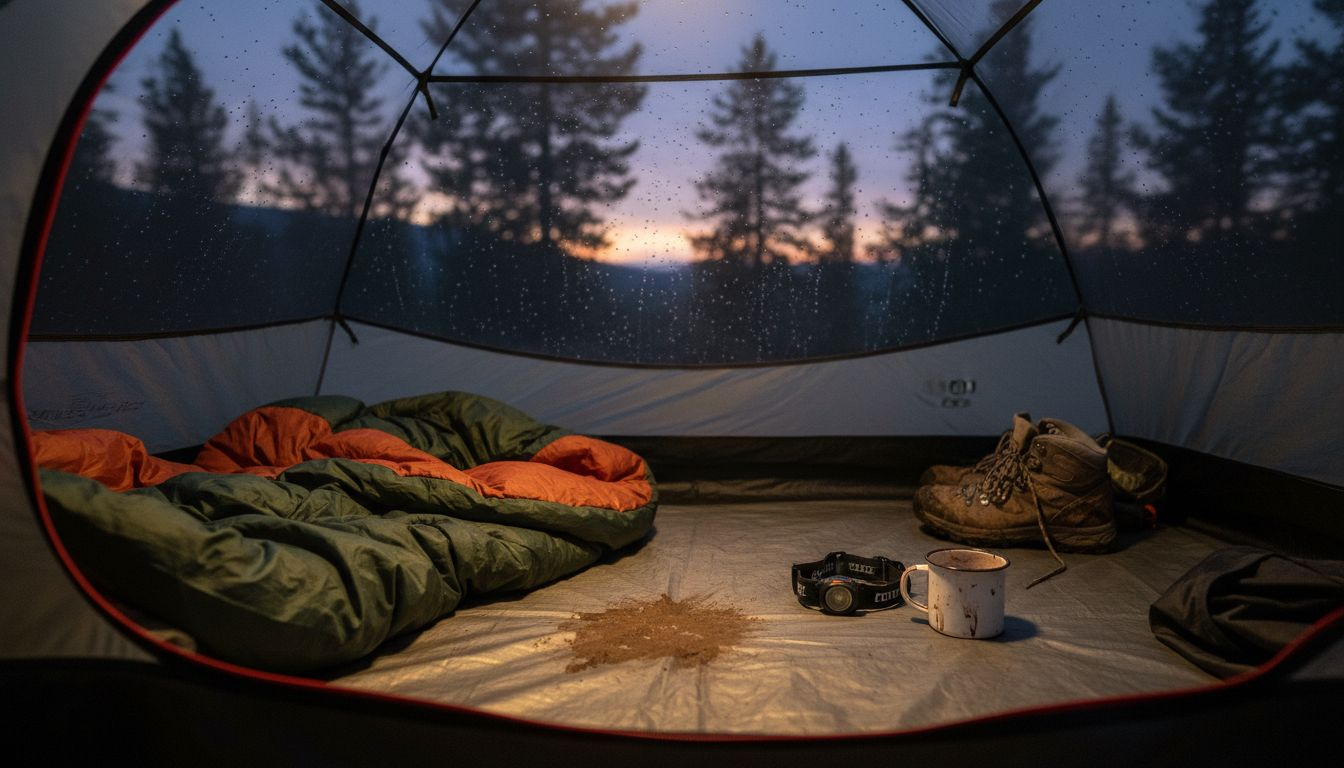
At their core, tents provide three fundamental protections: shelter from weather, safety from wildlife, and personal privacy in open landscapes. Modern tents are engineered with sophisticated materials designed to withstand wind, rain, and temperature fluctuations. They create a crucial barrier between campers and external environmental challenges, offering a secure space that shields occupants from potential hazards like sudden storms, insects, and cold temperatures.
Campsite Safety and Comfort are directly linked to tent selection and setup. Designated tent pads at many campgrounds help ensure a stable, level foundation for your shelter, which minimizes risks associated with uneven terrain. A well-chosen tent provides not just physical protection, but psychological comfort – creating a personal sanctuary that allows campers to relax and recharge after exploring wilderness environments.
Pro Tip for Tent Selection: Research tent specifications matching your specific camping environment, considering factors like expected weather conditions, group size, and terrain type before making your final purchase.
Key Tent Functions:
- Weather protection
- Personal safety barrier
- Portable living space
- Temperature regulation
- Privacy management
- Emergency shelter
Effective tent selection transforms camping from a potentially challenging experience into an enjoyable adventure. By understanding the multifaceted role of tents, campers can make informed decisions that enhance comfort, safety, and overall outdoor enjoyment.
Types of Tents for Different Camping Styles
Camping enthusiasts know that selecting the right tent is crucial for a successful outdoor adventure. Diverse tent designs offer specialized solutions for different camping styles and environments, ensuring comfort and functionality across various outdoor scenarios. Understanding the unique characteristics of each tent type can help campers make informed decisions that enhance their outdoor experiences.
The camping world offers several primary tent categories tailored to specific needs. Extended dome tents provide excellent versatility for general camping, offering generous headroom and stable design. Tunnel tents excel in family camping scenarios, delivering spacious interiors that accommodate multiple people comfortably. For minimalist backpackers and solo hikers, bivy sacks represent an ultralight alternative that prioritizes portability over spaciousness. Each design comes with distinct advantages that cater to different camping preferences and environmental conditions.
Tent Types and Their Ideal Uses:
- Dome Tents: Versatile, good for most camping environments
- Tunnel Tents: Excellent for family and group camping
- Backpacking Tents: Lightweight, compact design for hiking
- Bivy Sacks: Minimal protection for solo adventurers
- Cabin Tents: Maximum interior space for car camping
- Pop-up Tents: Quick setup for casual camping
The guide to choosing the right tent for your camping adventure emphasizes matching tent characteristics with your specific outdoor needs. Consider factors like group size, anticipated weather conditions, transportation method, and intended terrain when making your selection.
Here’s a comparison of common tent types and their best use cases:
| Tent Type | Portability | Best For | Notable Drawback |
|---|---|---|---|
| Dome | Easy to carry | All-around camping | Limited tall headroom |
| Tunnel | Moderately bulky | Family/group camping | Needs stable anchoring |
| Backpacking | Ultra lightweight | Backpacking, solo hiking | Tight sleeping quarters |
| Cabin | Bulky, car only | Car camping, large groups | Heavy, complex setup |
| Bivy Sack | Extremely light | Minimalist overnights | Very limited space |
| Pop-up | Very portable | Festivals, quick shelter | Poor storm performance |
Pro Tip for Tent Selection: Always test your tent setup at home before your trip to familiarize yourself with the assembly process and ensure all components are functional and undamaged.
Key Features That Enhance Tent Functionality
Modern camping tents are sophisticated pieces of outdoor equipment designed with multiple features to maximize comfort and performance. Tent pegs play a critical role in maintaining structural integrity and ensuring stability against environmental challenges, representing just one of many essential components that contribute to a tent’s overall functionality.

Advanced tent designs incorporate several key features that transform basic shelter into a comprehensive outdoor living space. Waterproof materials provide crucial protection against rain and moisture, while ventilation systems prevent internal condensation and regulate temperature. Modular design concepts have revolutionized tent functionality, allowing campers to adapt their shelter to changing environmental conditions and personal needs. Some modern tents include integrated features like built-in gear lofts, electrical cord access ports, and multiple entry points that significantly enhance user experience.
Essential Tent Functionality Features:
- Waterproof rain fly
- Breathable inner tent fabric
- Durable floor materials
- Multiple ventilation windows
- Gear storage compartments
- Reinforced stress points
- Easy setup mechanisms
The tent porch extension offers an excellent example of how additional features can expand a tent’s utility, providing extra living space and protection from the elements. Advanced engineering has transformed tents from simple fabric structures into sophisticated outdoor habitats that can withstand diverse environmental challenges.
Pro Tip for Tent Enhancement: Invest in quality accessories like footprint ground sheets and additional guy lines to improve your tent’s performance and longevity in challenging outdoor conditions.
The following table summarizes how key tent features address critical camping needs:
| Feature | Purpose | Benefit for Campers |
|---|---|---|
| Waterproof materials | Blocks rain and moisture | Dry interior in wet weather |
| Ventilation windows | Allows airflow | Reduces condensation, regulates heat |
| Gear compartments | Organizes equipment | Improved space and convenience |
| Reinforced stress points | Extra durability | Withstands strong winds, frequent use |
| Modular extensions | Adds living/storage space | Greater functionality and comfort |
How Tents Provide Shelter and Safety Outdoors
Outdoor survival depends heavily on effective shelter, and tents represent the most versatile portable protection system available to campers and adventurers. Wall tents with their sturdy canvas construction offer spacious and durable shelter suitable for extended outdoor stays, demonstrating how sophisticated tent design can transform challenging environmental conditions into manageable living spaces.
Tents serve multiple critical safety functions beyond basic weather protection. Physical barriers shield occupants from wind, rain, snow, and potentially dangerous wildlife encounters. Traditional tent designs like the Kohte demonstrate how shelter can provide additional survival capabilities, including internal heating and cooking options that enhance human comfort and safety in extreme conditions. Modern tent engineering incorporates advanced materials and structural designs that dramatically improve protection against environmental challenges.
Key Safety and Shelter Functions of Tents:
- Protection from extreme temperatures
- Barrier against insects and wildlife
- Wind and rain resistance
- Psychological security in unfamiliar environments
- Thermal insulation
- Emergency medical shelter
- Personal privacy in open landscapes
The tent camping safety tips highlight the importance of strategic tent placement and proper setup to maximize protection. Understanding how to position your tent, select appropriate ground, and secure it correctly can mean the difference between a comfortable outdoor experience and a potentially dangerous situation.
Pro Tip for Shelter Safety: Always conduct a thorough site assessment before pitching your tent, looking for potential hazards like dead branches overhead, uneven ground, or areas prone to water accumulation that could compromise your shelter’s integrity.
Common Tent Mistakes and How to Avoid Them
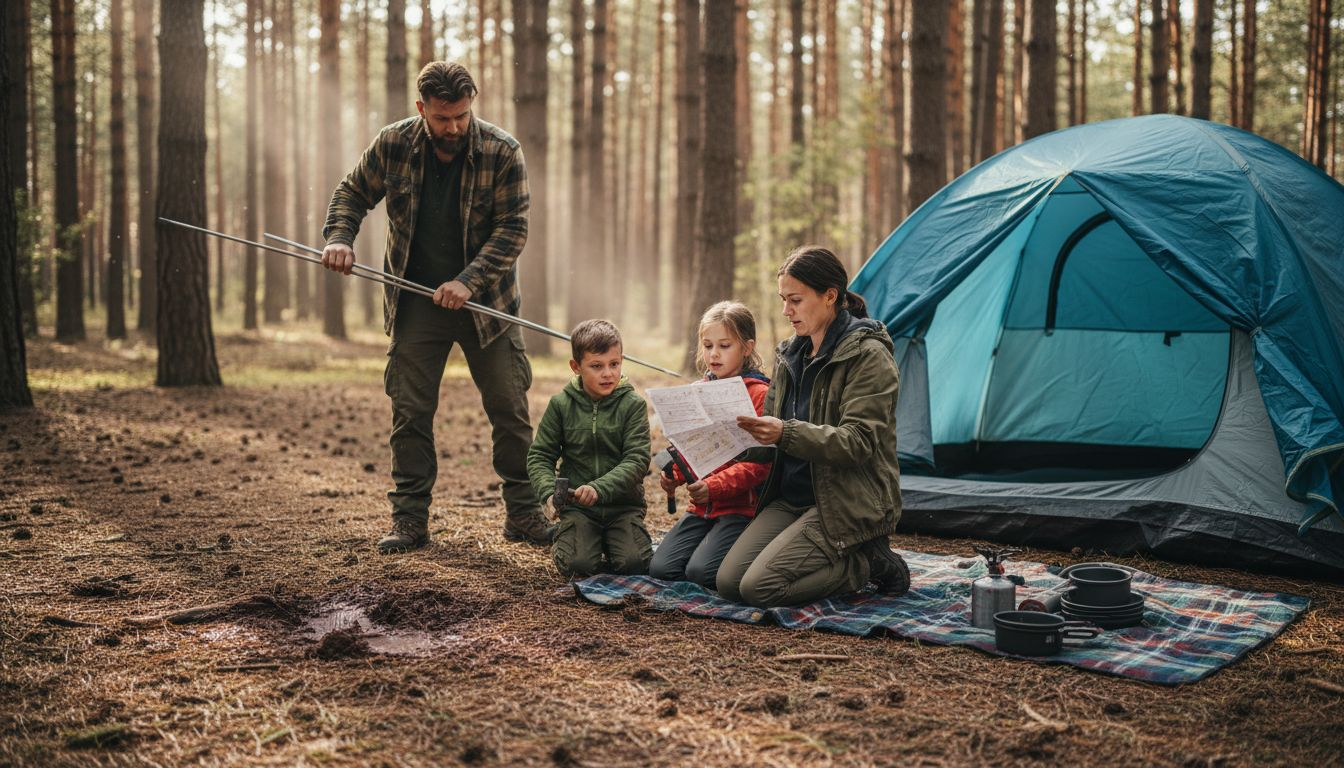
Camping enthusiasts often encounter frustrating situations that could have been easily prevented with proper preparation and knowledge. Improper use of tent pegs represents a critical mistake that can compromise tent stability and safety, potentially exposing campers to significant risks during outdoor adventures.
Common Tent Setup Errors frequently stem from rushed preparations and lack of understanding about fundamental camping principles. Inexperienced campers might choose incorrect tent locations, fail to secure guy lines properly, or neglect critical setup steps that ensure structural integrity. These mistakes can lead to uncomfortable sleeping conditions, potential equipment damage, and even dangerous scenarios during unexpected weather changes. Understanding and anticipating these potential pitfalls is crucial for a successful camping experience.
Top Tent Mistakes to Avoid:
- Selecting inappropriate campsite terrain
- Inadequate tent peg installation
- Ignoring ground surface preparation
- Overlooking weather forecast
- Failing to practice tent setup beforehand
- Neglecting proper tent ventilation
- Using incorrect tent size for group
The step by step tent setup tutorial provides comprehensive guidance for campers looking to improve their tent pitching skills. Mastering these techniques can transform potentially challenging outdoor experiences into smooth, enjoyable adventures.
Pro Tip for Tent Setup: Always perform a dry run of your tent setup at home before your camping trip, ensuring you understand all components and can efficiently assemble your shelter under various conditions.
Elevate Your Camping Comfort and Safety with Expert Tent Guidance

Choosing the right tent is crucial to overcoming common challenges like unpredictable weather, unsafe camp setups, and lack of privacy highlighted in this article. Whether you are curious about versatile dome tents or need tips on tent setup and maintenance, you want reliable shelter that keeps you safe and comfortable in the outdoors. Understanding key features such as waterproof materials and ventilation can transform your camping experience from uneasy to enjoyable.
Dive into our Outdoor Living – Tent Explorer to explore ideas that enhance your campsite comfort and create a personal sanctuary. Discover essential gear and setup insights in Tent Accessories – Tent Explorer to safeguard your shelter from the elements. For troubleshooting tips that prevent common camping mistakes, browse Tent Troubleshooting And Maintenance – Tent Explorer. Start your journey to better outdoor living today by visiting Tent Explorer and equip yourself with expert advice and community support for your next safe and relaxing adventure.
Frequently Asked Questions- The Role of Tents in Camping
What are the key benefits of using a tent while camping?
Tents provide essential weather protection, safety from wildlife, personal privacy, and a comfortable living space, allowing campers to enjoy their outdoor experience safely and comfortably.
How do I choose the right tent for my camping needs?
Consider factors like group size, expected weather conditions, terrain type, and whether you need portability or extra space. Research different tent designs to find one that matches your specific camping style.
What common mistakes should I avoid when setting up a tent?
Common mistakes include selecting inappropriate terrain, improper tent peg installation, inadequate ground surface preparation, and failing to practice tent setup at home. Make sure to familiarize yourself with your tent setup to ensure stability and comfort in the outdoors.
How do features like ventilation and waterproofing enhance tent performance?
Ventilation helps reduce condensation and regulate temperature inside the tent, while waterproof materials protect against rain and moisture, keeping the interior dry and comfortable during wet weather.