

This blog post may contain affiliate links. As an Amazon Associate I earn from qualifying purchases.
More than 90 million american families go camping each year, but too many see their gear wear out faster than expected. Proper maintenance not only extends the life of tents, sleeping bags, and cookware, it also protects your wallet in the long run. Understand the real reasons your equipment matters, and discover practical steps to keep everything in top shape for every adventure that calls.
Key Takeaways
| Point | Details |
|---|---|
| Importance of Maintenance | Proper gear maintenance is essential to extend the lifespan and reliability of camping equipment. Regular cleaning and inspection can prevent unexpected gear failures during outdoor trips. |
| Categories of Gear | Camping gear includes sleeping equipment, cooking tools, safety devices, and clothing, each requiring specific care techniques to ensure optimal performance. |
| Common Maintenance Mistakes | Campers often fail to clean and dry their gear properly or neglect minor repairs, which can lead to significant equipment degradation. |
| Long-Term Benefits | Effective maintenance offers financial savings, enhances safety, and ensures reliable performance, transforming purchases into long-lasting outdoor investments. |
Defining Camping Gear Maintenance and Purpose
Camping gear maintenance represents a critical practice for outdoor enthusiasts seeking to preserve their equipment’s performance, durability, and reliability. Proper gear maintenance involves systematic cleaning, inspection, repair, and storage strategies designed to protect your investment and ensure optimal functionality during outdoor adventures.
At its core, gear maintenance encompasses a comprehensive approach to caring for camping equipment. This includes everything from tents and sleeping bags to cookware and protective clothing. By implementing regular maintenance routines, campers can significantly extend their gear’s lifespan and prevent potential equipment failures that could compromise safety or comfort in wilderness environments. The goal is proactive care that addresses wear and potential damage before it becomes a critical issue.
The purpose of camping gear maintenance goes far beyond simple preservation. Systematic maintenance saves money by reducing replacement frequency, prevents unexpected equipment failures during trips, and maintains the performance integrity of critical outdoor gear. Proper storage and care techniques can help campers protect their equipment from environmental degradation, ensuring that each piece of gear remains reliable and functional for multiple camping seasons. Whether you are a weekend warrior or a seasoned backcountry explorer, understanding and implementing effective maintenance practices is essential for creating safe, enjoyable outdoor experiences.
Types of Camping Gear and Care Needs
Comprehensive camping gear checklists reveal the diverse range of equipment needed for successful outdoor adventures. Camping gear can be broadly categorized into several critical groups, each demanding unique maintenance strategies to ensure longevity and performance. Sleeping equipment, including tents, sleeping bags, and sleeping pads, represents one of the most important gear categories that requires meticulous care and attention.
The primary categories of camping gear typically include:
- Sleeping Gear: Tents, sleeping bags, hammocks, ground tarps
- Cooking Equipment: Portable stoves, cookware, utensils, coolers
- Safety and Navigation: First aid kits, maps, compasses, emergency communication devices
- Clothing and Personal Protection: Waterproof jackets, hiking boots, moisture-wicking layers
- Miscellaneous Gear: Headlamps, multi-tools, water filtration systems
Each gear category presents specific maintenance challenges and requirements. For instance, tents need careful cleaning and waterproofing, while cooking equipment demands thorough sanitization and rust prevention. Camping supply maintenance involves understanding the unique vulnerabilities of different materials and implementing targeted preservation techniques. Proper care not only extends the functional life of your equipment but also ensures reliable performance during critical outdoor moments, preventing potential safety issues and unexpected gear failures during wilderness expeditions.
Cleaning, Repair, and Storage Techniques
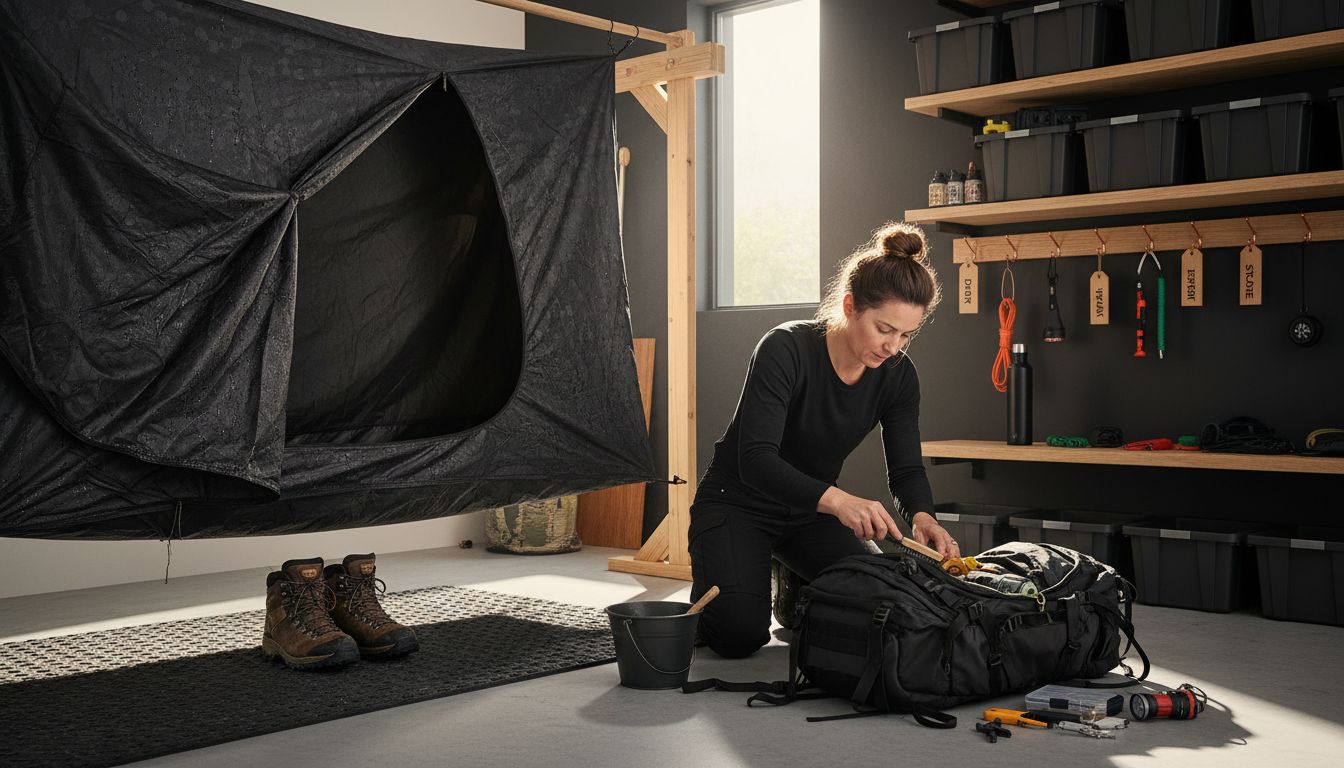
Proper camping gear maintenance requires a systematic approach that encompasses thorough cleaning, strategic repair, and intelligent storage techniques. Effectively maintaining camping equipment involves more than simple surface-level care—it demands a comprehensive understanding of how different materials respond to environmental stressors and use.
Cleaning and Maintenance Best Practices:
- Washing: Clean gear after each trip using appropriate cleaning agents
- Drying: Ensure complete air drying before storage to prevent mold and mildew
- Inspection: Regularly check for wear, tears, or potential damage
- Waterproofing: Reapply waterproof treatments to tents and outdoor clothing
Storage techniques play a critical role in preserving camping gear’s longevity. Proper storage means keeping equipment in cool, dry environments away from direct sunlight and extreme temperatures. Sleeping bags should be stored uncompressed in breathable bags, while tents need careful folding and protection from moisture. Cooking equipment requires thorough cleaning and complete drying to prevent rust and bacterial growth. By implementing these meticulous care strategies, campers can significantly extend their gear’s functional lifespan and ensure reliable performance during future outdoor adventures.

Common Mistakes and How to Avoid Them
Camping gear maintenance requires vigilance and proactive problem prevention. Many campers unknowingly compromise their equipment through simple oversights that can dramatically reduce gear performance and lifespan. Understanding these common pitfalls is the first step toward becoming a responsible and savvy outdoor enthusiast.
Top Mistakes Campers Typically Make:
- Improper Cleaning: Storing gear without thorough cleaning
- Incorrect Storage: Compressing sleeping bags or storing tents while damp
- Neglecting Repairs: Ignoring small tears or equipment damage
- Inadequate Drying: Packing away wet or partially dried equipment
- Extreme Temperature Exposure: Storing gear in attics, garages, or direct sunlight
Preventing gear degradation requires systematic attention to detail. Preventative maintenance involves regular inspection, immediate repair of minor damages, and understanding each piece of equipment’s specific care requirements. Campers should develop a post-trip routine that includes comprehensive cleaning, complete drying, careful inspection, and strategic storage. By avoiding these common mistakes, outdoor enthusiasts can significantly extend their gear’s functional lifespan and ensure reliable performance during future wilderness adventures.
Long-Term Benefits of Proper Maintenance
Consistent gear maintenance represents a strategic investment in outdoor adventure preparedness. Campers who prioritize equipment care unlock substantial long-term advantages that extend far beyond simple preservation, creating a sustainable approach to outdoor exploration that minimizes unexpected expenses and maximizes performance reliability.
Key Long-Term Benefits of Proper Maintenance:
- Cost Savings: Reduces need for frequent equipment replacements
- Performance Reliability: Ensures gear functions optimally during critical outdoor moments
- Safety Enhancement: Prevents equipment failures that could compromise wilderness experiences
- Environmental Responsibility: Reduces waste by extending gear’s functional lifespan
- Financial Efficiency: Transforms one-time purchases into long-lasting outdoor assets
Preventative maintenance transforms camping gear from disposable equipment into dependable companions. By investing minimal time and effort into regular cleaning, strategic storage, and prompt repairs, outdoor enthusiasts can create a robust gear collection that withstands multiple seasons of adventure. The cumulative benefits extend beyond monetary savings—well-maintained equipment provides peace of mind, consistent performance, and a more enjoyable connection with wilderness environments.
Keep Your Camping Gear Ready for Every Adventure
Camping gear maintenance can feel overwhelming when you want to focus on enjoying the great outdoors. This guide highlights the challenge of preventing wear, tackling proper cleaning, and smart storage to avoid costly replacements or unexpected failures. If you want to protect your investment and enjoy reliable gear that performs when it matters most, understanding practical care techniques is essential.
Discover expert tips and solutions in our Tent Troubleshooting And Maintenance – Tent Explorer section where you can find step-by-step guides on preserving your equipment.

Don’t wait until your gear lets you down in the wild. Visit Tent Explorer now to explore more about outdoor gear care and improve your camping experience. Start with our Outdoor Living – Tent Explorer articles to enhance your campsite setup and prolong your gear’s life with proven maintenance routines. Taking action today ensures your next trip is safe, comfortable, and worry-free.
Frequently Asked Questions
What are the essential steps for maintaining camping gear?
Essential steps for maintaining camping gear include thorough cleaning after each trip, complete drying to prevent mold, regular inspection for wear and damage, and reapplication of waterproof treatments as needed.
How can I properly store my camping equipment to ensure its longevity?
To ensure the longevity of your camping equipment, store it in a cool, dry place away from direct sunlight. Sleeping bags should be kept uncompressed in breathable bags, and tents should be folded carefully and protected from moisture.
What common mistakes should I avoid in camping gear maintenance?
Common mistakes include failing to clean gear before storage, compressing sleeping bags, neglecting minor repairs, packing away wet equipment, and storing gear in extreme temperatures.
Why is regular camping gear maintenance important?
Regular camping gear maintenance is important because it saves money by reducing replacement needs, ensures performance reliability during outdoor adventures, enhances safety by preventing equipment failures, and promotes environmental responsibility by extending the lifespan of your gear.