
This blog post may contain affiliate links. As an Amazon Associate I earn from qualifying purchases.
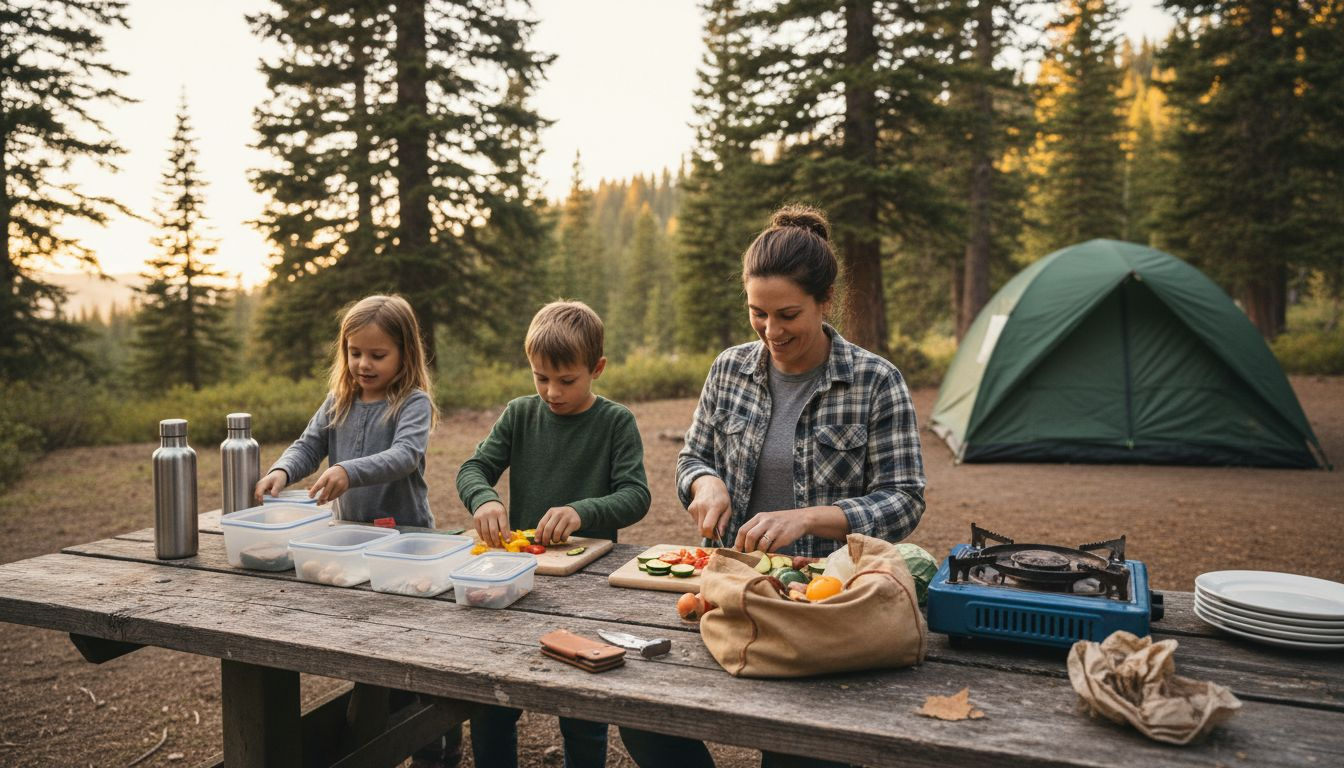
Every camper knows organizing a camping kitchen can make or break the adventure. A well-planned setup not only improves meal quality but also helps avoid common mishaps that affect more than fifty percent of outdoor enthusiasts. From choosing compact cookware to packing smarter, understanding your unique cooking needs transforms campsite dining into a highlight of your trip. Discover how proper camping meal prep leads to great meals and an easier experience in the wild.
Quick Summary
| Key Takeaway | Explanation |
|---|---|
| 1. Assess Your Cooking Needs | Determine group size, meal types, and cooking methods to choose suitable kitchen gear for your trip. |
| 2. Plan Balanced Meals and Snacks | Focus on lightweight, nutritious options that require minimal preparation and cooking equipment for energy during adventures. |
| 3. Prepare Ingredients in Advance | Organize and portion ingredients into airtight containers to streamline cooking and reduce hassles at the campsite. |
| 4. Ensure Food Safety and Storage | Keep perishable items at safe temperatures in a well-organized cooler and check food for spoilage before consumption. |
| 5. Cook Efficiently at the Campsite | Use multipurpose tools and one-pot meals to simplify cooking processes and minimize cleanup time. |
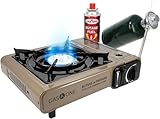
- Duel Fuel – Compatible With Both Butane (Fuel Not Included) And Propane Fuel (Fuel Not Included), Operates On A Single Butane Cartridge 8 Oz Or A Propane Cylinder 16.4 Oz , Propane Converter Regulator Included
- Automatic Piezo Electric Ignition – Piezo-Electric Ignition That Eliminates The Use For Lighter/Matches In Order To Ignite Flame, No Need For Lighters Or Matches With This Stove
- Easy To Use – Our Gs-3400P Is Easy To Use With Adjustable Heat Dial And Automatic Piezo-Electric Ignition
- Safety Features – Built In Pressure Sensor Cartridge Ejection System And Gas Flow Cut Off Mechanism (Butane), Will Eject Cartridge When Irregular Pressure Is Detected

- CAMPING COOKWARE SET: THTYBROS Camping Cookware Set includes: 1.70L(0.45gal) pot +1.15L(0.30gal) kettle + 7 inch frying pan, 2 x 200ml(0.05gal) stainless steel cups, 2 stainless steel plates, 2 sets of dinner cutleries (2 x forks, 2 x knives, 2 x spoons with 2 storage bags), 1 x bamboo spoon 1 x cleaning cloth 1 x cleaning ball 1 x carrying bag.
- FOOD-GRADE & HIGH QUALITY: Our camping cookware is made of high-quality hard anodized aluminum that meets the safety standards , guaranteeing your food’s safety and health. Non-toxic, lightweight, resistant to high temperatures, scratches, and corrosion, with high hardness, oxidation resistance, easy cleaning, fast heat conduction, and oil-saving features, this camping accessories set is reliable for outdoor use.
- USER-FRIENDLY DESIGN FOR CONVENIENCE – THTYBROS camping mess kit is surface-treated with wire drawing and oxidation to enhance its sturdiness and even heating. The silicone handle is heat-resistant and non-slip, designed ergonomically for a comfortable grip, ensuring your safety during use.
- SAFETY & EFFICIENT HEATING – Aluminum boasts better thermal conductivity than iron or titanium, allowing the camping pot heat up quickly and evenly. This not only reduces cooking time but also saves energy and fuel, making your outdoor cooking experience effortless and enjoyable. This camp cooking set is lightweight and durable, making it convenient for your camping trip while also guaranteeing excellent cooking results.
- All-in-1 Small Package- All piece nest great, and everything is stacked together and packed into a nylon mesh bag. Total weight is just 2.75lbs, and the package size measures 7.5×7.5×5 inches. You should definitely consider this set for both backpacking as well as traditional camping.
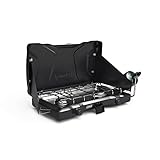
- PORTABLE: Easy addition to the campsite, picnic, roadside, and more
- TWO WIND GUARDS: Help shield and protect burners from wind
- HEAVY-DUTY LATCH: Easy to open and keeps the stove closed when not in use
- EASY TO CLEAN: Durable, chrome-plated grate is removable for easy cleanup
- IMPROVED KNOB ROTATION: For precise temperature and simmering control of two independently adjustable burners

- HIGHLY EFFICIENT – Our industry leading heat exchange technology minimizes wind impact and reduces boiling times by up to 30% compared to traditional backpacking stoves.
- COMPACT AND LIGHTWEIGHT – All accessories including stove, bowl and fuel canister fit into the 1 liter cook pot. THIS SET DOES NOT INCLUDE A FUEL CANISTER, but is compatible with most canisters EXCEPT the COLEMAN fuel canisters. This item weighs only 18 oz!
- INTEGRATED AND EASY TO USE SYSTEM – The 1 liter cooking pot and the stove are one integrated unit, the built in piezoelectric ignitor ignites the stove instantly.
- SAFE, STURDY AND DURABLE – The sturdy, hard anodized aluminum pot features a locking stainless steel handle for secure and safe handling, this combined with the insulating neoprene cover on the pot will ensure years of safe outdoor cooking pleasure.
- Please use a windscreen when using the stove for better performance in windy conditions.

- Package includes 5pcs telescoping marshmallow roasting sticks for your next campfire. The fork is made of stainless steel, and the handle is wood, making it food-grade, rust-proof, heat-resistant, and corrosion-resistant.
- UNCO campfire grill sticks can be stretched up to 32 inches, making it easy to keep you and your child away from the fire. Plus, their 360-degree rotating feature helps create the perfect s’mores, sausages, hot dogs – whatever your heart desires!
- Our stainless steel BBQ forks are reusable and have zero waste. The forks are easy to clean, with just a little warm water and soap needed to remove any residue.
- Our marshmallow sticks feature non-sharp, blunt tips that prevent kids from injuring themselves and others. Multi-colored wooden handles make identification easy when kids join in the fun.
- marshmallow roasting sticks are perfect for light foods like marshmallows, fish balls, sausages, tomatoes, onions, and vegetables. The fork’s tip is flat and not easy to stab into food.
Last update on 2026-05-24 / Affiliate links / Images from Amazon Product Advertising API
Step 1: Assess your camping kitchen needs
Preparing a strategic camping kitchen setup begins with understanding your specific outdoor cooking requirements. Successful meal preparation relies on selecting the right equipment that matches your trip duration, group size, and cooking style. Packing kitchen essentials effectively starts with a systematic evaluation of your culinary needs and available gear.
Start by considering several critical factors: How many people are you cooking for? What types of meals will you prepare? Will you have access to fire pits or will you need a portable stove? Your answers will guide equipment selection. For tent campers planning multi-day trips, prioritize lightweight, compact cooking tools that offer maximum functionality. Consider a compact camping stove, nesting cookware set, durable utensils, and multipurpose tools that minimize weight while maximizing cooking capabilities.
Your camping kitchen inventory should include versatile items that serve multiple purposes. Collapsible water containers, quick-dry towels, and nesting cookware can help streamline your packing strategy. Remember that smart organization means fewer items to carry and easier campsite meal preparation.
Pro Tip: Create a lightweight kitchen checklist before your trip and do a test pack at home to ensure everything fits efficiently and meets your cooking needs.
Here’s a summary of essential camping kitchen items and their main benefits:
| Item Type | Example Items | Key Benefit |
|---|---|---|
| Cooking Equipment | Compact stove, skillet | Enables efficient hot meals |
| Cookware & Storage | Nesting pots, containers | Saves space, easy transport |
| Food Prep Tools | Multipurpose knife, cutting board | Simplifies ingredient prep |
| Cleaning Supplies | Quick-dry towel, dish soap | Maintains hygiene easily |
Step 2: Plan balanced camp meals and snacks
Crafting nutritious and satisfying meals is crucial for maintaining energy during outdoor adventures. Your meal planning strategy should focus on creating balanced, lightweight options that provide essential nutrients while being easy to prepare in a campsite environment. Outdoor cooking techniques require thoughtful ingredient selection and smart preparation methods.
Start by selecting proteins, complex carbohydrates, and lightweight ingredients that offer maximum nutritional value. Consider portable protein sources like canned tuna, jerky, nuts, and lightweight protein powders. Whole grain options such as instant oatmeal, quinoa, and quick cooking rice provide sustained energy. Pack dried fruits, trail mix, and energy bars for quick snacks that deliver crucial calories and nutrients without adding significant weight to your pack.
When planning meals, think about preparation time, cooking equipment requirements, and ingredient durability. Aim for meals that can be prepared quickly using minimal cookware and ingredients that won’t spoil easily. Consider one pot meals that minimize cleanup and maximize efficiency. Prepping ingredients at home by portioning and packaging them in resealable bags can streamline your campsite cooking process and reduce waste.
Pro Tip: Create a detailed meal plan spreadsheet before your trip that outlines each meal and snack, ensuring you pack exactly what you need without unnecessary excess.
Step 3: Prep ingredients for easy packing
Prepping ingredients before your camping trip transforms your outdoor cooking experience from stressful to seamless. Strategic preparation means less work at the campsite and more time enjoying nature. Meal preparation techniques can significantly simplify your camping culinary strategy by reducing complexity and minimizing required equipment.
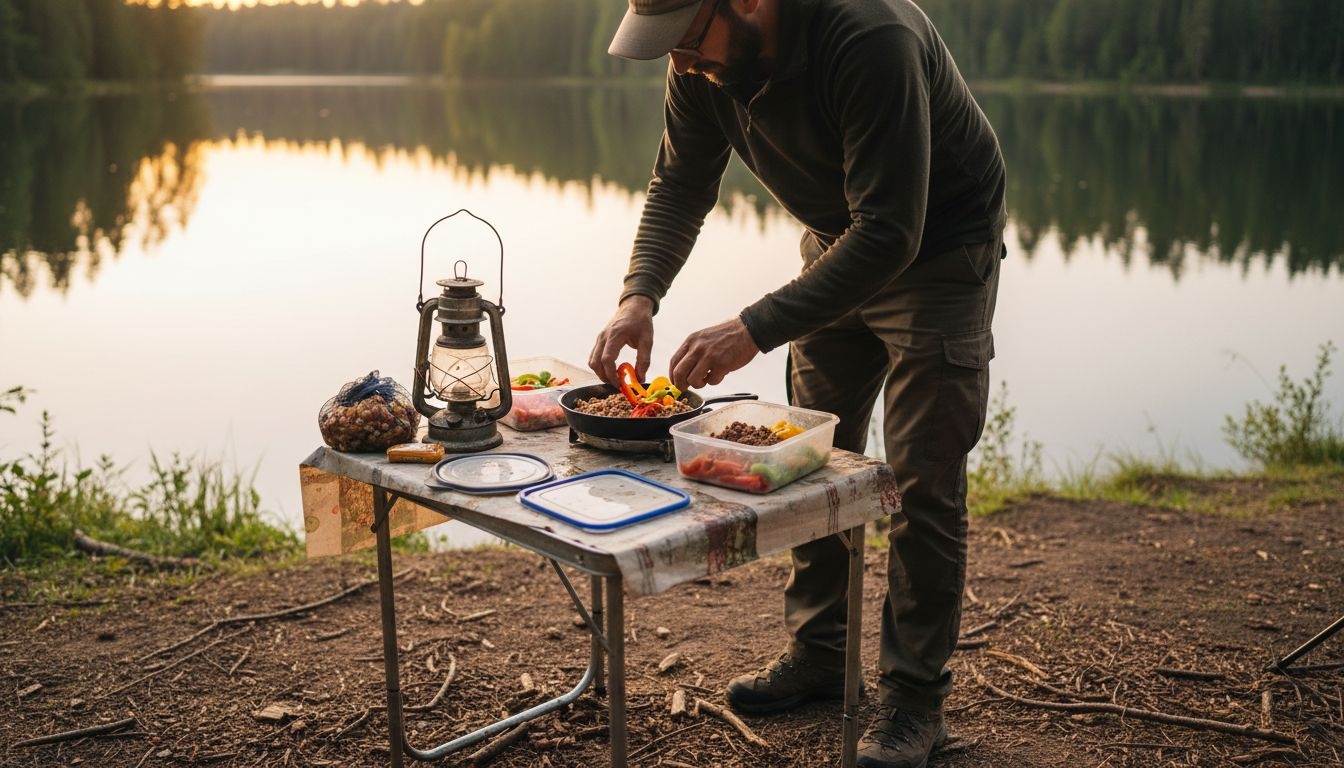
Start by organizing ingredients into portioned, lightweight containers or resealable bags. Pre chop vegetables at home and store them in sealed containers or vacuum sealed bags to maintain freshness. Consider preparing make ahead meals like egg muffins or overnight oats that can be easily transported and quickly assembled. Proteins like chicken or fish can be marinated and stored in leak proof containers or double bagged to prevent cross contamination. Focus on ingredients that are compact lightweight and can withstand temperature variations without spoiling.
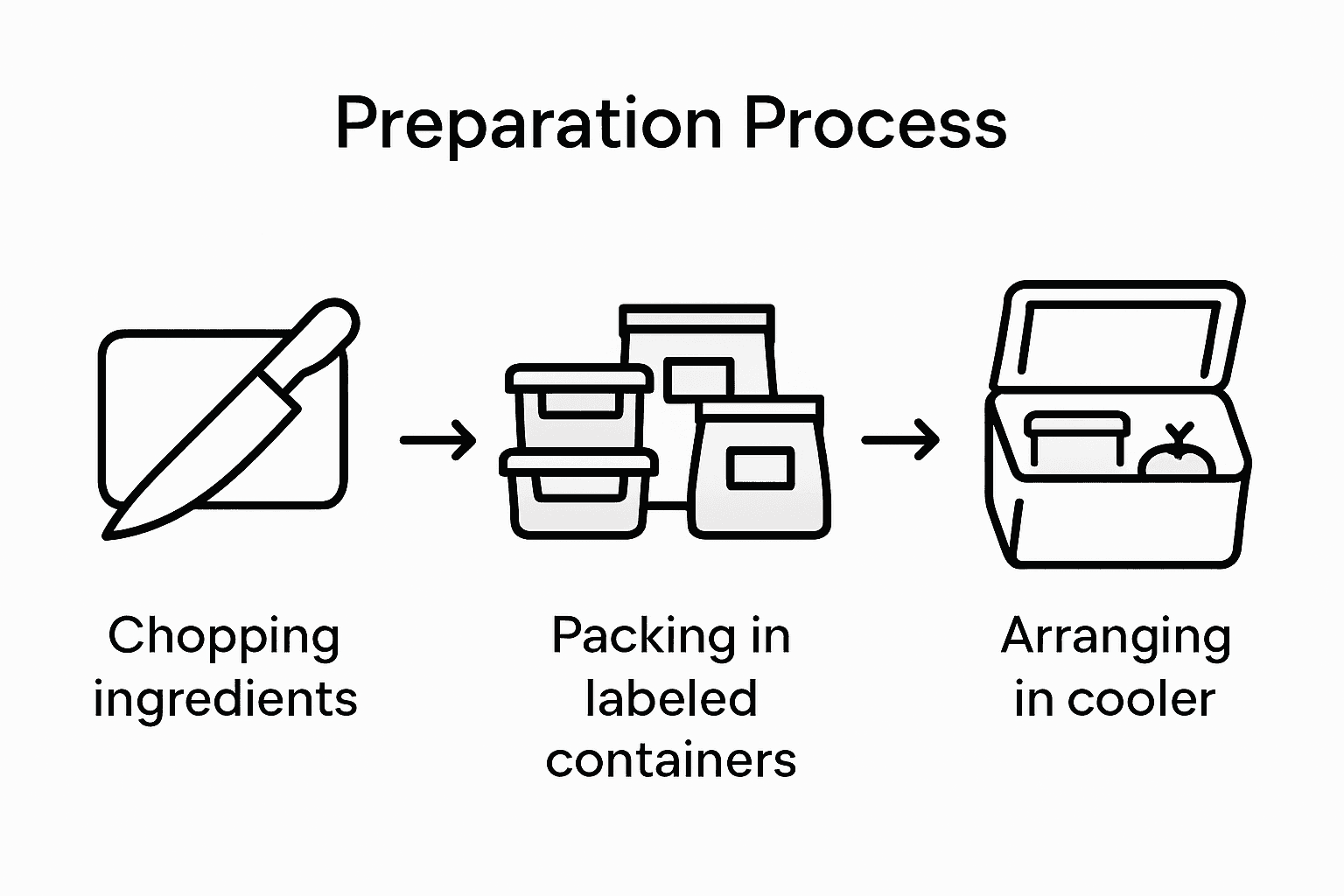
Utilize smart packing strategies to maximize space and minimize potential food safety risks. Group similar ingredients together using clear labeled bags or containers. Freeze certain items like meats or prepared meals beforehand to serve as additional cooling elements in your cooler. Pack ingredients in reverse order of when youll use them so the first meals items are easily accessible. Consider using multipurpose ingredients that can be used across different meals to reduce overall packing volume.
Pro Tip: Invest in lightweight stackable food storage containers with tight sealing lids to streamline your ingredient organization and prevent potential spills during transport.
Step 4: Pack and store meals for freshness
Maintaining food safety and quality is critical during camping trips where refrigeration and traditional storage methods are limited. Proper camp kitchen storage techniques can help preserve your meals and prevent potential foodborne illnesses while ensuring your ingredients remain fresh and appetizing.
Invest in a high quality cooler with excellent insulation and pack it strategically to maximize cooling efficiency. Use frozen water bottles or reusable ice packs instead of loose ice to keep food temperatures consistent. Separate raw proteins from ready to eat foods using sealed containers or resealable bags to prevent cross contamination. Pack perishable items in reverse order of use so that items needed later remain at the bottom of the cooler where temperatures are most stable. Consider using waterproof and airtight containers that can withstand temperature variations and potential rough handling during transportation.
Organize your cooler like a temperature controlled puzzle. Place frozen items at the bottom to create a cold base layer. Pack more delicate ingredients in the middle and use additional insulated bags or wraps for extra protection. Keep a digital thermometer inside your cooler to monitor internal temperatures and ensure your food remains in the safe zone. Consider using dry ice or gel ice packs for extended trips that require longer preservation of frozen items.
Pro Tip: Freeze meat and other perishable items before packing to serve as additional cooling elements and extend overall food preservation time during your camping adventure.
Step 5: Cook efficiently at the campsite
Campsite cooking requires strategic planning and smart equipment selection to transform meal preparation from challenging to enjoyable. Efficient camp kitchen organization can dramatically streamline your outdoor cooking experience by reducing complexity and minimizing required equipment.
Prioritize multipurpose cooking tools that save space and provide maximum functionality. Choose a compact camping stove with adjustable flame control and lightweight cookware that nests together. Bring versatile utensils like sporks or multitools that can handle multiple cooking tasks. Organize your cooking area before starting preparation by creating designated zones for cutting ingredients, cooking, and clean up. Prepare ingredients at home beforehand to reduce onsite prep time and minimize the number of utensils and cutting surfaces you need to bring.
Master one pot meal techniques to simplify cooking and cleanup. Select recipes that require minimal ingredients and can be prepared in a single pot or skillet. Bring premeasured spices in small containers or resealable bags to reduce bulk and ensure you have exactly what you need. Use aluminum foil for creating makeshift cooking surfaces or wrapping ingredients for direct campfire cooking. Time your cooking process carefully considering available light and fuel resources to ensure smooth meal preparation.
Pro Tip: Pack a lightweight cutting board and a sharp multipurpose knife that can handle various food preparation tasks while taking up minimal space in your camping kitchen kit.
Step 6: Check meal quality and safety
Maintaining food safety during camping requires vigilant monitoring and smart handling practices to prevent potential foodborne illnesses. Healthy eating strategies are critical for ensuring your outdoor meals remain both delicious and safe for consumption.
Before consuming any prepared food, perform a comprehensive sensory and temperature check. Inspect ingredients for unusual colors, textures, or odors that might indicate spoilage. Use a food thermometer to verify that cooked proteins reach safe internal temperatures. For meats, ensure chicken reaches 165 degrees Fahrenheit, ground beef hits 160 degrees, and fish cooks to 145 degrees. Watch for signs of bacterial growth such as sliminess, off smells, or discoloration especially in proteins and dairy products that have been exposed to variable temperatures.
Establish a systematic approach to food storage and handling throughout your camping trip. Keep raw and cooked foods completely separated to prevent cross contamination. Store perishable items in sealed containers and maintain consistent cooler temperatures below 40 degrees Fahrenheit. Wash hands thoroughly with biodegradable soap or hand sanitizer before and after food preparation. Discard any food that has been left unrefrigerated for more than two hours or shows any signs of potential spoilage.
Pro Tip: Pack a digital food thermometer and a small cutting board with separate areas for raw and cooked foods to streamline safe food preparation during your camping adventure.
Use this quick reference for safe camp food temperatures and storage times:
| Food Type | Safe Internal Temp (°F) | Max Time Unrefrigerated |
|---|---|---|
| Chicken | 165 | 2 hours |
| Ground Beef | 160 | 2 hours |
| Fish | 145 | 2 hours |
| Dairy Products | Keep below 40 | 2 hours |
| Cooked Leftovers | Reheat to 165 | 2 hours |
Master Camping Meal Prep with Expert Tips from Tent Explorer
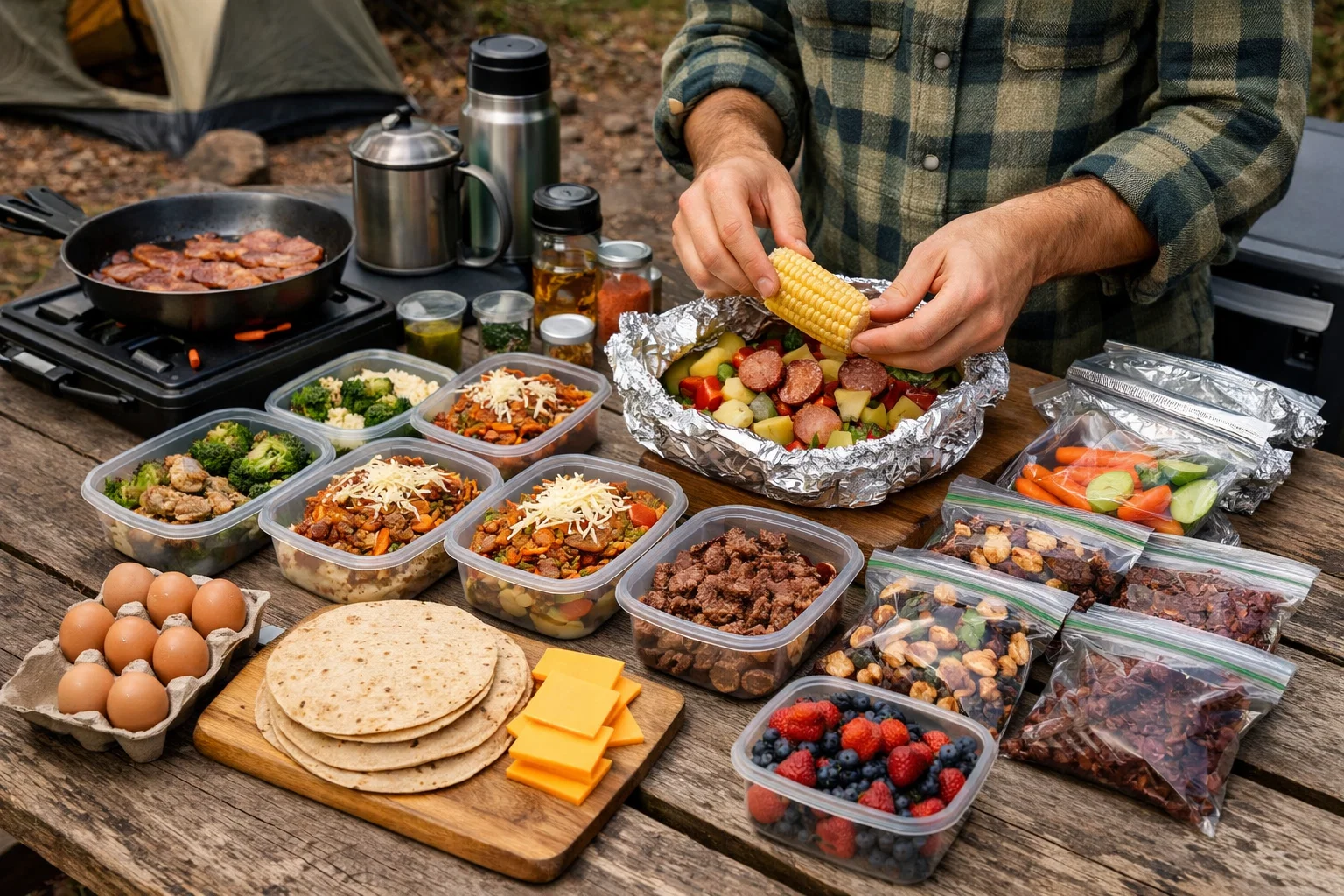
Cooking fresh and safe meals at your campsite can feel overwhelming. The challenge lies in balancing meal freshness, food safety, and efficient packing while adapting to the outdoor environment. This guide reveals essential concepts like strategic ingredient prep, efficient cooking setups, and proper storage techniques that every camper needs to know. If you want to enjoy stress-free and delicious camp meals on your next trip, understanding these core steps is crucial.
Discover how to enhance your camping kitchen experience by exploring our Outdoor Living – Tent Explorer resources. From smart campsite setups to practical meal tips, now is the perfect time to transform your outdoor cooking routine. Visit Tent Explorer and dive into more expert advice in our Tent Tips – Tent Explorer section. Start planning your next fresh camp meal today and feel confident every step of the way.
Frequently Asked Questions
How do I assess my camping kitchen needs for meal prep?
Start by evaluating your group size, trip duration, and the types of meals you want to prepare. List essential items like cooking equipment, cookware, and food prep tools to ensure you pack everything you need efficiently.
What should I include in my camping meal plan for balanced nutrition?
Plan meals that feature proteins, complex carbohydrates, and lightweight snacks for energy. Focus on easy-to-prepare options like canned proteins, whole grains, and trail mix to keep meals nutritious and satisfying while minimizing weight.
How can I prep ingredients for easy packing on my camping trip?
Organize ingredients into portioned, lightweight containers or resealable bags before your trip. Pre-chop vegetables and marinate proteins at home to maintain freshness and reduce prep time at the campsite.
What are some tips for packing and storing meals to keep them fresh?
Use a high-quality cooler with frozen water bottles or reusable ice packs to ensure food safety. Pack perishable items strategically, keeping raw proteins separate from ready-to-eat foods to prevent cross contamination.
How can I ensure safe cooking and food handling while camping?
Always check food temperatures with a thermometer and inspect for signs of spoilage before eating. Maintain a clean preparation area, wash hands before handling food, and store perishables below 40 degrees Fahrenheit to prevent foodborne illnesses.
What is a simple way to organize my campsite cooking area?
Create designated zones for preparation, cooking, and cleanup to streamline the cooking process. Prioritize using multipurpose tools and adapt one pot meal techniques to simplify both cooking and cleanup at the campsite.