

This blog post may contain affiliate links. As an Amazon Associate I earn from qualifying purchases.
Over half of American campers report that forgetting essential gear is their number one cause of stress before a trip. The right equipment can mean the difference between a memorable adventure and a weekend of frustration. With so many choices and details to consider, packing for your next camping escape becomes much easier when you know what to bring, how to organize it, and the smartest way to pack it for comfort and safety. This is your ultimate guide on how to pack camping gear.
Quick Summary- How to Pack Camping Gear
| Key Insight | Explanation |
|---|---|
| 1. Assemble Comprehensive Gear | Create a detailed checklist of essential camping equipment like shelter, cooking tools, and safety supplies for a successful trip. |
| 2. Organize by Priority | Pack heavy items close to your back, lighter gear at the bottom, ensuring easy access to frequently used items. |
| 3. Choose Effective Containers | Select multi-compartment backpacks and waterproof bags to keep gear organized and accessible throughout your camping adventure. |
| 4. Pack for Quick Access | Strategically place essential items in easily reachable pockets to streamline your camping setup and daily needs. |
| 5. Secure and Double-Check Gear | Perform a thorough inspection and secure all items to prevent movement and ensure everything is ready before departure. |

- ESSENTIALS FOR EMERGENCY: Everything you need is in this first aid kit! Our kit includes over 150 professional-grade medical and safety supplies, all kinds of bandages, gloves, povidone-lodine prep pad, metal tweezers, tourniquet, etc. 100% latex free
- PORTABLE DESIGN: 6.4″ x 4.9″ x 2.7″ compact size, 0.73 lbs lightweight, features a compact, travel-friendly design, Premium zippers and bonus carabiners increase convenience for outdoor activities. This small emergency kit can also be easily hung on your backpack
- SMART AREA CLASSIFICATION DESIGN: We’ve separated the whole emergency bag into small independent compartments, which is clear and concise, with each inner sleeve categorized for easy access, so that you can find the first aid item you need in case of emergency situation. The organized first-aid kit helps to ensure that your wounds are treated as soon as possible
- QUALITY AND DURABILITY: The surface is made of premium waterproof EVA material, and the hardness of the case has been enhanced to make it tougher and durable. The PU surface is smooth, waterproof, and easy to clean with Waterproof Laminate Bags You Protect Your Supplies (Do not soak)
- ALWAYS READY FOR ANY EMERGENCY: With its comprehensive variety of medical supplies, this first aid kit is a great ideal for families, offices, camping, hiking, boating, cars, sports, travel, road trips, the workplace, school. This mini medical kit is the ideal choice for anyone who wants to be prepared for any situation, whether it’s at home or outside

- 【 Portable Camping Water Jug 】 This collapsible water container is lightweight, foldable, and easy to store — perfect as a camping water container. Ideal for travel, outdoor activities, and emergency storage.
- 【 Perfect 2-Gallon Capacity 】At 2.1 gallons ( 8 Liter ), it’s not too small and not too big — easy for anyone to carry and refill, convenient to handle during camping or travel.
- 【 Easy to Use 】Separated inlet & outlet design makes refilling simple and improve water flow by balancing air pressure. Works great as a 2 gallon water jug with spout for smooth pouring and control.
- 【 Clean & Odorless Design 】Crafted from durable, odor-resistant material to help keep your stored water fresh. Designed for camping trips, outdoor adventures, and emergency backup water storage.
- 【 Leakproof & Durable Construction 】 Built with reinforced seams and upgraded sealing tech to prevent leaks. A sturdy alternative to traditional 2 gallon container, or water gallon jug options.

- [Preparedness for the Unknown]: While no one can predict when or how severe a disaster or accident will be, our 262pcs survival kit ensures your family’s safety during the critical first 72 hours. Designed for family use, it was developed in collaboration with first responders, doctors, special forces operators, mountain guides. Whether you’re preparing for earthquakes, tornadoes, wildfires, or hurricanes, our survival kit provides peace of mind
- [Comprehensive First Aid Kit]: The included first aid supplies are stored in a bright red pouch, containing tweezers, scissors and pins, non-woven pad, triangular bandage, tournquet, cotton swabs, cotton balls, a generous supply of bandages etc, meeting all your medical and emergency needs. It also includes medical emergency card to record your basic information, helping first responders quickly identify and treat you if you’re incapacitated
- [Safety Companion for Journey]: Our emergency kit includes many survival gear and supplies to ensure access to food, water, warmth, and light in a crisis. The fishing kit and multi-usage spoon help you catch and prepare food, while the collapsible water container bag helps store water. Fire starter and stick make it easy to build a fire. A flashlight,camping lamp, and glow sticks provide up to 72 hours of lighting, crucial for signaling for help and safe navigation
- [Essential Survival Gear]: Additionally, this survival kit includes a detachable multifunctional axe with hammer and a 2-in-1 shovel with pick, made of sturdy cabon steel. Combined with wire saw, emergency tent and blanket, rope, and compass, you can quickly set up an emergency shelter while maintaining your body temperature. Unlike others mini axes, our axe and shovel are 17 inches long, providing effective protection in the wild against animals or in other emergencies
- [Convenient Packaging]: The survival gear and supplies are packed in a crossbody bag, making it easy to carry and access in emergencies. The bag features multiple compartments and molle compatible straps and D-rings, allowing you to attach extra pouches or survival tools. The crossbody strap is also detachable, making it easy to connect to a tactical survival backpack using carabiners or the molle system

- 【Extra Wide & 3″ Thick Sleep Support】 The self inflating pad for camping is up to 78*27*8 inches, after inflating keeps you away from the uneven ground and hard rocks. The innovative egg-shaped air cells and built-in pillow are designed to relieve back and neck pressure, allowing you to freely adjust your body balance and comfort, whether on your back or your side, ensuring maximum comfort and warm for your sleep all night!
- 【30s Inflate & 1s Deflate】Save time and effort! The built-in pump takes 30-60 seconds to fully inflate the camping mat. No longer needs to be inflated by mouth or pump. Deflate in one second. The upgraded valve has two layers. No more air leaks!
- 【Ultralight & Easy to Carry】 The ultra-light self inflatable sleeping pad is weighed and sized only like a water bottle. Inbuilt pillow saves you the trouble of carrying an extra one. This air mattress can easily fit in your backpack, perfect for hiking, camping, backpacking, traveling, climbing, hiking and other outdoor activities.
- 【40D Nylon & TPU】 This camping sleeping pad is made of 40D nylon and TPU. It’s resistant, hard-wearing, and easy to clean. The ergonomic design allows you to sleep comfortably even in rough outdoor environments. Our inflatable camping mattresses have been quality-inspected, so use them with confidence
- 【Get One More for Twin Bed】 Our camping pads are equipped with buttons on the side, you can easily connect another one to create a double bed, making a wider space for more comfort sleeping. Perfect for you to go camping with your families and friends. Also, it comes in different colors on each side, more fashionable than others.

- 【24000mAh Super Large Battery】FRIZCOL Portable Rechargeable Fan with unique advanced cell technology. It is equipped with 24000mAh rechargeable batteries for 11-60 hrs super-long endurance. You can also use it for your phone, tablet, or laptop in an emergency.
- 【4 Speeds Powerful & Energy-efficient】This camping fan features a premium motor and ultra-thin fan blade to improve wind power while minimizing noise (<30 dB). It has a faster speed (3950 r/min) and stronger wind (5.2 m/s), which provide you with super airflow and keep the air circulation in the tent, and will not disturb your sleep or do anything.
- 【Adjustability / Versatility & Customize Comfort】3 timers give you the option to turn off the battery fan during a break; 2 levels of LED light give your eyes care in the darkness; Easy remote control when you have a distance to the fan; Vertically adjustable fan head to choose the optimal cool breeze you want; Hidden hook at the bottom for easy hanging from the top.
- 【Super Reliable & Stable】The outdoor fan is made from ABS material with sturdy and anti-drop design, you can take it anywhere you want to go on your adventures. The fan also equipped with non-slip pads on the bottom, which makes it more stable on the desktop.
- 【Embrace Outdoor Comfort】 Stay cool and serene while conserving energy. Whether hiking, fishing, picnics, beaches, or hot sporting events, our multi-functional outdoor fan is the great camping essential accessory for a refreshing and comfortable experience in nature.
Last update on 2026-05-22 / Affiliate links / Images from Amazon Product Advertising API
Step 1: Gather Essential Camping Gear
Preparing for your camping adventure begins with assembling the right gear. Your equipment can make or break the entire outdoor experience, so thoughtful selection is crucial. The National Park Service recommends a comprehensive approach to camping preparation that covers multiple essential categories of equipment.
Start by creating a systematic checklist that includes shelter, sleeping gear, cooking equipment, safety tools, and personal supplies. Your tent will be your primary shelter, so choose one appropriate for the number of campers and expected weather conditions. Pack a sturdy sleeping bag rated for the anticipated temperature range, along with sleeping pads or air mattresses for comfort. Portable cooking gear like a compact camping stove, lightweight cookware, utensils, and water containers are critical for meal preparation. For safety, include a first aid kit, navigation tools like a map and compass, headlamp or flashlight, fire starting materials, and emergency communication devices.
Consider the specific environment and duration of your trip when selecting gear. Lightweight, multipurpose items can help minimize weight while ensuring you have all necessary equipment. Layer your clothing to adapt to changing temperatures and pack rain gear for unexpected weather shifts.
Pro Tip: Create a digital backup of your gear checklist on your smartphone and take a physical printed copy as a backup to ensure you never forget critical camping equipment.
Here’s a summary of how major camping gear categories support your outdoor experience:
| Gear Category | Main Purpose | Example Items |
|---|---|---|
| Shelter | Protection from elements | Tent, tarp, groundsheet |
| Sleeping Gear | Comfort and warmth | Sleeping bag, pad |
| Cooking Equipment | Meal preparation | Stove, cookware, utensils |
| Safety Tools | Emergency readiness | First aid kit, map, headlamp |
| Personal Supplies | Hygiene and daily needs | Clothing, toiletries, rain gear |
Step 2: Organize Items by Priority and Use
Organizing your camping gear efficiently can transform your outdoor experience from chaotic to streamlined. The Washington Trails Association offers expert advice on strategic packing techniques that maximize space and accessibility during your camping adventure.
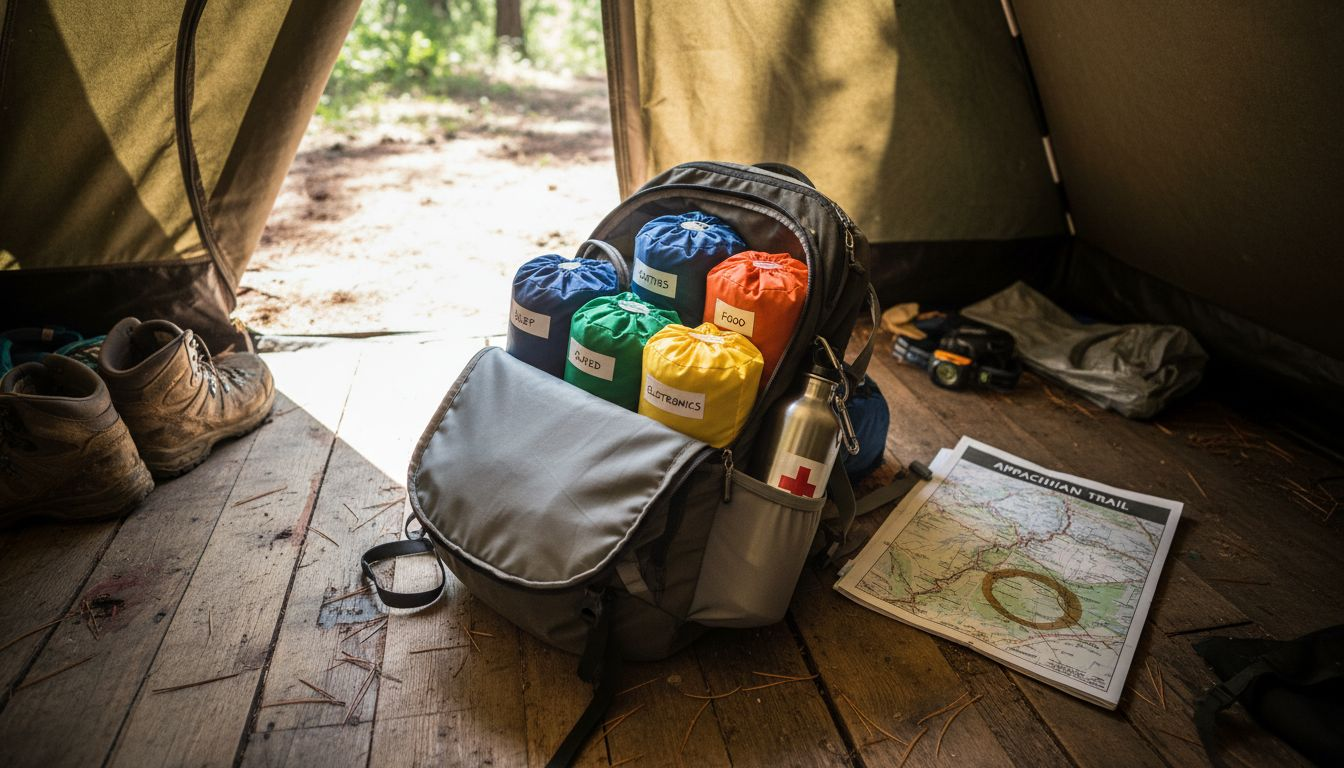
Start by categorizing your items based on weight and frequency of use. Heavy gear like cooking equipment and water containers should be placed close to your back and centered to maintain balance and reduce strain. Pack medium-weight items toward the top and outside of your backpack, ensuring they are easily retrievable. Lightweight items such as sleeping bags and extra clothing layers can be stored at the bottom of your pack. Consider using compression sacks or packing cubes to optimize space and keep similar items grouped together.
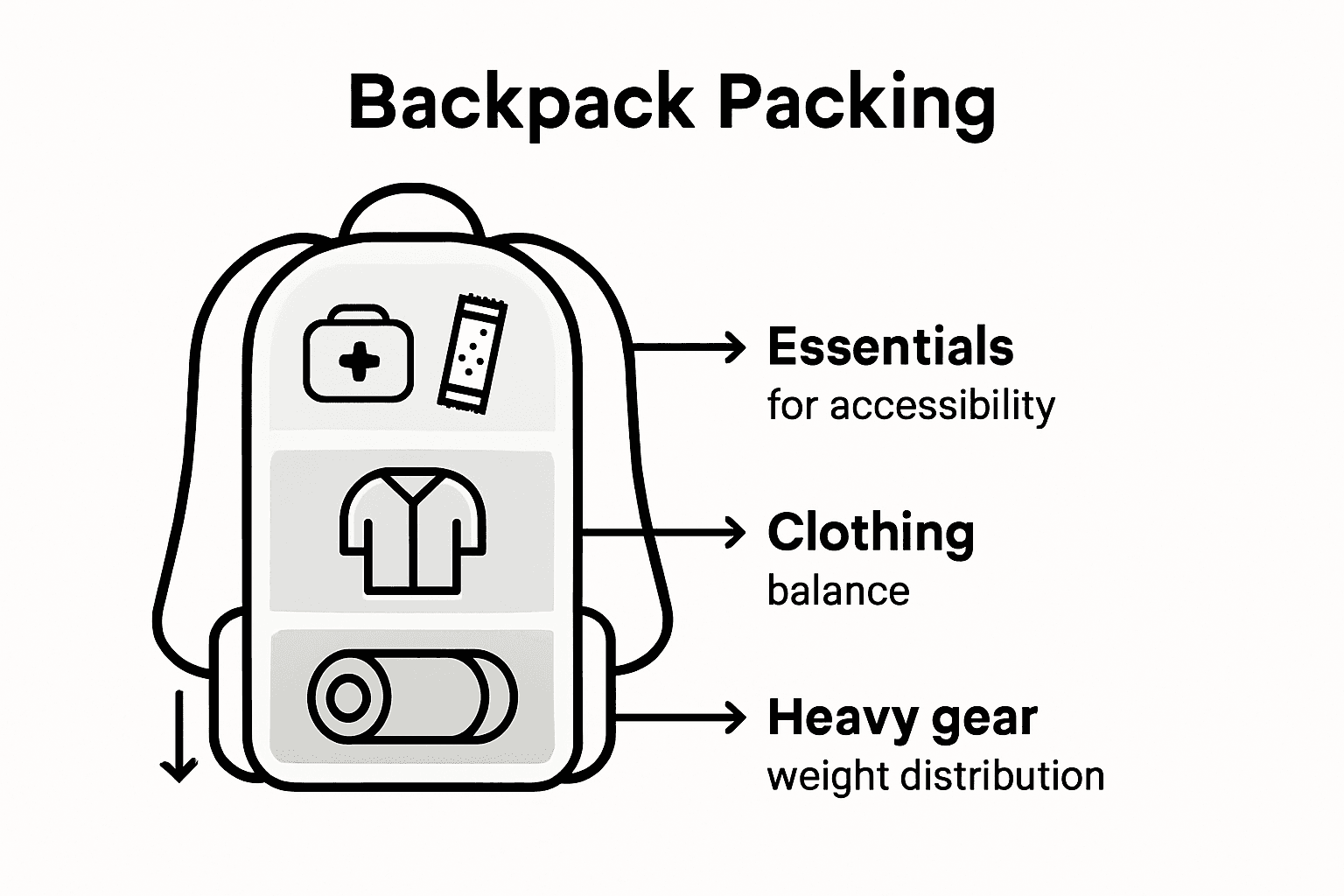
Prioritize accessibility by keeping essential items like first aid kits, navigation tools, headlamps, and snacks in the top compartment or side pockets of your backpack. This strategic approach ensures you can quickly access critical gear without unpacking your entire bag. Waterproof stuff sacks can help protect sensitive equipment from moisture and keep your gear organized.
Pro Tip: Color code or use distinct stuff sacks for different gear categories to quickly identify and access items without rummaging through your entire pack.
Step 3: Choose Suitable Packing Containers
Selecting the right packing containers can dramatically improve your camping experience by ensuring your gear stays organized, protected, and easily accessible. The Washington Trails Association highlights the importance of choosing backpacks with strategic compartments and weight distribution that support comfortable travel and efficient gear management.
Start by selecting a backpack with multiple compartments that match your trip duration and gear volume. Look for options with adjustable straps, padded hip belts, and breathable back panels to enhance comfort during extended hiking or camping trips. Waterproof or water-resistant materials provide essential protection for your equipment against unexpected moisture. Consider using specialized stuff sacks or dry bags to further compartmentalize and safeguard individual items like electronics, first aid supplies, and clothing.
Different types of containers serve unique purposes in camping preparation. Lightweight, transparent plastic containers work well for kitchen supplies and food storage, while compression sacks help minimize the volume of clothing and sleeping bags. Soft sided stuff sacks with different colors can help you quickly identify and access specific gear categories without unpacking your entire backpack.
Pro Tip: Invest in clear zippered pouches or color coded stuff sacks to create an intuitive packing system that saves time and reduces frustration when searching for specific items during your camping trip.
Compare packing container options for optimal gear organization:
| Container Type | Best Use Case | Key Benefit |
|---|---|---|
| Backpack with Compartments | Carrying all gear on trails | Balanced weight, easy access |
| Dry Bag | Storing electronics & clothing | Waterproof protection |
| Compression Sack | Packing sleeping bags & clothes | Space saving, compact fit |
| Plastic Container | Storing food & kitchen supplies | Visibility, pest protection |
| Stuff Sack | Organizing small gear | Sorts items by category |
Step 4: Pack Gear Efficiently for Easy Access
The Washington Trails Association offers strategic guidance on organizing backpack contents to ensure quick and convenient access to essential items during your camping adventure. Understanding how to strategically position your gear can make a significant difference in your outdoor experience.
Prioritize accessibility by placing your most frequently used items in the top lid, outer pockets, and easily reachable compartments of your backpack. This includes emergency supplies, first aid kits, navigation tools, snacks, water bottles, rain gear, and personal hygiene items. Consider creating a dedicated quick access zone within your backpack where critical equipment can be retrieved without extensive unpacking. Use clear or color coded stuff sacks to help you visually identify specific gear categories at a glance.
Arrange your backpack contents with a logical flow that matches your anticipated needs during the trip. Heavier items should be positioned close to your back and centered to maintain balance, while lighter items can be distributed around the periphery. Keep items you will need during hiking or setting up camp within immediate reach. Compression straps and external attachment points can provide additional flexibility for gear like sleeping pads, tents, or jackets that you might want to access quickly.
Pro Tip: Create a mental map of your backpack’s layout before your trip, memorizing exactly where each critical piece of gear is located to save time and reduce frustration during your outdoor adventure.
Step 5: Secure and Double-Check Packed Gear
The Washington Trails Association emphasizes the critical importance of securing backpack contents to prevent gear shifting and maintain stability during your outdoor adventure. A thorough final inspection can mean the difference between a smooth trip and unexpected challenges.
Begin by testing all backpack straps and compression systems to ensure everything is tightly secured. Adjust load lifters, hip belts, and shoulder straps to distribute weight evenly and minimize movement. Check that external gear attachments like sleeping pads, tents, or jackets are firmly fastened using carabiners, compression straps, or dedicated mounting points. Gently shake your packed backpack to simulate movement and listen for any loose items that might need additional securing.
Perform a comprehensive gear inventory before departing. Cross reference your original packing list with the actual contents of your backpack. Verify that critical items like first aid supplies, navigation tools, emergency communication devices, water filtration systems, and weather appropriate clothing are not just present but easily accessible. Pay special attention to fragile items and ensure they are adequately protected with padding or dedicated protective cases.
Pro Tip: Create a quick pre departure checklist as a final backup system to guarantee no essential gear gets left behind during your last minute preparations.
Master the Art of Packing for Your Camping Adventure
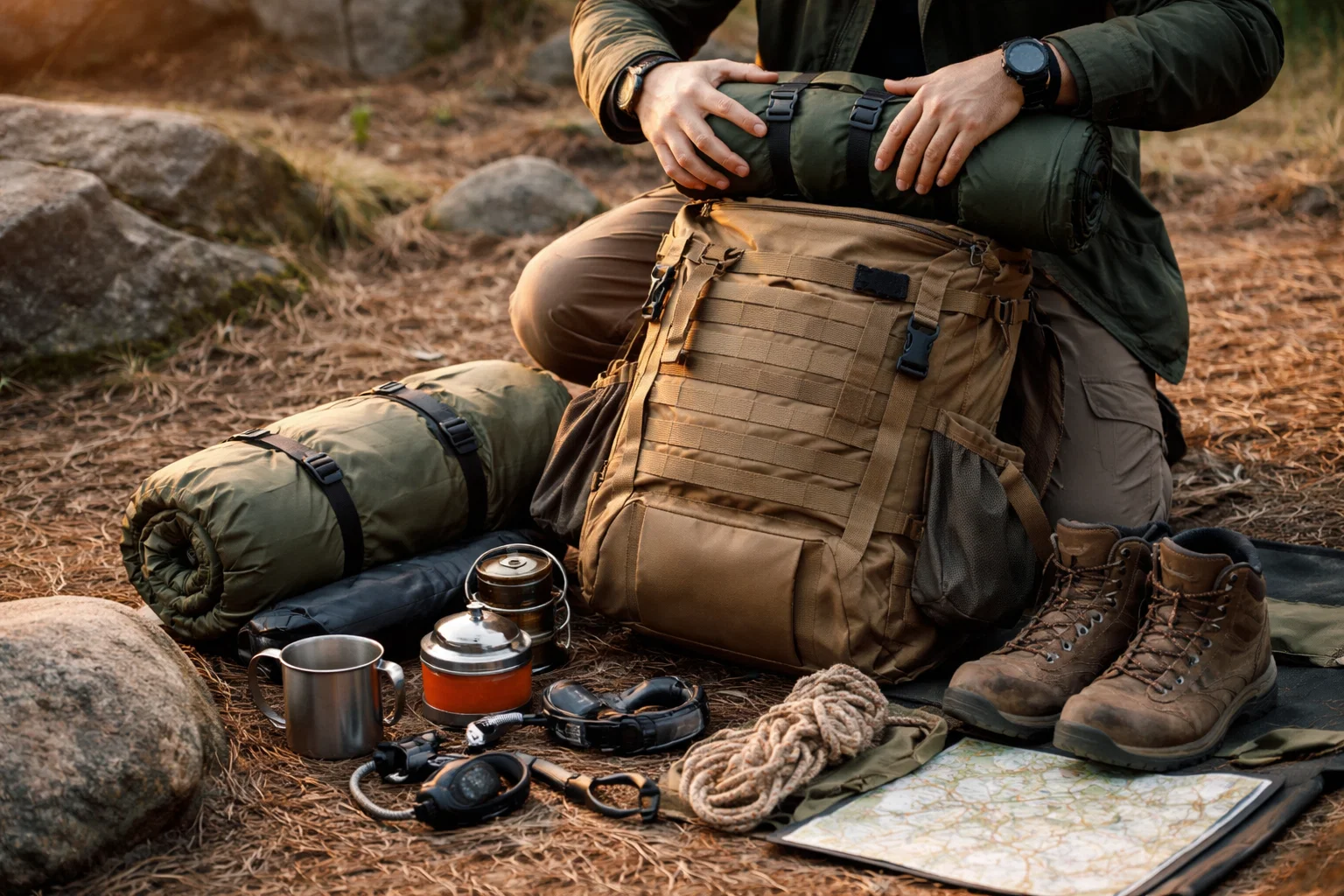
Packing camping gear for a hassle-free trip requires careful planning to avoid the stress of forgotten essentials and disorganized loads. This article breaks down key challenges such as prioritizing gear by use, choosing the right containers, and securing your pack for balance and quick access. If you have ever struggled with bulky backpacks, hard-to-find items, or unpredictable weather, understanding these concepts can transform your experience.
Take your packing skills further with expert tips on gear selection and campsite setup. Visit Tent Tips – Tent Explorer to discover practical advice that simplifies your camping preparations. Enhance your outdoor comfort and efficiency by exploring innovative solutions in Tent Accessories – Tent Explorer. For inspiration on creating a seamless camp environment, browse our Outdoor Living – Tent Explorer category.
Ready to pack smarter and camp with confidence? Start by exploring https://tentexplorer.com for detailed guides, gear reviews, and community insights crafted especially for tent camping enthusiasts. Don’t wait to make your next trip your best trip—equip yourself with knowledge and get organized today.
Frequently Asked Questions
What items should I include in my camping gear packing list?
Start by categorizing your gear into essential categories like shelter, sleeping equipment, cooking tools, safety items, and personal supplies. Create a checklist to ensure you don’t forget any critical equipment, such as a tent, sleeping bag, cooking stove, and first aid kit.
How can I organize my camping gear for easy access during my trip?
Organize your gear by weight and frequency of use; pack heavier items toward the center of your backpack for balance and lighter items on the periphery. Utilize color-coded stuff sacks to easily identify and access specific gear without digging through your entire pack.
What types of packing containers work best for camping gear?
Use a backpack with multiple compartments for better organization and weight distribution. Consider dry bags for electronic items, compression sacks for clothing, and transparent plastic containers for food to ensure all items are secured and easily accessible.
How can I pack my gear efficiently to reduce clutter?
Prioritize packing your most frequently used items in easily reachable compartments, such as the top or outer pockets of your backpack. Keep a logical arrangement where heavier items are near your back to maintain balance, and store lightweight items, like sleeping bags, at the bottom.
What should I check before finalizing my packed camping gear?
Before you depart, perform a thorough gear inventory against your packing list to ensure all essential items are included. Secure all straps and attachment points, then gently shake your pack to check for any loose items, ensuring everything is tightly packed to prevent shifting during your trip.