
This blog post may contain affiliate links. As an Amazon Associate I earn from qualifying purchases.
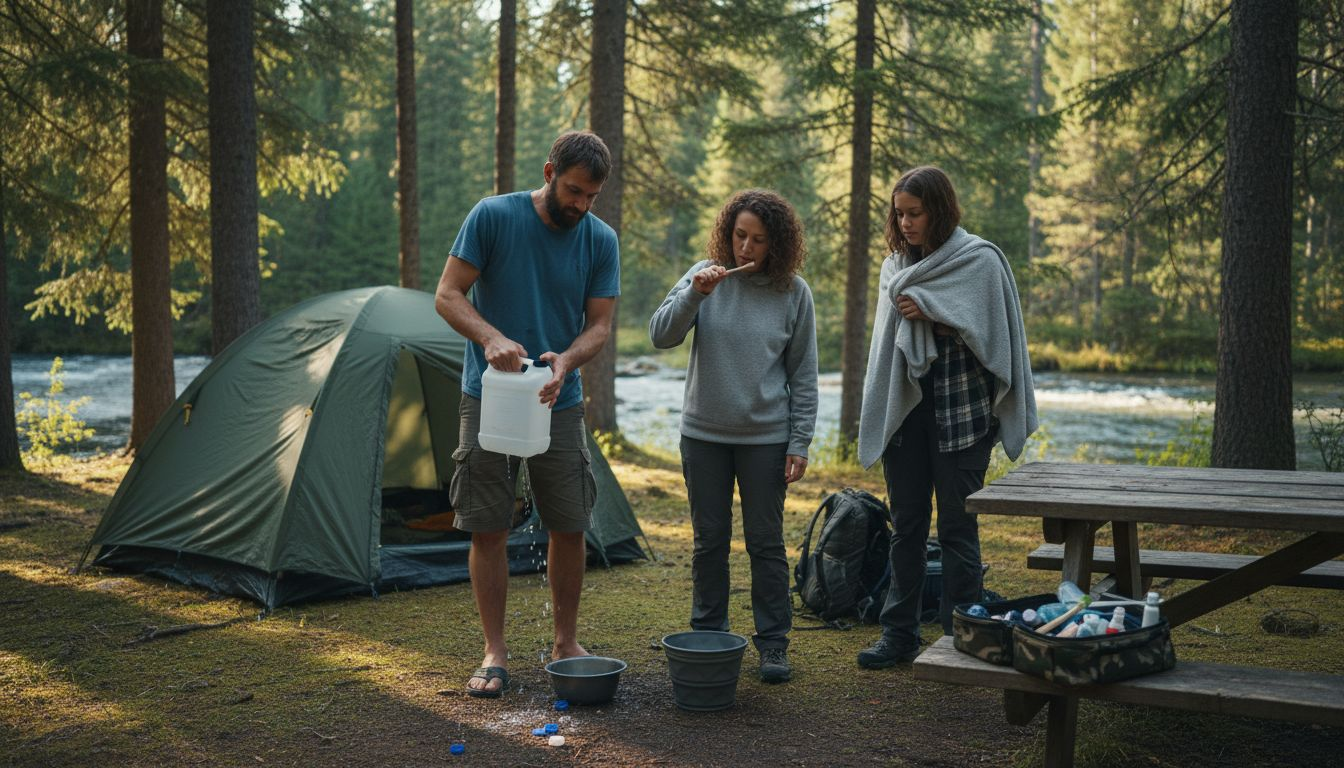
Most campers underestimate hygiene risks in the wild, yet nearly 65 percent of American camping injuries stem from poor cleanliness habits. Staying clean while tent camping matters far more than just feeling fresh. Smart hygiene choices protect you from illness, keep your campsite safe, and help preserve the natural beauty around you. This guide unpacks common myths and gives real-world strategies so every camper can stay healthy and comfortable outdoors.
Key Takeaways
| Point | Details |
|---|---|
| Importance of Camping Hygiene | Proper camping hygiene is essential for health and environmental protection during outdoor activities. Adopting systematic practices prevents disease and preserves ecosystems. |
| Comprehensive Hygiene Strategies | Effective hygiene requires multiple practices, including regular hand washing, proper waste management, and keeping cooking areas clean. Campers must be proactive in their hygiene efforts. |
| Risks of Poor Hygiene | Neglecting hygiene can lead to serious health risks, including foodborne illnesses and infections. Campers should adhere to hygiene protocols to safeguard their health. |
| Common Mistakes to Avoid | Campers often make critical hygiene errors that can compromise health and safety. Implementing designated cleaning zones and proper waste disposal methods can mitigate these risks. |

- Each resealable pack contains 25 bathing sponge wipes — an ample supply for consistent and reliable use. These wipes are water-activated, meaning they stay dry until you need them, and they don’t expire as long as they remain dry.
- These rinse free bathing wipes will get you fresh and clean when you can’t shower. Perfect for post surgery, elderly and bedridden, gyms and post workout, camping, traveling, and situations where traditional bathing is impractical or impossible.
- Scrubzz are soap and shampoo infused. To activate simply add a splash of water, lather and scrub your body, and towel dry. No rinsing and no soapy residue.
- Our special formula ensures a thick, bursting lather for head-to-toe cleansing. Ideal for individuals with sensitive skin or allergies, these hypoallergenic bathing wipes guarantee a moisturized and irritation-free result. With a pH-balanced composition, our bathing sponges prioritize your skin’s health – no drying out, no breaking out.
- Generously sized at 7.87″ x 7.87″. These feather lite wipes provide a luxurious feel and optimal coverage for head-to-toe cleansing, ensuring a comfortable and effective cleaning experience.

- Natural Safe Ingredients: Made with natural biodegradable plant extracts for gentle hand washing.
- Portable and Convenient: Hand soap sheets perfect for travel, camping, hiking, BBQs and outdoor activities.
- Easy to Use: Simply dissolve a sheet in water, rub hands together and rinse thoroughly.
- Sweet Scent: Rose fragrance leaves hands smelling fresh and clean away from bacteria.
- Packaging: Comes in a box of 200 sheets, perfect for gifting, camping, parties and more.

- BILLIONS OF BUTTS WIPED: We make flushable wipes—billions of ’em. We started this hole revolution against toilet paper from our apartment and now wipe over 4 billion butts every year. So join us. You’ll have never felt so fresh after that morning coffee
- EXTRA LARGE FLUSHABLE WIPES: When it comes to flushable wipes, size matters. And we’re big. Because nobody wants a little wipe after a big burrito
- FLUSHABLE & PLANT SOURCED FIBERS: Our wipes are made with plastic free & plant sourced fibers. Unlike baby wipes, DUDE Wipes are sewer and septic-safe. Say goodbye to toilet paper and say hello to DUDE flushable wet wipes for the whole family
- BEST CLEAN PANTS DOWN: Made with 99% water and plant-based ingredients, DUDE wipes are unscented, hypoallergenic, alcohol-free, and paraben-free. They’re soaked with Aloe Vera and Vitamin E to protect your sensitive skin and DUDE regions
- WET BEATS DRY: We promise once you try DUDE Wipes you’ll never go back. Designed for a clean, more refreshing feeling than toilet paper, our plush wet wipes come in sleek dispenser packs that fit perfectly on your throne

- FLIP, FOLD, AND REFRESH: Transforming from a Regular-sized brush to a travel-sized toothbrush is as easy as a one-flip action. The GuruNanda folding toothbrush features a unique design that folds down from 7.74″ in length to a compact mini size of 4″ and stays clean and hygienic with its antibacterial protective covering, thus, making it perfect for travel.
- TENDER CARE WITH POWERFUL BRISTLES: Experience gentle yet effective oral care with our toothbrush featuring high-quality soft bristles measuring just 0.18 mm. Specially designed for sensitive teeth, gums, and braces, it ensures a gentle cleaning while effectively removing plaque. So get ready to unveil a brighter & whiter smile with every brush!
- ERGONOMIC HANDLE FOR BETTER CLEANING: Unleash the ultimate brushing experience with our uniquely crafted toothbrush, where comfort meets efficiency. The Non-slip ergonomic handle ensures a secure grip, providing unparalleled control to help take charge against plaque, while the angled neck effortlessly cleans the hard-to-reach areas of your mouth.
- CLEAN ON THE GO WITH THIS COMPACT COMPANION: Whether in your purse or backpack, it effortlessly fits into any space. Perfect for travel, it minimizes the size of your toiletries, especially when space is limited. With a specially designed groove in the cover, it provides a safe space for the bristles, shielding them from exposure to the air and keeping them clean and hygienic.
- CERTIFIED AND TRUSTWORTHY: With this dentist-recommended toothbrush, you can indulge in a worry-free deep clean that is suitable for both adults and kids. Our toothbrush is BPA-free, latex-free, and cruelty-free, ensuring the safety of both you and the environment. So, say yes to better oral care and a healthy brushing experience.

- BILLIONS OF BUTTS WIPED: We make flushable wipes—billions of ’em. We started this hole revolution against toilet paper from our apartment and now wipe over 4 billion butts every year. So join us. You’ll have never felt so fresh after that morning coffee
- EXTRA LARGE FLUSHABLE WIPES: When it comes to flushable wipes, size matters. And we’re big. Because nobody wants a little wipe after a big burrito
- FLUSHABLE & PLANT SOURCED FIBERS: Our wipes are made with plastic free & plant sourced fibers. Unlike baby wipes, DUDE Wipes are sewer and septic-safe. Say goodbye to toilet paper and say hello to DUDE flushable wet wipes for the whole family
- BEST CLEAN PANTS DOWN: Made with 99% water and plant-based ingredients, DUDE wipes are unscented, hypoallergenic, alcohol-free, and paraben-free. They’re also soaked with Aloe Vera and Vitamin E to protect your most sensitive skin
- FROM THE CREATORS OF DUDE WIPES: With billions of DUDE Wipes sold, we promise you we know our way room around the toilet; So join us as the revolution continues with DUDE Bombs, you’ll have never felt so fresh after that morning coffee
Last update on 2026-04-17 / Affiliate links / Images from Amazon Product Advertising API
Defining camping hygiene and common myths
Camping hygiene encompasses systematic practices designed to maintain personal and environmental cleanliness during outdoor adventures. Beyond simple hand washing, it involves comprehensive strategies that protect your health and preserve the surrounding ecosystem. Campground hygiene guidelines establish essential protocols for preventing disease transmission and maintaining sanitary conditions in outdoor environments.
Common myths about camping hygiene often underestimate the critical nature of proper cleanliness practices. Many campers mistakenly believe that wilderness environments are inherently clean or that standard hygiene rules do not apply. However, outdoor settings can harbor numerous microorganisms and potential health risks that require deliberate, proactive management. Camp hygiene practices are not just optional recommendations but fundamental requirements for safe and enjoyable outdoor experiences.
Effective camping hygiene involves multiple interconnected strategies. These include personal cleanliness protocols like regular hand washing, proper waste disposal, maintaining clean cooking areas, managing personal waste, and protecting water sources from contamination. Campers must understand that wilderness environments demand more intentional hygiene practices than typical urban settings, where infrastructure and sanitation systems provide automatic protection.
Pro tip: Always pack biodegradable soap, hand sanitizer, and multiple sets of clean clothing to maintain personal hygiene during camping trips.
Personal and campsite hygiene essentials
Maintaining personal and campsite hygiene requires a strategic approach that goes beyond basic cleanliness. Essential camp hygiene practices involve multiple layers of protection, starting with personal care routines that prevent illness and discomfort during outdoor adventures. Campers must develop comprehensive strategies that address bodily cleanliness, equipment sanitation, and environmental preservation.
Key personal hygiene elements include regular hand washing, changing clothes frequently, and managing personal waste effectively. The U.S. National Park Service recommends specific techniques like maintaining hygiene with limited resources, such as washing undergarments with minimal water and using hand sanitizer when soap and water are unavailable. Moisture-wicking clothing and alternate clothing sets can significantly improve comfort and reduce bacterial growth during camping trips.
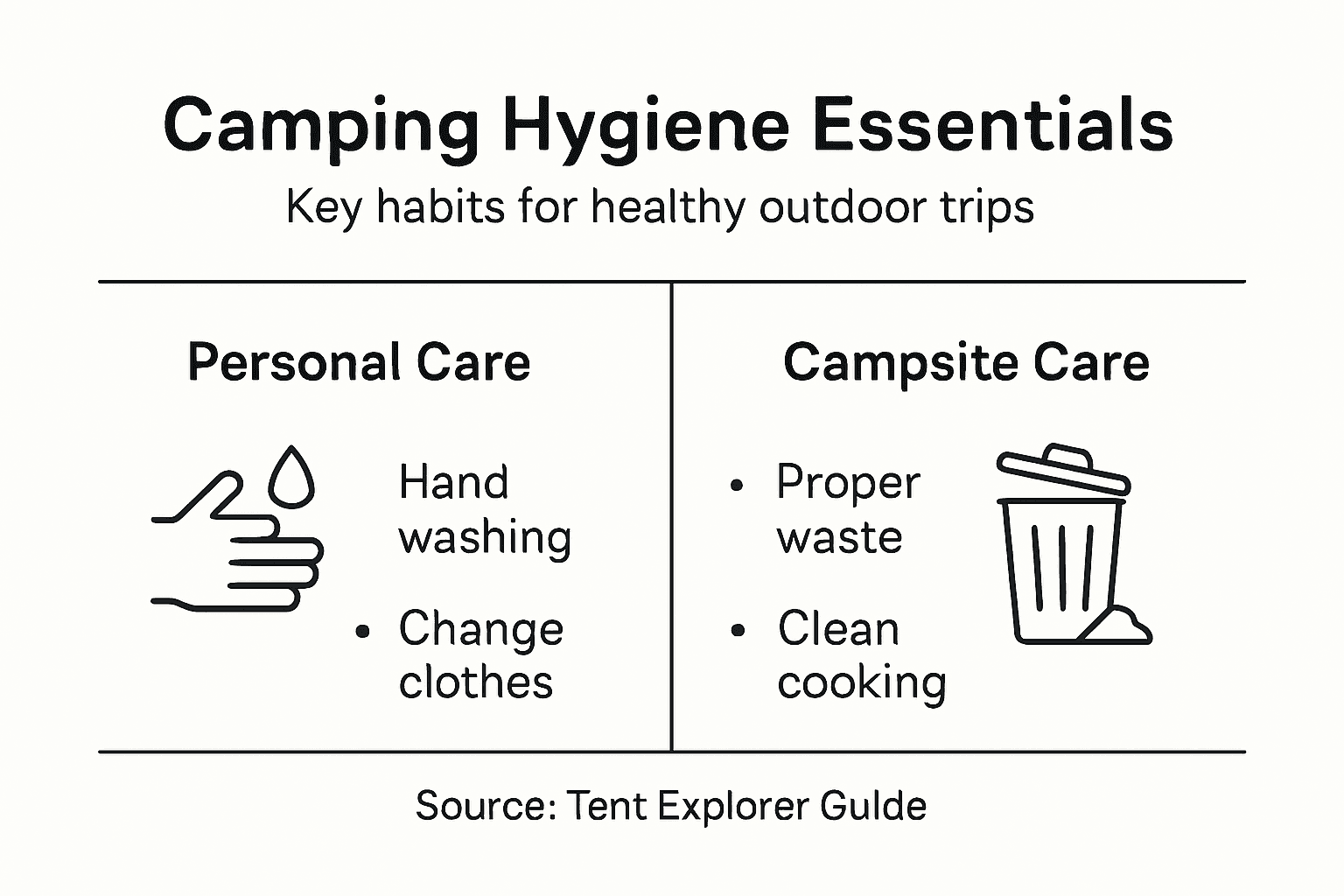
Campsite hygiene extends beyond personal care to include broader environmental considerations. Proper waste disposal, keeping cooking areas clean, and protecting water sources are critical components. Campers should establish designated areas for washing, waste management, and personal cleaning that are at least 200 feet away from water sources. Biodegradable soaps, portable washing stations, and careful waste management help minimize environmental impact while maintaining personal health standards.
Pro tip: Pack a compact hygiene kit with multifunctional items like biodegradable soap, quick-dry towels, and alcohol-based hand sanitizer to streamline your camping hygiene routine.
Here’s how personal, campsite, and eco-friendly hygiene strategies differ in their focus:
| Aspect | Personal Hygiene | Campsite Hygiene | Eco-Friendly Hygiene |
|---|---|---|---|
| Main Focus | Bodily cleanliness | Site-wide cleanliness | Environmental preservation |
| Key Actions | Hand washing, changing clothes | Waste disposal, cleaning cookware | Using biodegradable products |
| Tools Used | Soap, towels, sanitizer | Trash bags, wash station | Microfiber towels, reusable containers |
| Impact | Prevents illness | Reduces group health risks | Protects nature and water sources |
Eco-friendly hygiene practices outdoors
Campers committed to environmental preservation must adopt sustainable cleaning techniques that minimize ecological impact while maintaining personal health standards. These practices go beyond simple waste management, encompassing a holistic approach to wilderness interaction that respects natural ecosystems and reduces human environmental footprint.
Key eco-friendly hygiene strategies include using biodegradable soaps, minimizing chemical contamination, and implementing careful waste disposal methods. This means selecting cleaning products specifically designed to break down naturally without harming plant and animal life. Campers should choose concentrated, phosphate-free soaps, use them sparingly, and always dispose of wastewater at least 200 feet away from water sources, streams, and campsites to prevent potential ecological disruption.
Water conservation and responsible product selection are critical components of environmentally conscious camping hygiene. This involves using microfiber towels that require less water for cleaning, selecting multipurpose products that reduce packaging waste, and practicing leave-no-trace principles. Portable water filtration systems, reusable containers, and concentrated cleaning solutions can significantly reduce the environmental impact of personal hygiene practices during outdoor adventures.
Pro tip: Select camping hygiene products with minimal packaging and biodegradable ingredients to minimize your environmental impact while maintaining personal cleanliness.
Risks of poor hygiene while camping
Campers face significant health threats when neglecting basic hygiene practices. Infection risks during camping can quickly transform an exciting outdoor adventure into a medical emergency. Potential hazards include foodborne illnesses, waterborne diseases, and infections from environmental exposures that can spread rapidly in close camping environments.
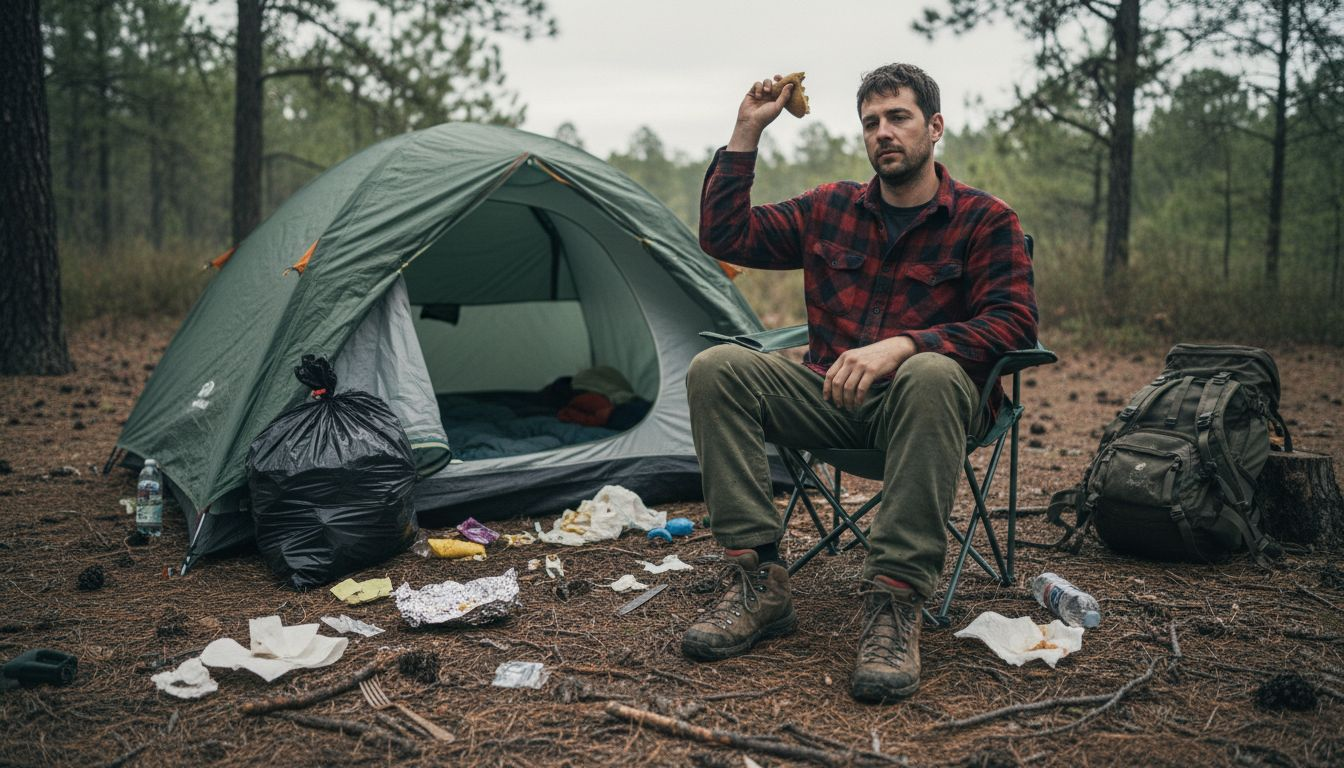
The U.S. National Park Service highlights multiple dangerous consequences of poor camping hygiene. These include increased vulnerability to vector-borne diseases like Lyme disease from ticks, rapid transmission of gastrointestinal illnesses within group settings, and heightened risk of serious infections from untreated cuts or wounds. Improper food handling, inadequate handwashing, and poor waste management can lead to severe health complications that may require immediate medical intervention and potentially cut short an entire camping trip.
Specific hygiene-related risks encompass contaminated water sources, insufficient personal cleaning practices, and compromised food safety. Campers who do not maintain proper sanitation are susceptible to bacterial infections, parasitic diseases, and viral transmission. Shared camping equipment, communal cooking areas, and limited washing facilities can exponentially increase the potential for disease spread, making rigorous personal hygiene practices absolutely critical for outdoor survival and group health protection.
Pro tip: Always pack a comprehensive first aid kit with antiseptic wipes, hand sanitizer, and protective gloves to quickly address potential hygiene-related health risks during your camping adventure.
Common camping hygiene mistakes to avoid
Campers often compromise their health by repeating critical hygiene errors while camping, which can transform a pleasant outdoor experience into a potential health risk. These mistakes range from seemingly minor oversights to significant lapses in personal and environmental sanitation that can lead to serious consequences.
One of the most prevalent errors is inadequate hand hygiene, particularly around food preparation and bathroom activities. Many campers underestimate the importance of thorough handwashing, mistakenly believing that outdoor environments are inherently clean. Bringing shoes inside tents, failing to sanitize communal cooking surfaces, and neglecting to change clothing regularly can create breeding grounds for bacteria and increase infection risks. Cross-contamination becomes especially dangerous when campers do not maintain separate areas for waste disposal, food preparation, and personal cleaning.
Environmental considerations play a crucial role in avoiding hygiene mistakes. Improper waste management, such as disposing of trash or human waste near water sources or campsites, can lead to significant health hazards. Campers must establish strict protocols for waste disposal, understand proper distances for bathroom areas from water sources, and ensure that all personal and group activities minimize ecological and health risks. Shared equipment, from cooking utensils to sleeping bags, can become potential transmission points for diseases if not properly cleaned and maintained.
The following table summarizes common hygiene mistakes and their potential health or environmental effects:
| Mistake | Possible Consequence | Prevention Tip |
|---|---|---|
| Inadequate hand washing | Foodborne illness, infection | Always wash or sanitize hands before meals |
| Bringing shoes inside tent | Spreads dirt, bacteria | Leave shoes outside or in vestibule |
| Neglecting separate cleaning zones | Cross-contamination of waste | Designate areas for each activity |
| Improper waste disposal | Water source contamination | Dispose of waste 200+ feet from water |
| Sharing unclean equipment | Accelerated disease spread | Clean gear after each use |
Pro tip: Create a dedicated hygiene kit with color-coded or separate bags for clean and dirty items to prevent cross-contamination and maintain clear personal hygiene boundaries during your camping trip.
Elevate Your Camping Hygiene for Safer and More Enjoyable Outdoor Adventures
Maintaining proper camping hygiene is essential to prevent infections and protect both your health and the environment. The challenge many campers face involves understanding and applying key habits such as regular hand washing, proper waste disposal, and using eco-friendly products to avoid contamination of water sources and reduce health risks. These concepts are critical to creating a clean campsite and ensuring your trip remains fun and worry-free.
At Tent Explorer, we understand these concerns and provide practical advice on enhancing your camping experience with a focus on health and safety. Explore our Outdoor Living – Tent Explorer section to discover expert tips on setting up clean and comfortable campsites.

Ready to take control of your camping hygiene and enjoy healthier trips? Visit Tent Explorer now to find detailed guides, gear recommendations, and step-by-step methods that help you maintain personal and camp cleanliness. Also check out our Fun While Camping – Tent Explorer for ideas that combine safety with enjoyment. Start building safer camping habits today for an unforgettable outdoor adventure.
Frequently Asked Questions
What are the essential practices for personal hygiene while camping?
Maintaining personal hygiene while camping involves regular hand washing, changing clothes frequently, and effectively managing personal waste. Always wash hands before meals and after using the restroom, and bring hand sanitizer if soap and water are not available.
How can I ensure proper campsite hygiene during a camping trip?
To ensure proper campsite hygiene, set up specific areas for washing, waste management, and personal cleaning, keeping them at least 200 feet away from water sources. Maintain clean cooking areas and use appropriate waste disposal methods to minimize health risks and environmental impact.
Why is eco-friendly hygiene important while camping?
Eco-friendly hygiene is important as it helps preserve natural ecosystems and reduces your environmental footprint. Using biodegradable soaps, minimizing chemical contamination, and practicing leave-no-trace principles protect plant and animal life while maintaining personal health standards.
What are common mistakes campers make regarding hygiene, and how can they be avoided?
Common hygiene mistakes include inadequate hand washing, not separating cleaning zones, and improper waste disposal. To avoid these, ensure rigorous hand hygiene, designate specific areas for food preparation and waste disposal, and clean shared equipment regularly.
Recommended
- Exploring The Health Benefits Of Camping
- The Ultimate Guide To Washing Dishes When Camping
- How-To-Prepare-For-A-Camping-Trip
- 7 Essential Camping Comfort Hacks Every Camper Should Know
- Understanding Eco Friendly Routines for Modern Families
- How to Get WiFi for Camping
- Trockene Haut im Sommer: So pflegen Sie Ihre Haut richtig