
This blog post may contain affiliate links. As an Amazon Associate I earn from qualifying purchases.
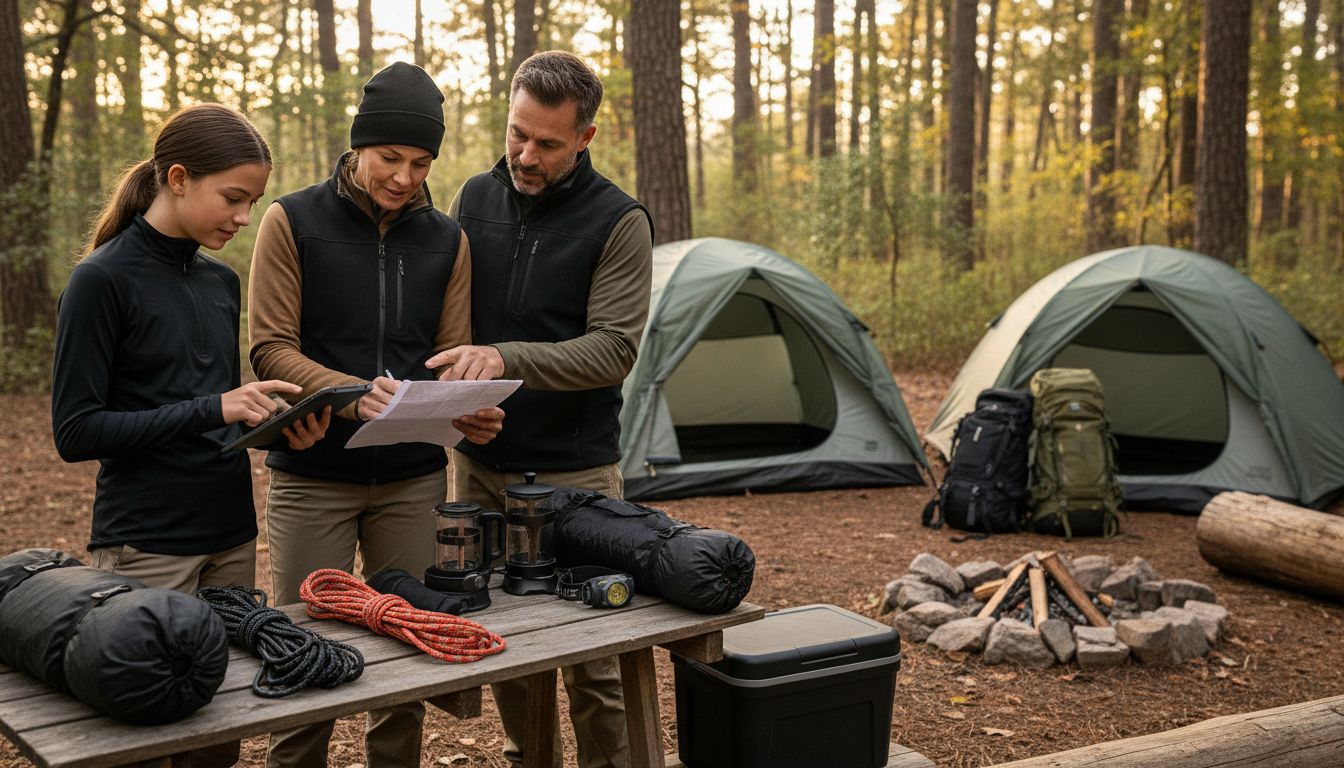
Over 60 million american campers head outdoors each year, but many forget something essential that could disrupt their trip. Organizing for outdoor adventures takes more than tossing gear into a bag. Camping checklists serve as crucial preparation tools that safeguard both comfort and safety, helping campers focus on fun rather than forgotten items. By following a clear checklist, you can take charge of your packing, prevent common mishaps, and enjoy a worry-free wilderness experience.
Key Takeaways
| Point | Details |
|---|---|
| Importance of Checklists | Camping checklists are crucial for ensuring comprehensive preparation and enhancing safety during outdoor adventures. |
| Types of Checklists | Specialized checklists cater to different camping styles and needs, improving organization and efficiency in trip planning. |
| Efficiency Benefits | Using checklists streamlines packing and reduces stress, allowing campers to focus on enjoying their experience. |
| Common Mistakes | Awareness of common checklist errors can prevent mishaps and improve overall camping safety and preparedness. |
Role of Camping Checklists in Outdoor Planning
Camping checklists are strategic planning tools that transform outdoor adventures from potential chaos into organized, safe experiences. These comprehensive documents serve as roadmaps for campers, systematically addressing critical aspects of trip preparation, equipment management, and safety considerations. By methodically outlining everything needed before, during, and after a camping expedition, checklists help outdoor enthusiasts anticipate challenges and mitigate potential risks.
According to ThedaCare, comprehensive camping checklists play a crucial role in addressing multiple safety dimensions. These checklists typically cover essential areas like weather preparedness, sun protection, fire safety protocols, and strategies for potential wildlife encounters. Such systematic preparation doesn’t just enhance convenience – it becomes a fundamental safety mechanism that can prevent dangerous situations before they arise.
Effective camping checklists go beyond simple inventory tracking. They represent a proactive approach to outdoor planning that integrates risk management principles. Michigan State University’s 4-H Risk Management Checklist emphasizes identifying potential risks, evaluating their likelihood, and implementing targeted measures to reduce them to acceptable levels. This structured methodology transforms checklists from mere lists into dynamic planning instruments that help campers make informed decisions.
Key benefits of using comprehensive camping checklists include:
- Reducing likelihood of forgetting critical gear
- Standardizing preparation processes
- Helping novice and experienced campers stay organized
- Creating a systematic approach to outdoor safety
- Providing a clear mental framework for trip planning
By treating checklists as living documents that can be refined with each camping experience, outdoor enthusiasts can continuously improve their preparedness and enjoyment of wilderness adventures.
Types of Camping Checklists and Uses
Camping checklists are not one-size-fits-all tools, but rather specialized documents tailored to specific outdoor experiences and individual camping styles. These diverse checklists help campers organize gear, anticipate challenges, and ensure comprehensive preparation for various camping scenarios. Understanding the different types of checklists can dramatically improve planning efficiency and overall outdoor experience.
America’s State Parks highlights that effective camping checklists typically cover essential gear categories that address different camping contexts. These categories include campsite setup equipment, kitchen supplies, clothing, and personal items. By breaking down preparation into specific domains, campers can systematically ensure they have everything needed for a successful trip.
University of Colorado Boulder’s Division of Student Life provides insights into the most common types of camping checklists, which can be broadly classified into several key categories:
- Personal Gear Checklist: Focused on individual clothing, toiletries, and essential personal items
- Equipment Checklist: Detailing camping gear like tents, sleeping bags, and cooking equipment
- Safety and Emergency Checklist: Including first aid supplies, emergency communication devices, and survival tools
- Activity-Specific Checklist: Customized for specific camping styles like backpacking, car camping, or wilderness expeditions
- Group or Family Camping Checklist: Addressing shared equipment and individual needs for multiple campers
By developing and utilizing these specialized checklists, outdoor enthusiasts can transform their preparation from overwhelming to methodical, ensuring they are ready for whatever adventure awaits.
How Checklists Improve Camping Efficiency
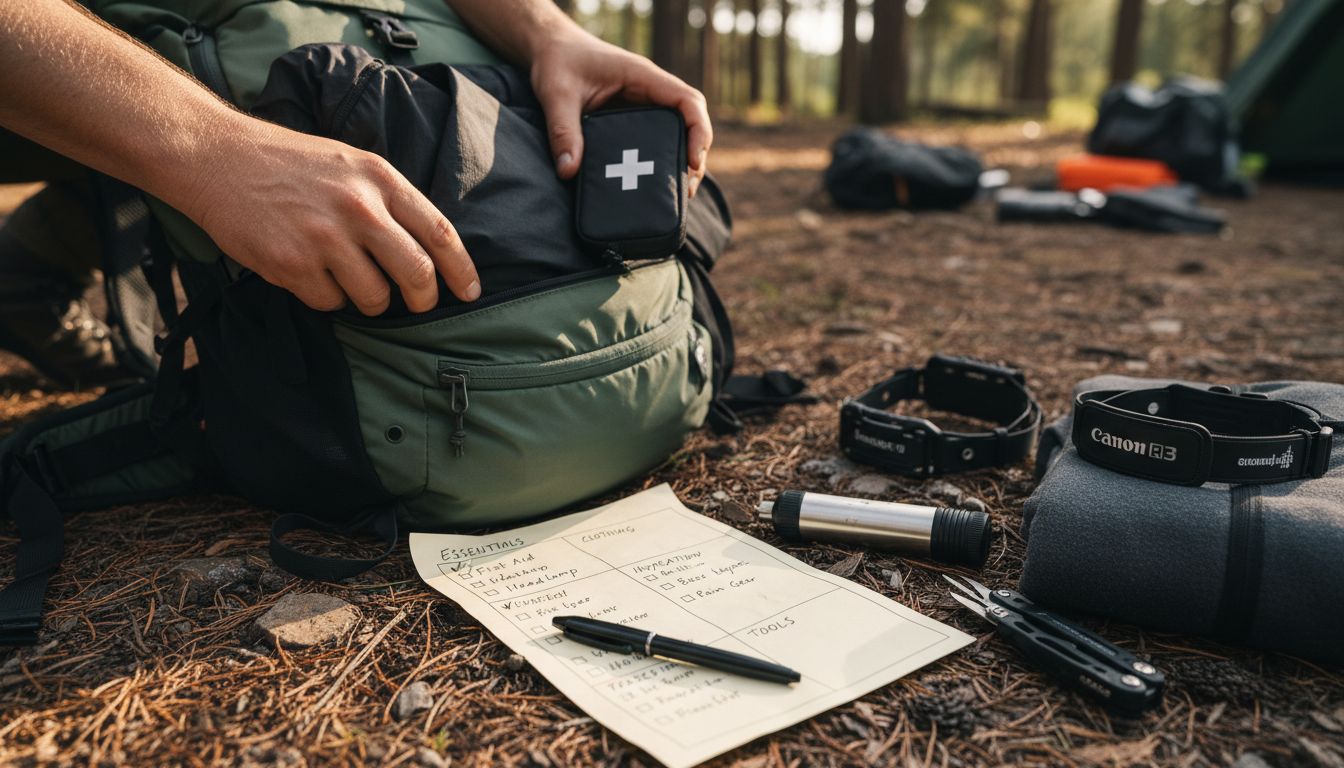
Camping efficiency is not about packing more, but about packing smarter. Checklists transform the often overwhelming process of trip preparation into a systematic, organized approach that minimizes stress and maximizes outdoor enjoyment. By creating a structured framework for gear selection and packing, campers can significantly reduce time wasted and potential frustrations during their adventures.
LifeHack highlights the critical role of checklists in streamlining the packing process. These strategic documents help campers methodically account for essential items, dramatically reducing the likelihood of forgetting crucial gear. The psychological benefit is equally important – a well-prepared checklist eliminates last-minute panic and provides a sense of confidence and control before embarking on an outdoor expedition.
Troop 811’s Car Camping Checklist demonstrates how comprehensive checklists can be structured to improve camping efficiency across multiple dimensions:
- Time Management: Reducing packing time by 50-70%
- Resource Optimization: Ensuring every packed item serves a specific purpose
- Stress Reduction: Eliminating uncertainty about gear preparedness
- Financial Efficiency: Preventing unnecessary equipment purchases
- Adaptability: Allowing quick modifications for different camping scenarios
By treating checklists as dynamic planning tools rather than rigid documents, campers can continuously refine their preparation strategies. This approach transforms checklists from simple inventories into powerful efficiency frameworks that evolve with each camping experience, ultimately enhancing the overall outdoor adventure.
Common Checklist Mistakes to Avoid
Creating a camping checklist might seem straightforward, but numerous subtle pitfalls can compromise your outdoor preparation and overall trip safety. Many campers unknowingly make critical errors that can transform a potentially enjoyable adventure into a challenging and potentially dangerous experience. Understanding and avoiding these common mistakes is crucial for successful camping trips.
Michigan State University’s 4-H Risk Management Checklist emphasizes the importance of comprehensive risk assessment, highlighting several key mistakes campers frequently make. Overlooking emergency procedures and failing to conduct thorough risk evaluations can leave outdoor enthusiasts vulnerable to unexpected challenges. Checklists should not be treated as mere packing lists, but as strategic planning tools that anticipate potential complications and provide comprehensive preparation strategies.
ThedaCare identifies several critical checklist mistakes that can significantly impact camping safety and comfort:
- Ignoring Weather Conditions: Failing to check and prepare for potential weather changes
- Incomplete Emergency Preparedness: Not packing sufficient first aid or emergency communication tools
- Overestimating Personal Gear: Bringing unnecessary items that add weight and complexity
- Underestimating Supply Needs: Miscalculating food, water, and essential survival resources
- Neglecting Site-Specific Requirements: Using generic checklists without adapting to specific camping environments
Successful camping preparation requires continuous learning and adaptation. By treating checklists as dynamic documents that evolve with each camping experience, outdoor enthusiasts can progressively refine their planning strategies and minimize potential risks.
Comparing Checklists vs. Digital Packing Apps
The evolution of camping preparation has sparked an interesting debate between traditional paper checklists and modern digital packing apps. While both approaches aim to streamline trip planning, they offer distinctly different experiences that cater to various camper preferences and technological comfort levels. Understanding the strengths and limitations of each method can help outdoor enthusiasts choose the most effective planning strategy.
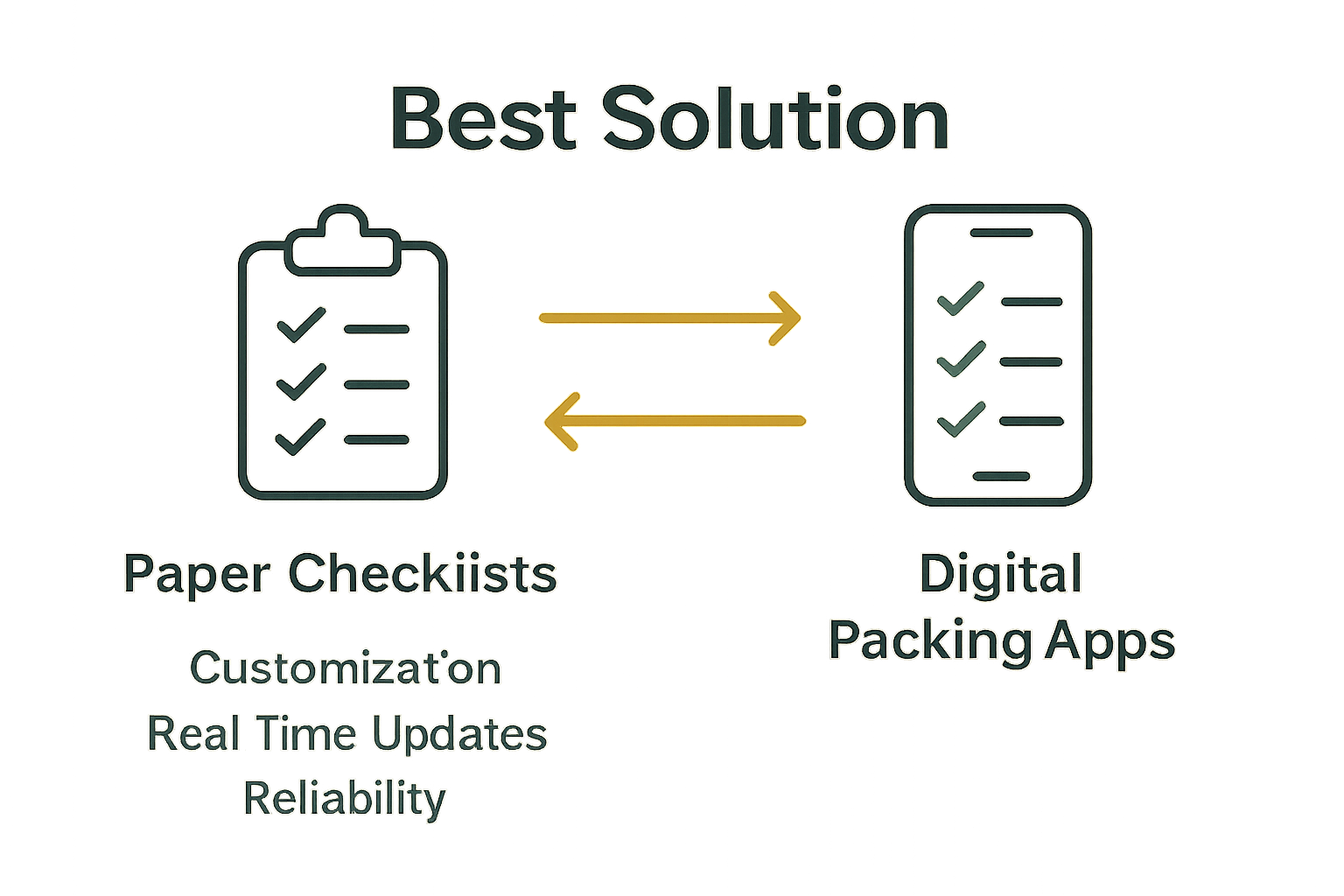
America’s State Parks highlights the enduring value of traditional paper checklists, which provide a tangible, customizable approach to gear organization. These physical lists offer a sense of reliability and simplicity that digital alternatives sometimes lack. Campers can physically annotate, cross out, and modify their lists without worrying about battery life or technological complications, making them a dependable backup planning method.
Outdoor Union showcases the advantages of digital packing apps, presenting a compelling alternative to traditional checklists. These modern tools offer unique benefits that paper lists cannot match:
- Real-Time Updates: Instantly modify and sync lists across multiple devices
- Weather Integration: Automatically adjust packing recommendations based on current conditions
- Collaborative Planning: Share checklists with group members easily
- Comprehensive Tracking: Track item weights, estimated costs, and packing progress
- Cloud Storage: Preserve historical checklists for future reference
Ultimately, the best approach might be a hybrid method that combines the reliability of traditional checklists with the convenience of digital tools, ensuring comprehensive and adaptable camping preparation.
Maximize Your Camping Experience with the Right Preparation
Camping checklists are essential for staying organized and safe on every trip but knowing what to pack and how to plan can be overwhelming. The challenge many campers face is turning their checklist from a simple inventory into a powerful tool that anticipates risks and adapts to changing conditions. By mastering checklist use, you reduce stress, avoid forgotten gear, and ensure your camping adventure is enjoyable and worry-free.
If you want to take the guesswork out of your next outing, explore Tent Tips – Tent Explorer for expert advice on effective camping strategies and gear selection. 
Start enhancing your outdoor planning today with insights from Outdoor Living – Tent Explorer and discover accessories that improve your whole camping setup at Tent Accessories – Tent Explorer. Don’t wait to turn your camping checklist into your best trip planner. Visit Tent Explorer now and boost your confidence before you head outdoors.
Frequently Asked Questions
What is the importance of using a camping checklist?
Using a camping checklist is crucial for organized trip preparation, ensuring you don’t forget essential gear, and enhancing outdoor safety by addressing potential risks, such as weather changes and emergency procedures.
How can I create an effective camping checklist?
To create an effective camping checklist, categorize your items into groups like personal gear, equipment, safety supplies, and activity-specific items. Continuously refine your list based on past camping experiences to improve your preparedness.
What are common mistakes to avoid when using camping checklists?
Common mistakes include ignoring weather conditions, underestimating supply needs, and failing to adapt checklists for specific camping environments. It’s essential to treat checklists as dynamic documents that evolve with your experiences.
How do camping checklists compare to digital packing apps?
Camping checklists offer a tangible, customizable approach while digital packing apps provide features like real-time updates, weather integration, and collaborative planning. A hybrid method that utilizes both may offer the best preparation experience.