

This blog post may contain affiliate links. As an Amazon Associate I earn from qualifying purchases.
More than 40 million american adults camp each year, but confusion about car camping still leads to common mistakes and missed opportunities. Whether you’re seeking comfort, adventure, or a family-friendly escape, understanding the basics of car camping can help you make smarter choices and enjoy nature on your terms. This guide clears up the biggest myths, outlines the core concepts every american car camper should know, and offers practical advice to ensure your next trip is safe, enjoyable, and stress-free.
Key Takeaways
| Point | Details |
|---|---|
| Car camping enhances accessibility | It allows more comfortable outdoor experiences for beginners and those with physical limitations. |
| Various styles of car camping exist | Choose the camping approach that fits your level of experience and desired comfort, from established campgrounds to dispersed camping. |
| Essential gear preparation is critical | Ensure all equipment is tested and properly packed before departure to avoid unexpected issues. |
| Understanding campsite regulations is essential | Familiarize yourself with local rules and safety protocols to ensure a responsible camping experience. |
Defining Car Camping: Core Concepts and Myths
Car camping represents a flexible and accessible outdoor adventure style that allows travelers to experience nature without sacrificing comfort. According to Geer Garage, car camping entails driving directly to a campsite and setting up a tent near your vehicle, providing convenient access to supplies and amenities. This approach differs significantly from traditional backpacking, which requires carrying all gear over long distances.
Car camping offers several unique advantages that make outdoor experiences more approachable for beginners and experienced campers alike. Unlike backcountry camping, you can bring more substantial equipment and comfort items. Your vehicle serves as a mobile basecamp, allowing you to pack gear like larger tents, comfortable chairs, coolers with fresh food, and even electricity-powered accessories. This flexibility means you’re not limited by what you can physically carry on your back.
Despite its popularity, car camping confronts several persistent myths that discourage potential outdoor enthusiasts. One prevalent misconception is that car camping lacks the authenticity of traditional wilderness experiences. However, Geer Garage challenges this notion, arguing that car camping provides an equally valid way to connect with nature. It removes barriers to outdoor exploration by making camping more accessible to people with physical limitations, families with young children, or those who prefer a more comfortable introduction to wilderness experiences.
Key characteristics of car camping include:
- Direct vehicle access to campsite
- Ability to bring more substantial gear and comfort items
- Shorter setup and breakdown times
- Greater accessibility for diverse skill levels and physical capabilities
- Proximity to your transportation and emergency supplies
Whether you’re a seasoned outdoors enthusiast or a first-time camper, The Essential Camping Guide can help you navigate the nuances of this exciting camping approach. Car camping represents more than just a camping style – it’s a gateway to outdoor adventure that welcomes participants of all backgrounds and experience levels.
Types of Car Camping and Key Differences
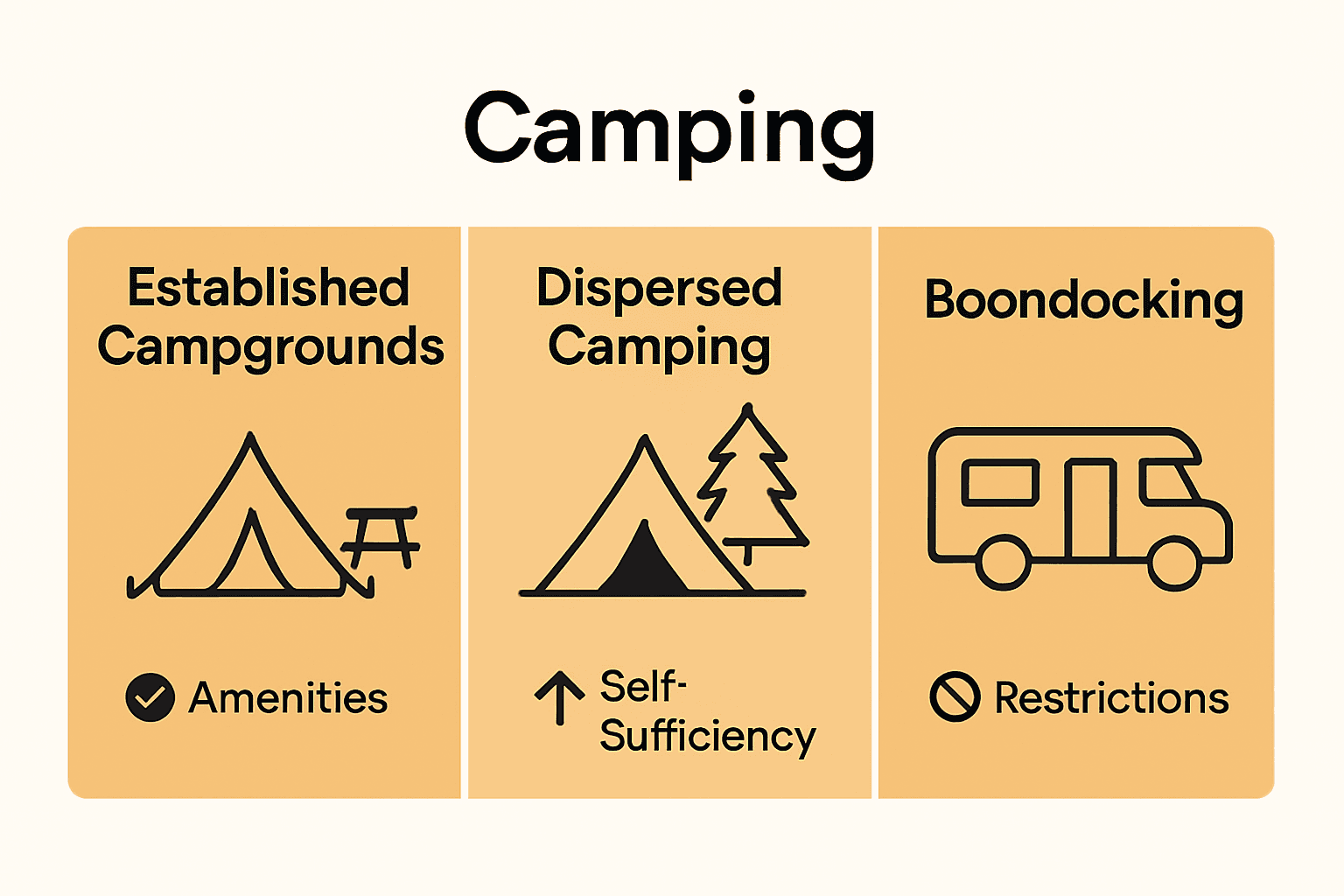
Car camping is not a one-size-fits-all experience, but rather a versatile outdoor adventure with multiple distinct styles. According to Cruise America, car camping encompasses various approaches ranging from traditional campgrounds to more adventurous primitive camping options. These different styles cater to diverse preferences, skill levels, and comfort expectations.
Established Campground Camping represents the most beginner-friendly car camping style. Bearfoot Theory highlights that these campgrounds provide essential services like water access, restrooms, and designated campsites. These locations are ideal for first-time campers or those who prefer structured outdoor experiences. Amenities typically include picnic tables, fire rings, and sometimes electrical hookups, making them perfect for families or individuals seeking a more controlled camping environment.
In contrast, dispersed and boondocking camping offers a more rugged and self-reliant experience. According to Cruise America, this style involves camping in remote areas without traditional facilities. Campers must be entirely self-sufficient, bringing all necessary supplies and strictly following Leave No Trace principles. This approach requires more advanced planning, specialized gear, and a higher level of outdoor skills.
Key differences between car camping styles include:
- Amenities availability
- Level of self-sufficiency required
- Proximity to established infrastructure
- Skill level needed for comfortable camping
- Regulatory restrictions and permissions
When selecting your car camping style, consider your experience level, comfort preferences, and the best tent for car camping that matches your chosen approach. Each style offers unique advantages, allowing outdoor enthusiasts to customize their adventure according to personal needs and wilderness comfort zones.
Essential Gear and Vehicle Setup Tips
Successful car camping hinges on smart gear selection and strategic vehicle preparation. Kenver emphasizes the critical core equipment every car camper needs, including a reliable tent, comfortable sleeping bag, insulating sleeping pad, and comprehensive cooking equipment. Your vehicle becomes more than transportation – it transforms into a mobile basecamp that requires thoughtful organization and preparation.
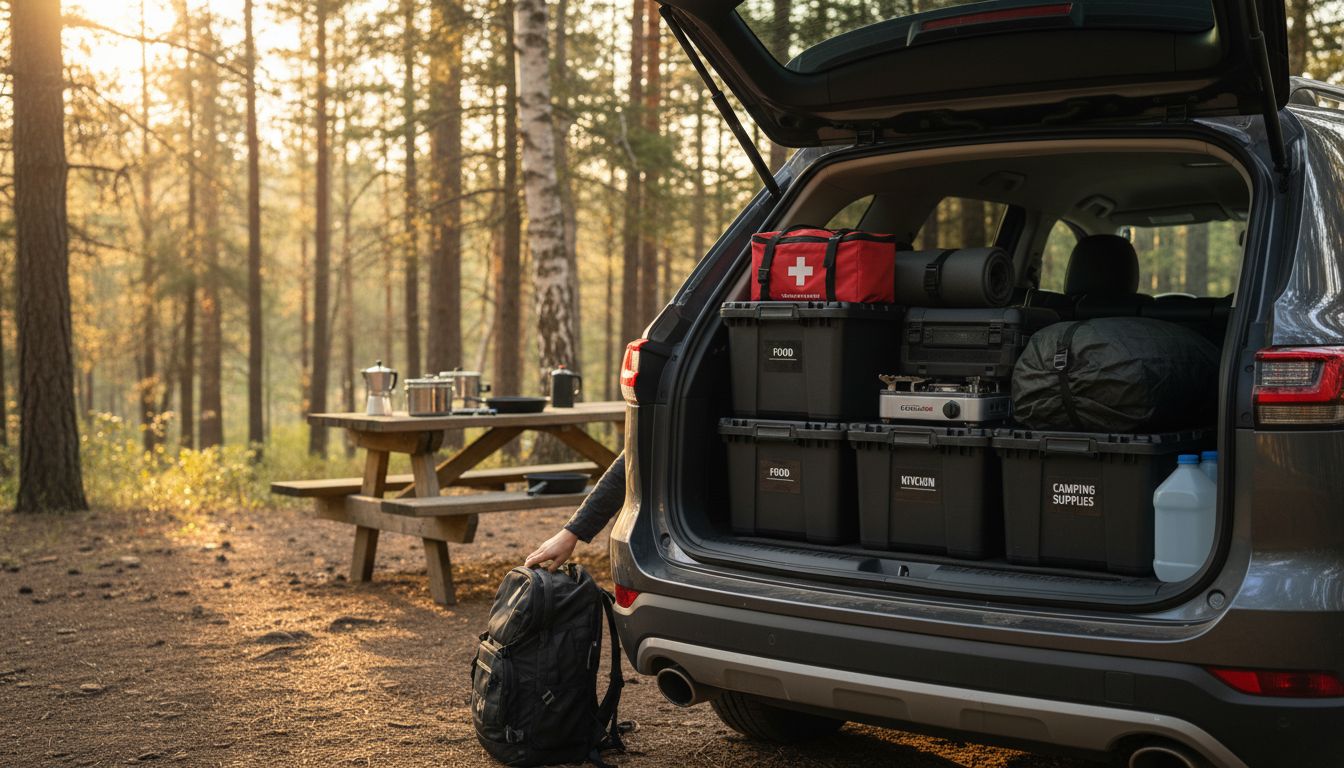
Vehicle Organization plays a pivotal role in creating an efficient camping experience. According to LHCS Scouting, utilizing storage bins helps keep gear sorted and easily accessible. Strategic packing involves positioning heavier items at the vehicle’s bottom and keeping frequently used supplies within immediate reach. This approach not only maximizes space but also ensures safety and convenience during your outdoor adventure.
Preparing for various environmental conditions requires comprehensive gear planning. Kenver recommends packing clothing adaptable to changing weather, including rain jackets and layered clothing for temperature fluctuations. Essential safety items like a well-stocked first-aid kit, extra water supplies, and reliable navigation tools are non-negotiable for any successful car camping trip. Proactive vehicle maintenance, including checking tire pressure, fluid levels, and emergency equipment, can prevent unexpected complications during your journey.
Essential car camping gear checklist:
- Waterproof tent
- Sleeping bags and sleeping pads
- Portable cooking stove
- Water filtration system
- First-aid kit
- Weather-appropriate clothing
- Emergency communication device
- Navigation tools
- Backup battery or power bank
Before your next adventure, review the essential tent camping gear checklist to ensure you haven’t overlooked any critical equipment. Proper preparation transforms car camping from a potentially stressful experience into an enjoyable, memorable outdoor expedition.
Legalities, Safety, and Campsite Rules
Car camping requires a comprehensive understanding of legal guidelines and safety protocols to ensure a responsible and enjoyable outdoor experience. NRS Forest Service emphasizes the critical importance of adhering to specific campsite regulations that govern everything from campfire usage to waste disposal and noise management. These rules are not arbitrary restrictions but essential guidelines designed to protect both campers and the natural environment.
Wildlife and Campsite Safety demand careful preparation and awareness. According to Beta National Center, selecting an appropriate campsite involves strategic considerations beyond mere convenience. Campers must actively avoid potential hazards like areas prone to falling branches or flood risks. Equally important is implementing robust food storage techniques to prevent wildlife interactions, which can range from minor nuisances to potentially dangerous encounters. Understanding local wildlife patterns and securing food properly are fundamental safety practices.
Legal compliance extends beyond environmental regulations to include permit requirements and specific location restrictions. Campers must proactively research and obtain necessary permissions before setting up camp. This includes understanding local camping duration limits, designated camping zones, and specific regional restrictions that might impact your travel plans. Some areas require advance reservations, while others operate on a first-come, first-served basis.
Key safety and legal considerations for car camping:
- Obtain required camping permits
- Check local campsite regulations
- Understand wildlife interaction protocols
- Implement proper food storage techniques
- Research area-specific environmental restrictions
- Carry appropriate emergency communication devices
- Maintain a clean campsite
- Respect noise and fire regulations
For comprehensive guidance on maintaining a safe outdoor environment, check out our tent camping safety tips. Responsible car camping is about balancing personal enjoyment with environmental stewardship and legal compliance.
Common Mistakes and How to Avoid Them
Car camping comes with a learning curve, and understanding common pitfalls can transform a potentially frustrating experience into an enjoyable adventure. Kenver highlights a critical mistake that many novice campers make: failing to test gear before embarking on their trip. This oversight can lead to unexpected equipment malfunctions in the middle of nowhere, turning a planned relaxing getaway into a stressful ordeal.
Equipment Preparation is more than just throwing gear into your vehicle. Carefully testing tents, cooking equipment, and other essential items at home can prevent last-minute surprises. Kenver recommends a thorough pre-trip equipment check, which includes setting up tents, verifying that cooking stoves function correctly, and ensuring all critical gear is in working order. This proactive approach can save you significant frustration and potential safety risks during your camping trip.
Meal planning represents another area where car campers frequently stumble. Inadequate food preparation can quickly derail an otherwise well-planned expedition. Not only should you plan meals in advance, but it’s crucial to pack extra provisions to account for unexpected situations like extended stays or increased appetite from outdoor activities. Consider bringing non-perishable backup meals, extra snacks, and sufficient water supplies to handle potential contingencies.
Common car camping mistakes to avoid:
- Skipping pre-trip gear testing
- Inadequate meal planning
- Overpacking unnecessary items
- Neglecting vehicle maintenance
- Underestimating weather conditions
- Forgetting emergency communication devices
- Improper food storage
- Ignoring local campsite regulations
For comprehensive guidance on preparing for your outdoor adventure, review our essential tent camping gear checklist. Smart preparation is the key to transforming potential challenges into memorable experiences.
Elevate Your Car Camping Experience with Expert Guidance
Car camping offers the freedom to enjoy nature while staying comfortable near your vehicle. Yet, many new campers struggle with selecting the right gear, organizing their setup, and understanding campsite safety rules. If you want to avoid common pitfalls like inadequate meal planning, forgotten emergency items, or confusing campsite regulations, there is a better way to prepare and feel confident outdoors. Our detailed tips and tested advice help you embrace car camping without stress or guesswork.

Discover how to choose the perfect tent, pack smarter, and set up your campsite efficiently by visiting Tent Explorer. Use our essential tent camping gear checklist to make sure you never forget critical equipment. Ready to make car camping your favorite outdoor adventure style? Start your journey today with trusted advice and gear insights at Tent Explorer.
Frequently Asked Questions
What is car camping?
Car camping is a style of camping where campers drive directly to a campsite and set up their gear near their vehicle, allowing for easy access to supplies and comfort items.
What are the main advantages of car camping?
Car camping provides flexibility, accessibility, and the ability to bring larger gear and comfort items, making it ideal for beginners and those seeking a more comfortable outdoor experience.
How does car camping differ from backpacking?
Unlike backpacking, which requires carrying all gear over long distances, car camping allows for a mobile basecamp, enabling campers to pack more equipment and amenities.
What essential gear do I need for car camping?
Key gear for car camping includes a waterproof tent, sleeping bags, cooking equipment, a water filtration system, and a first-aid kit, among other essentials to ensure a comfortable experience.
Recommended
- 10 Best Tent For Car Camping: Discover Spacious, Waterproof SUV Shelters – Tent Explorer
- The Essential Camping Guide: What Most First-Time Campers Get Wrong – Tent Explorer
- Suv Tent: Your Ultimate Adventure Camping Companion
- First Time Camping? Here’s Exactly What To Take For One Night Outdoors – Tent Explorer