
This blog post may contain affiliate links. As an Amazon Associate I earn from qualifying purchases.
Most first-time tent campers are surprised to learn that nearly half of seasonal campgrounds across North American and European regions now welcome tents just as much as recreational vehicles. For those new to outdoor living, the world of seasonal camping feels both exciting and confusing. This guide breaks down the realities behind common myths and reveals practical strategies so any American, Canadian, or global camper can confidently choose the right site and gear for a rewarding long-term outdoor retreat.
Key Takeaways
| Point | Details |
|---|---|
| Flexible Camping Options | Seasonal camping allows for securing a campsite for an entire season, catering to various camper types including families and solo travelers. |
| Diverse Campground Types | Campgrounds range from fully serviced sites with comprehensive amenities to primitive areas appealing to nature enthusiasts. |
| Financial Planning is Crucial | Campers should anticipate various costs beyond the base rental fee, including utilities and maintenance to avoid budget surprises. |
| Understanding Regulations | Thorough research into local camping laws and permit requirements is essential for a successful seasonal camping experience. |

- FOUR SEASON TENT: While other 3 season tents are only available for spring, summer and fall, this extreme weather tent is suitable for all seasons of the year. In winter, the snow skirt of this 2 person tent makes sure that it can keep snow away. The roll-able design makes it convenient when there is no snow around. In other seasons, the mesh design of the 4 season backpacking tent keeps bugs away while the double-layer door ensures ventilation
- SMART DESIGN: Two-way zipper is a little trick of using the ultralight backpacking tent at ease. The interior of the hiking tent has a camping light hook to hang a lantern and a mesh pocket to store your camping accessories or cell phone. Double layered corner can withstand high winds and powerful storms. That makes it a heavy duty tent. This 2 person camping tent is a good choice for outdoor activities. Moreover, this winter camping tent pairs well with the camping mattress in the store
- TWO PERSON TENT: This lightweight backpacking tent is designed for two man, a good choice for camping with family and friends. With a center height of 45.3’’ and a floor size of 59.1’’ X 86.6’’, its packed size is 5.9’’ X 16.54’’, weighing just 5.73 pounds. This outdoor camping tent is super compact, lightweight and easy to store. The freestanding structure can keep this small camping tent together with aluminium poles and the duraflex fasteners connect the tent and the rain fly
- UPGRADED MATERIALS: The backpack tent is designed with premium materials to be used in all weather of the year. Includes durable aircraft grade aluminum poles and full cover rain fly for winter temperatures. The aluminum poles of the waterproof tent feature light and tough. The rain fly design and PU5000mm coating of the cold weather tent make sure the interior dry and clean. All these make the small camping tent windproof and waterproof
- BETTER CUSTOMER SERVICE: The Underwood Aggregator winter tent undergoes rigid inspection before its departure from the factory. Should you have any problems with the 2 man tent, please don’t hesitate to contact our customer support team. We are ready to help and happy to hear from you. Your satisfaction, our responsibility
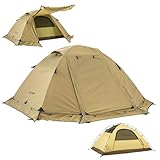
- 【4 Season Tent】BISINNA all-season tent with snow skirt, it can keep inner dry and warm in snow or cold weather! And the rollable designe makes you can using this tent all season.Made from sturdy 210T tear-resistant polyester,with a PU 3000mm waterproof coating and offers excellent UV protection
- 【Large Space 2 Person Tent】Size is 82.6(L)x59(W)x43.3(H)inch,Spacious enough to accommodate up to two people, perfect for couples or single people with camping gear. We designed the waterproof foyer so you can store more outdoor camping supplies
- 【Lightweight Bacpacking Tent】Weight only have 6.4lbs,Packing size is 18*7*7inch ,Fits easily in your backpack. Whether you are backpacking, bicycle motorcycle travel, it is your best choice
- 【Great Ventilation】The camping tent has a double layer of mesh and fabric, 2 doors and 2 windows for excellent air circulation. Effective ventilation reduces condensation.Please be careful not to allow the inner and outer tents to stick together to prevent condensation from soaking the inner tent
- 【Easy set up】This lightweight tent features a freestanding design with two aluminum poles and hooks designed to be very easy to set up and take down.Easily set up by one person with no experience

- Outer: Fabric with blackout coating; Inner: Fabric with large mesh windows
- Imported
- Dark Coating Fabric,Water-Resistant, oatingMesh Window, Vestibule and Rainfly
- 【BLACKOUT DESIGN】It blocks 90% light, so you can enjoy good sleep anytime and anywhere without being disturbed by harsh sunlight. It is also a space to protect your privacy.
- 【ROOMY FAMILY TENT】9.75ft x 9ft with 77in Center Height, fit 6 sleeping bags,has enough space for 6 person. The family cabin tent provides spacious interior and foldable to a compact size for storage and carrying to camping, while the packed size is 8.7″ x 8.7″ x 48.8″.
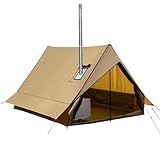
- [High-strength&Durable fabric]Constructed from 100% 70D ripstop polyester, featuring a 3000mm waterproof rating for assured durability and exceptional rain resistance.
- [Spacious Interior]Generous interior comfortably accommodates 2 adults. The tent measures 7.42 × 5.25 × 4.25 ft(approx. 2.2×1.6×1.3 m), providing sufficient space to move around —ideal for extended camping trips.
- [Stable Weather-Resistant Structure]Features 2 main poles made of high-carbon steel and 10 pcs guylines with 13 tent pegs for enhanced stability, capable of withstanding harsh weather, strong winds, and snowy conditions.
- [Dual Doors with Rain Protection]Symmetrical double door curtains with mesh ventilation screen at the botton for easy access and airflow. Integrated side rain curtains with door panels effectively block water ingress during rainy day.
- [Stove Jack Design]Engineered for 4 season use, the internal stove area features an adjustable chimney vent. Which allows you to safely cook meals and boil water inside, regardless of weather.CampRavox establishes it as the ideal choice for camping adventures.

- Superior Thermal Retention: Crafted from advanced aluminized Mylar, these foil emergency blankets are designed to retain up to 90% of body heat, providing crucial warmth in survival situations. A trusted addition to your survival gear and supplies.
- Multi-Purpose Survival Tool: Ideal for various emergency scenarios, including camping, hiking, and natural disasters. Can be used as ground cover, shelter, or to prevent hypothermia and shock. A good addition for camping or prepper gear and supplies.
- Compact & Lightweight Design: Each survival space blanket measures 82″ x 52″ when unfolded yet folds down to a compact size, making it easy to store in bug out bags, backpacks, cars, emergency kit, survival kit, or apocalypse gear without adding bulk
- Durable & Reusable Material: Made with tear-resistant Mylar, these blankets are not only durable but also reusable, ensuring long-term reliability for multiple emergency uses. Add them to you tornado shelter supplies and bug out bag supplies.
- Essential Emergency Preparedness: A must-have for any emergency kit. Space emergency blankets are perfect for use as emergency camping blankets, hiking, car safety kits, and disaster preparedness, offering peace of mind in unpredictable situations.
Last update on 2026-04-09 / Affiliate links / Images from Amazon Product Advertising API
Seasonal Camping Defined and Common Myths
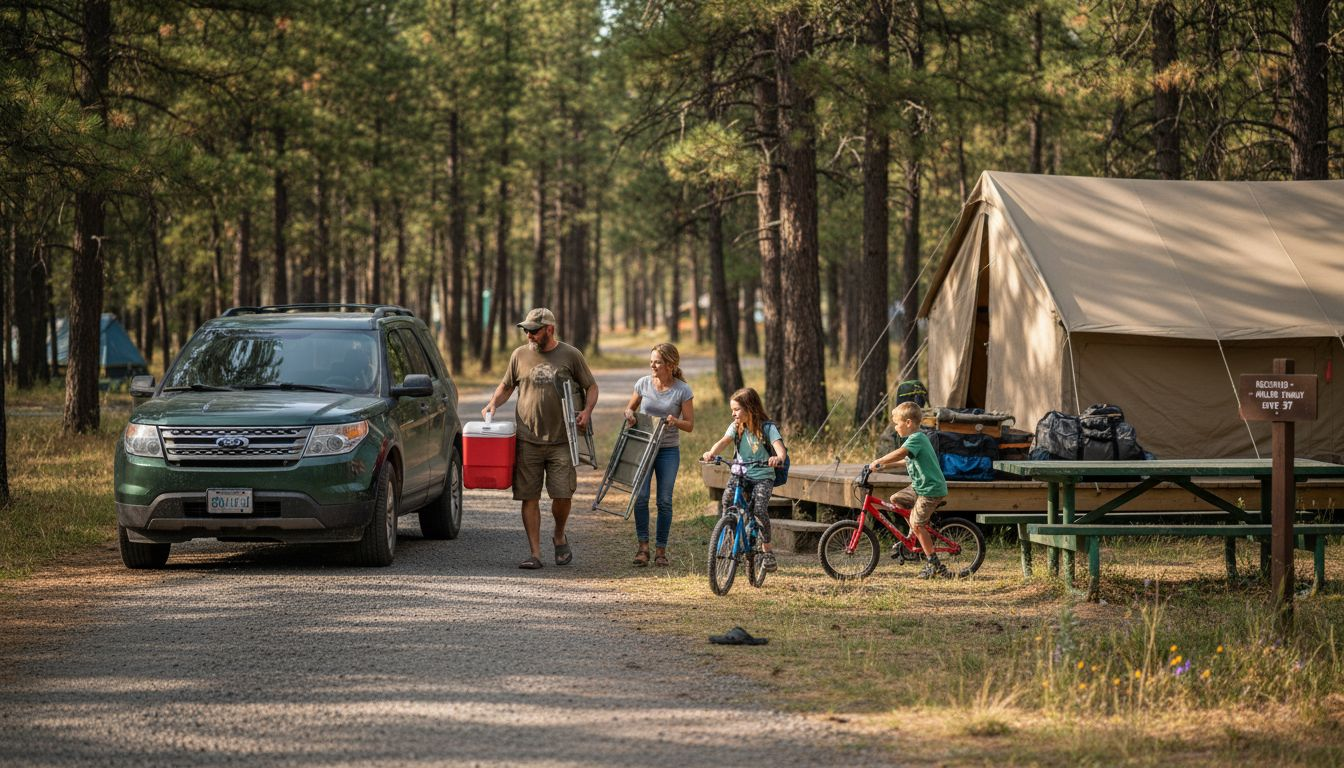
Seasonal camping represents a flexible approach to outdoor recreation that goes beyond traditional weekend trips. Unlike short-term camping experiences, seasonal camping involves reserving a campsite for an extended period, typically spanning an entire season, which allows campers to establish a more permanent outdoor living arrangement. Modern camping frameworks demonstrate that this practice has evolved far beyond its traditional boundaries, now encompassing diverse camping styles and participant groups.
Contrary to popular misconceptions, seasonal camping is not exclusively for experienced enthusiasts or limited to recreational vehicles. Research reveals a nuanced landscape where families, solo travelers, and community groups are increasingly embracing this camping style. Some campgrounds now offer comprehensive amenities, transforming seasonal sites into vibrant outdoor communities with social activities, shared facilities, and flexible membership options. These developments challenge the outdated myth that seasonal camping means isolation or primitive conditions.
The core attraction of seasonal camping lies in its ability to minimize setup stress and provide a home base for outdoor adventures. Campers can choose between simple tent sites and fully serviced locations, depending on their comfort level and equipment. Academic research highlights that this approach offers unprecedented flexibility, allowing individuals to create personalized outdoor experiences that adapt to their specific needs and preferences.
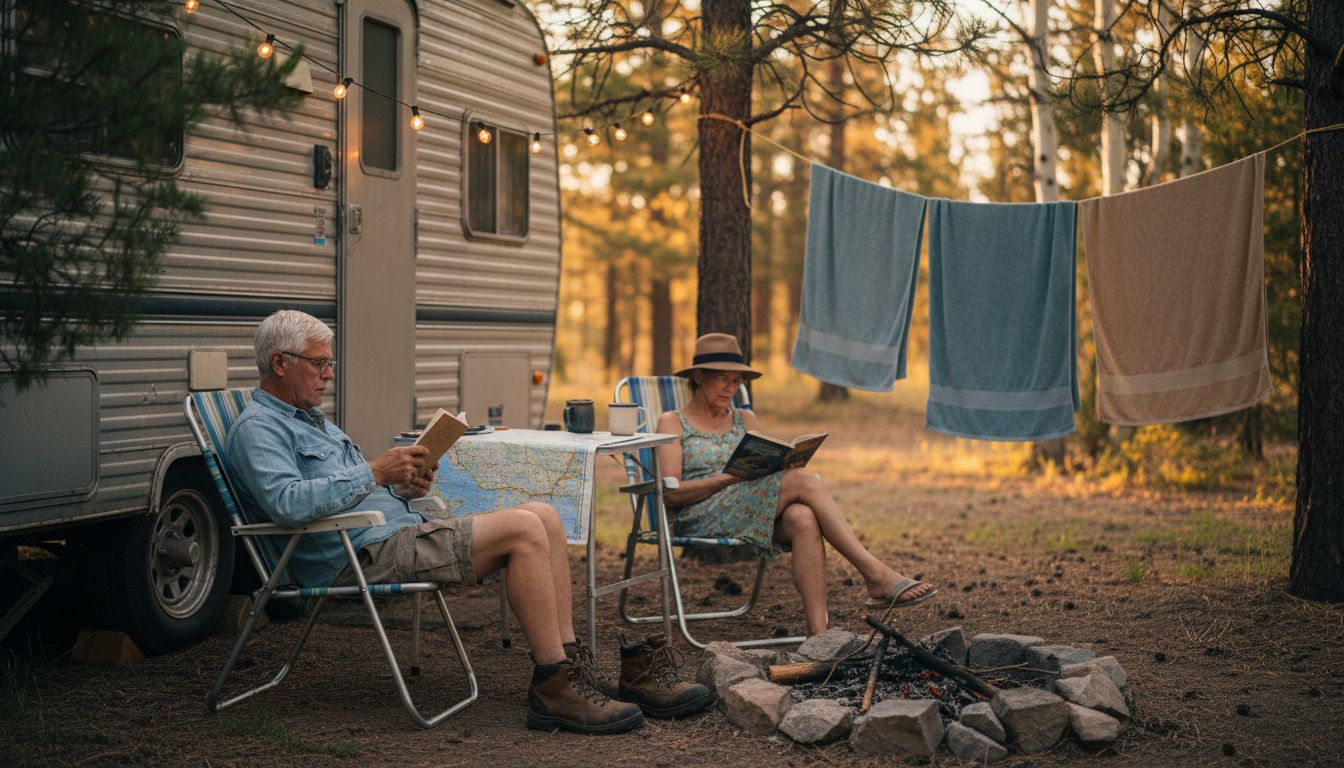
Pro Tip: Before committing to a seasonal campsite, visit potential locations during different times of day and week to understand the true atmosphere and assess amenities firsthand.
Types of Seasonal Campgrounds and Stays
Seasonal campgrounds offer diverse accommodation options that cater to different camping preferences and styles. Generally, these campgrounds can be categorized into three primary types: fully serviced sites, semi-serviced locations, and primitive or basic camping areas. Winter camping enthusiasts often seek out specialized sites that provide additional amenities and protection against harsh weather conditions.
Fully serviced campgrounds represent the most comprehensive option for seasonal campers. These sites typically include full hookups for water, electricity, and sewage, making them ideal for RV travelers and campers seeking maximum comfort. They often feature additional amenities like heated shower facilities, laundry services, Wi-Fi access, community recreation areas, and organized social activities. Semi-serviced sites offer a middle ground, providing some utilities like water and electrical connections but with more basic infrastructure.
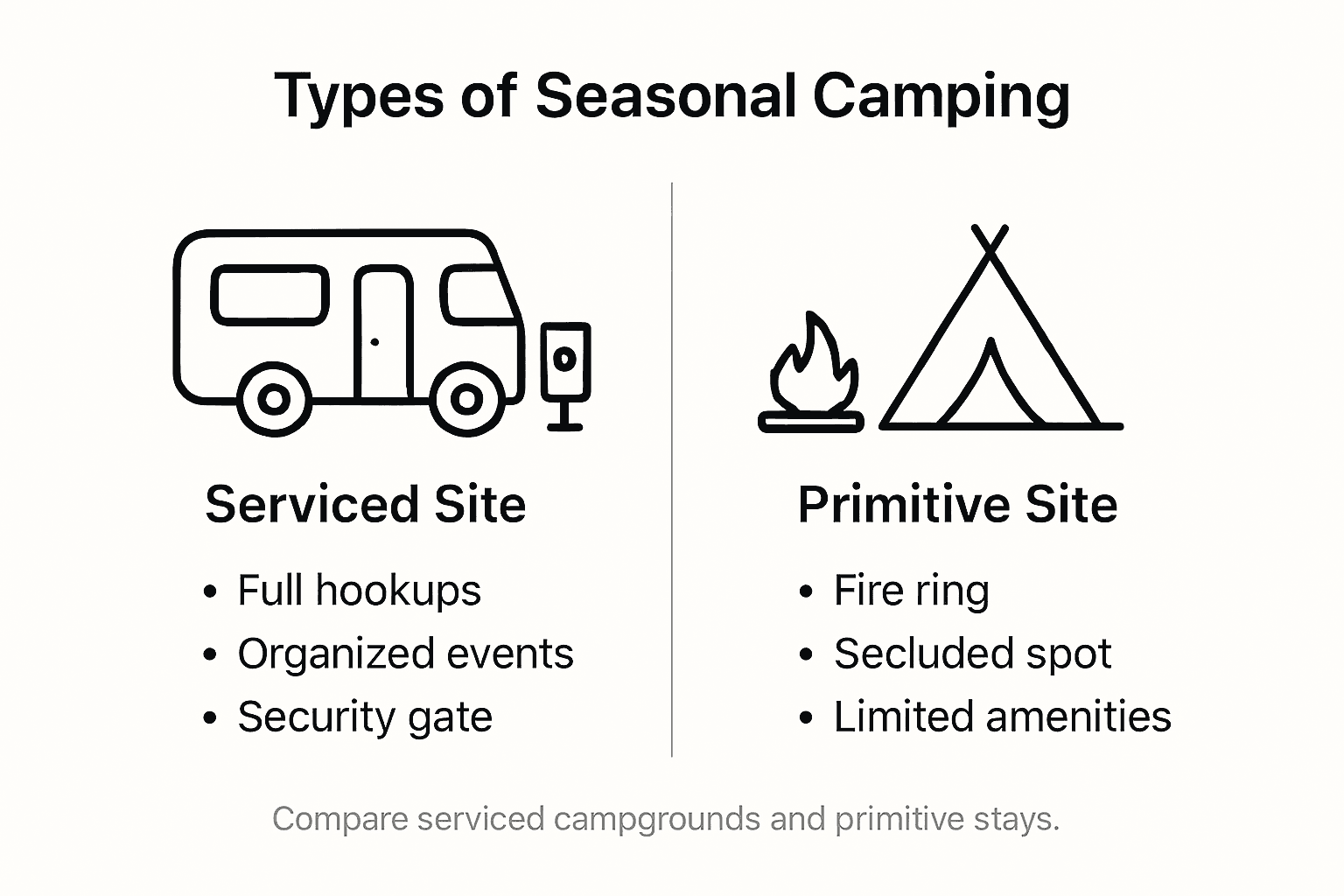
Primitive or basic seasonal camping areas appeal to more adventurous campers who prefer a closer connection to nature. These sites usually have minimal infrastructure, focusing on providing a natural setting with basic amenities like communal water sources, shared bathroom facilities, and designated fire pit areas. Some campgrounds specialize in specific camping styles, including luxury glamping options that blend outdoor experiences with high-end comfort and unique accommodation designs.
Pro Tip: Research potential seasonal campgrounds thoroughly by checking their specific amenities, seasonal availability, and proximity to local attractions to ensure the best match for your camping style and preferences.
Here’s a comparison of common types of seasonal campgrounds and who they best serve:
| Campground Type | Main Amenities | Ideal Camper Profile | Typical Drawbacks |
|---|---|---|---|
| Fully Serviced | Utilities, Wi-Fi, events | Families, comfort-seekers | Higher costs, busy sites |
| Semi-Serviced | Water, basic hookups | Small groups, moderate needs | Limited amenities, seasonal |
| Primitive/Basic | Fire pit, bathrooms | Nature enthusiasts, minimalists | Fewer conveniences, remote |
| Luxury Glamping | High-end lodging, unique designs | Couples or groups desiring comfort | Premium pricing, limited availability |
Key Features and How Seasonal Camping Works
Seasonal camping represents a sophisticated approach to outdoor living that goes beyond traditional short-term camping experiences. Car camping enthusiasts often discover that long-term camping arrangements provide unique opportunities for deeper engagement with outdoor environments. The core mechanism involves securing a campsite for an extended period, typically an entire season, which allows campers to establish a semi-permanent outdoor living space with distinct operational characteristics.
The key features of seasonal camping are defined by several critical components. Long-term bookings enable campers to create a more stable and personalized outdoor environment, with sites offering comprehensive utilities and infrastructure. Camping technology and community frameworks have evolved to support these extended stays, introducing flexible site management strategies that balance individual preferences with broader campground regulations. Typical features include dedicated electrical hookups, water connections, waste management systems, and often community amenities like shared recreational spaces, social events, and structured activity calendars.
Operationally, seasonal camping works through a structured reservation system that differs significantly from traditional camping models. Campers typically pay a seasonal rate that covers an extended period, granting them consistent access to a specific campsite and its associated facilities. This approach requires careful planning, including understanding local regulations, preparing appropriate camping gear for sustained use, and adapting to seasonal environmental changes. Some campgrounds offer tiered membership options, allowing campers to customize their experience based on desired amenities and budget constraints.
Pro Tip: Before committing to a seasonal campsite, create a detailed inventory of your camping equipment and research the specific utility requirements of your chosen location to ensure a seamless long-term camping experience.
Permit Rules, Legalities, and Site Selection
Navigating the complex landscape of seasonal camping requires a thorough understanding of legal frameworks and permit regulations. Comparative global camping guides reveal significant variations in camping regulations across different regions, emphasizing the critical importance of researching local requirements before establishing a seasonal campsite. Each location presents unique legal considerations that can dramatically impact camping plans, from municipal restrictions to national park guidelines.
Site selection involves a multifaceted approach that extends beyond scenic preferences. Campers must carefully evaluate local permit requirements, environmental regulations, and land use policies. Seasonal worker permit systems demonstrate the complexity of legal frameworks, with many regions implementing strict registration processes, safety inspections, and specific documentation requirements. Key considerations include zoning laws, environmental protection guidelines, utility access, and compliance with local camping ordinances.
The legal landscape for seasonal camping is particularly nuanced for travelers crossing municipal or state boundaries. Different jurisdictions maintain varying rules regarding campsite duration, environmental impact, and required permits. Some areas require annual renewals, while others mandate specific insurance coverage or environmental impact assessments. Campers must also consider additional factors such as land ownership, protected area restrictions, and potential limitations on long-term stays in public and private lands.
Pro Tip: Contact local park rangers or municipal offices directly to obtain the most up-to-date and accurate information about seasonal camping permits and legal requirements for your specific camping location.
Costs, Risks, and Mistakes to Avoid
Seasonal camping demands careful financial planning and risk assessment to ensure a successful outdoor experience. Campground pricing strategies reveal complex cost structures that vary dramatically based on location, amenities, and seasonal demand. Campers must anticipate not just the base site rental fee, but also additional expenses like utility hookups, maintenance fees, insurance requirements, and potential unexpected infrastructure or maintenance costs.
The primary financial risks in seasonal camping stem from inadequate budgeting and overlooking contractual nuances. Many campers underestimate total expenses by focusing solely on the advertised site rate, neglecting hidden costs such as electricity usage, water consumption, waste management fees, and potential seasonal maintenance charges. Some campgrounds implement tiered pricing models with incremental fees for premium locations, enhanced amenities, or extended stay periods, making comprehensive financial planning crucial for avoiding budget surprises.
Common mistakes in seasonal camping extend beyond financial considerations to include operational and logistical challenges. These range from failing to understand local regulations and permit requirements to underestimating the maintenance demands of a semi-permanent outdoor setup. Risks include potential site damage, unexpected equipment replacement costs, environmental compliance issues, and potential conflicts with campground management or neighboring campers. Successful seasonal campers develop robust contingency plans, maintain comprehensive insurance coverage, and remain flexible in their approach to outdoor living.
Pro Tip: Create a detailed spreadsheet tracking all potential seasonal camping expenses, including base rates, utility estimates, insurance, maintenance costs, and a 15-20% buffer for unexpected expenditures.
This table summarizes key financial risks and mistakes in seasonal camping:
| Financial Risk/Mistake | Description | How to Mitigate |
|---|---|---|
| Underestimating total cost | Focusing only on base rate | Track all expenses |
| Ignoring hidden charges | Missing utility/maintenance fees | Review contracts closely |
| Overlooking permit fees | Not factoring legal costs | Research local regulations |
| Poor insurance coverage | Lacking protection for damage | Purchase suitable policies |
Enhance Your Seasonal Camping Experience with Expert Tips and Gear
Seasonal camping offers the chance to settle into the outdoors with comfort and flexibility yet it brings challenges like choosing the right tent setup and managing prolonged stays in nature. If you want to reduce stress around equipment and campsite organization while enjoying all the benefits of a seasonal campsite, visit our Outdoor Living – Tent Explorer section. You will find practical advice to help you create your perfect long-term outdoor retreat.
Start exploring trusted tips, gear reviews, and campsite inspiration designed specifically for tent campers ready to take on seasonal camping with confidence. Don’t wait to make your camping trips easier and more enjoyable. Head over to Tent Explorer now and discover the best ways to select gear, organize campsites, and embrace a lifestyle built around nature. For essential tent upgrades and camping accessories, check out our Tent Accessories – Tent Explorer page to find what you need for your seasonal adventure.
Frequently Asked Questions
What is seasonal camping?
Seasonal camping involves reserving a campsite for an extended period, typically an entire season, allowing campers to create a semi-permanent outdoor living arrangement that offers more flexibility and comfort compared to traditional short-term camping.
What amenities can I expect at seasonal campgrounds?
Seasonal campgrounds may offer various accommodations, including fully serviced sites with utilities like water and electricity, semi-serviced locations with basic facilities, and primitive camping areas focused on a natural experience. Some may even provide luxurious glamping options.
How does the reservation system work for seasonal camping?
Seasonal camping typically operates on a structured reservation system where campers pay a seasonal rate covering an entire period, granting them consistent access to a specific campsite and its amenities, as well as the ability to personalize their experience based on preferences.
What are common mistakes to avoid when planning for seasonal camping?
Common mistakes include underestimating total costs, overlooking hidden charges, neglecting permit requirements, and failing to prepare for maintenance demands. It’s vital to create a detailed budget and understand local regulations to ensure a successful camping experience.