
This blog post may contain affiliate links. As an Amazon Associate I earn from qualifying purchases.
Over 40 million american campers pitch their tents each year, yet many still hold onto outdated ideas about what tent camping actually involves. For some, the thought of sleeping outdoors brings worries about comfort, cost, and complicated gear. Understanding the true basics of tent camping lets anyone see how accessible and rewarding this experience can be, no matter their background or skill level.
Key Takeaways
| Point | Details |
|---|---|
| Understanding Tent Camping | Tent camping is accessible and focuses on a direct connection with nature, allowing for minimalist outdoor experiences. Beginners can start with basic gear and gradually enhance their skills. |
| Types of Camping Styles | There are diverse styles of tent camping, including backpacking, car camping, glamping, and kayak camping, each catering to different preferences and skill levels. Choose a style that aligns with your comfort and abilities. |
| Essential Gear Selection | Selecting the right tent and gear is crucial for a successful camping experience. Consider tent type based on seasonal use, and ensure you have other essentials for safety and comfort. |
| Campsite Management | Proper campsite setup and management are key to comfort and safety. Focus on site selection, ground preparation, and organization within the tent to enhance your outdoor living experience. |
Defining Tent Camping and Common Misconceptions
Tent camping is an outdoor recreational activity where individuals or groups stay overnight in temporary shelters made of fabric, designed to provide portable protection against the elements. Unlike other forms of outdoor lodging, tent camping emphasizes direct connection with nature and minimalist living. Backpacking tents vs camping tents offer different approaches to this experience.
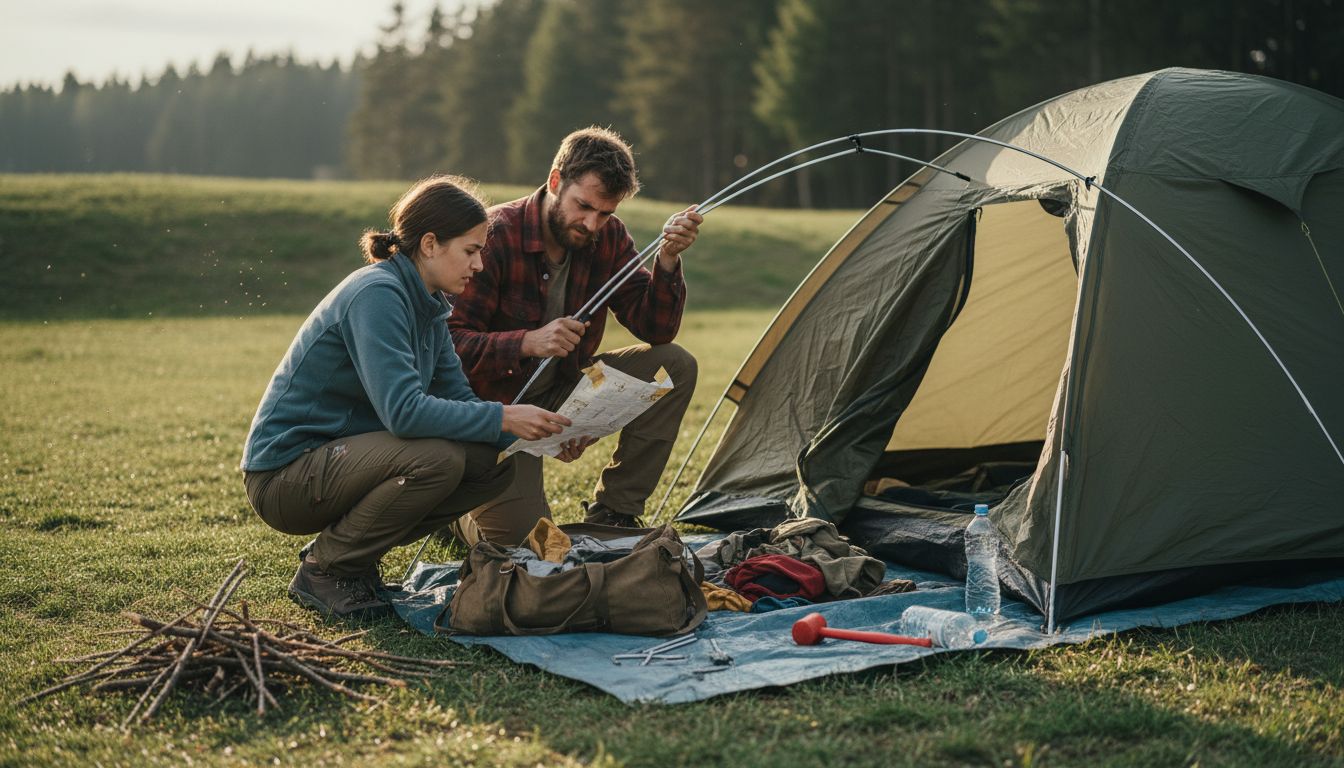
According to technical definitions, tent camping involves using a portable shelter supported by poles and secured to the ground, which can range from lightweight backpacking models to larger family-style structures. Modern tents come in diverse shapes and sizes, engineered to accommodate various environments and weather conditions. They represent more than just a sleeping space – they’re a temporary home that protects campers while allowing them to immerse themselves in outdoor settings.
Common misconceptions about tent camping often prevent potential outdoor enthusiasts from experiencing this rewarding activity. Many people believe tent camping requires extensive survival skills or expensive gear, but the reality is far more accessible. Beginners can start with basic equipment and gradually develop their outdoor competencies. Another frequent misunderstanding is that tent camping is uncomfortable or challenging. While it does require some preparation and adaptation, most campers find the experience surprisingly comfortable and deeply satisfying.
To successfully approach tent camping, newcomers should focus on understanding basic requirements. Key considerations include selecting appropriate tent sizes, understanding campsite regulations, learning basic setup techniques, and choosing locations that match their comfort and skill levels. By demystifying the process and approaching it with an open mind, anyone can transform tent camping from an intimidating concept into an exciting adventure.
Popular Types of Tent Camping Experiences
Tent camping offers a diverse range of experiences that cater to different preferences and outdoor skill levels. From minimalist backpacking adventures to family-friendly group camping, there are numerous ways to enjoy this versatile outdoor activity. Top camping destinations showcase the incredible variety of environments where tent camping can be enjoyed.
According to outdoor experts, tent camping experiences can be categorized into several distinct styles. Multi-room tents provide spacious accommodations for families, offering separate sleeping areas and a home-like feel. These larger tent styles are perfect for group camping trips where comfort and shared space are priorities. Other popular tent camping styles include:
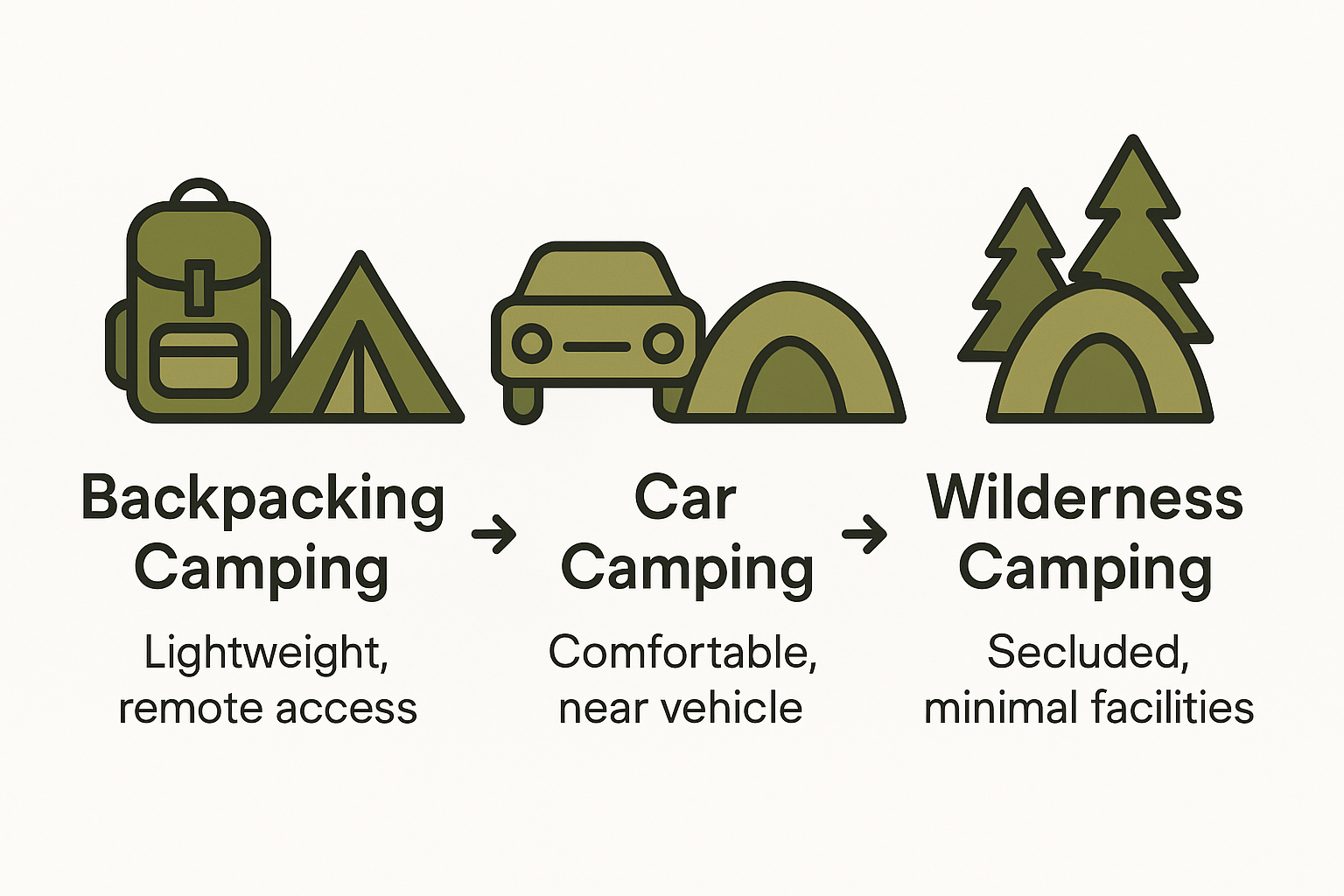
- Backpacking Camping: Lightweight and portable tents designed for hikers and adventurers who carry all their gear
- Car Camping: Ideal for those who can drive directly to their campsite, allowing for larger and more comfortable tent setups
- Glamping: A luxurious approach to tent camping that combines outdoor experiences with modern comfort and amenities
- Kayak Camping: Specialized camping setups for water-based adventures that require waterproof and compact tent designs
Each tent camping style offers unique advantages and challenges. Beginners might start with car camping or established campgrounds, which provide more infrastructure and support. More experienced campers often gravitate toward backcountry or kayak camping, which demand greater outdoor skills and self-sufficiency. The key is selecting a tent camping experience that matches your comfort level, physical abilities, and desired level of adventure. With the right preparation and beginner-friendly tent selection, anyone can discover the joy and excitement of outdoor tent camping.
Essential Gear and Tent Selection Tips
Choosing the right tent and gear can make or break your camping experience. Essential tent camping gear goes far beyond just selecting a shelter – it involves understanding your specific camping needs, environment, and personal comfort requirements. Proper preparation ensures you’re equipped to handle various outdoor conditions and maximize your enjoyment.
When selecting a tent, several critical factors come into play. Seasonal considerations are paramount – three-season tents work perfectly for spring through fall, offering excellent ventilation, while four-season tents provide robust protection for winter camping with more durable materials and minimal ventilation. Key tent components to evaluate include:
- Flysheet: Protects against weather and comes in various materials
- Vestibules: Provide additional storage space outside the sleeping area
- Tent Poles: Determine the structure and stability of your shelter
- Floor Material: Impacts durability and water resistance
Beyond tent selection, smart campers focus on comprehensive gear preparation. Choosing the right tent involves matching your shelter to your specific camping style – whether that’s backpacking, car camping, or wilderness exploration. Prioritize lightweight, compact designs for hiking trips and more spacious options for base camping. Additional essential gear includes sleeping bags rated for expected temperatures, reliable lighting, compact cooking equipment, water filtration systems, and weather-appropriate clothing layers. The goal is creating a portable, comfortable mini-home that keeps you protected and prepared for whatever outdoor adventures await.
Setting Up and Managing a Campsite
Successful tent camping requires strategic campsite preparation and thoughtful management. Campsite setup tips are crucial for creating a comfortable and safe outdoor living environment. The foundation of a great camping experience starts with selecting and organizing your temporary home in nature.
Proper campsite selection involves careful considerations. Look for a flat, dry area away from potential hazards like dead trees, rocky terrain, or low-lying areas prone to water accumulation. When setting up your tent, focus on these critical steps:
- Ground Preparation: Clear the area of sticks, rocks, and uneven surfaces
- Tent Positioning: Orient the tent to minimize wind exposure
- Stake Security: Use sturdy stakes and guy lines for maximum stability
- Interior Organization: Create designated areas for sleeping, gear storage, and personal items
Effective campsite management goes beyond initial setup. Campsite living area planning helps transform your outdoor space into a functional and comfortable zone. Consider creating separate areas for cooking, relaxing, and storing equipment. Maintain a clean campsite by establishing a trash management system, keeping food secured from wildlife, and practicing leave-no-trace principles. Regular tent maintenance – like checking for moisture, airing out the shelter, and protecting it from excessive sun exposure – will help prolong your gear’s lifespan and ensure a more enjoyable camping experience.
Safety, Regulations, and Responsible Camping
Safety is paramount in tent camping, transforming an outdoor adventure from potentially risky to genuinely enjoyable. Tent camping safety tips provide critical guidance for navigating potential challenges and protecting yourself in wilderness environments. Understanding and preparing for potential risks is the first step toward a secure camping experience.
Responsible camping practices involve more than personal safety – they encompass environmental stewardship and legal compliance. Critical aspects of responsible camping include:
- Environmental Protection: Minimizing impact on natural landscapes
- Legal Compliance: Following local camping regulations and permits
- Leave No Trace Principles: Preserving wilderness areas for future visitors
- Wildlife Interaction: Maintaining safe distances and proper food storage
Understanding camping regulations requires careful attention to local guidelines, which can vary significantly between different parks, forests, and public lands. Proper tent material selection, ensuring adequate ventilation, and choosing appropriate camping locations that do not disturb existing vegetation are essential components of responsible outdoor recreation. By prioritizing safety, respecting natural environments, and preparing thoroughly, campers can create memorable experiences while preserving the wilderness for generations to come.
Common Tent Camping Mistakes to Avoid
Every beginner tent camper encounters challenges, but understanding common pitfalls can transform your outdoor experience from frustrating to fantastic. The essential campsite guide reveals the most frequent errors that can derail an otherwise enjoyable camping trip.
Tent selection and setup mistakes can significantly impact your camping comfort and safety. Common errors include:
- Seasonal Incompatibility: Choosing inappropriate tent materials for current weather conditions
- Poor Tent Securing: Neglecting proper stake placement and guy line tension
- Ventilation Oversight: Failing to manage internal moisture and air circulation
- Inadequate Site Selection: Picking uneven or potentially hazardous camping locations
Tent maintenance and material considerations are crucial for long-term camping success. Beginners often overlook the importance of understanding their tent’s specific features, such as vestibule storage, weather resistance, and proper cleaning techniques. By anticipating these potential mistakes and preparing thoroughly, campers can avoid unnecessary discomfort and ensure a more enjoyable outdoor adventure. Remember that every camping challenge is an opportunity to learn and improve your outdoor skills.
Start Your Tent Camping Journey with Confidence and the Right Guidance
If you’re new to tent camping, the challenges of choosing the perfect tent, mastering setup techniques, and managing your campsite can seem overwhelming. This guide addresses those common hurdles and helps you avoid mistakes that can affect your comfort and safety. Whether you want to find beginner-friendly tents or learn tips to improve your outdoor experience, having trusted information at your fingertips makes all the difference.

Explore our Tent Tips – Tent Explorer for practical advice on making your camping trips smooth and enjoyable. Need advice on gear maintenance or troubleshooting your tent? Visit Tent Troubleshooting And Maintenance – Tent Explorer to keep your equipment in top shape. Start turning your tent camping dreams into memorable adventures today by visiting Tent Explorer. Don’t wait to embrace the joy and freedom that outdoor camping offers—your next great adventure awaits.
Frequently Asked Questions
What is tent camping?
Tent camping is an outdoor recreation activity where individuals or groups stay overnight in temporary fabric shelters designed to provide protection from the elements while allowing a close connection to nature.
What are the different types of tent camping?
Common types of tent camping include backpacking camping (lightweight tents for hikers), car camping (larger tents close to vehicle access), glamping (luxurious camping experiences), and kayak camping (tents designed for water adventures).
How do I choose the right tent for my camping style?
Choosing the right tent depends on your camping style: for backpacking, look for lightweight and compact tents; for car camping, prioritize spacious options that offer comfort and ample storage.
What are some essential gear for tent camping?
Essential tent camping gear includes a quality tent, sleeping bag appropriate for the weather, cooking equipment, reliable light sources, water filtration systems, and weather-appropriate clothing layers.
Recommended
- What Is Car Camping? Complete Guide For Campers – Tent Explorer
- How To Choose A Tent For Camping: Step-by-Step Guide – Tent Explorer
- Step By Step Tent Setup: Easy Guide For Quick Camping Success – Tent Explorer
- How To Choose The Perfect Tent For Your Camping Trip? – Tent Explorer
- What Is Safari Accommodation? Complete Guide – Namibia Luxury Safaris | Book Your 2025/2026 Adventure Today