
This blog post may contain affiliate links. As an Amazon Associate I earn from qualifying purchases.
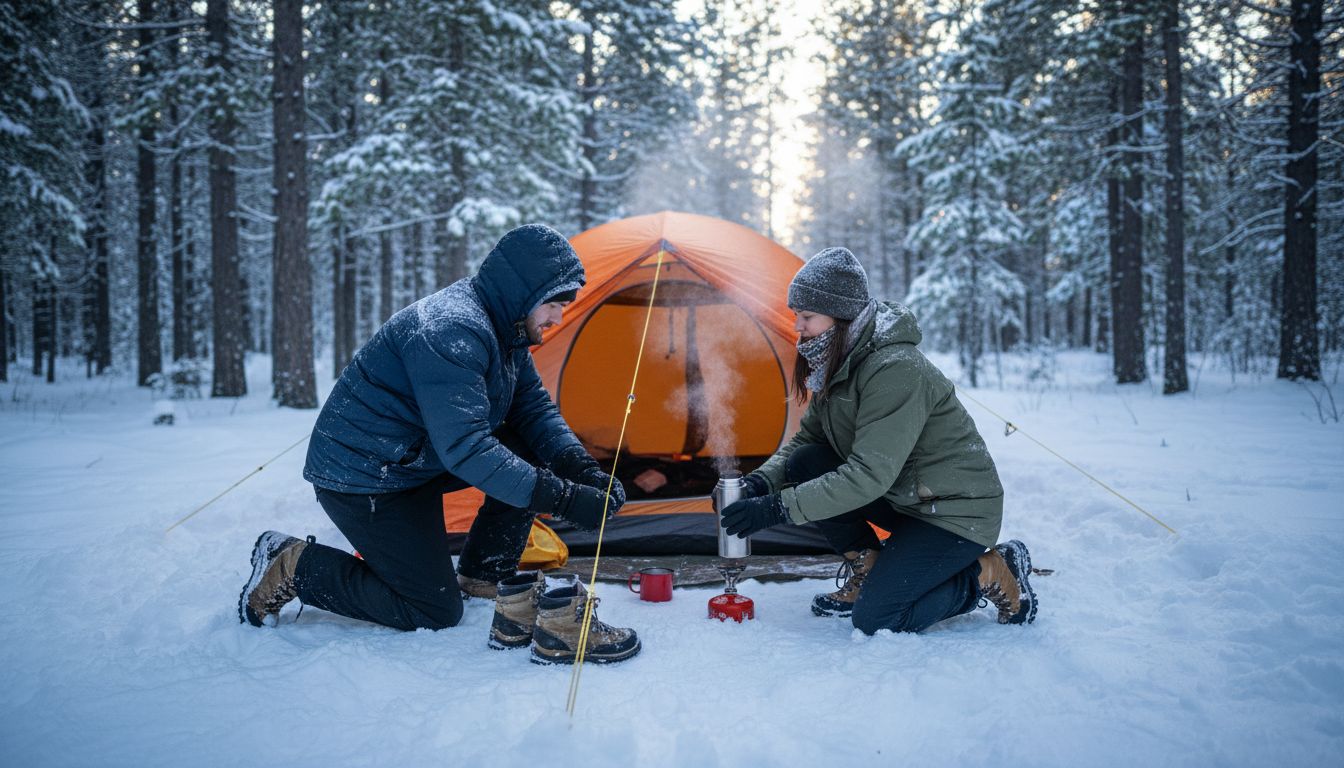
More than 40 million American outdoor enthusiasts brave freezing nights every winter. For many, preparing for a snowy adventure means more than simply packing an extra blanket or thicker socks. Winter camping calls for specialized strategies to stay safe and comfortable through extreme cold. With the right know-how and reliable gear, you can transform bone-chilling nights into memorable, rewarding experiences out in the wild.
Quick Summary
| Key Insight | Explanation |
|---|---|
| 1. Choose a four-season tent | Select a tent that offers protection against extreme weather, snow loads, and high winds. Prioritize robust designs and materials for winter survival. |
| 2. Opt for effective clothing layers | Use the W.I.S.E. layering system—wicking, insulating, and sheltering layers—to maintain warmth and dryness during camping. Avoid cotton materials. |
| 3. Manage moisture effectively | Prevent moisture buildup with appropriate fabric choices and tent ventilation. Always store extra clothing in waterproof sacks to stay dry. |
| 4. Use a high-quality sleeping system | Choose sleeping bags rated for lower temperatures and pair them with insulated pads to prevent heat loss while sleeping. |
| 5. Prepare high-calorie meals | Plan nutrient-dense, high-energy meals that are lightweight and require minimal cooking to sustain energy levels in cold conditions. |

- % Lightweight, Highly Portable, Machine washable: Weight: 5 Lbs. Packed size: 15.6 in tall and 7.6 in round. Easy foldable design along with the compression sack with straps makes it extremely convenient to carry, store and re-use. Perfect travel mate for camping, hiking and other outdoor activities. NOTE: The compression sack is included inside the sleeping bag and please fully open and unwrap the package to find it
- % Ultra Comfortable and Spacious for People Even Big and Tall: Product dimension (11.8 in + 74.8 in) * 30.7 in, which is 7.2 feet long and 2.6 feet width, it has enough space for people up to 6’10”. It is even great for Big n’ Tall! The sleeping bag is also machine washable, making it easy to clean and maintain for your next adventure. Use a gentle cycle with cold water and mild detergent. After washing, tumble dry low completely
- % Ultra Cozy and Warm Design for COLD/WARM Weather: With premium 100% 450GSM micro fiber filling aligned with top-notch shell, it ensures you get a warm and relaxing night’s sleep for all seasons – spring, summer, autumn, and winter. Temperature ranking 5F – 32F degree, (Comfort: 32F; Limit: 15F, Extreme: 5F). Note: the sleeping bag rated for a specific temperature for reference only, individual comfort levels can vary, so the experience may differ for each person
- % Skin Friendly and Super Comfy: The first-rate 190T Pongee lining is skin-friendly. What a soft silky and awesome cozy feeling you will have when completely immersing yourself into this warm, comfy peapod. USAGE: 1. Fluff the sleeping bag several times to make it lofty. 2. Bathing under sunshine for certain period will make it way better 3. Unzip the sleeping bag 4. Tuck yourself in and zip up (Tip: hold both zippers (in and out) and pull together will make things smoother)
- % High Quality and super Durable and Waterproof: Thoughtful design of Wind Buffer prevents heat losing, while the detailed anti-pinch Grosgrain Ribbon prevents zipper from snags. Top quality 210T ripstop polyester shell, 190T Pongee Lining, as well as premium 450GSM micro fiber filling. The ingenious workmanship boosts the durability to a higher level without compromising heat lost. It is not only good for warm weather, but also good for cold weather too

- NATURAL LONG-LASTING HEAT – Odorless, Disposable, Single-Use Item, Do Not Apply Directly to The Skin. TSA Approved. No shaking or kneading required
- TO ACTIVATE – Remove warmer from outer package, shake to activate. Warmer heats up in 15-30 minutes. If heat decreases, expose warmer to air and shake. After use, dispose with regular garbage.
- MULTIPURPOSE WARMERS – Single use air-activated heat packs that provide everyday warmth and are ideal for keeping your body warm when the temperature gets cold. They’re available in several styles designed for your hands, feet, and body.
- WHEN TO USE: Tailgating at Events, Outdoor Sporting Events, Hunting & Fishing, Camping & Hiking, Working in The Yard, Jogging or Taking Your Pet for A Walk. Convenient, Compact, Portable
- 10 Pads per pack for added value and convenience

- This waterproof outdoor mat has double sided aluminium foil and inside is made of EPE.
- It serves as thermal insulation, protecting the sleeping bag from cold ground. Ideal as a tent mat. Can also be used as a thermal blanket.
- Our foam mat has color: silver white, matte edges: black and weight: about 160g / 5.65oz with thickness: about 0.20 cm very thin, length about 200 cm / 78.7 inches, width: about 150 cm / 59 inches. Very good to keep warm or cold and easy to fold it.
- A good floor pad for picnics and sleeping when camping and Hiking. Also as Thermal Blanket keeping warm for cold weather.
- Foldable and easy to carry. Carry pack is included.

- Extremely Warm: The outer fabric of neck gaiter for men is made of high quality polyester and spandex , and the inner lining is made of warm fleece fabric, which effectively protects face, neck, ears and nose from cold, wind, dust and snow, keeps you warm in cold weather
- Multi-functional Neck Gaiter: The winter face mask for cold weather can be worn in various ways. It can be used as neck warmer, face cover,half balaclava, pirate hat,ski mask,scarf or used as a skiing helmet liner. You can choose the wearing way according to your need
- One Size Fit Most: The neck warmer measures 12.6in*9.8in, with four-way stretch to fit most head sizes, both men and women.The high elasticity fabric makes it not easy to slip off and not too tight to make you feel uncomfortable
- Perfect for Outdoor Activities: This neck scarf not only suitable for daily use, but also for various outdoor activities, such as skiing, snowboarding, hiking, running, hunting, fishing, cycling, climbing, or many other sports. Keeping you warm and enjoy outdoor activities
- Great Gift Idea: Our neck gaiter warmer is made with 4-needle and 6-thread sewing process, which is durable and long-lasting,perfect for Thanksgiving, Christmas and New Year gifts

- SAFE, NATURAL LONG-LASTING HEAT – Odorless, Disposable, Single-Use Item, Do Not Apply Directly to The Skin. TSA Approved. Made in the USA using domestic and imported materials. No shaking or kneading required
- TO ACTIVATE – Remove warmer from outer package, shake to activate. Warmer heats up in 15-30 minutes. If heat decreases, expose warmer to air and shake. After use, dispose with regular garbage. Ingredients will not harm the environment.
- MULTIPURPOSE WARMERS – Single use air-activated heat packs that provide everyday warmth and are ideal for keeping your body warm when the temperature gets cold. They’re available in several styles designed for your hands, feet, and body.
- WHEN TO USE: Tailgating at Events, Outdoor Sporting Events, Hunting & Fishing, Camping & Hiking, Working in The Yard, Jogging or Taking Your Pet for A Walk. Convenient, Compact, Portable. Ultra-Thin, Adhesive Backing
Last update on 2026-02-21 / Affiliate links / Images from Amazon Product Advertising API
1. Choose the Right Four-Season Tent for Winter
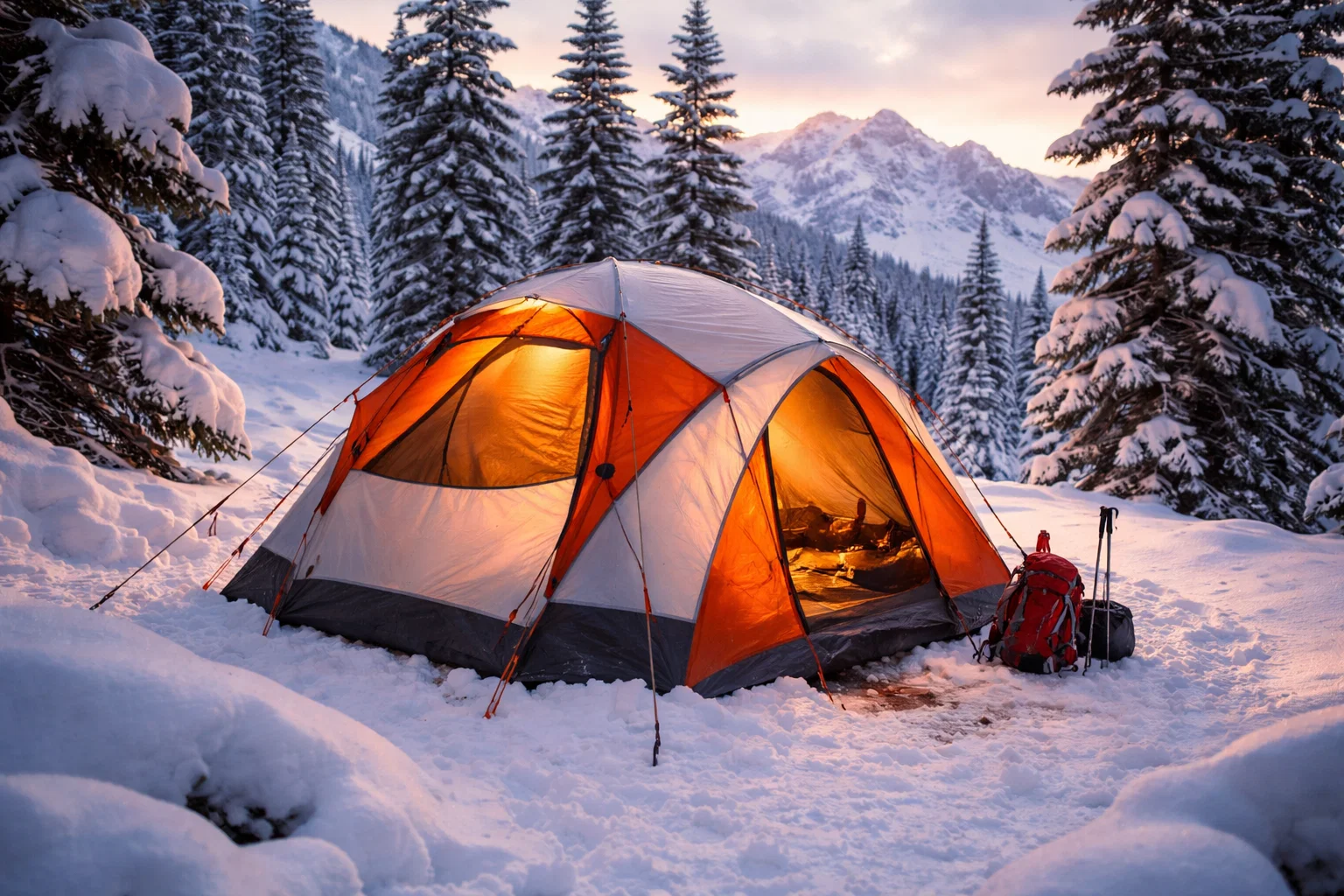
Winter camping demands specialized gear that can withstand harsh conditions, and selecting the right four-season tent becomes your first line of defense against freezing temperatures and challenging weather. Unlike standard three-season tents, four-season tents are engineered to provide superior protection against snow, wind, and extreme cold.
A true four-season tent distinguishes itself through robust construction and strategic design features. These specialized shelters feature reinforced pole structures capable of handling heavy snow loads and strong winds, with sealable mesh openings that prevent snow from entering while maintaining critical warmth retention. While they offer exceptional protection, these tents come with a trade-off they are significantly heavier, typically weighing between 6 to 8 pounds for a two-person model.
When shopping for your winter tent, prioritize key characteristics like geodesic or semi-geodesic designs, which provide maximum stability in challenging alpine conditions. Look for steep sidewalls that help shed snow, robust aluminum or carbon fiber poles, and robust ripstop fabrics with high denier ratings for increased durability. Double-wall constructions offer superior insulation, trapping warm air between layers and protecting you from condensation buildup.
Pro tip: Before your winter trip, practice setting up your four-season tent in your backyard or a controlled environment. Understanding how your tent assembles quickly can be lifesaving when you are facing freezing temperatures and challenging conditions.
2. Layer Clothing for Optimal Warmth and Comfort
Successful winter camping requires mastering the art of clothing layering a strategic approach that can mean the difference between comfort and cold misery. The W.I.S.E. layering system provides a comprehensive framework for staying warm and dry during outdoor winter adventures.
Effective winter layering follows a precise three layer strategy: Wicking Layer, Insulation Layer, and Sheltering Layer. The first wicking layer sits directly against your skin and should be made from moisture-transferring materials like merino wool or synthetic fabrics. These materials pull sweat away from your body, preventing the chilling effect of moisture buildup. Cotton is a strict no go as it retains moisture and can rapidly reduce body temperature.
Your middle insulation layer traps warm air and provides critical thermal protection. Fleece, wool, or down materials work best here, creating a warm pocket of air that maintains your body heat. The outer sheltering layer acts as your protective shield against wind, snow, and precipitation. Look for waterproof and windproof jackets and pants with robust construction that can withstand harsh winter conditions.
Pro tip: Pack an extra set of dry base layers in a waterproof stuff sack. If your initial layers become damp from sweat or snow, you can quickly change and prevent potential hypothermia risks.
3. Stay Dry: Moisture Management Techniques
Moisture management is a critical survival skill for winter camping that can mean the difference between a comfortable adventure and a potentially dangerous situation. Understanding how to control and prevent moisture buildup is essential for maintaining body temperature and preventing hypothermia.
The key to effective moisture management starts with fabric selection. Avoid cotton materials completely as they absorb and retain moisture, creating a rapid heat loss environment. Instead, choose performance fabrics like wool, polyester, and polypropylene that actively wick moisture away from your skin. These synthetic and natural fibers work by moving sweat quickly through the fabric, allowing it to evaporate and keeping you dry.
When camping in winter, moisture management extends beyond clothing to your entire camping system. Ventilate your tent regularly to reduce condensation buildup from breathing and sweating. Use a ground cloth and choose a tent with proper ventilation features. Pack extra dry socks and underwear in waterproof stuff sacks, and consider bringing moisture-wicking base layers you can change into if your initial layers become damp.
Pro tip: Always pack your extra clothing and sleeping gear in waterproof stuff sacks or dry bags. This simple step ensures you have a dry change of clothes and preserves your critical warmth reserve even if your outer layers become wet.
4. Pack Proper Sleeping Bags and Insulation Pads
Surviving a winter camping trip hinges on your ability to maintain body warmth during nighttime hours, and your sleeping system is the most critical component of this survival strategy. Understanding how to select and combine sleeping bags with proper insulation pads can make the difference between a comfortable night and a potentially dangerous cold exposure.
Temperature Rating Matters when selecting a sleeping bag for winter conditions. Choose a bag rated at least 10 degrees lower than the lowest expected temperature at your camping destination. Down and synthetic fill sleeping bags offer different advantages synthetic retains warmth even when slightly damp, while down provides superior warmth to weight ratio for experienced campers who can keep their bag dry.
Insulation pads are not optional they are essential for winter camping survival. These pads create a critical barrier between your body and the frozen ground, preventing heat loss through conduction. Look for pads with high R value ratings anything above 4.0 is recommended for winter camping. Consider combining a closed cell foam pad with an inflatable insulated pad for maximum thermal protection and comfort.
Pro tip: Store your sleeping bag and insulation pad inside your tent vestibule or near your body during the day to prevent them from getting cold. A warm sleeping system starts with smart preparation before you even go to sleep.
5. Plan High-Calorie Meals for Cold Weather Energy
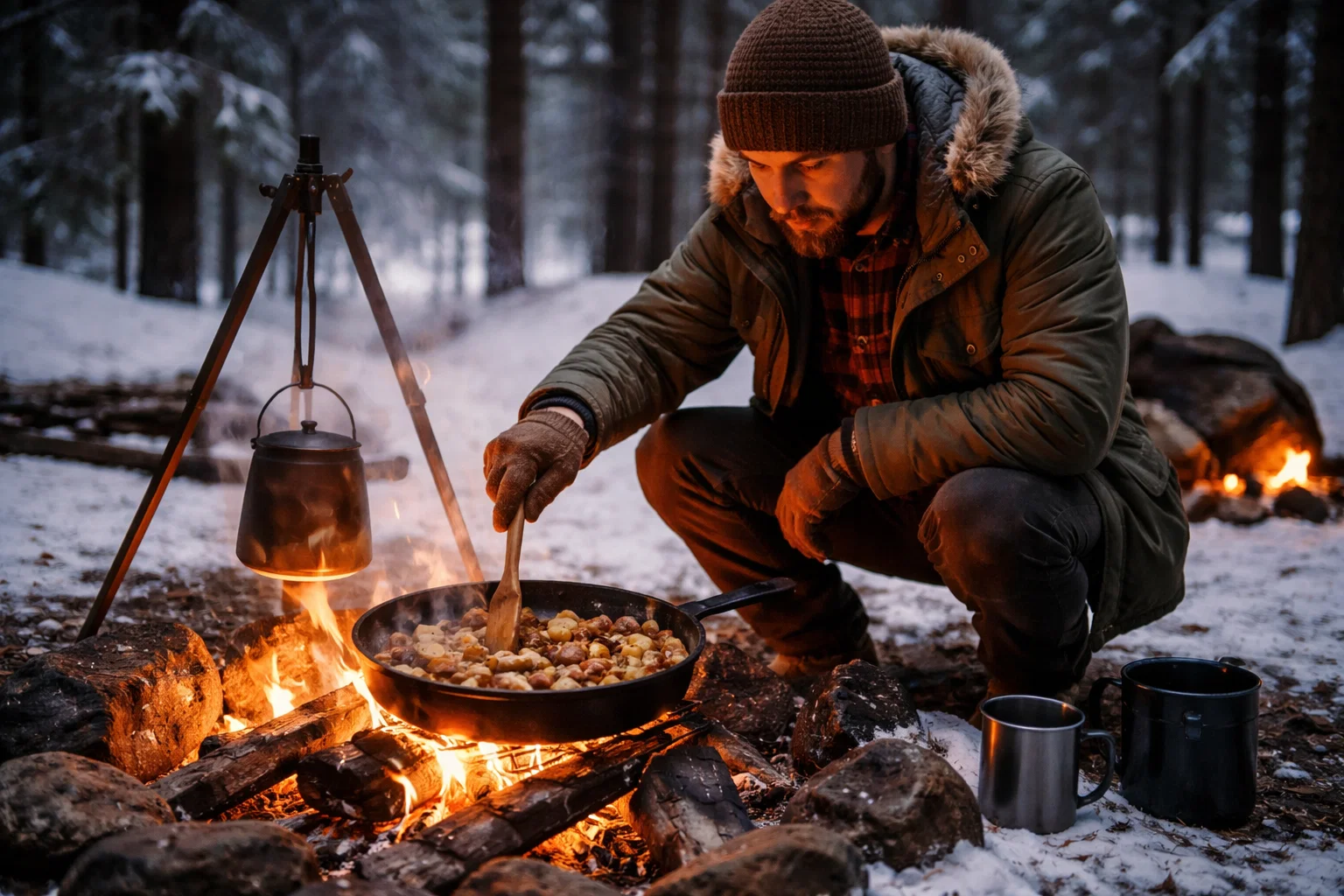
Winter camping demands a strategic approach to nutrition where food becomes more than sustenance it is your primary source of warmth and energy. Understanding how to fuel your body with the right high-calorie foods can dramatically improve your winter camping performance and comfort.
Your body burns significantly more calories in cold environments to maintain core temperature, making high-energy food selections critical. Focus on nutrient dense foods that provide a balanced mix of carbohydrates, proteins, and healthy fats. Ideal winter camping meals include oatmeal with nuts and dried fruits, pasta with olive oil and cheese, energy bars packed with nuts and seeds, and proteins like jerky or salami that offer concentrated calories without excess weight.
Meal planning should prioritize lightweight, nonperishable foods that can be easily prepared with minimal cooking equipment. Dehydrated meals, instant rice, nuts, nut butter packets, and chocolate provide quick energy and essential nutrients. Pack foods that can be eaten quickly and require minimal preparation to reduce exposure to cold temperatures while cooking.
Pro tip: Pack your high calorie snacks in easily accessible pockets close to your body. This keeps them warm and prevents them from freezing, ensuring you can eat quickly and maintain your energy reserves throughout your winter adventure.
6. Safeguard Against Frostbite and Hypothermia
Winter camping presents serious risks of cold related injuries that can quickly transform an adventure into a medical emergency. Understanding how to protect your body from extreme temperatures is fundamental to surviving winter outdoor experiences.
Frostbite and hypothermia are silent threats that develop rapidly in cold environments. Frostbite occurs when skin and underlying tissues freeze, typically affecting extremities like fingers, toes, ears, and nose. Hypothermia happens when your body loses heat faster than it can produce it, causing core body temperature to drop dangerously low. Early recognition of warning signs such as uncontrolled shivering, numbness, and skin discoloration is crucial for preventing serious harm.
Effective prevention starts with proper clothing strategy. Wear multiple layers with moisture wicking base layers, insulating middle layers, and waterproof outer layers. Protect your extremities with insulated gloves, thick wool socks, and waterproof boots. Keep your head covered, as substantial body heat escapes through an uncovered head. Always pack extra dry clothing and emergency warming items like hand warmers and emergency blankets.
Pro tip: Never ignore early warning signs of cold stress. If you or a camping partner experience persistent shivering, slurred speech, or unusual confusion, immediately seek shelter, remove wet clothing, and begin gentle warming procedures.
7. Maintain Safety With Smart Campsite Setup
A well-planned winter campsite can mean the difference between a comfortable adventure and a potentially dangerous situation. Selecting and preparing your campsite requires strategic thinking and careful consideration of environmental factors.
Location selection is your first critical safety decision. Avoid setting up camp in avalanche prone areas or low points where cold air settles. Look for naturally protected spots with wind breaks like tree lines or rock formations. When setting up on snow, take time to pack and smooth the ground, allowing the snow to sinter or harden, which creates a more stable platform for your tent.
Securing your tent becomes paramount in winter conditions. Use specialized snow stakes or create deadmen anchors by burying objects like stuff sacks filled with snow as alternative anchoring methods. Ensure your four season tent is positioned with the smallest profile facing prevailing winds, and use guy lines to provide additional stability. Proper ventilation is crucial to prevent dangerous carbon monoxide buildup from cooking or heating equipment, so keep tent mesh areas partially open even in cold conditions.
Pro tip: Always pack a small snow shovel and create a compact, level tent platform before setting up. This extra preparation can significantly improve your camping comfort and safety in winter environments.
Below is a comprehensive table summarizing winter camping strategies, focusing on gear selection, clothing, and safety measures.
| Area of Focus | Key Strategies & Actions | Benefits/Expected Outcomes |
|---|---|---|
| Four-Season Tents | Choose geodesic designs, strong pole structures, and ripstop fabrics. | Stability in harsh conditions, and protection from elements. |
| Clothing Layering | Follow W.I.S.E. system: wicking, insulation, sheltering layers. | Optimal warmth and comfort, reduced cold stress. |
| Moisture Management | Use performance fabrics like wool and polyester. Avoid cotton. | Maintains body temperature, prevents hypothermia. |
| Sleeping Bags & Pads | Select sleeping bags with low temp ratings and high R-value pads. | Comfort and safety during cold nights. |
| Nutrition Planning | Focus on high-calorie, nutrient-dense foods. | Sustains energy and warmth. |
| Cold Protection | Prevent frostbite/hypothermia with proper clothing and vigilance. | Avoidance of cold-related injuries. |
| Campsite Setup | Choose locations with natural wind breaks; ensure proper anchoring. | Enhanced safety and comfort in winter conditions. |
Prepare for Winter Adventures With Confidence and the Right Gear
Winter camping presents unique challenges such as choosing the ideal four-season tent, managing moisture, and safeguarding against cold injuries. If you want to master these critical survival skills and enjoy your outdoor experience comfortably and safely consider exploring trusted tips and gear recommendations from Tent Explorer. Our Outdoor Living category is tailored to help you make smart decisions about campsite setup and gear selection so you never get caught unprepared.
Take your winter camping to the next level by learning from detailed guides and honest reviews at Tent Explorer. Find everything you need including specialized Tent Accessories that improve warmth retention and setup efficiency. Start planning your trip today and equip yourself with knowledge and gear that ensures both safety and comfort on every cold weather adventure.
Frequently Asked Questions
What should I look for when choosing a four-season tent for winter camping?
Selecting a four-season tent requires focusing on key features like geodesic or semi-geodesic designs for stability, steep sidewalls for snow shedding, and durable materials that withstand harsh conditions. Ensure the tent can handle heavy snow loads and is equipped with good ventilation to prevent condensation.
How can I effectively layer my clothing for winter camping?
To stay warm, use a three-layer system: a moisture-wicking base layer, an insulating middle layer, and a waterproof outer layer. Choose synthetic or wool fabrics for the base and insulation layers to efficiently trap heat and wick away moisture.
What techniques help manage moisture while winter camping?
Avoid cotton fabrics and opt for performance materials like wool or polyester that wick moisture away from your skin. Regularly ventilate your tent and pack extra dry clothing in waterproof bags to keep it protected from moisture buildup.
How important are sleeping bags and insulation pads in winter camping?
Sleeping bags and insulation pads are critical for maintaining warmth during cold nights. Choose a sleeping bag rated for temperatures lower than expected and combine insulation pads with high R-values to minimize heat loss to the ground.
What high-calorie foods should I include in my winter camping meal plan?
Focus on high-energy, nutrient-dense foods like oatmeal with nuts, pasta with olive oil, and energy bars packed with protein. These selections provide essential calories and can be easily prepared in cold conditions to sustain your energy levels.
How can I safeguard against frostbite and hypothermia while camping?
Prevention starts with appropriate layering of clothing, including moisture-wicking base layers and insulated outer layers. Always monitor for early signs of cold stress, and if experienced, seek shelter immediately to warm up and change out of wet clothing.