

This blog post may contain affiliate links. As an Amazon Associate I earn from qualifying purchases.
Over one in three American families believe that camping means giving up comfort and convenience, but the reality often surprises first-timers. Deciding what to pack and how to set up a tent can feel daunting, especially when you want your trip to be safe and enjoyable for everyone. This guide breaks down the basics of selecting the right gear and mastering campsite setup, so your family can focus on making memories instead of worrying about the small stuff.
Key Takeaways
| Point | Details |
|---|---|
| Family Camping Enhances Bonds | Engaging in shared camping experiences fosters stronger family connections and emotional ties, promoting teamwork and effective communication. |
| Adaptability is Key | Family camping can be enjoyed at various comfort levels, from traditional tent setups to luxury glamping, making it accessible for all. |
| Preparation is Essential | Selecting appropriate gear and organizing campsite layout are crucial for a successful and enjoyable family camping trip. |
| Budgeting for Costs | Understanding potential expenses, including campsite fees and equipment, helps families plan financially for their camping adventures. |
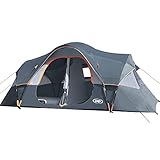
- Spacious for 10 Person: Unique 18 ft x 9 ft x78 in, well fitting 10 sleeping bags or 3 queen air mattress, ideal for family camping.
- Easy-up Tent: There are no particular skills needed. Two people can set it up in 10 minutes. A bigger carry bag size of 25.6 x10.2 x 10.2 inches will let you feel relaxed and easily repack the tent.
- Good Ventilation, Large View: Top Large Mesh Roof makes it possible to watch stars with a wide view at night, three sides of big mesh windows, and the other two on each door boost air ventilation.
- 2 Room Tents: Hang one Privacy Divider Curtain from the ceiling, the tent becomes a room cabinet tent with 2 doors, which improves privacy. With a projector, the tent can also become an outdoor cinema by projecting videos on the divider screen.
- Quality Material: Polyester 185T PU1000mm fabric waterproof. Vestibular awning and extended awning design in rainfly better prevent rain from dropping inside.

- ROOMY INTERIOR: Straight wall design with 72in center height create more space to stand up changing and move
- WEATHER PROTECTION: High-tech coating material with sealed seams and waterproof strip guarantees water-resistant
- EASY SETUP & COLOR COATED POLES: No particular skills needed, 2 people could set up the tent easily in 5 min
- GREAT VENTILATION: Mesh tent top and doors offer great views and ventilation
- 2 ROOMS: A separated curtain can be used as room divider and projector screen

- Roomy 8 People Family Tent: Spacious tunnel design family outdoor tent for 8 people, with a size 20′ (14’+6′) x 9′ x 80″(H), it is enough for 2 full air mattresses or 8 sleeping bags. An 80-inch height is enough for you to stand up while walking in the tent.
- Breathable Mesh Windows: Stay cool with 4 oversized mesh windows,2 doors with mesh ceiling! Cross-ventilation keeps condensation at bay while letting you enjoy panoramic views. Watch sunrise through the extended front mesh – your morning coffee just got a scenic upgrade.
- Quality Material: The 1500mm polyurethane hydrostatic-rated coating is high-tech and waterproof. Simultaneously using 8 steel leg poles, exhibiting better resistance to pressure and higher bending performance, maintains the stability of the tent structure.
- Easy Set-Up for 1 to 2 People: This 8-person tent comes with clear installation instructions and can be easily installed by 2 people in 15 minutes through color coding. The carry bag is 11.5 x 11.5 x 25.5 inches. The camping tent weighs 30 lb, Ideal for family car camping or camping site.
- After-Sale Service: UNP camping tent offers unconditional 1-year quality assurance. If you have any questions about the tents, we’ll give you a satisfactory solution in 12 hrs.
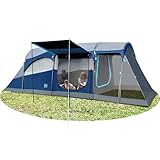
- WEATHER PROTECTION: Constructed from 66D fabric with a water-resistant coating, this tent is designed to offer protection against rain. The removable rainfly and tunnel shape contribute to its ability to withstand various weather conditions, making it suitable for different camping environments.
- STURDY CONSTRUCTION: The tent features upgraded fiberglass poles that enhance its structural integrity, providing better resistance to pressure and improved flexibility. It also includes an E-port for convenient access to power and multiple wall storage pockets for organization.
- VENTILATION AND VISIBILITY: The design includes a mesh ceiling, windows, and doors to promote ventilation and provide an open view of the surroundings. This feature helps maintain airflow and allows for stargazing at night.
- SETUP AND STORAGE: The tent is designed for ease of setup, with color-coded poles and clear instructions that enable two people to assemble it in approximately 15 minutes. It can be conveniently stored in a large carry bag for transport.
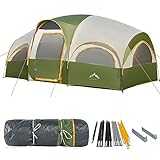
- 【 High-Quality Waterproof Fabric】: The inner layer and outer layer are expertly crafted with 190 T ripstop polyester fabric, offering outstanding waterproofing with its PU2000 mm coating. Unwavering stability is ensured by strong fiberglass poles, promising a long-lasting camping experience
- 【Breathable and Ventilation Design】: The camping tent has 1 large mesh door and 4 mesh windows. The top canopy design allows for maximum ventilation and light, ensuring a comfortable experience while taking in the beauty of the outdoors
- 【Roomy for 8 People Family Tent】: The tents for camping are suitable for 8 members family. With the dimension of 169(L) x 95(W) x 76(H) inches. It is suitable for 3 queen air mattresses or 8 sleeping bags. It is an ideal choice for families who enjoy spending quality time together outdoors
- 【Easily Assembled and Stored】:This family tent is easy to set up, with a straightforward design that allows for quick and effortless assembly by two people in 10 minutes and easily disassembled and packed away into its compact carrying bag for convenient storage
- 【Enjoy Your leisure Time】: Ideal for outdoor camping, hiking, or car trips in any weather condition. Whether you’re going with friends, or with family, our product is suitable for all occasions
Last update on 2026-04-09 / Affiliate links / Images from Amazon Product Advertising API
Defining Family Camping and Common Myths
Family camping represents more than just pitching a tent outdoors – it is a transformative experience that strengthens family connections and creates lasting memories. Research exploring family camping experiences reveals profound impacts that go far beyond simple outdoor recreation.
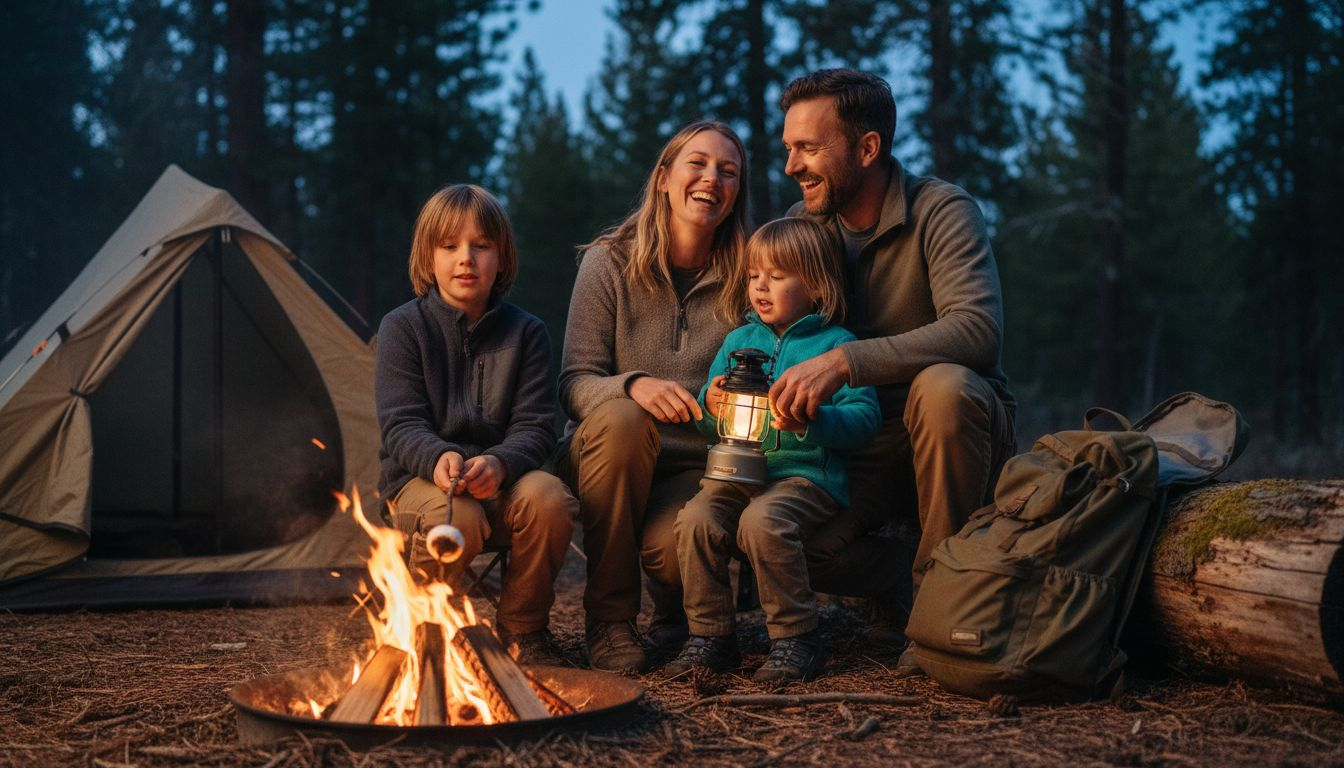
Contrary to common misconceptions, family camping is not just about roughing it in the wilderness or requiring advanced outdoor skills. It encompasses a wide range of experiences from backyard tent setups to organized campground adventures. The core essence is shared experiences, learning together, and disconnecting from digital distractions to reconnect with each other and nature. Psychological studies on co-created camping experiences demonstrate that these shared moments significantly enhance family cohesion and resilience.
Common myths about family camping often discourage potential adventurers. Many believe camping requires expensive equipment, extensive outdoor expertise, or is only for physically fit families. In reality, camping can be adapted to various skill levels, budgets, and comfort preferences. Modern camping options range from basic tent experiences to glamping setups with comfortable amenities, making outdoor adventures accessible to families with diverse needs and backgrounds.
Pro tip: Start with a short overnight camping experience near home to build confidence and familiarize everyone with outdoor basics before planning longer trips.
Types of Family Camping Experiences
Comprehensive camping reports reveal that family camping experiences have dramatically evolved, offering diverse options to suit different preferences and comfort levels. Modern families can choose from traditional tent camping, RV adventures, glamping experiences, and cabin rentals, each providing unique opportunities for outdoor connection and shared memories.
Traditional tent camping remains a foundational experience where families learn essential outdoor skills and create intimate connections with nature. This approach typically involves setting up a tent in established campgrounds or more remote wilderness areas, encouraging direct interaction with the natural environment. Qualitative research on family camping traditions highlights how these experiences serve multiple purposes beyond recreation, including outdoor education, community building, and cultural exploration.
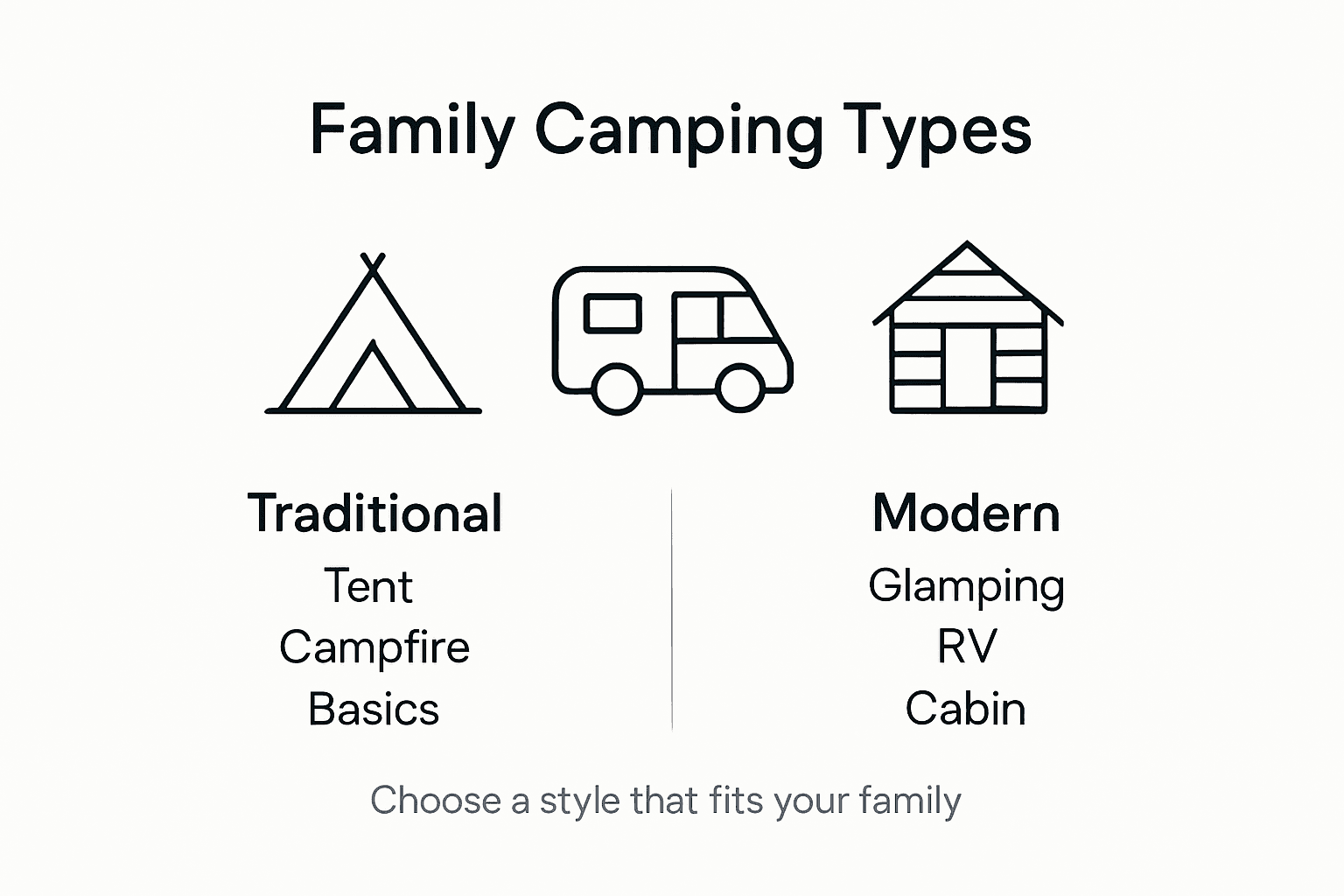
Moreover, contemporary family camping has expanded to include more comfortable and accessible options. Glamping provides luxury accommodations with amenities like comfortable beds, electricity, and sometimes even private bathrooms. RV camping offers mobile living spaces with increased comfort and flexibility, allowing families to explore multiple destinations while maintaining a sense of home. Cabin rentals represent another popular option, providing shelter and basic conveniences while still offering proximity to outdoor activities and natural landscapes.
Here’s a quick comparison of popular family camping styles and what they offer:
| Camping Style | Comfort Level | Typical Amenities | Adventure Factor |
|---|---|---|---|
| Tent Camping | Basic to Moderate | Tent, sleeping bags, fire ring | High, direct nature |
| RV Camping | High | Beds, kitchen, restroom | Moderate, mobile |
| Glamping | Luxury | Real beds, electricity, bathroom | Low, comfort focused |
| Cabin Rental | Moderate to High | Shelter, beds, sometimes kitchen | Moderate, weatherproof |
Pro tip: Select a camping style that matches your family’s comfort level and outdoor experience, gradually progressing to more adventurous options as everyone becomes more confident.
Essential Gear and Campsite Setup Basics
Comprehensive family camping preparation begins with selecting the right gear and understanding strategic campsite setup. For first-time family campers, choosing appropriate equipment is crucial to ensuring comfort, safety, and an enjoyable outdoor experience. A well-planned approach involves carefully selecting essential items that cater to each family member’s needs while maintaining practicality and ease of use.
The foundation of successful family camping starts with shelter and sleeping arrangements. Families should invest in a spacious tent with multiple rooms, allowing privacy and separate sleeping areas for adults and children. Sleeping bags designed for different age groups, along with extra blankets and pillows, help ensure everyone stays warm and comfortable throughout the night. Equally important are cooking supplies like portable stoves, lightweight cookware, and utensils that enable families to prepare meals efficiently in outdoor settings.
Campsite setup requires thoughtful organization and strategic planning. Families should create distinct zones for sleeping, cooking, and recreational activities, ensuring safety and functionality. Essential safety supplies like first aid kits, insect repellent, and emergency communication devices should be easily accessible. Campsite setup strategies emphasize the importance of choosing level ground, maintaining a clean environment, and establishing clear boundaries that keep children safe while allowing them to explore and enjoy nature.
Pro tip: Practice setting up your tent and organizing campsite equipment at home before your trip to reduce stress and increase confidence during actual camping.
Benefits of Camping Together as a Family
Research on family camping experiences reveals profound psychological and emotional benefits that extend far beyond simple outdoor recreation. Family camping creates a unique environment where members can disconnect from digital distractions and reconnect with each other through shared experiences, challenges, and moments of discovery.
The collaborative nature of camping fundamentally transforms family dynamics. Each member contributes to camp setup, meal preparation, and daily activities, fostering a sense of teamwork and mutual responsibility. Children learn practical skills like fire building, tent setup, and outdoor navigation, while parents experience the joy of watching their children develop confidence and problem-solving abilities. Scientific studies on family camping demonstrate that these shared experiences significantly enhance family cohesion, resilience, and emotional connections.
Moreover, camping provides unparalleled opportunities for physical and mental well-being. Families engage in increased physical activity, experience reduced stress levels, and enjoy direct exposure to natural environments. The absence of digital interruptions allows for meaningful conversations, storytelling, and creating lasting memories. Outdoor experiences teach adaptability, patience, and cooperation, serving as powerful developmental tools for both children and adults.
Pro tip: Create a family camping tradition by establishing small, meaningful rituals like shared storytelling around the campfire or a special meal prepared together.
Safety, Legal Rules, and Trip Costs
Camping regulations and booking policies vary significantly across different destinations, making thorough research crucial for a successful family camping trip. Understanding the legal landscape involves knowing local restrictions, campsite rules, reservation requirements, and potential additional fees that can impact your overall budget and experience.
Safety represents a critical consideration for family camping adventures. Comprehensive camping safety guidelines emphasize the importance of creating kid-safe environments, establishing clear boundaries, and preparing for potential emergencies. Parents should focus on selecting family-friendly campsites with appropriate facilities, teaching children age-appropriate safety rules, and maintaining constant supervision. Essential safety preparations include carrying comprehensive first aid kits, understanding local wildlife risks, and developing emergency communication plans.
Trip costs can vary dramatically based on location, amenities, and camping style. Families should budget for campsite fees, which typically include pitch size, number of vehicles, and additional utilities. Peak season camping often requires advance reservations and may incur higher rates. Additional expenses include specialized camping gear, transportation costs, food, and potential activity or park entrance fees. Smart planning involves comparing different campsite options, understanding cancellation policies, and looking for package deals or off-peak discounts that can significantly reduce overall expenses.
Review this summary of key trip costs and what to watch for when budgeting:
| Cost Category | Typical Range | Notes and Considerations |
|---|---|---|
| Campsite Fees | $20–$75 per night | Higher in peak season or for full hookups |
| Gear & Equipment | $150–$600 initial | One-time investment, rentals available |
| Food & Supplies | $30–$90 per trip | Plan meals ahead to control costs |
| Transportation | Varies by distance | Gas, vehicle rental, park entry fees |
Pro tip: Create a detailed budget spreadsheet tracking all potential camping expenses, including hidden costs like equipment rentals and emergency supplies, to avoid financial surprises.
Discover Confident Family Camping with Expert Tips and Gear Guidance
Family camping opens the door to unforgettable bonding moments but often presents challenges like choosing the right tent, managing campsite setup, and balancing comfort with adventure. If you want to avoid common frustrations such as complicated gear, unclear campsite organization, or safety concerns you are not alone. The article highlights how essential a well-prepared approach is to creating joyful and stress-free family camping experiences.
At Tent Explorer you will find practical advice tailored for family campers who want to build confidence and ease every step of the way. From selecting spacious tents that suit your family’s needs to mastering campsite setup basics and embracing outdoor living styles that bring comfort alongside nature, our resources cover it all. Start your journey with Tent Tips – Tent Explorer to learn proven strategies for gear and camp life.
Ready to turn family camping into a rewarding tradition filled with strong connections and lasting memories Explore our comprehensive guides and gear reviews at Outdoor Living – Tent Explorer now. Don’t wait for the perfect moment or flawless experience because great family adventures begin with a single step Visit Tent Explorer to empower your next trip today.
Frequently Asked Questions
What is family camping?
Family camping is an outdoor experience that involves families spending time together in nature, typically by setting up camp in tents, RVs, or cabins. This activity fosters stronger family bonds, encourages teamwork, and creates lasting memories.
What are the benefits of family camping?
Family camping offers numerous benefits, including improved family cohesion, enhanced communication, reduced stress, and opportunities for physical activity. It allows families to disconnect from digital distractions and reconnect with each other and nature.
Do you need advanced outdoor skills to go family camping?
No, family camping can be adapted to various skill levels. Many camping experiences, such as glamping or staying in cabins, require minimal outdoor skills, making it accessible for families with different backgrounds and comfort levels.
What essential gear do I need for family camping?
Essential gear for family camping includes a spacious tent, sleeping bags, cooking supplies, and safety equipment such as a first aid kit. It’s also important to have outdoor gear tailored to each family member’s needs to ensure a comfortable experience.