
This blog post may contain affiliate links. As an Amazon Associate I earn from qualifying purchases.
📋 Table of Contents
- Key Takeaways
- Defining Tent Packed Size and Common Myths
- How Tent Packed Size Is Measured
- Packed Size vs. Tent Weight and Capacity
- Packed Size Differences by Tent Type
- Mistakes to Avoid When Choosing Packed Size
- Master Tent Packing and Choose the Perfect Shelter for Your Next Adventure
- Frequently Asked Questions
- Recommended
Many American campers are surprised to learn that packed size influences everything from gear storage to hiking comfort. With over 60 percent of North American outdoor enthusiasts traveling with limited trunk or backpack space, choosing a tent with the right packed dimensions is crucial. This guide uncovers common myths and mistakes about tent packed sizes, showing how smart choices can prevent headaches and save money both on the trail and at the campsite.
Key Takeaways
| Point | Details |
|---|---|
| Tent Packed Size Matters | It’s the volume and dimensions of your tent when collapsed, affecting transport and storage. |
| Packed Size Isn’t Just Volume | Consider weight, material compressibility, and ease of repacking rather than just dimensions. |
| Understand Weight Measurements | Recognize the difference between packed weight, trail weight, and tent capacity for better selection. |
| Choose Wisely Based on Type | Different tent types, like freestanding and ultralight, vary greatly in packed size and portability. |

- TENTS FOR CAMPING 2 PERSON: With two D-Shaped doors and two vestibules to accommodate up to two people. Weight: 5.5lb(2.5kg). Interior floor dimensions: 88.6×53.1in(225x135cm), interior height: 43.3in(110cm).
- PROFESSIONAL WATERPROOF & WINDPROOF: By a professional water testing, waterproof index up to 3000mm; Welded floor design elevates the bottom of the backpacking tent to protect you from wet grounds; full-coverage rainfly for added protection against rain.
- EASY SETUP:Easy Install in 3 mins. It takes only a few simple steps to set up a perfect tent. It comes with 7001 series aluminum poles and eflective guyline for wind-resistance. Smooth & sturdy #8 zippers never stuck.
- VENTILATION & LIGHTWEIGHT:A large mesh window with 2 ceiling vents in the upper portion of the tent provide airflow to prevent condensation buildup; Micro-mesh fabric enhances breathability and comfort, get away from the city lights, and you are able to gaze at the milky way.
- NO RISK PURCHASE: Making you a happy customer is our main goal. If you have any questions, please contact us and we will get back to you within 24 hours and provide the perfect solution.

- Large Space and Lightweight: Venustas beach tent has spacious space with a size of 86.6″L x 59″ W x 48″H, 30% bigger than other beach tents at similar prices. Meanwhile, only weight like 3 tins of beer, a lightweight package makes it easy to carry.
- Updated Material: Venustas beach canopy has premium 190T Special silver coated polyester fabric, 4 layers of fabric to achieve UV protection, shading, and heat insulation. 4-sided ventilation design providing excellent ventilation. The floor extends 40 inches for an extra activity room. 3 curtains protect your privacy.
- Easy Set Up: Venustas shade sun tent is much easier to fold than a Pop-up tent. Setting up this beach tent is a fast and easy process that can be done in minutes. The unique folding capability of this tent allows it to be taken down and stored anywhere. It could also fold into a portable carry bag.
- Excellent Quality: Venustas beach sun shelter update the 8mm fiberglass frame is safer, more enduring, and rust-free (exactly the same standards as Decathlon use), which support the tent stably stand by itself, and keeps shape after a long time of use. Meet EU standard quality, with EU and US patents.
- Multiple Places for Using: Venustas beach shade tent perfectly fits any activities at the park, beach, lake, camping, hiking, fishing or weekend trip, sporting events, music festivals, or for just relaxing in the back yard or at home.

- 【Protect Your Hands】 Night Cat backpacking tent (ZP-10) uses the upgraded fiberglass pole that is fully covered with PROTECTION CASE. Comparing the traditional fiberglass pole under single layer only, the double layer design can protect your hands when assembling to avoid the tiny scrap inserting your hands
- 【Fits One Person Nicely】Inner size: 7.0*3.8*3.6ft. The camping tent fits for 1 person perfectly with enough storage space for accessories like backpack, clothing, footwear, etc. Or 1 adult and 1 child are still capable to sleeping together
- 【Lightweight & Compact】 Weight: 2kg (4.4lb), package size is quite compact, 42*12*12cm(16.5*4.7*4.7in) thanks to the foldable poles. Ideal dome tent for camping,backpacking, motorcycling, biking, hiking. Nice gift idea for boy scouts tent, teens, kids playing at home or backyard
- 【Heavy Rainproof & Great Ventilation】The rainproof polyester fabric PU 3000mm, every inseam and stitching must seal with enhanced waterproof tape, ensures this 1 person tent is heavy rainproof even in the storm. Big opening mesh door and mesh window on roof can lead fresh air flow smoothly while keeping the fly bugs out
- 【Easy Setup & Take Down 】Two fiberglass tent poles are inserted into the diagonal sleeves manually will take 1 to 2 minutes to finish the whole setup. To take down and storage the single person tent is also simple and fast

- 2 PERSON TENT – This lightweight two-person small tent has enough space for you and a friend. This tent for camping is ideal for hiking, fishing, weekend music festivals, or as a beach tent, making it the perfect addition to your camping essentials.
- CONVENIENT FEATURES – The tent for beach features fiberglass poles, a removable rain fly to protect against unexpected weather, a ventilation window to encourage comfortable airflow, and an interior storage pocket to keep your camping supplies organized.
- DUAL-LAYER DOOR – The combination of the inner screen layer and the outer zippered fabric layer of the easy-up tent door provides plenty of air as well as privacy. Simply secure the doors with sewn-in ties to let the breeze in and keep mosquitos out.
- EASY SETUP – Setup and tear down of this 2 person pop up tent are quick and easy. When you are finished with your trip, simply place the tent components back into the included carrying bag for easy storage with your other camping accessories.
- PRODUCT DETAILS – Materials: 190T Polyester and Fiberglass. Dimensions: (L) 77″ x (W) 57″ x (H) 40″; Pole Diameter: 3mm; Carrying Bag: (L) 23″ x (W) 4″. Weight: 2.75lbs. Capacity: 2 People. Color: Blue and Gray.

- Included rainfly offers extra weather protection
- Strong frame withstands 35+ mph winds
- Large windows and a ground vent for superior ventilation
- E-Port makes it easy to bring electrical power inside
- Easy setup in 10 minutes
Last update on 2026-06-08 / Affiliate links / Images from Amazon Product Advertising API
Defining Tent Packed Size and Common Myths
Tent packed size represents the total volume and dimensions of your tent when fully collapsed and ready for transport. This measurement includes all components like tent fabric, poles, stakes, and rainfly, determining how easily you can carry and store your camping shelter. Tent pack size truly matters more than many campers realize.
Contrary to popular misconceptions, packed size isn’t just about minimizing volume. The shape, weight distribution, and compressibility of tent materials significantly impact portability. Some campers mistakenly believe a smaller packed size automatically means a lighter tent. However, the reality is more nuanced. Ultralight tents might compress differently, and compact packaging doesn’t guarantee easy carrying.
Campers should consider several critical factors beyond raw dimensions. These include:
- Weight of the packed tent
- Compression quality of tent materials
- Ease of repacking in different weather conditions
- Compatibility with your backpack or storage system
- Durability of compression straps and stuff sacks
Pro tip: Always practice collapsing and packing your tent at home before your camping trip to understand its true packed size and potential challenges.
How Tent Packed Size Is Measured
Tent packed size is a precise measurement that goes beyond simple length and width. Manufacturers typically determine packed dimensions through standardized compression techniques that account for all tent components including fabric, poles, stakes, and rainfly. The process involves carefully folding and compressing the entire tent system into its designated stuff sack or carrying case.
Measurement typically involves three primary dimensions: length, width, and diameter or circumference. Professional tent designers use specialized compression methods to ensure consistent reporting. These measurements help campers understand how much space the tent will occupy in a backpack, vehicle trunk, or storage area. Some manufacturers provide both compressed and uncompressed size specifications to give consumers a comprehensive understanding of the tent’s portability.
Key factors that influence packed size measurement include:
- Tent material flexibility
- Pole design and compressibility
- Quality of compression straps
- Specific folding techniques used
- Individual packing skill and method
Understanding packed size requires recognizing that these measurements can vary slightly between individual users. A tent’s packed size is not a fixed, unchanging number but a general guideline that depends on careful folding and compression techniques.
Pro tip: Practice folding and packing your tent multiple times to develop a consistent compression method that matches manufacturer specifications.
Packed Size vs. Tent Weight and Capacity
Understanding the relationship between packed size, tent weight, and capacity is crucial for making informed camping gear choices. Tent weight and packed dimensions are interconnected but not always directly proportional, creating a complex decision matrix for outdoor enthusiasts. Manufacturers often provide multiple weight measurements, including packed weight, trail weight, and minimum weight, which can significantly impact a camper’s gear selection process.
Tent capacity ratings can be surprisingly misleading. While a tent might be marketed as a “four-person” model, the actual usable space often feels much more cramped than expected. Most manufacturers use minimal spacing standards that assume tight, shoulder-to-shoulder sleeping arrangements. This means a four-person tent might comfortably accommodate only two or three campers who desire personal space and gear storage.
Key differences between packed size, weight, and capacity include:
- Packed Weight: Total weight of all tent components when bundled for transport
- Trail Weight: Minimal weight of essential tent components
- Tent Capacity: Theoretical number of people who can fit inside
- Packed Size: Physical dimensions when compressed into stuff sack
Ultimately, these measurements interact in complex ways. A lightweight tent might have a smaller packed size but compromise on durability or comfort. Heavier tents could offer more spacious interiors and better weather resistance. Campers must balance these factors based on their specific outdoor needs and transportation constraints.
This table helps clarify how packed size differs from weight and capacity:
| Measurement | What It Describes | Typical Importance |
|---|---|---|
| Packed Size | Tent’s storage dimensions | Storage efficiency |
| Packed Weight | Weight with accessories | Carrying burden |
| Trail Weight | Weight of core parts | Backpacking comfort |
| Capacity | Max people that fit | Group planning |
Pro tip: Always test pack your tent at home and compare its actual compressed size against manufacturer specifications to avoid unexpected surprises during your camping trip.
Packed Size Differences by Tent Type
Campers and backpackers encounter significant packed size variations depending on their tent type. Freestanding and non-freestanding tents demonstrate dramatically different compressed dimensions, which directly impact transportation and storage strategies. The structural design of each tent category plays a crucial role in determining its final packed volume, affecting everything from backpack storage to vehicle transportation.
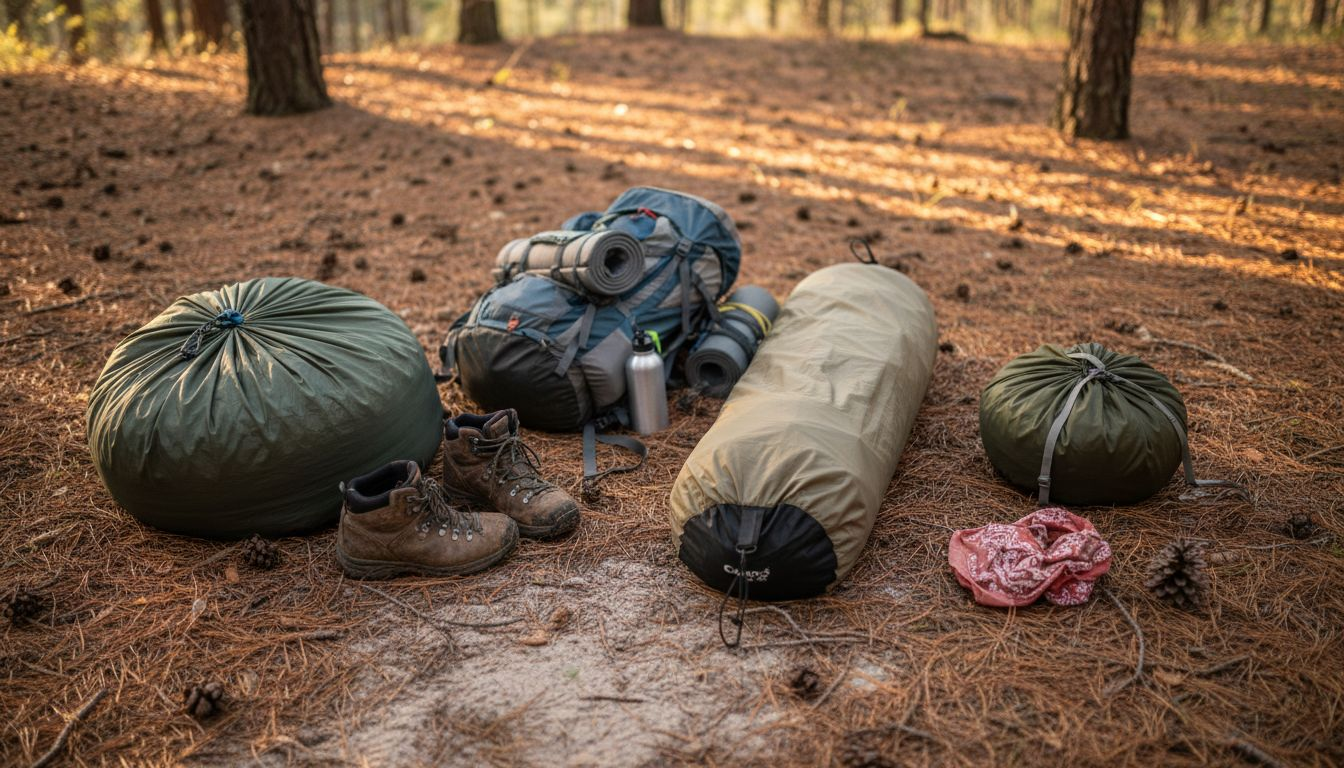
Freestanding tents typically feature rigid pole systems that create bulkier packed sizes. These tents maintain their shape independently and require complete pole assemblies, resulting in larger compressed volumes. Non-freestanding tents, by contrast, utilize minimalist designs that often incorporate trekking poles or lightweight supports, enabling more compact packing. Ultralight backpackers frequently prefer non-freestanding options specifically for their reduced packed dimensions and lower overall weight.
Key packed size differences across tent types include:
- Backpacking Tents: Typically smaller, more compressed
- Car Camping Tents: Larger packed sizes with more robust materials
- Ultralight Tents: Minimal packed dimensions, often under 16 inches long
- Four-Season Tents: Bulkier packed sizes due to additional weatherproofing materials
Material selection and design philosophy further influence packed size. Lightweight synthetic fabrics and innovative pole technologies continue to push the boundaries of tent compressibility, allowing manufacturers to create increasingly compact shelter solutions for outdoor enthusiasts.
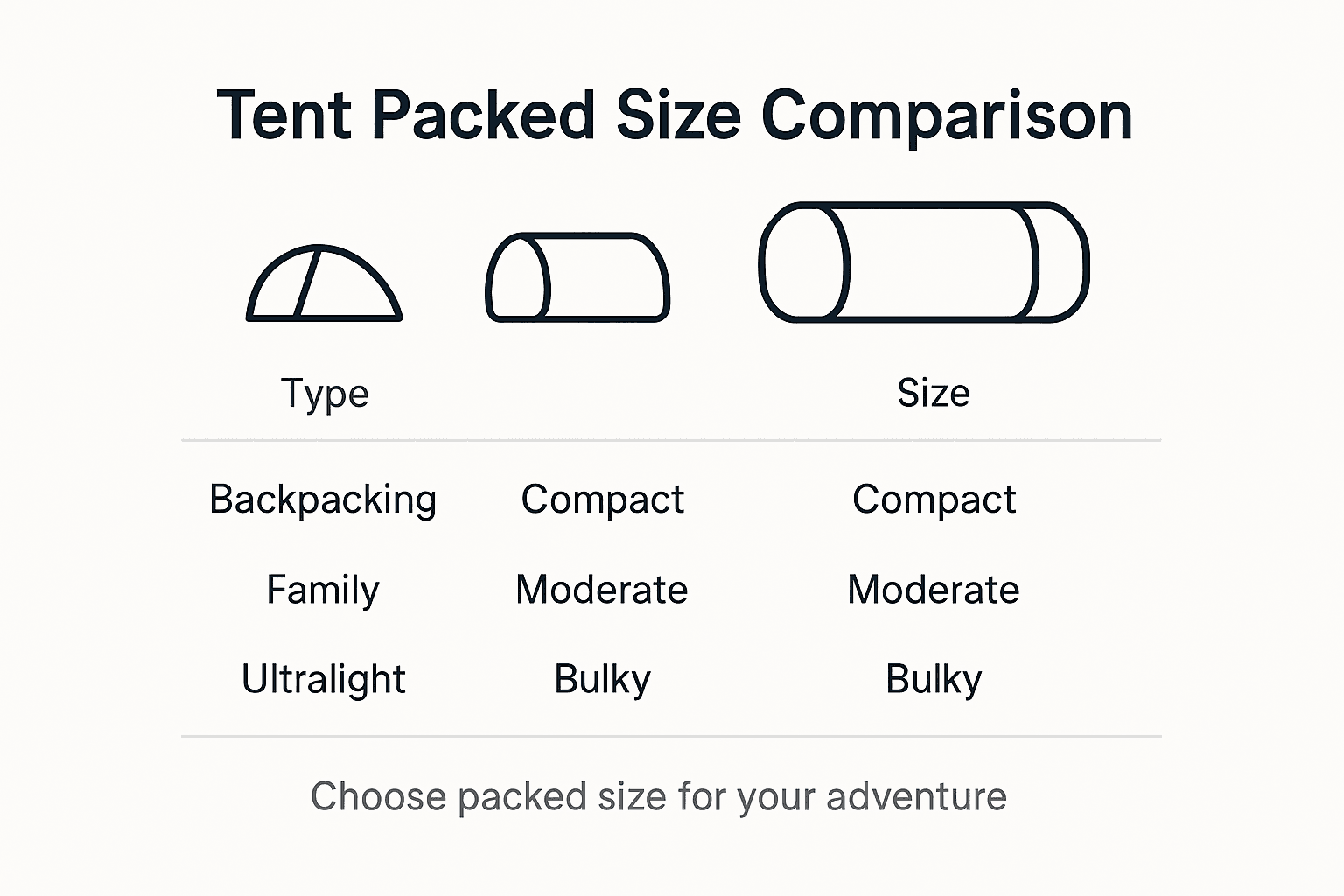
Here’s how different tent types compare by portability features:
| Tent Type | Typical Packed Size | Portability Level |
|---|---|---|
| Backpacking | Compact, under 20 in. | Very high for hiking |
| Car Camping | Bulky, 24-32 in. long | Moderate, car-only |
| Ultralight | Minimal, under 16 in. | Exceptional for travel |
| Four-Season | Large, over 24 in. | Lower, suited for basecamp |
Pro tip: Invest in a compression stuff sack to reduce your tent’s packed size by up to 30% and maximize your backpack storage efficiency.
Mistakes to Avoid When Choosing Packed Size
Tent selection requires careful consideration beyond simple packed size measurements. Campers frequently make critical errors when evaluating tent portability, focusing too narrowly on compressed dimensions without understanding broader implications for comfort and functionality. These oversights can significantly impact outdoor experiences, turning what should be an enjoyable adventure into a logistical challenge.
One of the most common mistakes is obsessing over minimal packed size while neglecting critical factors like interior space, weight distribution, and overall usability. Ultracompact tents might seem appealing, but they often compromise critical elements such as headroom, gear storage, and weather resistance. Backpackers and campers must balance the desire for lightweight, compact gear with the need for practical, comfortable shelter that can withstand varying environmental conditions.
Key mistakes to avoid when selecting tent packed size include:
- Ignoring Total Gear Weight: Packed size is only one component of transportability
- Overlooking Personal Space Requirements: Cramped shelters reduce camping enjoyment
- Neglecting Terrain Adaptability: Some compact tents perform poorly in challenging environments
- Prioritizing Size Over Durability: Extremely small tents may use inferior materials
- Failing to Consider Personal Camping Style: Weekend car campers have different needs than long-distance backpackers
Effective tent selection demands a holistic approach that considers multiple variables. Packed size matters, but it should not be the sole determining factor in your purchasing decision. Understanding how different design elements interact can help you choose a tent that provides the right balance of portability, comfort, and performance.
Pro tip: Always test pack your tent and assess its compressed size alongside your specific trip requirements before making a final purchase.
Master Tent Packing and Choose the Perfect Shelter for Your Next Adventure
Understanding the challenge of balancing packed size with comfort and durability can transform your camping experience. If you want to avoid surprises like bulky packs or cramped interiors, learning proven packing techniques and selecting tents that truly fit your needs is essential. The article highlights key terms such as “packed size,” “trail weight,” and “tent capacity,” which are critical when planning your gear.
Explore our expert advice in the Tent Tips – Tent Explorer section where we break down practical strategies to pack efficiently and choose a tent that matches your camping style. Ready to find the ideal tent that balances compactness with comfort Visit Buying A Tent – Tent Explorer for detailed reviews and buying guides. Start your journey with confidence by visiting Tent Explorer and equip yourself with actionable knowledge today.
Frequently Asked Questions
What does tent packed size mean?
Tent packed size refers to the total volume and dimensions of a tent when it is fully collapsed and ready for transport, including all components such as the tent fabric, poles, stakes, and rainfly.
How is tent packed size measured?
Tent packed size is measured by compressing the entire tent system into its designated stuff sack or carrying case, and it typically includes length, width, and diameter or circumference measurements.
Why is it important to consider packed size when choosing a tent?
Considering packed size is crucial because it affects how easily you can carry and store your tent, impacting your overall camping experience. A compact tent is much easier to transport, particularly for backpackers.
What are some common mistakes to avoid regarding tent packed size?
Common mistakes include ignoring total gear weight, overlooking personal space requirements, neglecting terrain adaptability, prioritizing size over durability, and failing to consider individual camping styles.