
This blog post may contain affiliate links. As an Amazon Associate I earn from qualifying purchases.
📋 Table of Contents
- Quick Overview- Outdoor Cooking Methods for Campers
- 1. Mastering Classic Campfire Cooking
- 2. Using a Portable Camping Stove Safely
- 3. Enjoying Dutch Oven Delights
- 4. Cooking with Lightweight Backpacking Stoves
- 5. Simple Grilling Over the Fire
- 6. Exploring Solar Cooking Techniques
- 7. Foil Packet Cooking for Easy Meals
- Elevate Your Outdoor Cooking Experience with Tent Explorer
- Frequently Asked Questions
- Recommended
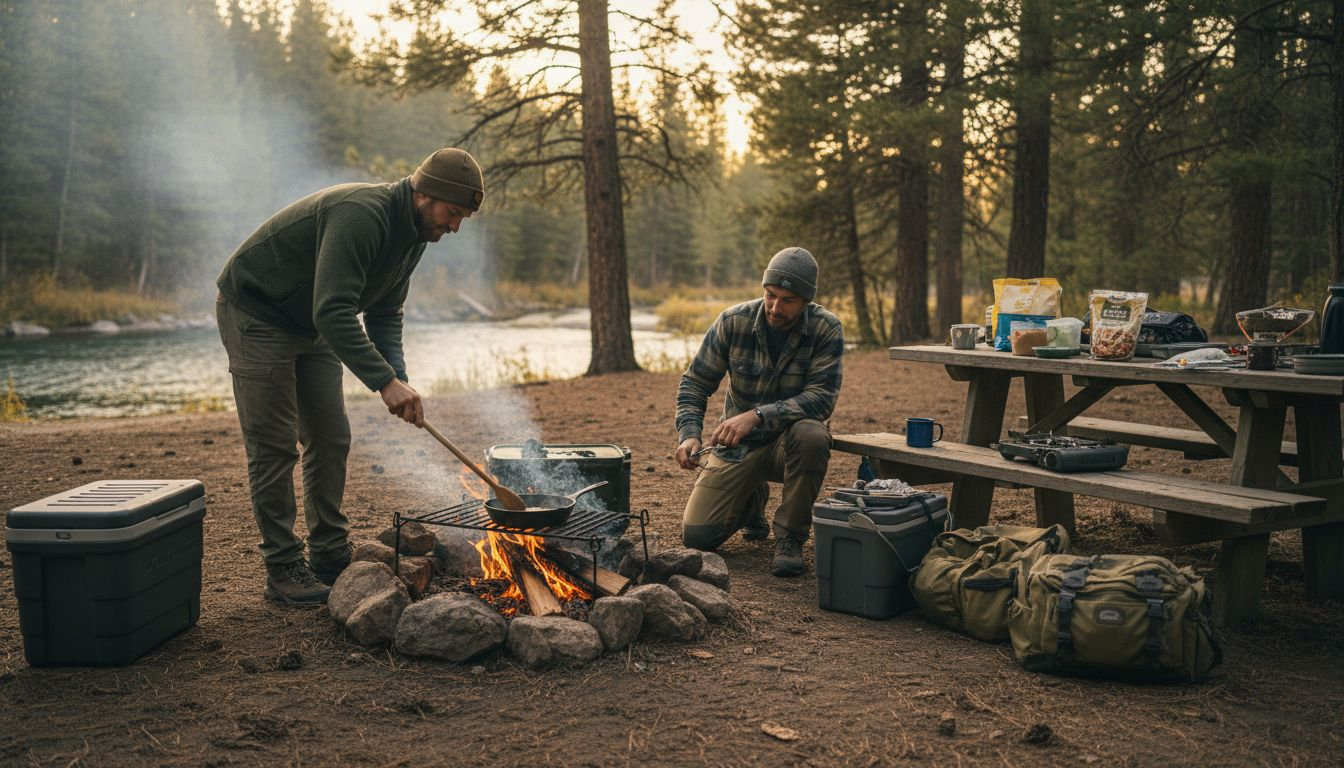
Over half of American campers say that delicious meals are the highlight of any trip, yet many still rely on the same old hot dogs and canned beans. Cooking outdoors can be so much more, delivering creative flavors and memorable bonding moments by the fire. Whether you’re new to tent camping or looking to enhance your outdoor skills, this guide uncovers practical and exciting cooking techniques that turn simple ingredients into campsite feasts. This is your ultimate guide on outdoor cooking methods for campers!

- CAMPING COOKWARE SET: THTYBROS Camping Cookware Set includes: 1.70L(0.45gal) pot +1.15L(0.30gal) kettle + 7 inch frying pan, 2 x 200ml(0.05gal) stainless steel cups, 2 stainless steel plates, 2 sets of dinner cutleries (2 x forks, 2 x knives, 2 x spoons with 2 storage bags), 1 x bamboo spoon 1 x cleaning cloth 1 x cleaning ball 1 x carrying bag.
- FOOD-GRADE & HIGH QUALITY: Our camping cookware is made of high-quality hard anodized aluminum that meets the safety standards , guaranteeing your food’s safety and health. Non-toxic, lightweight, resistant to high temperatures, scratches, and corrosion, with high hardness, oxidation resistance, easy cleaning, fast heat conduction, and oil-saving features, this camping accessories set is reliable for outdoor use.
- USER-FRIENDLY DESIGN FOR CONVENIENCE – THTYBROS camping mess kit is surface-treated with wire drawing and oxidation to enhance its sturdiness and even heating. The silicone handle is heat-resistant and non-slip, designed ergonomically for a comfortable grip, ensuring your safety during use.
- SAFETY & EFFICIENT HEATING – Aluminum boasts better thermal conductivity than iron or titanium, allowing the camping pot heat up quickly and evenly. This not only reduces cooking time but also saves energy and fuel, making your outdoor cooking experience effortless and enjoyable. This camp cooking set is lightweight and durable, making it convenient for your camping trip while also guaranteeing excellent cooking results.
- All-in-1 Small Package- All piece nest great, and everything is stacked together and packed into a nylon mesh bag. Total weight is just 2.75lbs, and the package size measures 7.5×7.5×5 inches. You should definitely consider this set for both backpacking as well as traditional camping.

- Foldable & Portable: This heavy duty over fire camp grill boasts a foldable design and comes with a storage bag that is both wearable and beautiful to carry and protect the grill, making it easy to transport anywhere. It can be folded into 11.2″x11.2″x1.2″ in 5 seconds, which is 10 lbs weight only.
- High-Quality Steel: The open fire grill is made of heavy-duty steel with a coat of paint on the surface, which is durable, food-grade, rust-proof, and high-temperature heat resistant. It can stand temperatures up to 572℉ / 300℃ without deformation and cracking.
- Grill & Griddle: This over fire camp grill is designed as half grill net and half frying plate. You can choose different cooking methods for other ingredients. And it can also be used as a cutting board, multi-purpose, and is very good for outdoor use.
- Diamond-Shaped Mesh: The folding campfire grill for the fire pit is designed with a high-density mesh grill, which can transfer heat efficiently and distributes heat evenly. You won’t worry about dropping food if you want to cook bacon, eggs, toast, steaks, pancakes, sausages, or even pineapple slices.
- Multi-Purpose Use: Designed for outdoor cookware, frying pans, skillets, and pots, for cooking over an open fire. Widely used outdoors such as camping, hiking, picnic, traveling, backpacking, climbing, fishing, and other outdoor activities.
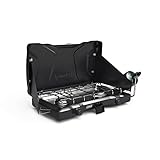
- PORTABLE: Easy addition to the campsite, picnic, roadside, and more
- TWO WIND GUARDS: Help shield and protect burners from wind
- HEAVY-DUTY LATCH: Easy to open and keeps the stove closed when not in use
- EASY TO CLEAN: Durable, chrome-plated grate is removable for easy cleanup
- IMPROVED KNOB ROTATION: For precise temperature and simmering control of two independently adjustable burners

- 【16 PCS Cooking Utensil Set】The 16 PCS include: 1.Can Opener/Bottle Opener; 2.Meat Knife; 3.Vegetable Knife; 4.Cutting Board; 5.Egg Separator/Spotted Spoon; 6.Spatula; 7.Turner; 8.Ladle; 9.Lemon Lime Squeezer; 10.Lobster Pick; 11.Mandolin; 12.Pastry Brush; 13.Peeler; 14.Scissors;15.Tongs; 16.Rice Spoon
- 【Cookout Essential: RV/BBQ/Camping】Gaialoop 16 PCS Cooking Utensil Set covers most of the cooking utensils you will need in a cookout scene, excellent cooking equipment on the go. It can be used in a RV kitchen, a backyard barbecue parties or a family camping trip. This is a must have camping cooking accessories for people who enjoy glamping with friends or families.
- 【Large Space Organizer Bag】This utensils set comes with a nice large space carrying bag made of Oxford Cloth. It is resistant to dust and water. It’s portable, convenient, and large enough to store condiment bottles. You can use it to keep your own utensils, personalize you own cooking kit. A great gift for people who enjoy cookouts.
- 【Safe Material:Stainless Steel】The whole 16 PCS camp kitchen kit is made of stainless steel except for the Brush and the Cutting Board. Stainless Steel is among the most safe materials for making cooking utensils, cookware, and other food related products. The brush is made of high temperature resistant food grade silicone.
- 【Maintenance & Clean Before First Use】This set of cooking utensil is recyclable to be used for a few years with reasonable maintenance (1.Make them clean after use; 2.Make them dry after washing; 3. Store them back into the bag with clean and dry condition). [ NOTE: There may be black residue of polishing wax on the product. Please use dishwashing detergent to clean it before the first use.]

- Package includes 5pcs telescoping marshmallow roasting sticks for your next campfire. The fork is made of stainless steel, and the handle is wood, making it food-grade, rust-proof, heat-resistant, and corrosion-resistant.
- UNCO campfire grill sticks can be stretched up to 32 inches, making it easy to keep you and your child away from the fire. Plus, their 360-degree rotating feature helps create the perfect s’mores, sausages, hot dogs – whatever your heart desires!
- Our stainless steel BBQ forks are reusable and have zero waste. The forks are easy to clean, with just a little warm water and soap needed to remove any residue.
- Our marshmallow sticks feature non-sharp, blunt tips that prevent kids from injuring themselves and others. Multi-colored wooden handles make identification easy when kids join in the fun.
- marshmallow roasting sticks are perfect for light foods like marshmallows, fish balls, sausages, tomatoes, onions, and vegetables. The fork’s tip is flat and not easy to stab into food.
Last update on 2026-06-16 / Affiliate links / Images from Amazon Product Advertising API
Quick Overview- Outdoor Cooking Methods for Campers
| Key Message | Clarification |
|---|---|
| 1. Build a Stable Campfire | Create distinct heat zones for effective cooking. Use dry wood for a strong fire to manage heat. |
| 2. Use Proper Cooking Equipment | Essential tools like a cast iron skillet and tongs improve outdoor cooking success. |
| 3. Ensure Safety While Cooking | Always monitor your cooking environment and keep water or a fire extinguisher nearby. |
| 4. Explore Different Cooking Methods | Techniques like foil packet cooking and Dutch oven meals offer variety and delicious options. |
| 5. Practice Efficient Packing | Organize gear and ingredients for easy access and efficient meal prep during your camping trip. |
1. Mastering Classic Campfire Cooking
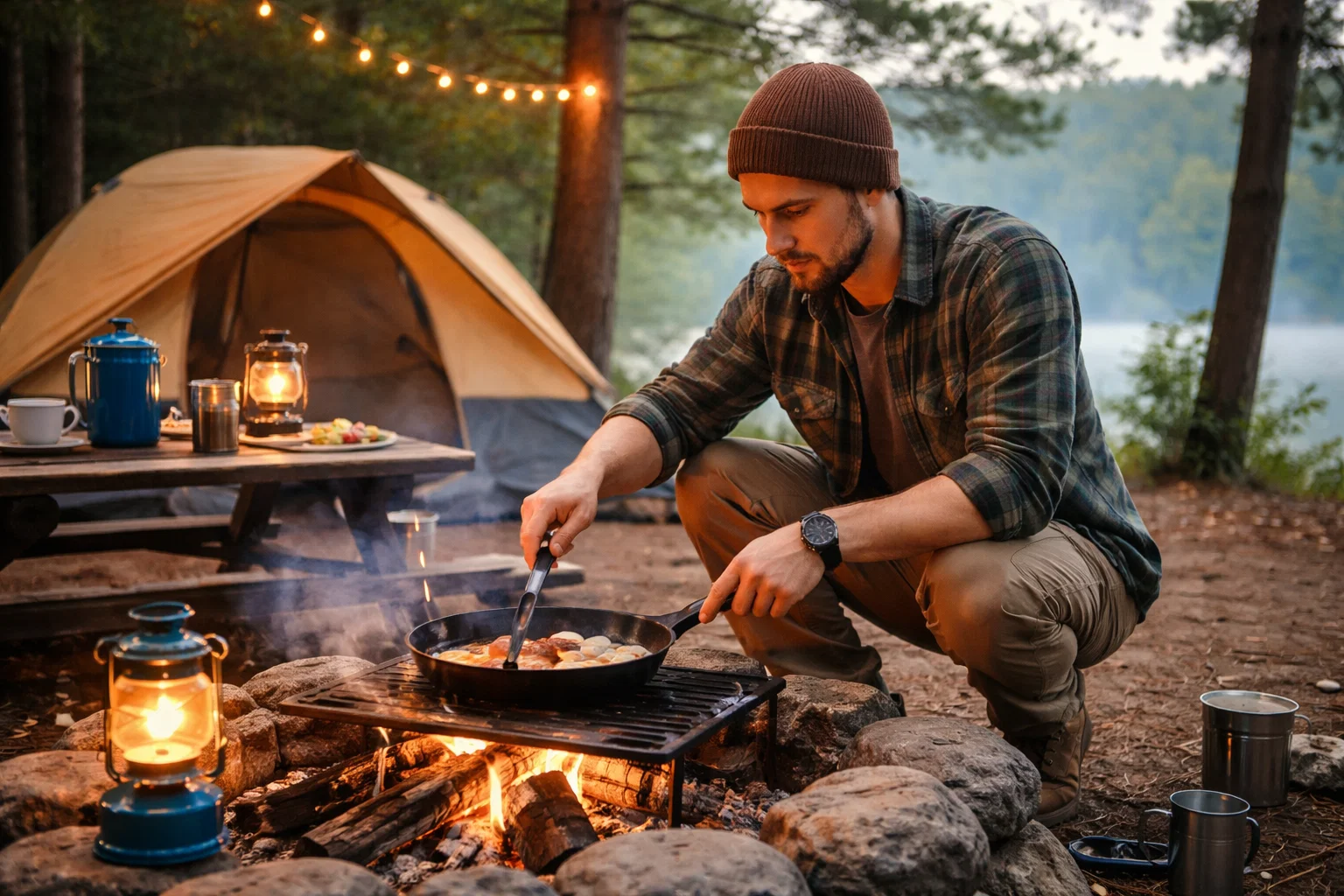
Campfire cooking represents the quintessential outdoor culinary experience that transforms raw ingredients into delicious meals using nothing more than an open flame and basic equipment. Learning to cook over a campfire is not just about preparing food it’s about connecting with a primal cooking technique that has sustained humans for generations.
At its core, campfire cooking requires understanding how different heat zones work and how to manage flames for optimal cooking results. The key is creating a stable fire with consistent heat that allows you to grill, roast, or simmer foods without burning them. Most campers start by building a strong fire using dry wood and creating distinct temperature zones: a hot area for searing meats and a cooler section for slower cooking.
Successful campfire cooking involves bringing the right minimal equipment. A cast iron skillet, sturdy grill grate, long handled tongs, and heat resistant gloves will dramatically improve your outdoor cooking capabilities. campfire cooking techniques often involve positioning your cookware strategically above the flames using adjustable tripods or balanced rocks that create stable cooking surfaces.
Protein selections like fish, chicken, or foil wrapped vegetables work exceptionally well over campfires. Marinating meats beforehand adds flavor and helps prevent them from drying out during open flame cooking. Professional outdoor chefs recommend using aluminum foil to create sealed cooking packets that retain moisture and distribute heat evenly.
Safety is paramount when cooking over an open flame. Always clear the surrounding area of flammable materials, keep water or a fire extinguisher nearby, and monitor your cooking zone constantly. Never leave a fire unattended and ensure complete fire extinction before departing your campsite.
Pro tip: Bring a small instant read thermometer to check meat temperatures and prevent undercooking while ensuring food safety during your outdoor cooking adventures.
2. Using a Portable Camping Stove Safely
Portable camping stoves represent a critical tool for outdoor cooking that offers convenience and reliability when traditional campfires are not feasible. These compact cooking devices provide campers with a controlled and efficient way to prepare meals in various outdoor environments.
Understanding the different types of portable stoves is essential for safe and effective use. Portable camping stoves typically come in two primary varieties canister stoves using propane or butane gases and liquid fuel stoves that operate on white gas or kerosene. Each type requires specific handling and maintenance procedures to ensure optimal performance and safety.
Before using any portable stove, thoroughly inspect all components for damage or wear. Check fuel connections carefully and ensure they are tight and free from leaks. Always set up your stove on a flat stable surface away from flammable materials like dry grass, leaves, or low hanging branches. Maintain a clear area around your cooking zone to prevent accidental fires or equipment damage.
Proper ventilation is crucial when operating a portable stove. Always use these devices outdoors in well ventilated spaces to prevent dangerous gas buildup. Keep children and pets at a safe distance during cooking and never leave a stove unattended while in operation. Understanding local fire regulations and weather conditions can also help you make informed decisions about when and where to use your portable stove.
When packing your camping gear, store fuel containers separately from your stove and keep them in designated leak proof containers. Transport fuel carefully and always follow manufacturer guidelines for storage and handling. Clean your stove after each use and perform regular maintenance to ensure long term reliability and safety.
Pro tip: Pack a small fire extinguisher or emergency fire blanket with your camping stove as an additional safety precaution in case of unexpected cooking emergencies.
3. Enjoying Dutch Oven Delights
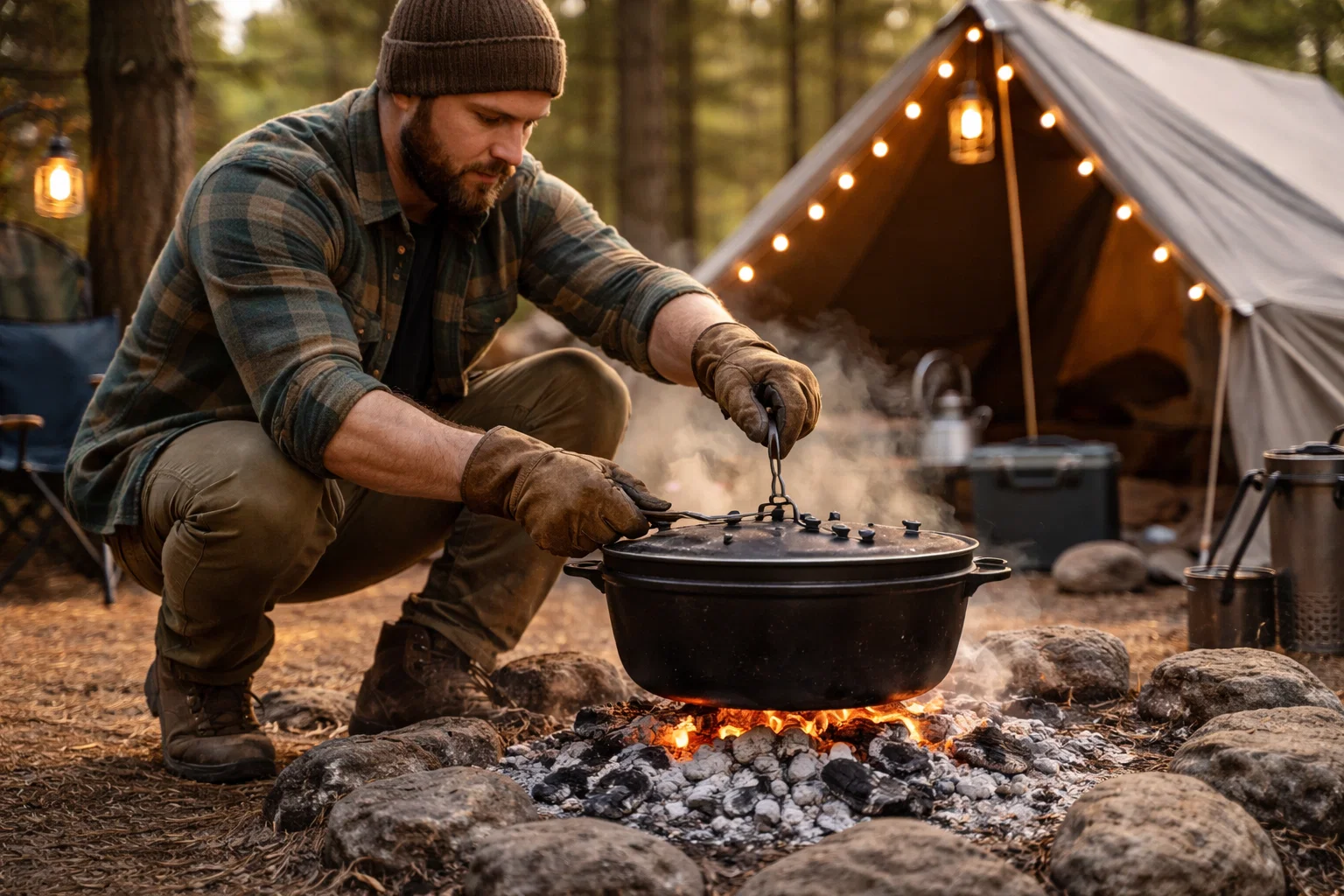
The Dutch oven represents one of the most versatile and beloved cooking tools in the camping culinary world. This heavy cast iron pot with a tight fitting lid transforms outdoor cooking from a basic necessity into a gourmet adventure.
Dutch oven cooking techniques provide campers with an incredible range of meal preparation options. Whether you want to bake fresh bread, simmer a hearty stew, roast tender meats, or create delectable desserts the Dutch oven can handle virtually any cooking challenge you might encounter in the wilderness.
Mastering heat management is the secret to exceptional Dutch oven cooking. The key is strategically placing hot charcoal briquettes both underneath and on top of the lid. A general rule of thumb is using a 2 to 1 ratio of coals on the lid versus the bottom surface this creates an even temperature distribution that mimics a traditional oven environment.
Preparing your Dutch oven before the trip involves proper seasoning and maintenance. A well seasoned cast iron surface prevents food from sticking and builds a natural non stick layer over time. Before your camping trip clean your Dutch oven thoroughly and apply a thin layer of cooking oil to protect the surface and maintain its cooking performance.
Campers should pack versatile ingredients that work well with Dutch oven cooking. One pot meals like chili stews casseroles and cobblers are perfect for this cooking method. Prepping ingredients at home and storing them in sealed containers can save significant time and effort at the campsite.
Pro tip: Bring heavy duty aluminum foil and parchment paper to line your Dutch oven for easier cleanup and to prevent stuck on food residue.
4. Cooking with Lightweight Backpacking Stoves
Lightweight backpacking stoves are the ultimate solution for campers seeking compact cooking equipment that delivers maximum performance with minimal weight. These ingenious devices transform wilderness meal preparation from a challenging task into a streamlined culinary experience.
Modern backpacking stoves come in several compact designs that cater to different camping styles and nutritional needs. Outdoor cooking tips emphasize selecting a stove based on your specific travel requirements weight constraints and cooking preferences.
Canister stoves represent the most popular lightweight option for backpackers. These stoves connect directly to small pressurized fuel canisters and provide instant heat with remarkable efficiency. They typically weigh between 2 to 4 ounces and can boil water in just a few minutes making them ideal for hikers and minimalist campers who prioritize speed and portability.
Alcohol stoves offer an ultralight alternative for those committed to reducing pack weight. These stoves burn denatured alcohol and can be crafted from lightweight materials like aluminum soda cans. While they require more skill to operate compared to canister stoves they represent the absolute pinnacle of lightweight cooking technology for wilderness travelers.
When selecting a backpacking stove consider factors like fuel availability pack weight cooking style and environmental conditions. Some stoves perform better at high altitudes while others excel in windy environments. Always pack extra fuel and practice using your stove before embarking on a wilderness adventure to ensure smooth meal preparation.
Pro tip: Pack a lightweight windscreen with your backpacking stove to improve cooking efficiency and protect your flame from unexpected gusts of wind.
5. Simple Grilling Over the Fire
Grilling over an open fire connects campers to the most primal and satisfying form of outdoor cooking. This timeless method transforms simple ingredients into smoky delicious meals that capture the true essence of wilderness dining.
Grilling food safely requires understanding temperature control and proper food handling techniques. The key is creating different heat zones within your campfire that allow for varied cooking methods from direct high heat searing to slower indirect cooking.
To set up an effective grilling area start by creating a bed of hot coals and positioning a sturdy grill grate above them. Hardwood coals provide the most consistent heat and best flavor profile. Bring a lightweight metal grate that can be easily positioned over your campfire or attach to existing fire rings at your campsite.
Meat selection and preparation are crucial for successful campfire grilling. Choose cuts that cook quickly and evenly like chicken breasts fish fillets or thin steak strips. Marinate proteins beforehand to enhance flavor and help prevent them from drying out during cooking. Always pack a reliable meat thermometer to ensure food reaches safe internal temperatures.
Practical considerations include bringing aluminum foil for creating cooking packets managing flare ups and protecting more delicate foods. Create aluminum foil pouches for vegetables or fish that can be placed directly on the coals or suspended above them. This method helps prevent burning and allows for more controlled cooking.
Pro tip: Pack long handled tongs and heat resistant gloves to safely manage food and grill surfaces during your campfire cooking adventure.
6. Exploring Solar Cooking Techniques
Solar cooking represents an innovative and environmentally friendly approach to preparing meals that harnesses the power of sunlight. This method transforms ordinary camping cuisine by using specialized equipment that captures and concentrates solar energy for cooking.
Solar cooking techniques involve using reflective panels or insulated boxes designed to trap and direct sunlight toward cooking surfaces. The fundamental principle relies on creating a greenhouse effect within a specially constructed oven that can reach temperatures between 200 and 300 degrees Fahrenheit.
Three primary types of solar cookers exist: box cookers panel cookers and parabolic cookers. Box cookers are the most beginner friendly featuring an insulated container with reflective panels that direct sunlight inside. Panel cookers use multiple reflective surfaces to concentrate heat while parabolic designs utilize curved reflectors to generate intense direct heat for faster cooking.
Successful solar cooking requires understanding several key factors. Positioning is critical you will need to continuously adjust your solar cooker to follow the suns movement for consistent heat. Dark colored cooking vessels absorb more heat while transparent lids help trap solar energy. Cooking times are typically longer than traditional methods so patience and preparation are essential.
Solar cooking offers significant advantages for wilderness travelers. It eliminates the need for fuel carrying reducing pack weight and environmental impact. The method produces zero emissions creates no fire risk in dry environments and provides a silent cooking option that will not disturb wildlife or fellow campers.
Pro tip: Bring a small thermometer to monitor your solar cookers internal temperature and dark colored lightweight cookware to maximize heat absorption during your solar cooking adventure.
7. Foil Packet Cooking for Easy Meals
Foil packet cooking represents the ultimate lazy campers approach to preparing delicious meals with minimal cleanup and maximum flavor. This ingenious cooking method transforms simple ingredients into mouthwatering dishes using nothing more than aluminum foil and a heat source.
Foil packet cooking techniques involve strategically wrapping ingredients in heavy duty aluminum foil to create sealed cooking pouches. The magic happens when these packets are placed directly on hot coals or campfire embers allowing ingredients to steam and roast simultaneously.
The beauty of foil packet cooking lies in its incredible versatility. You can prepare anything from breakfast scrambles to dinner entrees and even desserts. Proteins like chicken or fish work perfectly alongside vegetables and seasonings. Pro campers recommend using heavy duty aluminum foil and creating a double layer to prevent tears and potential leaks during cooking.
Preparing foil packets requires some basic technique. Start by cutting a piece of foil large enough to completely enclose your ingredients. Arrange foods in the center of the foil creating a small mound. Fold the edges to create a sealed packet ensuring no steam can escape. This method helps lock in moisture and distribute heat evenly throughout the ingredients.
Different heat sources require slightly different cooking approaches. On a campfire place packets near hot coals rather than directly in flames. For a grill use indirect heat zones. Cooking times vary between 15 to 45 minutes depending on the ingredients complexity and chosen heat method. Always use tongs when handling hot packets and open them carefully to avoid steam burns.
Pro tip: Pack pre measured spices and seasonings in small sealable bags to create instant flavor combinations for your foil packet meals without carrying multiple spice containers.
Below is a comprehensive table summarizing the key points, methods, and recommendations for mastering various outdoor cooking techniques as discussed in the article.
| Topic | Key Points | Recommendations |
|---|---|---|
| Campfire Cooking | Cooking over an open flame using simple tools and techniques. | Understand heat zones, use proper equipment such as cast iron pans, marinate meats, and ensure fire safety. |
| Portable Camping Stove Usage | Compact stoves for controlled cooking where campfires are not feasible. | Choose the appropriate stove type, inspect equipment, and follow safety guidelines for setup and operation. |
| Dutch Oven Cooking | Utilizing a versatile and sturdy cast-iron pot for a variety of recipes. | Prepare ingredients in advance, maintain heat control with charcoal, and season the pot for optimal use. |
| Lightweight Backpacking Stoves | Solutions for minimal weight and high efficiency during wilderness expeditions. | Select a stove based on travel needs, include a windscreen, and practice with the device prior to trips. |
| Direct Fire Grilling | A primal method of cooking over a campfire. | Create heat zones, bring a grill grate, choose quick-cooking ingredients, and use tongs for handling food. |
| Solar Cooking Techniques | Uses sunlight concentration for eco-friendly and zero-emission meal preparation. | Position cookers for maximum sun exposure, use dark-colored cookware, and account for longer cooking times. |
| Foil Packet Cooking | Utilizing aluminum foil pouches for simple, no-cleanup dinners with retained flavor. | Use heavy-duty foil, pre-measure ingredients, and cook packets on hot coals or indirect grill heat zones. |
This table provides a clear summary of diverse outdoor cooking methods, shedding light on tips and benefits for campers looking to enhance their outdoor culinary experiences.
Elevate Your Outdoor Cooking Experience with Tent Explorer
Mastering outdoor cooking methods is rewarding but can be challenging without the right guidance and tools. Whether you struggle with managing campfire heat zones or selecting the best portable stove for your needs this article highlights essential techniques that improve your campsite meals and safety. At Tent Explorer, we understand your goal to enjoy flavorful, safe, and efficient cooking while fully immersing yourself in nature.
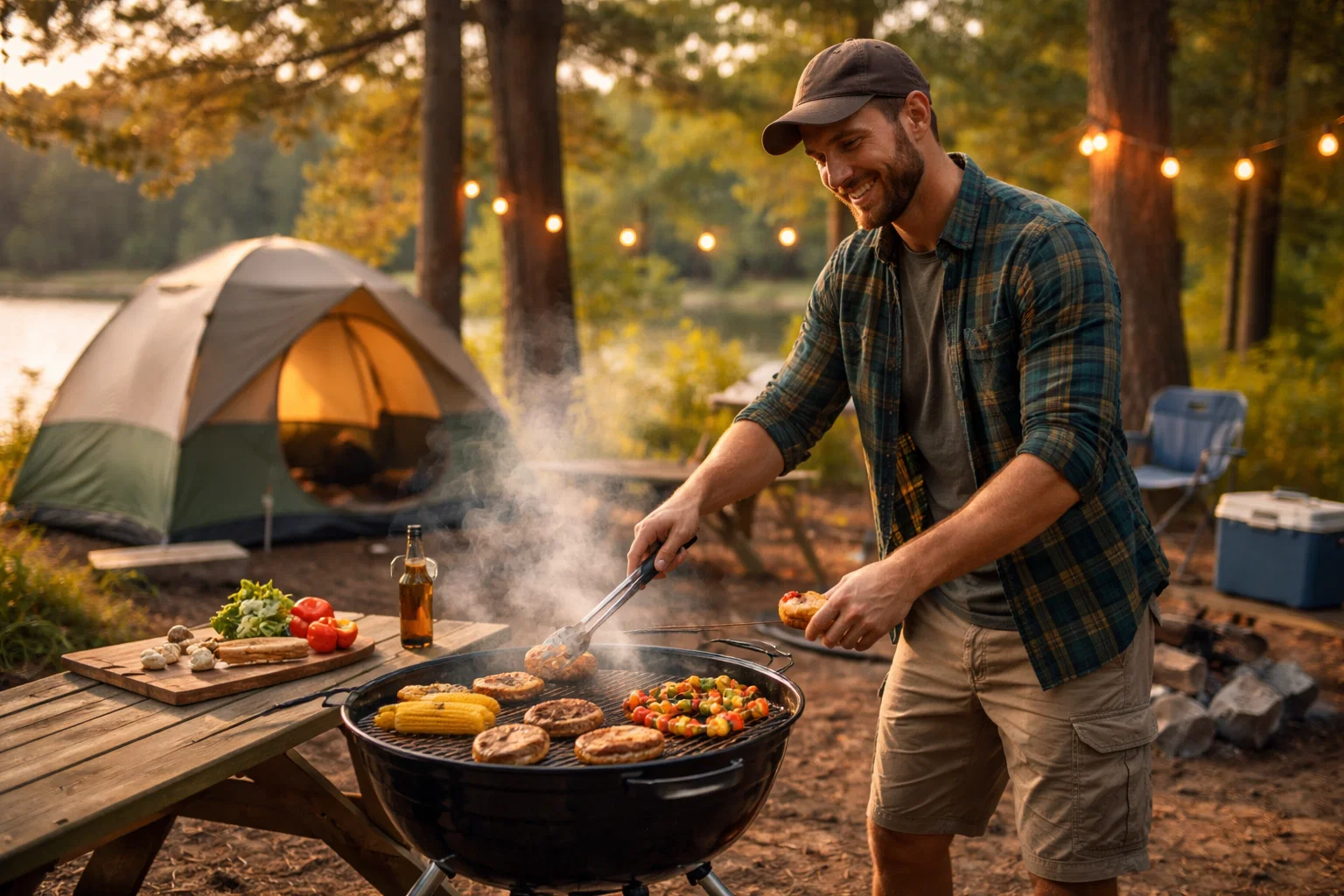
Discover practical tips and gear insights tailored for campers who want to make cooking outdoors simple and satisfying by exploring our Outdoor Living – Tent Explorer section. You will find advice on campsite setups, equipment that maximizes your cooking potential, and creative inspiration for your next trip. Don’t wait to transform your camping meals. Visit Tent Explorer today and join a community passionate about elevating every part of the tent camping lifestyle. Also, check out our Fun While Camping – Tent Explorer for more ways to enhance your outdoor time.
Frequently Asked Questions
What are the essential campfire cooking techniques?
Campfire cooking techniques focus on managing heat zones to grill, roast, or simmer food effectively. To master this, create a stable fire with different temperature areas: a hot spot for searing and a cooler section for slower cooking.
How do I safely use a portable camping stove?
To use a portable camping stove safely, set it up on a flat, stable surface away from flammable materials. Always inspect fuel connections for leaks and maintain a clear area around your stove while cooking.
What types of meals can I prepare in a Dutch oven while camping?
A Dutch oven can be used to prepare a variety of meals, including bread, stews, and desserts. Plan for versatile one-pot meals like chili or casseroles, and prep ingredients at home to save time.
How do I cook with a lightweight backpacking stove?
Cooking with a lightweight backpacking stove involves selecting the right stove based on weight and cooking style. Follow manufacturer instructions for setup, and always practice using the stove before your trip to ensure efficiency and safety.
What are some easy foil packet cooking ideas for campers?
Foil packet cooking is perfect for quick and easy meal prep by sealing proteins and vegetables in aluminum foil. Prepare combinations like chicken with mixed veggies or breakfast scrambles, and cook them on hot coals for 15 to 45 minutes, depending on the ingredients.