
This blog post may contain affiliate links. As an Amazon Associate I earn from qualifying purchases.
Most American tent campers still believe that comfort outdoors is just about having a good sleeping bag, but research shows over 60 percent of camping discomfort comes from poor sleep system setup. Whether you are new to tent camping or have years of experience across continents, understanding how your sleep system actually works makes a huge difference for warm nights and restful mornings. This guide reveals what really matters for comfort and insulation so you can enjoy better sleep at any campsite worldwide.
Key Takeaways
| Point | Details |
|---|---|
| Understanding Sleep Systems | A camping sleep system integrates multiple components for optimal thermal protection, comfort, and moisture management. |
| Component Selection | Choose sleep system components based on specific camping environments, personal comfort needs, and insulation types. |
| Temperature Ratings | Always account for a buffer beyond the manufacturer’s temperature rating to ensure comfort and warmth. |
| Avoid Common Mistakes | Proper ground preparation and layering techniques are crucial for maximizing sleep system performance during camping trips. |
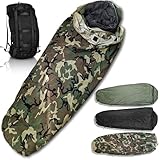
- Complete 4-Piece Modular System: This survival gear sleeping pad includes a Patrol Sleeping Bag, Intermediate Cold Weather Sleeping Bag, Waterproof Bivy Cover, and Compression Stuff Sack, designed for versatile protection from 50°F down to -50°F.
- Military-Grade Durability: Constructed from 210T nylon ripstop fabric with DWR coating for superior tear resistance and water repellency. This emergency sleeping bag kit features heavy-duty YKK zippers, firm hook and loop closure, combination buttons, and elastic drawstrings for maximum reliability in the field.
- All-Weather Protection: The triple-laminated waterproof bivy cover provides wind and moisture defense, while both camping sleeping bags feature compression-resistant insulation that retains warmth even in damp conditions.
- Lightweight & Compact Design: Despite its rugged construction, the modular system of winter sleeping bags for adults is lightweight and easy to pack. The stuff sack securely compresses the entire sleep system into a compact, travel-ready size for military missions, camping, or backpacking.
- Comfort & Versatility in Extreme Conditions: Use each layer individually or combine them for ultimate cold-weather performance. Comfort range: 50°F to -50°F, making the USGI Gear zero degree sleeping bag ideal for winter camping, hunting, tactical use, or survival expeditions.
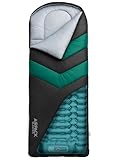
- Rangland AirPack Sleeper with Built-in Air Mattress: The all-in-one sleep-anywhere solution. The AirPack delivers a full-size (large) adult sleeping bag featuring a built-in inflatable comfort pad that delivers 3 inches of elevation and insulation from the ground. The integrated air cushion includes a built-in head pillow and foot pump that inflates in about two minutes, with dual valves for quick deflation and easy packing.
- Generous Fit & Design: Measuring 80″×30″, it comfortably fits large users up to 6’3″. The bag’s internal structure maintains a consistent loft for balanced warmth and support from head to toe.
- Warmth & Insulation: Comfort-rated for 32–80°F, the 330GSM cotton fill efficiently traps heat for cozy nights in cool conditions. The adjustable drawstring hood seals in warmth and blocks out drafts.
- Durability & Ease of Use: Built from waterproof, tear-resistant 210T ripstop polyester with smooth, two-way snag-proof zippers and a reinforced slider cover for jam-free use. The removable air bladder compartment incorporates sonic seam-welds for superior air retention over adhesive based air systems.
- Portable & Practical: Fully machine-washable and easy to maintain. Packs compactly into the included 11″×16″ stuff sack that fits both the sleeping bag and deflated pad together for convenient travel and storage.
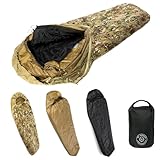
- Complete 4-Piece Modular Sleep System – Military Spec Build. Includes Patrol Bag, Intermediate Cold Weather Bag, Waterproof Bivy Cover, and Compression Sack.
- Upgraded Front-Zip Design for Faster Entry/Exit. All bags are redesigned with a centerline front zipper, replacing the original side-entry structure. Offers easier access, better ventilation control, and improved emergency egress in tactical scenarios.
- Vacuum Compression Sack – Waterproof & Space-Saving. The traditional compression sack is replaced with an MT vacuum-seal version featuring an air-release valve, waterproof 70D TPU build, and 66% space reduction capability. Lightweight, floatable, and rugged.
- Fully Modular – Combine or Use Individually. The system works together in cold weather or can be used individually depending on conditions. Layer the Patrol + Intermediate + Bivy for sub-zero survival, or take one for lighter climates.
- Tactical Colors & Materials – Ready for Deployment. Made with military-grade materials in authentic tactical tones. Compatible with USGI sleep system pouches, rucksacks, and accessories. Ideal for survivalists, soldiers, and serious outdoorsmen.

- 3-Season Design: Mummy styled sleeping bag for spring, summer, and fall, offering warmth and comfort for 46.4~59°F (8~15°C) weathers
- Water Repellent: 300T pongee outer shell, 190T pongee lining, 7oz polycotton filling, offering excellent material strength, splash resistance, machine washability (delicate cycle), and quick-dry performance
- Snag-free Zippers: Quality YKK zippers with an anti-snag design and cord-stopped hood for better protection against the cold
- Tall & Wide Design: Measures at 6.8ft by 2.7ft for both kids and adults to offer extra wide sleep space, and can be compressed into a small stuff sack (7.8”*16.5” tube-shaped) for easy carry, storage and transportation
- Ideal For The Outdoors: Designed for camping, summer camps, beach trips, backpacking, hiking, bushcrafting, emergency use, and all kinds of outdoor sports
Last update on 2026-06-08 / Affiliate links / Images from Amazon Product Advertising API
Defining camping sleep systems and common myths
A camping sleep system is far more complex than simply throwing a sleeping bag on the ground. It represents a strategic combination of equipment designed to provide thermal insulation, comfort, and protection from ground moisture and temperature variations. Sleep systems typically include multiple integrated components like sleeping bags, sleeping pads, ground covers, and potential supplementary items such as liners or additional insulation layers.
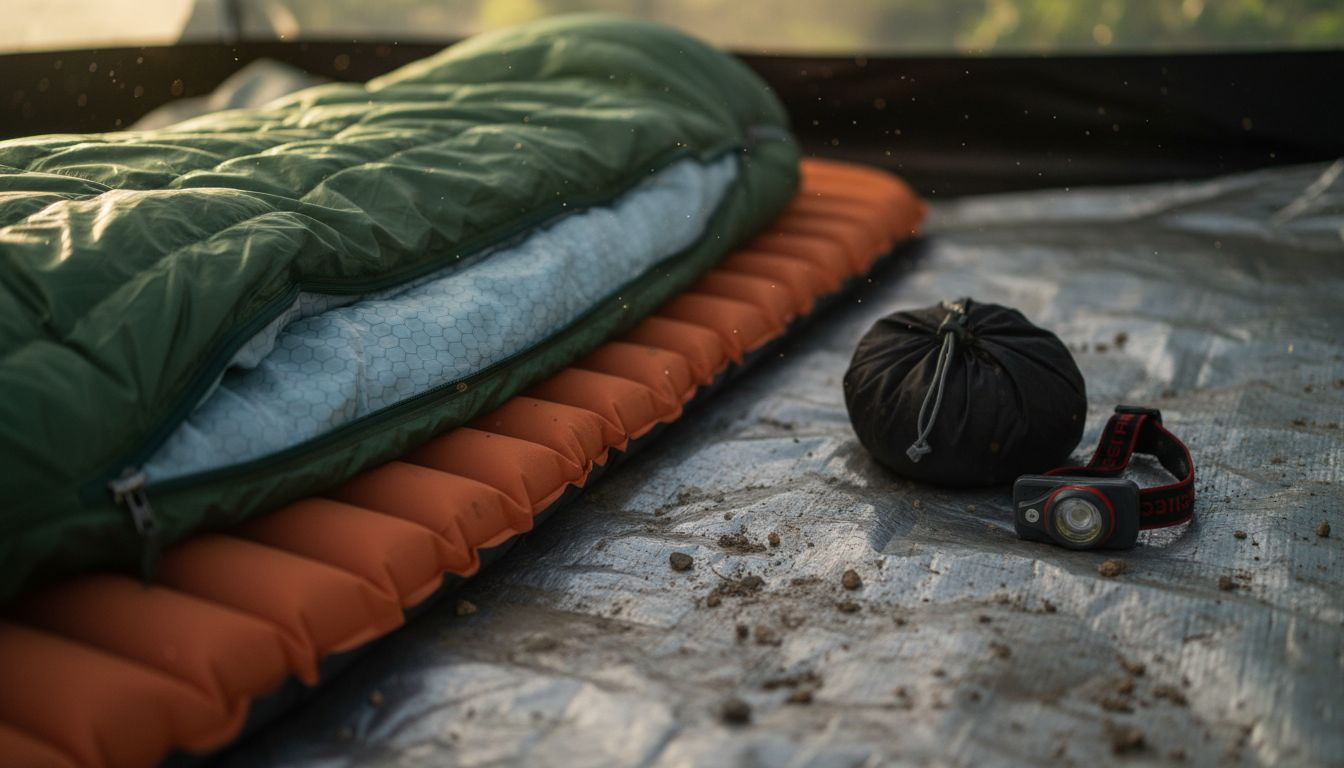
Many campers fall prey to common misconceptions about sleep systems. One prevalent myth is that all sleeping equipment performs equally across different environments. In reality, sleeping pad selection dramatically impacts overall camping comfort, with factors like temperature rating, insulation type, and ground contact playing crucial roles in maintaining body warmth and preventing heat loss.
The core purpose of a comprehensive camping sleep system is thermal regulation and protection. This means creating a microclimate that shields you from external temperature extremes while managing moisture and providing adequate cushioning from uneven terrain. Effective sleep systems account for variables like ambient temperature, humidity, ground conditions, and individual metabolic differences that influence heat retention and comfort.
Pro tip: Always test and layer your sleep system components at home before your camping trip to understand how they work together and identify potential comfort or insulation gaps.
Main components: sleeping bag, pad, and more
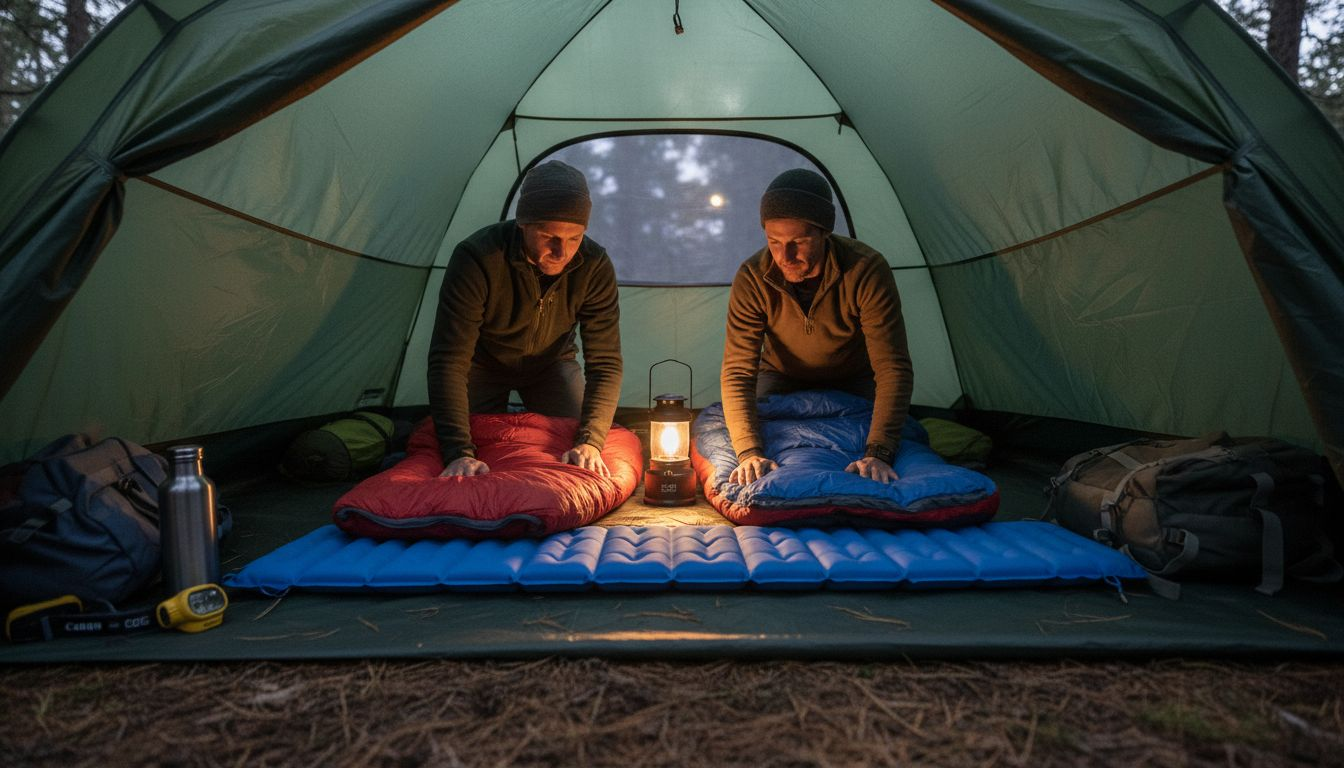
A comprehensive camping sleep system comprises several critical elements that work together to ensure comfort, warmth, and protection in outdoor environments. The primary components of an effective sleep system include shelter, sleeping pads, and insulating layers, each serving a unique purpose in creating a comfortable sleeping environment during camping trips.
The sleeping bag represents the core thermal protection component, designed to trap body heat and shield campers from cold temperatures. Modern sleeping bags come in various temperature ratings, fill types (down or synthetic), and shapes to accommodate different camping conditions and personal preferences. Complementing the sleeping bag, sleeping pads provide critical ground insulation and cushioning, preventing heat loss through conduction and offering protection against uneven terrain. Essential camping supplies like high-quality sleeping pads can significantly enhance outdoor comfort.
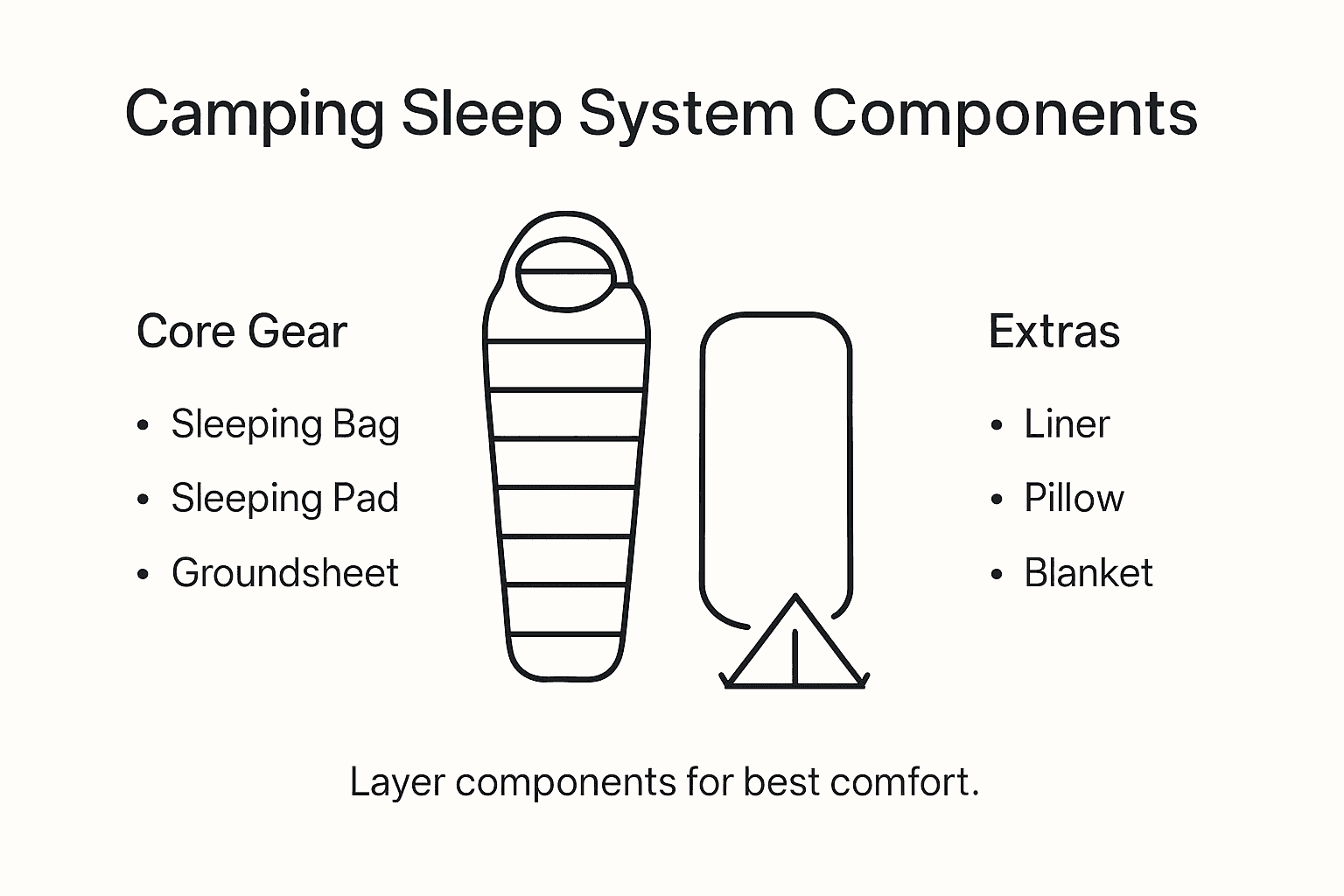
Beyond the primary components, additional items can optimize your sleep system. Lightweight sleeping bag liners add extra warmth, moisture-wicking properties, and can extend the temperature range of your existing sleeping bag. Ground cloths or footprints protect your tent floor and sleeping area from moisture, while compact camping pillows provide neck and head support. Some advanced sleep systems also incorporate vapor barriers to manage moisture and maintain thermal efficiency in extreme conditions.
Pro tip: When selecting sleep system components, prioritize versatility and weight, choosing items that can be layered and adjusted to match diverse camping environments and personal comfort needs.
Popular sleep system types and their uses
Camping sleep systems are designed to meet diverse outdoor sleeping needs, with variations tailored to specific environments, activities, and personal preferences. These systems range from ultralight backpacking configurations to more robust car camping setups, each engineered to provide optimal comfort and thermal protection in different scenarios.
For backpackers and minimalist campers, ultralight sleep systems prioritize weight and packability. These typically consist of lightweight sleeping bags, compact sleeping pads, and minimal additional gear. In contrast, car camping sleep systems offer more luxurious options, including thicker air mattresses, larger sleeping bags, and additional comfort items like pillows and extra insulation layers. Specialized camping cots provide an elevated sleeping surface that keeps campers off the ground, which can be particularly beneficial in damp or uneven terrain.
Specialized sleep systems also cater to specific environmental conditions. Alpine and winter camping systems incorporate advanced insulation technologies, vapor barriers, and multiple layering options to combat extreme cold. Warm weather systems focus on breathability, moisture-wicking materials, and lightweight construction that allows for maximum ventilation. Some advanced sleep systems even include integrated sleeping pad attachments, draft collars, and temperature-adaptive materials that adjust to changing environmental conditions.
Pro tip: Always match your sleep system to your specific camping environment, considering factors like temperature range, terrain type, and personal comfort requirements.
Key features: temperature ratings, insulation, weight
Temperature ratings represent the critical baseline for selecting an appropriate camping sleep system, indicating the lowest temperature at which a sleeping bag can provide comfortable thermal protection. These ratings typically range from summer-weight bags (40-50°F) to extreme cold weather options designed for temperatures well below freezing. Choosing the right air mattress plays a crucial role in complementing these temperature specifications and enhancing overall thermal performance.
Insulation materials dramatically impact a sleep system’s effectiveness and weight. Down insulation offers exceptional warmth-to-weight ratio, compressing smaller and providing superior thermal efficiency, though it loses insulating properties when wet. Synthetic insulation, conversely, maintains its thermal characteristics even in damp conditions, making it more versatile for unpredictable outdoor environments. The fill power of down and the weight of synthetic materials directly correlate with a sleeping bag’s performance, with higher fill power indicating better insulation and lighter weight.
Here is a concise comparison of insulation types in camping sleep systems:
| Insulation Type | Warmth-to-Weight Ratio | Performance When Wet | Compressibility |
|---|---|---|---|
| Down | Excellent | Poor | High |
| Synthetic | Good | Good | Moderate |
| Wool | Moderate | Good | Low |
| Hybrid (Down/Synthetic) | Very Good | Moderate | Good |
Weight considerations are paramount for different camping styles. Backpackers require ultralight systems that minimize pack weight, often sacrificing some comfort for portability. Car campers can prioritize thicker, more comfortable sleeping pads and heavier sleeping bags without transportation constraints. Modern sleep systems incorporate advanced materials like lightweight ripstop fabrics, water-resistant down treatments, and compressible insulation to balance weight, warmth, and packability across various camping scenarios.
Pro tip: Always add 10-15 degrees of buffer to the manufacturer’s temperature rating to ensure genuine comfort and account for individual metabolism variations.
Mistakes to avoid and setup tips
One of the most common mistakes campers make is neglecting proper ground preparation for their sleep system. Choosing the right camping air mattress involves more than just selecting a comfortable option – it requires careful site assessment and strategic placement. Campers should always clear the ground of sharp objects, rocks, and debris before setting up their sleeping area, and use a ground cloth or footprint to provide an additional barrier against moisture and potential punctures.
Layering mistakes can significantly compromise sleep system effectiveness. Many campers either overpack or underpack insulation, failing to understand the importance of strategic layering. Down or synthetic sleeping bag liners can extend temperature range, while improper layering can create cold spots or cause excessive sweating. Understanding how different materials interact and transfer moisture is crucial. Synthetic base layers, for instance, perform differently from wool or down layers, each managing body heat and moisture in unique ways.
Setup technique plays a critical role in maximizing sleep system performance. Proper inflation of sleeping pads requires careful attention – overinflation creates an uncomfortable, bouncy surface, while underinflation reduces insulative properties and thermal protection. Campers should practice inflating their sleeping pads before the trip, understanding the precise amount of air needed for optimal comfort and insulation. Additionally, positioning sleeping bags and pads to minimize heat loss, such as using natural windbreaks or strategic tent placement, can dramatically improve overall sleeping comfort.
Pro tip: Always do a test setup of your entire sleep system at home before your camping trip to identify and resolve potential comfort or equipment issues.
Comparisons with alternative sleep setups
Traditional camping sleep systems diverge significantly from alternative sleeping arrangements like hammocks, bivy sacks, and ground sleeping. Specialized camping cots represent a notable alternative that elevates sleepers entirely off the ground, offering unique advantages and challenges compared to conventional tent sleeping systems. Hammock setups, for instance, provide exceptional ground isolation but require specific environmental conditions and specialized insulation techniques to maintain thermal comfort.
Ground sleeping represents the most minimalist approach, typically involving a sleeping bag directly on a ground cloth or thin sleeping pad. This method sacrifices comfort and insulation for extreme portability, making it popular among ultralight backpackers and minimalist campers. In contrast, elevated sleeping systems like camping cots provide superior air circulation, protection from ground moisture, and potentially better overall comfort, though they often weigh more and require more complex setup procedures.
Each alternative sleep setup presents distinct trade-offs in weight, comfort, thermal performance, and environmental adaptability. Hammock systems excel in rocky or uneven terrain but struggle in cold or windy conditions without proper under-quilt insulation. Bivy sacks offer maximum weather protection and minimal weight but can feel claustrophobic and provide limited internal space. Camping cots provide excellent ground clearance and airflow but may not integrate as seamlessly with tent environments and typically cost more than traditional sleeping pad configurations.
To help you decide, here’s how popular camping sleep setups compare:
| Sleep Setup | Comfort Level | Weight/Pack Size | Adaptability |
|---|---|---|---|
| Sleeping Bag + Pad | High on flat ground | Moderate to Low | Suits most terrains |
| Hammock | Very high w/trees | Low to Moderate | Needs trees |
| Camping Cot | High (off-ground) | High (bulky) | Best for car camping |
| Bivy Sack | Minimalist/compact | Very low | All conditions, less space |
| Ground Only | Very low | Ultra-light | For ultralight hiking |
Pro tip: Experiment with multiple sleep setup alternatives during short trips to understand which configuration best matches your personal comfort requirements and camping style.
Enhance Your Camping Comfort with Expert Sleep System Guidance
Building the perfect camping sleep system requires careful attention to your gear’s insulation, weight, and layering strategies. If you have ever struggled with restless nights due to cold ground or uncomfortable sleeping pads, you understand how critical the right combination of sleeping bag, pad, and accessories is for warmth and comfort outdoors. Our article on camping sleep systems highlights key concepts like temperature ratings and insulation types that can make or break your outdoor rest.
Discover practical solutions and expert advice on Tent Accessories – Tent Explorer to help select the right components for your unique camping needs.
Don’t let discomfort spoil your next adventure. Explore proven setup tips and equipment reviews in our Tent Tips – Tent Explorer category to build your ideal sleeping environment. Take action now and visit Tent Explorer for comprehensive guides, community insight, and support to boost your outdoor living experience today.
Frequently Asked Questions
What are the main components of a camping sleep system?
A camping sleep system typically includes a sleeping bag, sleeping pad, ground cover, and may include liners or extra insulation layers to ensure warmth, comfort, and protection from the ground.
How do temperature ratings impact sleeping bags in camping sleep systems?
Temperature ratings indicate the lowest temperature at which a sleeping bag can provide comfort. Choosing a bag with an appropriate rating is crucial for ensuring thermal protection in varying outdoor conditions.
What are the differences between down and synthetic insulation in sleeping bags?
Down insulation offers excellent warmth-to-weight ratio but loses insulation properties when wet. Synthetic insulation maintains effectiveness in damp conditions, making it versatile for unpredictable weather.
How can I improve the setup of my camping sleep system?
To enhance your setup, ensure proper ground preparation by clearing sharp objects, correctly inflate sleeping pads for optimal insulation, and strategically position your sleeping area to reduce heat loss from wind or moisture.