
This blog post may contain affiliate links. As an Amazon Associate I earn from qualifying purchases.
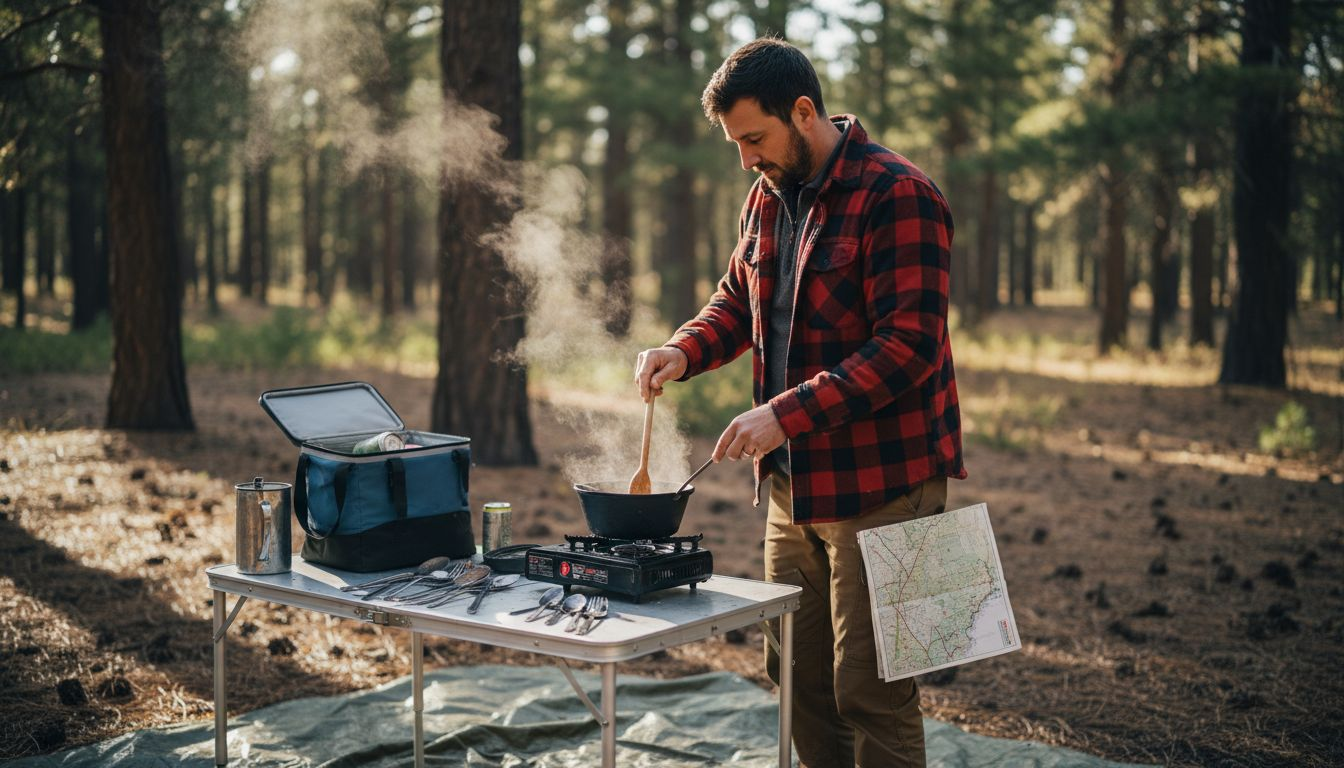
Outdoor cooking workflow surrounded by fresh air can feel rewarding, but for beginners, it often brings new challenges at the campsite. North American tent campers want their meals to be simple, safe, and tasty without extra stress. By focusing on a safe cooking location away from potential hazards, plus easy gear organization and ingredient prep, you can transform any camping trip into a smooth, flavorful experience you actually enjoy sharing.
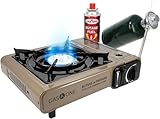
- Duel Fuel – Compatible With Both Butane (Fuel Not Included) And Propane Fuel (Fuel Not Included), Operates On A Single Butane Cartridge 8 Oz Or A Propane Cylinder 16.4 Oz , Propane Converter Regulator Included
- Automatic Piezo Electric Ignition – Piezo-Electric Ignition That Eliminates The Use For Lighter/Matches In Order To Ignite Flame, No Need For Lighters Or Matches With This Stove
- Easy To Use – Our Gs-3400P Is Easy To Use With Adjustable Heat Dial And Automatic Piezo-Electric Ignition
- Safety Features – Built In Pressure Sensor Cartridge Ejection System And Gas Flow Cut Off Mechanism (Butane), Will Eject Cartridge When Irregular Pressure Is Detected

- CAMPING COOKWARE SET: THTYBROS Camping Cookware Set includes: 1.70L(0.45gal) pot +1.15L(0.30gal) kettle + 7 inch frying pan, 2 x 200ml(0.05gal) stainless steel cups, 2 stainless steel plates, 2 sets of dinner cutleries (2 x forks, 2 x knives, 2 x spoons with 2 storage bags), 1 x bamboo spoon 1 x cleaning cloth 1 x cleaning ball 1 x carrying bag.
- FOOD-GRADE & HIGH QUALITY: Our camping cookware is made of high-quality hard anodized aluminum that meets the safety standards , guaranteeing your food’s safety and health. Non-toxic, lightweight, resistant to high temperatures, scratches, and corrosion, with high hardness, oxidation resistance, easy cleaning, fast heat conduction, and oil-saving features, this camping accessories set is reliable for outdoor use.
- USER-FRIENDLY DESIGN FOR CONVENIENCE – THTYBROS camping mess kit is surface-treated with wire drawing and oxidation to enhance its sturdiness and even heating. The silicone handle is heat-resistant and non-slip, designed ergonomically for a comfortable grip, ensuring your safety during use.
- SAFETY & EFFICIENT HEATING – Aluminum boasts better thermal conductivity than iron or titanium, allowing the camping pot heat up quickly and evenly. This not only reduces cooking time but also saves energy and fuel, making your outdoor cooking experience effortless and enjoyable. This camp cooking set is lightweight and durable, making it convenient for your camping trip while also guaranteeing excellent cooking results.
- All-in-1 Small Package- All piece nest great, and everything is stacked together and packed into a nylon mesh bag. Total weight is just 2.75lbs, and the package size measures 7.5×7.5×5 inches. You should definitely consider this set for both backpacking as well as traditional camping.
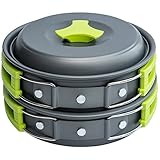
- BUILT TO LAST! Highest Quality Non-Toxic Anodized Aluminum Camping Cookset conducts heat quickly and is survival gear that is built to last and is perfect size for 1 youth scout or adult hiker backpacker.
- ALL-IN-ONE COOKWARE MEGA BUNDLE: The 10 Piece Camping Campfire Cookware Mess Kit includes Anodized Aluminum Nonstick Pot + Pot Cover + Nonstick Pan + 2 Bowls + Folding Stainless Steel Spork + Soup Spoon + Wooden Spoon Spatula + Cleaning Sponge + Nylon Travel Bag Drawstring Pouch.
- EASY CLEANING & STORAGE: The entire 10-piece mess kit collapses into small bundle for easy control and storage. Keep it all clean, keep it convenient
- WORRY FREE WILDERNESS: Finally enjoy the great outdoors without second guessing if you packed everything to cook and serve your next meal with the lightweight, compact, and mobile design of the Camp Kitchen Set
- PERFECT GIFT FOR FAMILY AND FRIENDS: #1 Outdoor Cooking Backpacking Gear and Camping Backpack and Hiking Picnic Set for anyone looking for a high quality, great value product for the camping world or bug out bag to enjoy at the cookout with the people you love

- HIGHLY EFFICIENT – Our industry leading heat exchange technology minimizes wind impact and reduces boiling times by up to 30% compared to traditional backpacking stoves.
- COMPACT AND LIGHTWEIGHT – All accessories including stove, bowl and fuel canister fit into the 1 liter cook pot. THIS SET DOES NOT INCLUDE A FUEL CANISTER, but is compatible with most canisters EXCEPT the COLEMAN fuel canisters. This item weighs only 18 oz!
- INTEGRATED AND EASY TO USE SYSTEM – The 1 liter cooking pot and the stove are one integrated unit, the built in piezoelectric ignitor ignites the stove instantly.
- SAFE, STURDY AND DURABLE – The sturdy, hard anodized aluminum pot features a locking stainless steel handle for secure and safe handling, this combined with the insulating neoprene cover on the pot will ensure years of safe outdoor cooking pleasure.
- Please use a windscreen when using the stove for better performance in windy conditions.
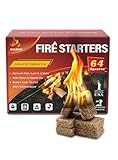
- So easy, it’s like lighting a birthday candle! Just simply place the mini fire square in the desired location, ignite the corner of the camping fire starter cube, and watch it burn for up to 6-8 minutes! Perfect for camping trips, backyard barbecues, or even cozy nights by the fireplace
- Safe and natural! Nvkrvks clean-burning fire starter squares are made from food-grade, recycled wood fiber and wax, making them safe for cooking and won’t change your food’s flavor. Our fire cubes for wood stoves emit up to 80% less carbon monoxide than traditional fire starters! So making them a great choice for cooking and outdoor grilling
- Lasting power! Our waterproof & lightweight fire starters burn longer and hotter than other fire starters on the market, providing up to 8 minutes of warm & steady flames that can withstand even damp, wet or windy conditions
- The ultimate outdoor & indoor companion! Whether you’re roasting marshmallows with friends or cooking up a feast on the grill, Nvkrvks safe & odourless fire starters pack are the perfect addition to any indoor cooking and outdoor adventure. Small, lightweight, and easy to pack, they’re a must-have for any camping or hiking trip
- Get your fire started in no time! With 64 cubes in each pack, you’ll have plenty of fire-starting power to last you all season long! Plus, the BBQ fire starters for fireplace are easy to carry, you just need to determine the number of fire cubes you need based on your fire-starting needs
Last update on 2026-02-21 / Affiliate links / Images from Amazon Product Advertising API
Quick Summary: Outdoor Cooking Workflow
| Key Point | Explanation |
|---|---|
| 1. Choose Safe Cooking Location | Select a flat, dry area away from hazards like tents and flammable materials for cooking. |
| 2. Organize Cooking Gear Efficiently | Pack lightweight, multi-purpose tools and keep similar items grouped for easy access at camp. |
| 3. Ensure Safe Cooking Setup | Maintain a stable cooking surface and have fire safety measures, like extinguishers, on hand. |
| 4. Pre-Prep Ingredients at Home | Chop vegetables and pack seasonings in advance to minimize mess and streamline cooking. |
| 5. Check Food Safety and Clean Up | Use a thermometer for proper cooking temperatures and clean thoroughly to protect the environment. |
Step 1: Select the Ideal Cooking Location
Choosing the perfect outdoor cooking location is crucial for a safe and enjoyable camping meal experience. Your cooking spot will significantly impact everything from food preparation to overall campsite comfort.
Start by finding a safe cooking area away from potential hazards that provides both functionality and protection. Look for a dry, flat surface that offers stable ground for your cooking equipment. Ensure the location is well-ventilated and positioned at a safe distance from your tent, low hanging tree branches, dry brush, and other flammable materials. Ideally, your cooking zone should be on slightly elevated ground to prevent water pooling and provide natural wind protection.
Carefully assess the surrounding environment before setting up your cooking station. Check for overhead branches that might catch fire, ensure you have clear space around your cooking area, and position yourself where smoke can easily disperse. Wind direction matters significantly keep the cooking area upwind from your sleeping and gathering spaces to minimize smoke exposure.
Pro Tip: Always pack a lightweight ground cloth or portable cooking mat to create an instant stable and clean cooking surface in varied outdoor terrain.
Step 2: Organize Essential Gear and Ingredients
Successful outdoor cooking begins with strategic gear and ingredient organization. Your goal is to create an efficient camp kitchen setup that makes meal preparation smooth and enjoyable.
Organizing your camping kitchen gear requires careful planning and smart equipment selection. Focus on compact, versatile tools like portable stoves, collapsible cookware, and airtight food containers. Prioritize lightweight and multi purpose equipment that saves space and reduces overall pack weight. Arrange your cooking tools systematically using stackable containers and foldable tables to maximize your limited outdoor workspace. Group similar items together create designated zones for cooking utensils, food prep tools, ingredients, and cleaning supplies.
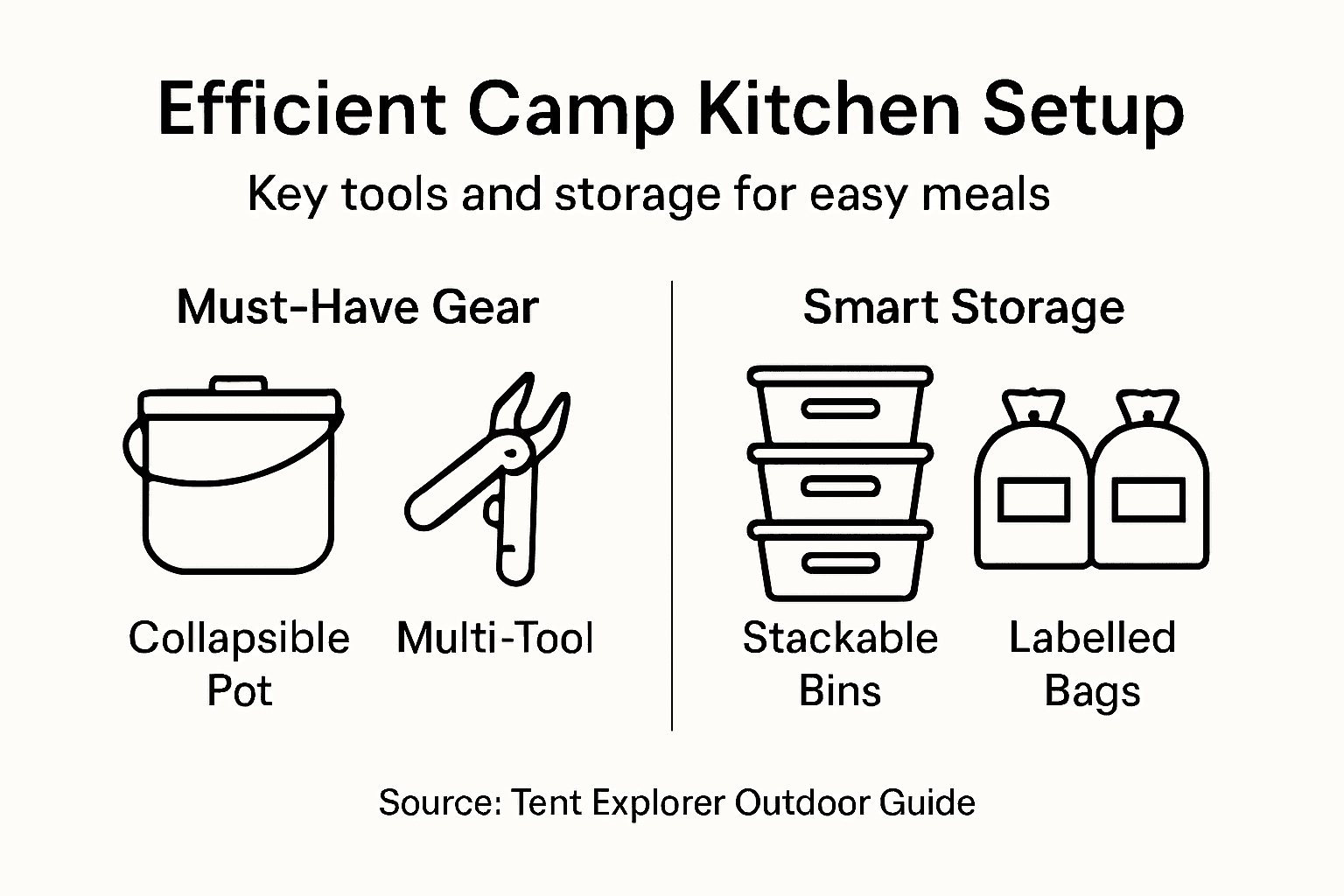
Before leaving home, prep and pack ingredients in clear labeled containers to streamline your cooking process. Consider using resealable bags or lightweight storage containers that protect food from moisture and keep ingredients fresh. Separate raw and cooked food items carefully and pack perishables in a well insulated cooler with sufficient ice packs. Plan your meals in advance and portion out ingredients to minimize waste and reduce the amount of gear you need to carry.
Pro Tip: Create a compact camping kitchen kit with multipurpose tools like a Swiss Army knife, collapsible cutting board, and nesting cookware to reduce overall gear weight and complexity.
Step 3: Set Up Cooking Equipment Safely
Setting up your outdoor cooking equipment requires careful attention to safety and functionality. Your primary goal is creating a stable cooking environment that minimizes potential risks while maximizing cooking efficiency.
Begin by carefully selecting a stable surface for your cooking equipment. Place your portable stove on a flat, level ground away from flammable materials like dry grass, leaves, or overhanging branches. Outdoor cooking tips for tent campers recommend maintaining at least a 10-foot clearance between your cooking area and tents or other combustible structures. Ensure your stove sits on a solid base that prevents tipping and allows proper ventilation. If the ground is uneven, use a sturdy portable cooking platform or a flat rock to create a level cooking surface.
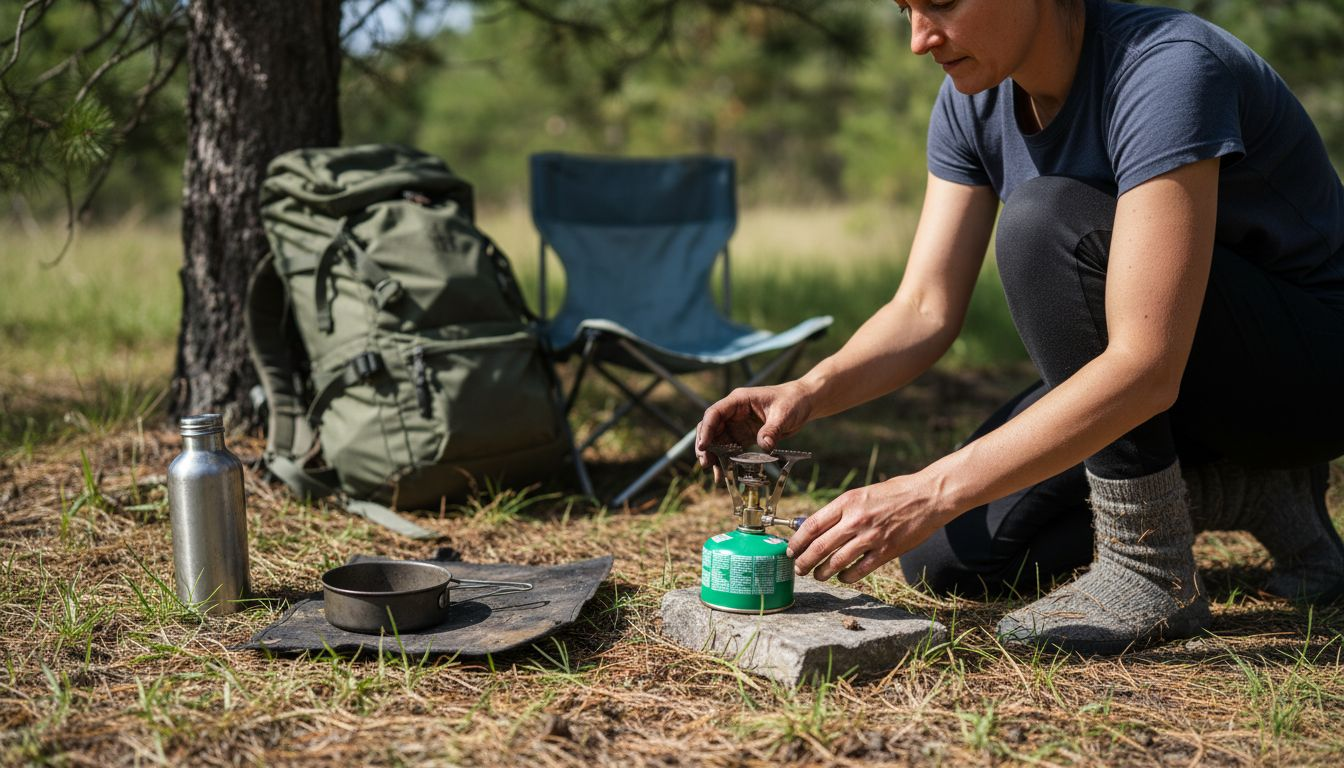
Prepare your cooking area with safety in mind. Keep a fire extinguisher or water source nearby in case of emergencies. Organize your cooking tools within easy reach but away from potential heat sources. Check all equipment connections for gas stoves or camping stoves to prevent fuel leaks. Always have protective gloves and long utensils to maintain a safe distance from open flames. Position yourself upwind from the cooking area to avoid smoke and ensure proper air circulation.
Pro Tip: Pack a small fireproof mat or ground cloth underneath your cooking equipment to protect the surface and provide an additional layer of safety.
Step 4: Prepare Ingredients for Efficient Cooking
Successful outdoor cooking starts with smart ingredient preparation before you even leave home. Thoughtful planning will transform your campsite meal experience from chaotic to seamless.
Preparing ingredients before cooking dramatically reduces mess and cooking time at your campsite. Pre chop all vegetables, measure spices into small sealed containers, and organize your ingredients according to your planned cooking sequence. Pack perishables in well insulated coolers with sufficient ice packs to maintain freshness. Use resealable bags or lightweight containers to keep ingredients dry and protected from potential contamination. Separate raw proteins from other foods and consider vacuum sealing meats to maximize freshness and minimize potential leakage.
Create a systematic ingredient workflow by portioning meals and pre measuring components before your trip. Group related ingredients together in clear containers or bags so you can quickly access everything you need for each recipe. Bring only the exact quantities required to reduce unnecessary weight and potential food waste. Consider creating premixed spice blends or marinades that can be quickly added to proteins or vegetables during cooking to enhance flavor without complicated preparation at the campsite.
Pro Tip: Invest in compact stackable food storage containers with tight sealing lids to maximize cooler space and keep ingredients organized during transport and storage.
Below is a summary of recommended food storage solutions for camping:
| Container Type | Benefits | Best For |
|---|---|---|
| Stackable Plastic | Saves space, lightweight | Dry goods, snacks |
| Insulated Cooler | Maintains low temperature | Meat and dairy |
| Resealable Bags | Moisture protection, compact | Pre-cut vegetables, spices |
Step 5: Cook Meals Using Outdoor Methods
Outdoor cooking transforms simple ingredients into delicious meals with unique flavors and techniques that elevate your camping experience. Mastering different cooking approaches will expand your culinary possibilities in the wilderness.
Outdoor cooking techniques offer numerous ways to prepare meals using various fuel sources like charcoal, wood, or portable gas stoves. Start by understanding your specific cooking equipment and its heat management capabilities. Direct flame cooking works well for quick searing of proteins, while low and slow methods are perfect for tender meats and stews. Adjust your cooking technique based on the specific meal you want to prepare and the equipment available.
Here’s a quick comparison of common outdoor cooking fuel types and their advantages:
| Fuel Type | Heat Control | Portability | Typical Use |
|---|---|---|---|
| Charcoal | Moderate | Bulky, requires bag | Grilling, smoking |
| Wood | Variable | Requires gathering | Campfire cooking |
| Gas (Propane) | Precise | Compact canisters | Stovetop, simmering |
Develop a systematic approach to outdoor cooking by preparing your ingredients beforehand and organizing your cooking tools. Use cast iron skillets for even heat distribution, aluminum foil for packet cooking, and grill grates for direct flame preparation. Practice temperature control by positioning your cookware at different distances from heat sources. Learn to manage flame intensity by adjusting fuel sources or using natural wind barriers. Monitor cooking times carefully since outdoor conditions can affect heat and cooking duration more dramatically than kitchen environments.
Pro Tip: Bring a small instant read thermometer to ensure meats are cooked to safe temperatures regardless of unpredictable outdoor cooking conditions.
Step 6: Verify Cooking Success and Clean Up
The final stage of outdoor cooking involves ensuring your meals are safely prepared and your campsite is left pristine. This critical phase protects both your health and the natural environment.
Safety guidelines for outdoor cooking emphasize the importance of thoroughly checking food temperatures and maintaining proper hygiene. Use a reliable meat thermometer to verify that proteins reach safe internal temperatures specific to each type of meat. Chicken should reach 165 degrees Fahrenheit, beef and pork 145 degrees Fahrenheit, and ground meats 160 degrees Fahrenheit. Visual checks alone are not sufficient to guarantee food safety in outdoor cooking environments.
After confirming your meal is cooked properly, begin cleaning your cooking area systematically. Dispose of food waste in sealed bags that can be packed out completely. Wash cooking utensils and surfaces with biodegradable soap and hot water, using designated washing stations or carrying extra water for cleaning. Wipe down all cooking surfaces and tools thoroughly to prevent attracting wildlife. Store any leftover food in airtight containers and place them in your cooler or designated food storage area. Allow cooking equipment to cool completely before packing to prevent potential burns or equipment damage.
Pro Tip: Pack multiple microfiber towels to efficiently clean cooking surfaces and quickly dry equipment without leaving lint or residue.
Master Your Outdoor Cooking Workflow with Expert Outdoor Living Tips
Cooking outdoors can be rewarding but it also presents unique challenges like finding the perfect cooking spot, organizing gear efficiently, and ensuring food safety. This article highlights how thoughtful preparation and smart setup help overcome these common hurdles and make your camp meals both easy and delicious. If you want to take your outdoor cooking skills even further, integrating tried and true campsite setup strategies is key.
Discover a wealth of practical advice and step-by-step guides at Outdoor Living – Tent Explorer to transform your camping experience. From choosing the right tent to creating efficient camp kitchens, our expert content helps you build confidence and embrace the joys of cooking in nature. Ready to elevate your outdoor meals and campsite comfort? Explore more at Tent Explorer and get inspired to plan your next adventure today. For a broader range of camping insights, check out our Uncategorized – Tent Explorer page that covers essential tips across outdoor living topics.
Frequently Asked Questions
What is the best way to choose a cooking location while camping?
Choosing the best outdoor cooking location involves finding a dry, flat surface away from hazards like tents and flammable materials. Look for slightly elevated ground and consider wind direction to minimize smoke exposure. Aim to set up your cooking area at least 10 feet from any combustible structures.
How can I efficiently organize my cooking gear and ingredients for camping?
To efficiently organize your cooking gear and ingredients, prioritize compact and versatile tools that save space and weight. Group similar items together in clear labeled containers, and pre-pack ingredients based on your meal plan to reduce preparation time at your campsite.
What safety measures should I take when setting up cooking equipment outdoors?
Ensure your cooking equipment is positioned on a stable, flat surface away from flammable materials and is well-ventilated. Keep a fire extinguisher or water source nearby, and use protective gloves when handling hot equipment. Maintain a safe distance from open flames and check connections for leaks if using gas stoves.
How can I confirm my meals are cooked safely while camping?
Verify that your meals are cooked safely by using a meat thermometer to check internal temperatures; for example, cook chicken to 165 degrees Fahrenheit and pork to 145 degrees Fahrenheit. Ensure all food is cooked properly before serving, as visual checks are insufficient in outdoor settings.
What are effective cleaning practices after cooking at a campsite?
After cooking, clean your area by disposing of food waste in sealed bags and washing utensils with biodegradable soap and hot water. Thoroughly wipe down all cooking surfaces to prevent attracting wildlife and allow your cooking equipment to cool before packing it away.
How can I streamline the ingredient preparation process before a camping trip?
Streamline your ingredient preparation by chopping vegetables and measuring spices in advance, storing them in clear, labeled containers. Portion your meals and pack only the necessary quantities to reduce waste and save space in your cooler, making cooking more efficient once at the campsite.