
This blog post may contain affiliate links. As an Amazon Associate I earn from qualifying purchases.
Many tent campers dream of escaping crowded parks for the true solitude and wild beauty of backcountry camping. For those ready to explore beyond developed campgrounds, this approach requires a deeper understanding of remote wilderness, demanding greater self-reliance and careful preparation. By clarifying what distinguishes backcountry camping and addressing common myths, you can gain the insight needed to safely plan trips, choose the right gear, and embrace the unique challenges of these unforgettable outdoor adventures.
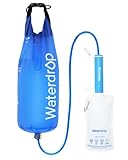
- 5-Stage Efficient Filtration: With adoption of premium-quality coconut shell activated carbon, 0.1 um ultrafiltration membrane and other raw materials, the Water Filter Straw can effectively reduce harmful substances like chlorine, particulates, sediment, stones, sand, dirt, bad taste &odor in water to ensure the water safety and deliver better drinking experience.
- Professional Combination: Waterdrop Gravity Water Filter Straw with 1.5 gal Gravity-Fed Water Bag is an exclusive water purification combination created for outdoor activities and first aid survival. The large-capacity water bag can hold up to 1.5 Gallons of water at a time, which is about 11 bottles of 500 ml bottled purified water, and can meet the all-day demand for outdoor water drinking.
- Longer Lifespan: The Waterdrop Filter straw can provide safe drinking water up to 1,400 gallons (5,300 liters), and ensures the maximum water flow rate of up to 700 ml/min to provide more relaxed outdoor water drinking experience.
- Recyclable Straw: With innovative backwash purifier function, the inside of the Water Filter Straw can be kept clean at all times and it is recyclable, safe and pollution-free. If the water flow decreases or the filter has been used for a long time, you can remove the mouthpiece, flush it with clean water. (Standard water bag can be used or pop bottle with thread diameter of 27.5mm can be filled clean water for backwashing the filter straw.)
- Versatile Uses: The Water Filter Straw can be connected with water bags or water bottles to filter water for drinking. Both ends of it can be disassembled and connected with the water bags and the water bottles to offer you clean drinking water anytime anywhere.

- HIGHLY EFFICIENT – Our industry leading heat exchange technology minimizes wind impact and reduces boiling times by up to 30% compared to traditional backpacking stoves.
- COMPACT AND LIGHTWEIGHT – All accessories including stove, bowl and fuel canister fit into the 1 liter cook pot. THIS SET DOES NOT INCLUDE A FUEL CANISTER, but is compatible with most canisters EXCEPT the COLEMAN fuel canisters. This item weighs only 18 oz!
- INTEGRATED AND EASY TO USE SYSTEM – The 1 liter cooking pot and the stove are one integrated unit, the built in piezoelectric ignitor ignites the stove instantly.
- SAFE, STURDY AND DURABLE – The sturdy, hard anodized aluminum pot features a locking stainless steel handle for secure and safe handling, this combined with the insulating neoprene cover on the pot will ensure years of safe outdoor cooking pleasure.
- Please use a windscreen when using the stove for better performance in windy conditions.
- Bohannan, Thomas P (Author)
- English (Publication Language)
- 526 Pages – 01/10/2019 (Publication Date) – Hayden Publishing (Publisher)

- BEST-TASTING COMFORT FOOD – Made in the USA since 1969, we have been cooking up your favorite comfort food meals and freeze-drying them to create the best-tasting and convenient outdoor adventure meals available. Freeze-dried to lock in nutrients and freshness, enjoy beef, savory mushrooms, and onions in a creamy sauce.
- EASY TO PACK & QUICK PREP – Just add water and eat straight from the pouch in less than 10 minutes, with no cleanup. Mountain House meals are lightweight and portable, lightening your load when every ounce in your backpack matters. Perfect for camping, backpacking, or any outdoor adventure.
- HIGH-QUALITY INGREDIENTS – Mountain House meals are made with high-quality ingredients, never any fillers. Enjoy two servings free of artificial flavors or colors.
- SHELF STABLE – With the longest proven shelf life in the industry backed by our steadfast 30-Year Taste Guarantee, Mountain House is an essential addition to your emergency food supply, ensuring you’re always ready for anything that comes your way.
- RECYCLABLE – Recycle used pouches with TerraCycle for free to reduce your footprint and preserve the great outdoors for fellow adventurers.

- SIGNATURE CHAD MENDES HUNTING MEALS – You asked, and we listened! Now a permanent addition to our lineup so you can get it when you want it, the classic, Signature Mendes meals. Stock up on all 3 protein-packed hunting and backpacking meals to your Peak supply.
- 100% REAL GAME MEAT & 2X THE PROTEIN – Our meals contain 100% real bison game meat, with no added fillers! We provide a meal loaded with protein required to conquer any adventure. Our meats are sourced from trusted suppliers and inspected by the USDA. This results in a superior quality you can enjoy.
- LIGHT WEIGHT & EASY PREP – We understand that time and weight on the trail is valuable. That is why Peak Refuel prepared meals are lightweight, require less water to cook or rehydrate, and are ready to eat in 10 minutes or less.
- AMAZING TASTE & QUALITY – If you would not eat it at home, why take it into nature? What you eat matters and we have gone to great lengths creating a flavorful just add water backpacking meal for whatever adventure you are on, whether on the mountain or at your favorite campsite.
- MADE IN THE USA – All Peak Refuel meals are freeze-dried and packaged in the USA. If you are not satisfied with your purchase or have any other questions, contact us directly and we will make it right!
Last update on 2026-02-18 / Affiliate links / Images from Amazon Product Advertising API
Key Takeaways
| Point | Details |
|---|---|
| Backcountry Camping Defined | Backcountry camping involves venturing into remote, undeveloped wilderness areas that require self-reliance and specific skills. It goes beyond traditional camping experiences. |
| Preparation is Crucial | Thorough planning and understanding of environmental challenges are essential to ensure safety and success in backcountry camping adventures. |
| Essential Gear Selection | Choosing the right gear based on the specific environment significantly impacts safety and enjoyment in wilderness experiences. |
| Legal Considerations | Awareness of permit requirements and local regulations is vital for responsible backcountry camping and environmental conservation. |
Backcountry Camping Defined and Misconceptions
Backcountry camping represents an adventurous approach to outdoor exploration that goes far beyond traditional campground experiences. Unlike standard camping, backcountry camping involves traveling into remote, undeveloped wilderness areas where modern conveniences are non-existent and self-reliance becomes paramount. Wilderness areas require specific preparation and understanding of challenging environmental conditions.
At its core, backcountry camping means venturing into isolated geographical regions characterized by minimal human infrastructure. These areas typically feature rugged terrain, limited access points, and demanding environmental conditions that require comprehensive planning and specialized outdoor skills. The National Park Service defines backcountry zones as primitive, undeveloped park sections primarily accessible through trails and unpaved roads.
Key characteristics of backcountry camping include:
- Traveling beyond established campgrounds
- Carrying all necessary survival gear and supplies
- Navigating without standard amenities
- Practicing advanced wilderness survival techniques
- Respecting environmental conservation principles
Common misconceptions about backcountry camping often stem from romanticized wilderness narratives or underestimating the technical skills required. Many novice outdoor enthusiasts mistakenly believe that backcountry experiences are simply extended hiking trips, when in reality, they demand significant physical preparation, technical knowledge, and risk management strategies.
Understanding the Risks
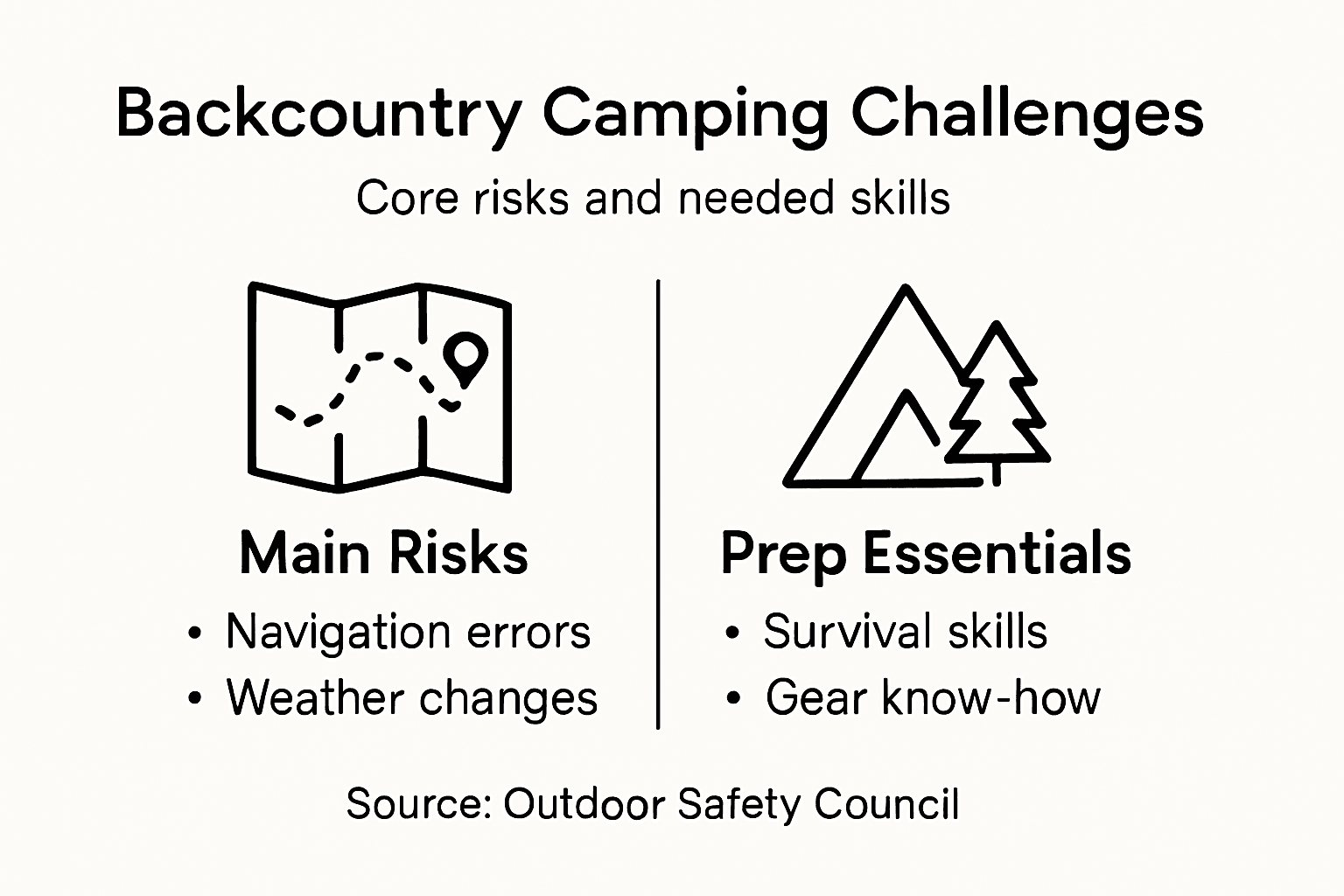
Backcountry environments present unique challenges that require thorough preparation. Wilderness trips necessitate comprehensive safety planning including permit acquisition, emergency communication strategies, and detailed route mapping. Potential hazards range from wildlife encounters and extreme weather conditions to navigation difficulties in remote landscapes.
Pro tip: Always inform a trusted contact about your precise backcountry travel plan, including expected return date and specific route details to ensure your safety during wilderness expeditions.
Types of Backcountry Camping Adventures
Backcountry camping encompasses a diverse range of wilderness experiences that challenge adventurers to explore remote landscapes through various outdoor activities. Multi-day backpacking adventures span multiple terrains) and require comprehensive preparation and specialized skills across different environments.
The primary types of backcountry camping adventures include:
- Hiking Expeditions: Extended treks through mountain ranges, forests, and wilderness trails
- Rock Climbing Journeys: Technical ascents combining climbing skills with overnight wilderness camping
- Paddling Adventures: Canoe or kayak trips exploring rivers, lakes, and coastal wilderness areas
- Mountaineering Expeditions: High-altitude journeys requiring advanced technical skills and specialized equipment
- Desert and Alpine Traverses: Cross-country trips through challenging and extreme environmental conditions
Each backcountry adventure type demands unique preparation and understanding of specific environmental challenges. Wilderness experiences vary dramatically across different ecosystems, with regulations and permit requirements changing based on location and terrain.
Specialized Camping Approaches
Backcountry camping isn’t uniform – it adapts to the specific landscape and adventure type. Mountaineering expeditions require different gear and skills compared to paddling trips, while desert traverses demand unique water management and navigation techniques. Successful backcountry travelers understand these nuanced differences and prepare accordingly.
Here’s a comparison of different backcountry camping adventure types and their unique preparation needs:
| Adventure Type | Main Environmental Challenge | Key Preparation Focus |
|---|---|---|
| Hiking Expedition | Rugged terrain, changing weather | Endurance and navigation skills |
| Rock Climbing Journey | Vertical exposure, rocky areas | Climbing safety and gear checks |
| Paddling Adventure | Water currents, remoteness | Waterproof gear and rescue skills |
| Mountaineering Expedition | High altitude, cold temperatures | Specialized clothing and technical skills |
| Desert Traverse | Extreme heat, limited water | Hydration management and sun protection |
| Alpine Traverse | Snow, ice, unpredictable weather | Avalanche awareness and cold resistance |
Pro tip: Research specific terrain requirements and obtain necessary permits before embarking on any backcountry camping adventure to ensure a safe and legal wilderness experience.
Essential Gear for Remote Camping Success
Successful backcountry camping hinges on careful gear selection and understanding critical survival equipment requirements. The right equipment can mean the difference between a memorable adventure and a potential survival situation in remote wilderness environments.
The core essentials for remote camping include:
- Navigation Tools: Topographic maps, compass, GPS device
- Hydration Systems: Water filters, purification tablets, multiple water carriers
- Emergency Shelter: Lightweight tent, emergency bivy sack, tarp
- First Aid Kit: Comprehensive medical supplies tailored to trip duration
- Fire Starting Equipment: Waterproof matches, lighter, fire starter materials
- Multi-Tool: Versatile repair and utility tool with multiple functions
- Communication Devices: Satellite messenger, emergency beacon
Gear Weight and Efficiency
Wilderness preparation demands lightweight, multifunctional gear that balances survival needs with portability. Advanced backcountry travelers prioritize equipment that serves multiple purposes, reducing overall pack weight while maintaining critical safety margins.
Specialized Equipment Considerations
Backcountry gear must be selected based on specific terrain, expected weather conditions, and trip duration. Mountaineering expeditions require different equipment compared to desert traverses, with specialized clothing, protection, and survival tools unique to each environment.
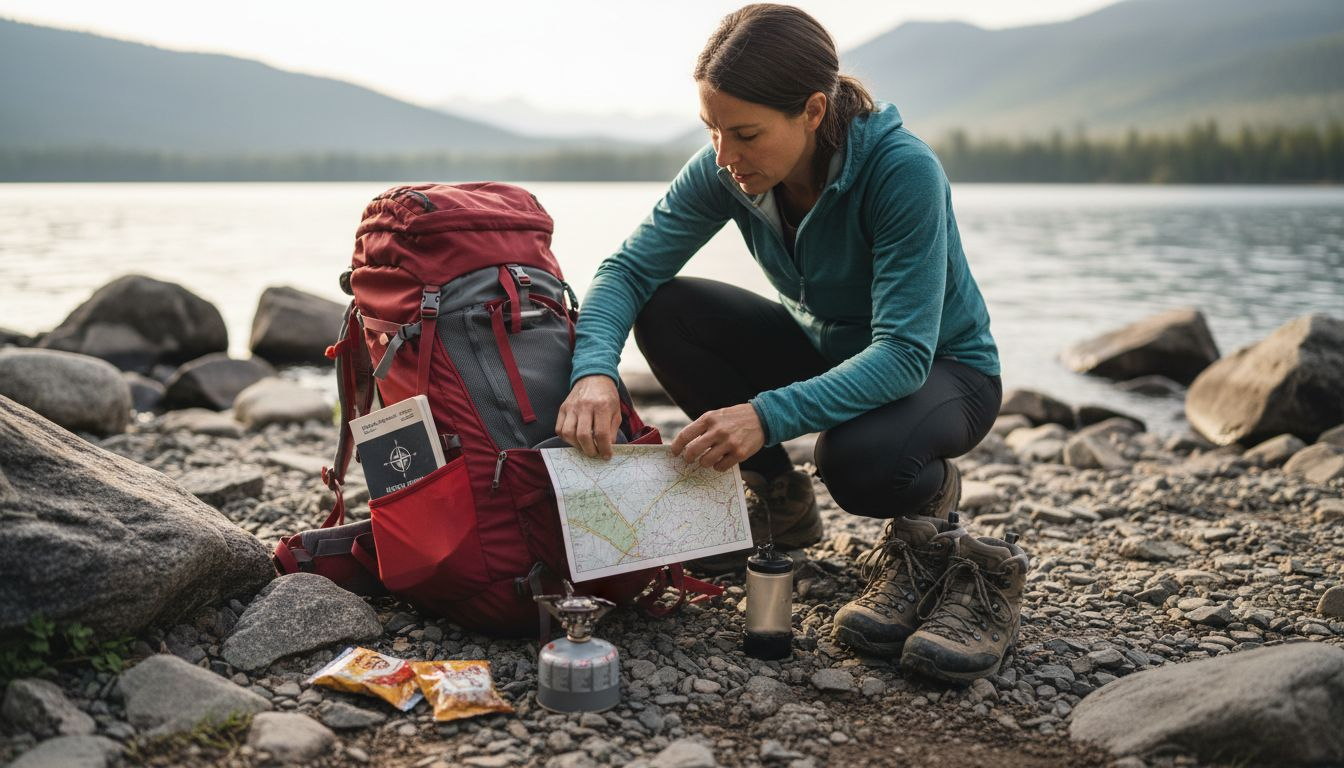
Pro tip: Test and familiarize yourself with all gear before your backcountry trip, ensuring you understand how to use each piece of equipment effectively in potential emergency scenarios.
For quick reference, here’s a summary of essential gear and its critical function for remote camping:
| Gear Type | Function | Why It Matters |
|---|---|---|
| Navigation Tools | Route finding | Prevents getting lost in wilderness |
| Hydration System | Clean water access | Reduces dehydration risks |
| Emergency Shelter | Weather protection | Safeguards against exposure |
| First Aid Kit | Medical emergency care | Supports injury management |
| Fire Starting Gear | Cooking and warmth | Enables food prep and heating |
| Multi-Tool | Equipment repairs | Solves unexpected equipment issues |
| Communication Device | Emergency contacts | Provides rescue potential |
Safety, Permits, and Legal Considerations
Backcountry camping involves navigating complex legal and safety requirements that vary significantly across different wilderness regions. Wilderness permits are critical for regulated access to protected areas, serving multiple important functions beyond simple documentation.
Key legal and safety considerations include:
- Permit Requirements: Obtaining necessary documentation for specific wilderness areas
- Location Restrictions: Understanding camping zone limitations
- Environmental Regulations: Adhering to Leave No Trace principles
- Wildlife Protection: Maintaining safe distances from animals
- Emergency Communication: Establishing reliable contact methods
- Group Size Limitations: Respecting area-specific visitor quotas
- Seasonal Access Rules: Checking current park or forest regulations
Permit Acquisition Process
Backcountry permits help manage visitor impact and protect fragile ecosystems. Most National Parks and wilderness areas require advanced reservation, with some locations offering online registration and others requiring in-person permit acquisition at ranger stations.
Risk Management Strategies
Successful backcountry travelers understand that legal compliance is not just about following rules, but ensuring personal safety and environmental preservation. This means researching specific regional regulations, understanding potential hazards, and preparing comprehensive emergency plans before embarking on wilderness adventures.
Pro tip: Always contact local ranger stations or park management to confirm the most current permit requirements and safety guidelines for your specific backcountry destination.
Common Mistakes and How to Avoid Them
Backcountry camping mistakes can transform a dream adventure into a potential nightmare. Understanding common pitfalls is crucial for ensuring a safe and enjoyable wilderness experience that minimizes risks and maximizes outdoor enjoyment.
The most frequent backcountry camping errors include:
- Inadequate Preparation: Failing to research trail conditions and requirements
- Poor Physical Conditioning: Overestimating personal fitness levels
- Insufficient Gear Packing: Bringing inappropriate or limited equipment
- Neglecting Weather Forecasts: Underestimating environmental challenges
- Ignoring Navigation Skills: Relying solely on electronic devices
- Improper Food and Water Management: Miscalculating nutritional needs
- Solo Travel Risks: Exploring remote areas without communication backup
Preparation and Risk Mitigation
Wilderness safety demands comprehensive planning and situational awareness. Successful backcountry travelers develop a holistic approach that combines physical preparedness, technical skills, and strategic thinking to navigate potential challenges effectively.
Mental and Physical Readiness
Beyond physical equipment, backcountry success relies on mental resilience and adaptability. Understanding personal limits, maintaining realistic expectations, and developing a flexible mindset are critical components of safe wilderness exploration. Continuously assess your condition, be willing to adjust plans, and prioritize safety over ambitious goals.
Pro tip: Practice your wilderness skills in controlled environments and gradually build complexity to develop confidence and competence before attempting challenging backcountry adventures.
Master Backcountry Camping With Confidence and the Right Gear
Backcountry camping demands thorough preparation and the best equipment to stay safe and enjoy the wilderness fully. If you found yourself overwhelmed by managing survival gear, navigation tools, or specialized tents for remote environments this article highlights the challenges you face. With such complex planning, knowing where to turn for practical advice can make all the difference. At Tent Explorer, we understand your goals to become self-reliant, prepared, and ready to tackle rugged terrains without sacrificing comfort or safety.
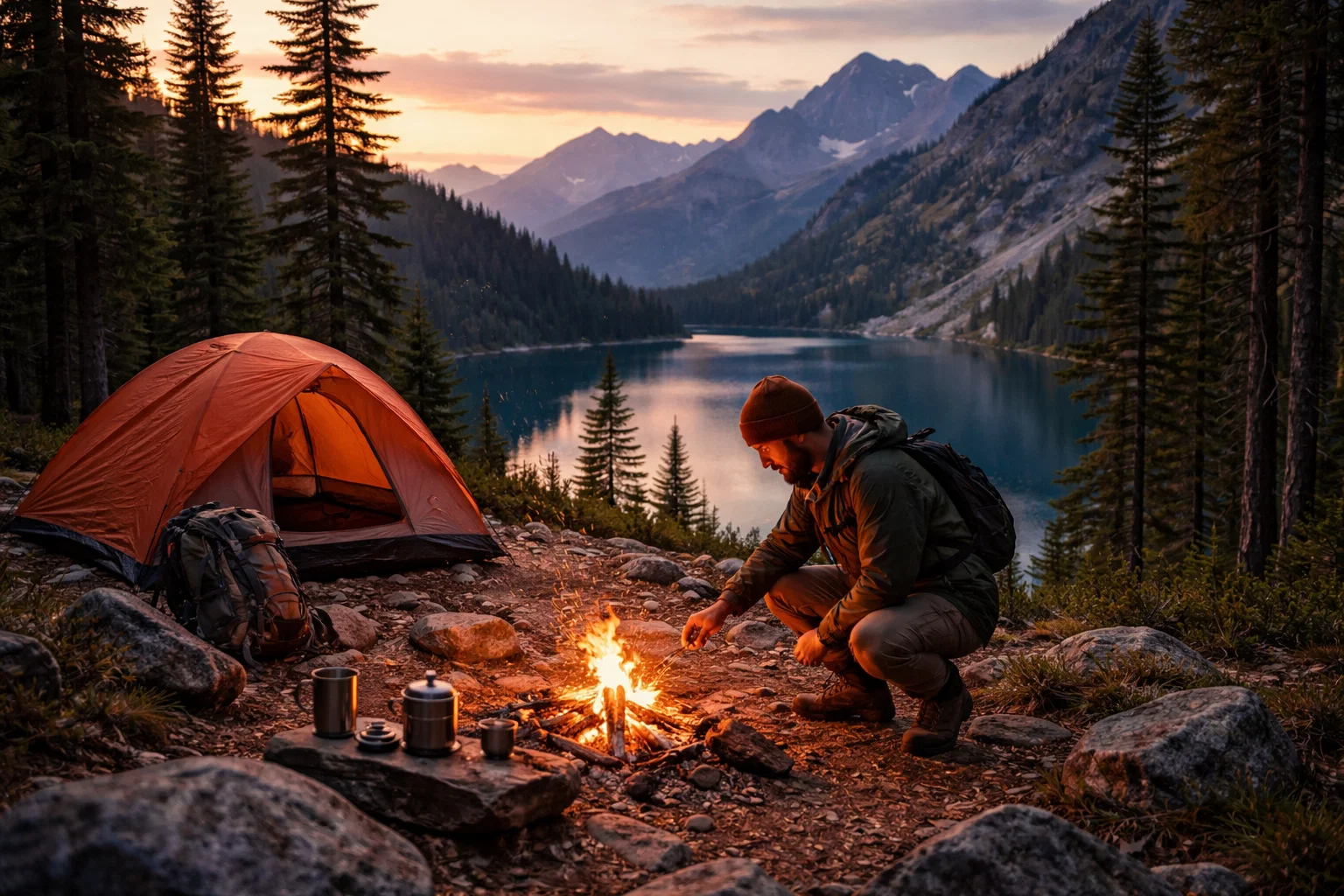
Explore our Outdoor Living – Tent Explorer section for expert tips on selecting the right camping gear and shelter setups that fit backcountry needs. For fun and morale boosters that keep spirits high in remote settings, check out Fun While Camping – Tent Explorer. Don’t wait until your next trip to get ready. Visit Tent Explorer now and start building the knowledge and confidence essential for your ultimate backcountry camping adventure.
Frequently Asked Questions
What is backcountry camping?
Backcountry camping is an adventurous outdoor experience that involves venturing into remote, undeveloped wilderness areas, requiring self-reliance and technical skills as modern conveniences are often absent.
What types of activities are involved in backcountry camping?
Backcountry camping can include hiking expeditions, rock climbing journeys, paddling adventures, mountaineering expeditions, and desert or alpine traverses, each requiring unique preparation and skills.
What essential gear do I need for backcountry camping?
Key essential gear includes navigation tools, hydration systems, emergency shelter, a first aid kit, fire-starting equipment, a multi-tool, and communication devices to ensure safety and survival in remote environments.
Why is understanding risks important in backcountry camping?
Understanding risks is crucial in backcountry camping as it helps in planning for potential hazards, such as wildlife encounters and extreme weather conditions, ensuring you are prepared and can navigate challenges effectively.