
This blog post may contain affiliate links. As an Amazon Associate I earn from qualifying purchases.
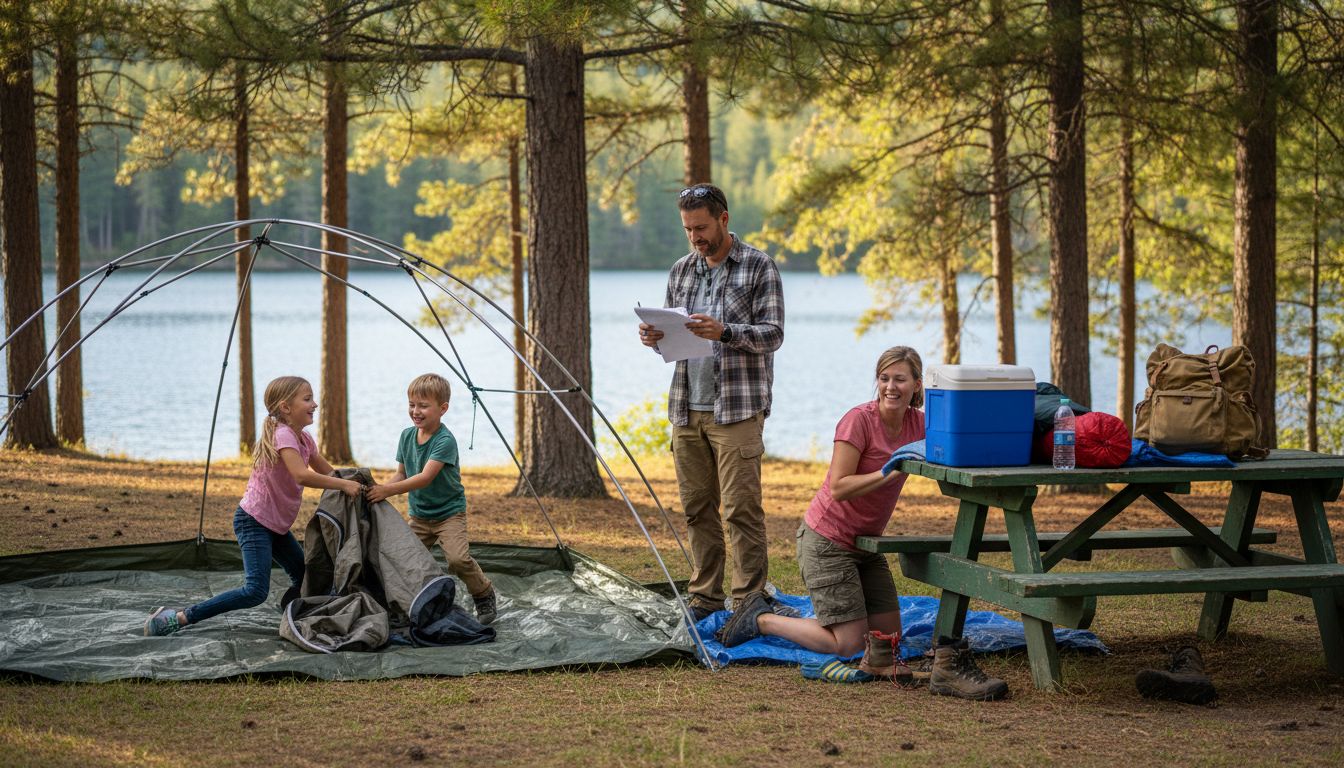
Over forty million American households go camping each year, yet even experienced campers often forget a crucial step in their planning. A successful outdoor adventure depends on smart preparation, from choosing a safe campsite to making sure safety gear is on hand. Whether you are heading to a national park or a local forest, understanding the essentials will help you avoid stressful setbacks and fully enjoy the peace and fun that only camping can offer. This is your ultimate beginner camping guide!
Quick Summary
| Key Point | Explanation |
|---|---|
| 1. Research Your Camping Location | Understand terrain, regulations, and conditions to avoid fines and protect ecosystems. Consult official resources for accurate information. |
| 2. Pack Quality Shelter and Sleeping Gear | Choose a tent and sleeping equipment suited for your group and expected weather. Consider waterproof materials and pack in compression sacks. |
| 3. Dress in Layers | Layer clothing for versatility against changing weather. Start with moisture-wicking materials and include waterproof outer layers. |
| 4. Organize Cooking Supplies Efficiently | Select lightweight cooking gear and nutrient-dense meals. Pack food in waterproof containers to avoid wildlife encounters. |
| 5. Prioritize Safety and Navigation Tools | Carry essential safety equipment like a first aid kit and navigation tools. Familiarize yourself with them before your trip. |

- 2 PERSON TENT – This lightweight two-person small tent has enough space for you and a friend. This tent for camping is ideal for hiking, fishing, weekend music festivals, or as a beach tent, making it the perfect addition to your camping essentials.
- CONVENIENT FEATURES – The tent for beach features fiberglass poles, a removable rain fly to protect against unexpected weather, a ventilation window to encourage comfortable airflow, and an interior storage pocket to keep your camping supplies organized.
- DUAL-LAYER DOOR – The combination of the inner screen layer and the outer zippered fabric layer of the easy-up tent door provides plenty of air as well as privacy. Simply secure the doors with sewn-in ties to let the breeze in and keep mosquitos out.
- EASY SETUP – Setup and tear down of this 2 person pop up tent are quick and easy. When you are finished with your trip, simply place the tent components back into the included carrying bag for easy storage with your other camping accessories.
- PRODUCT DETAILS – Materials: 190T Polyester and Fiberglass. Dimensions: (L) 77″ x (W) 57″ x (H) 40″; Pole Diameter: 3mm; Carrying Bag: (L) 23″ x (W) 4″. Weight: 2.75lbs. Capacity: 2 People. Color: Blue and Gray.

- Perfect camping gear
- For hiking, backpacking, and travelingDurable Material
- Keeping yourself, your camping equipment, and your personal items dry when you are camping is
- This lightweight 2-person dome tent with a large d-style door was designed for comfort, space,
- Get the most out of your tent during the year. The fiberglass poles and ventilation window allow

- 【60-Second Instant Setup】Our Camping tent features pre-attached poles that snap into place in under 60 seconds. Whether you’re a novice camper or arriving at the campsite after dark, this seamless construction ensures a lightning-fast setup, allowing your family to spend more time enjoying the BBQ under the stars rather than fighting with gear.
- 【Spacious 8-Person Cabin】Experience the comfort of home in the wild. Measuring a generous 228″ x 114″ x 72″, this large camping tent easily fits 2 Queen air mattresses or 8 sleeping bags. The 76-inch peak height allows most adults to stand fully upright and move around comfortably. Despite its massive interior, the carbon structural steel frame keeps the total weight at just 18.7 lbs, making it exceptionally portable for family RV travels.
- 【All-Weather Protection 】Crafted from premium 210D Oxford cloth with a PU 3500mm waterproof rating, it features a “bathtub” floor design and drainage-channel zippers to prevent leakage. Reinforced with sturdy steel pegs and adjustable guy lines, this tent is engineered to withstand 35 MPH winds.
- 【360° Ventilation & Stargazing Ceiling】Enjoy maximum airflow and panoramic views without the bugs. With mesh windows on all 4 sides, dedicated floor vents, and a high-density B3 mesh ceiling, this tent stays cool even on humid summer nights. The mesh top offers a breathtaking view of the starry sky, while the double-door design and interior privacy zippers allow you to control airflow and light with ease.
- 【Premium Materials & Camper-Centric Features】Built for longevity with buttery-smooth SBS zippers and protective sleeves on every frame extension. We’ve thought of everything: a built-in E-Port for easy power cord access, sidewall organizer pockets for your phone and keys, and overhead gear nets for your camping lantern. Plus, buy with confidence thanks to our 1-Year Warranty and 12-hour

- 60 Seconds Set Up: You can set up the instant camping tent in under 60 seconds, thanks to its pre-installed poles and seamless construction. The quick and easy installation makes it the ideal companion for beginner campers, allowing you and your family to enjoy more time with nature
- Water-resistant & Windproof: The tent is crafted from premium water-resistant fabric. The door zipper features a drainage channel at the bottom, complemented by a bathe tube design at the base. This effectively prevents rainwater accumulation and leakage while keeping insects out. Equipped with sturdy tent pegs and adjustable guy lines, this tent can withstand wind at 35 MPH. Note: The inner tent top uses mesh fabric and is not waterproof. It must be used with the outer tent during rainy weather
- Visibility & Ventilation: The tent for camping has mesh windows on all 4 sides, vents at the floor, and a mesh screen design at the ceiling, making the temperature inside the tent cooler in summer. Moreover, the windows and ceiling made of our mesh material let you experience the beautiful starry sky and the charming scenic nature on a quiet summer night
- Spacious Interior & Portable: The spacious tent measures 120 inches x 108 inches, large enough for 6 people by industry standards. The interior seamlessly fits a Queen air mattress. With a maximum height of 66 inches, the 6 person tent is spacious enough to easily stand upright, too. It is well-built using rock-solid carbon structural steel while weighing only 16.8 lbs, making it easy to carry for the smoothest camping trips
- High-quality Materials: The camping tent’s top-of-the-line SBS zippers bring a buttery smoother user experience; Its high-quality B3 mesh yarn with fine texture gives it that extra bump in longevity; The sturdy carbon frame with pads and protective sleeves on every extension warrants high durability and seamless stability. The power cord entrance enables equipment connection to an external power source, while mesh pockets inside facilitate easy storage
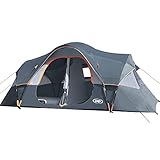
- Spacious for 10 Person: Unique 18 ft x 9 ft x78 in, well fitting 10 sleeping bags or 3 queen air mattress, ideal for family camping.
- Easy-up Tent: There are no particular skills needed. Two people can set it up in 10 minutes. A bigger carry bag size of 25.6 x10.2 x 10.2 inches will let you feel relaxed and easily repack the tent.
- Good Ventilation, Large View: Top Large Mesh Roof makes it possible to watch stars with a wide view at night, three sides of big mesh windows, and the other two on each door boost air ventilation.
- 2 Room Tents: Hang one Privacy Divider Curtain from the ceiling, the tent becomes a room cabinet tent with 2 doors, which improves privacy. With a projector, the tent can also become an outdoor cinema by projecting videos on the divider screen.
- Quality Material: Polyester 185T PU1000mm fabric waterproof. Vestibular awning and extended awning design in rainfly better prevent rain from dropping inside.
Last update on 2026-04-22 / Affiliate links / Images from Amazon Product Advertising API
Step 1: Research Your Camping Location
Preparing for a successful camping trip starts with thorough location research. Understanding the terrain, regulations, and environmental conditions can make the difference between an enjoyable adventure and a frustrating experience.
Start by consulting official topographical resources like the U.S. Geological Survey campground guidelines to confirm precise campground details and official designations. Local park websites, ranger stations, and state recreation departments offer critical information about permitted camping areas, potential seasonal restrictions, and specific site regulations. Check weather forecasts, terrain maps, and recent trail reports to understand what conditions you might encounter.
When planning your trip, integrate Leave No Trace principles by researching how to minimize your environmental impact. This means understanding local wildlife patterns, vegetation guidelines, waste management requirements, and fire restrictions. Some areas might require advance permits or have specific camping zone allocations. Knowing these details beforehand prevents potential fines and helps protect natural ecosystems.
Pro tip: Always have a backup camping location identified. Unexpected closures, full campgrounds, or sudden weather changes can disrupt your original plans. Flexibility and preparation are key to a smooth outdoor experience.
Step 2: Gather Essential Shelter and Sleeping Gear
Choosing the right shelter and sleeping equipment is crucial for a comfortable and safe camping experience. Your gear will be your primary defense against weather conditions and ensure you get quality rest during outdoor adventures.
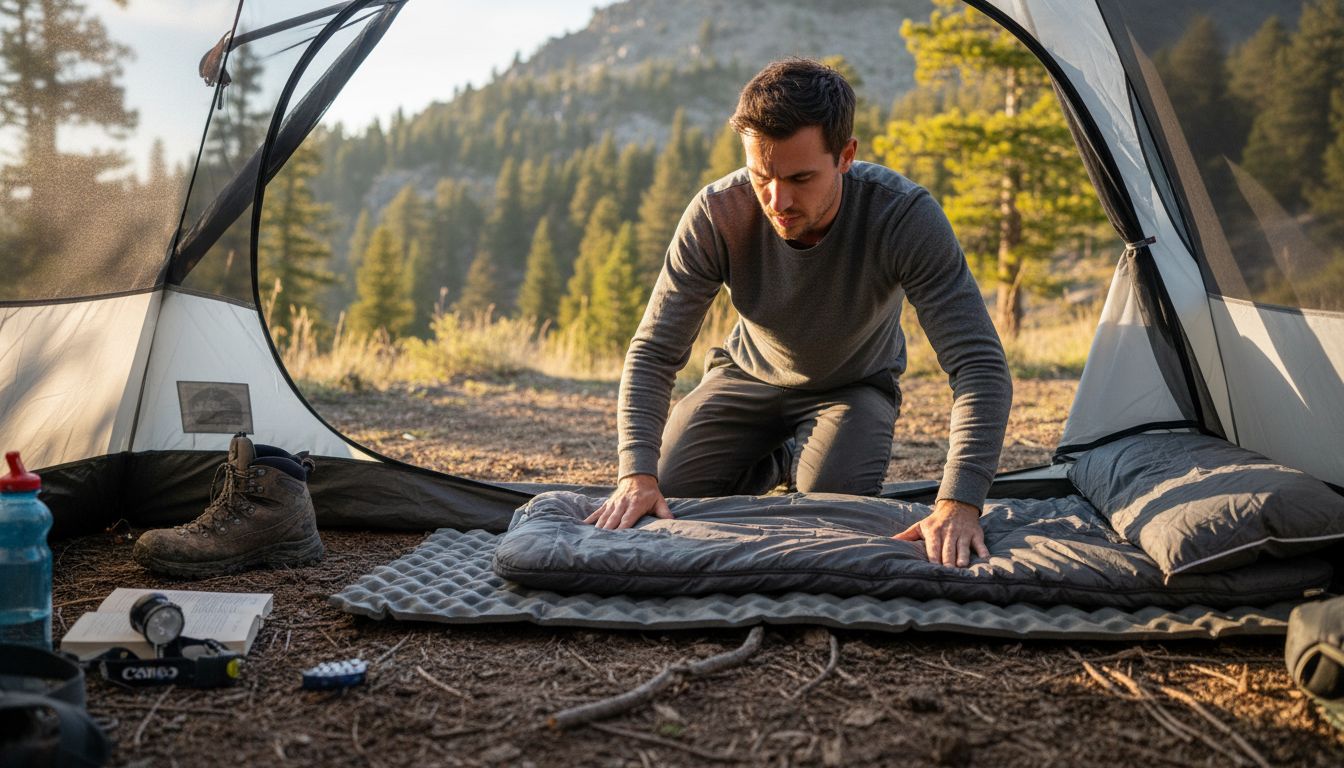
Start by selecting a tent appropriate for your group size and expected conditions. Look for a tent that matches your camping gear checklist to ensure complete coverage. Consider factors like season rating, waterproofing, weight, and ease of setup. For sleeping gear, invest in a quality sleeping bag rated for the lowest temperatures you might encounter and a sleeping pad for insulation and comfort. Lightweight inflatable sleeping pads offer excellent comfort without significant pack weight.
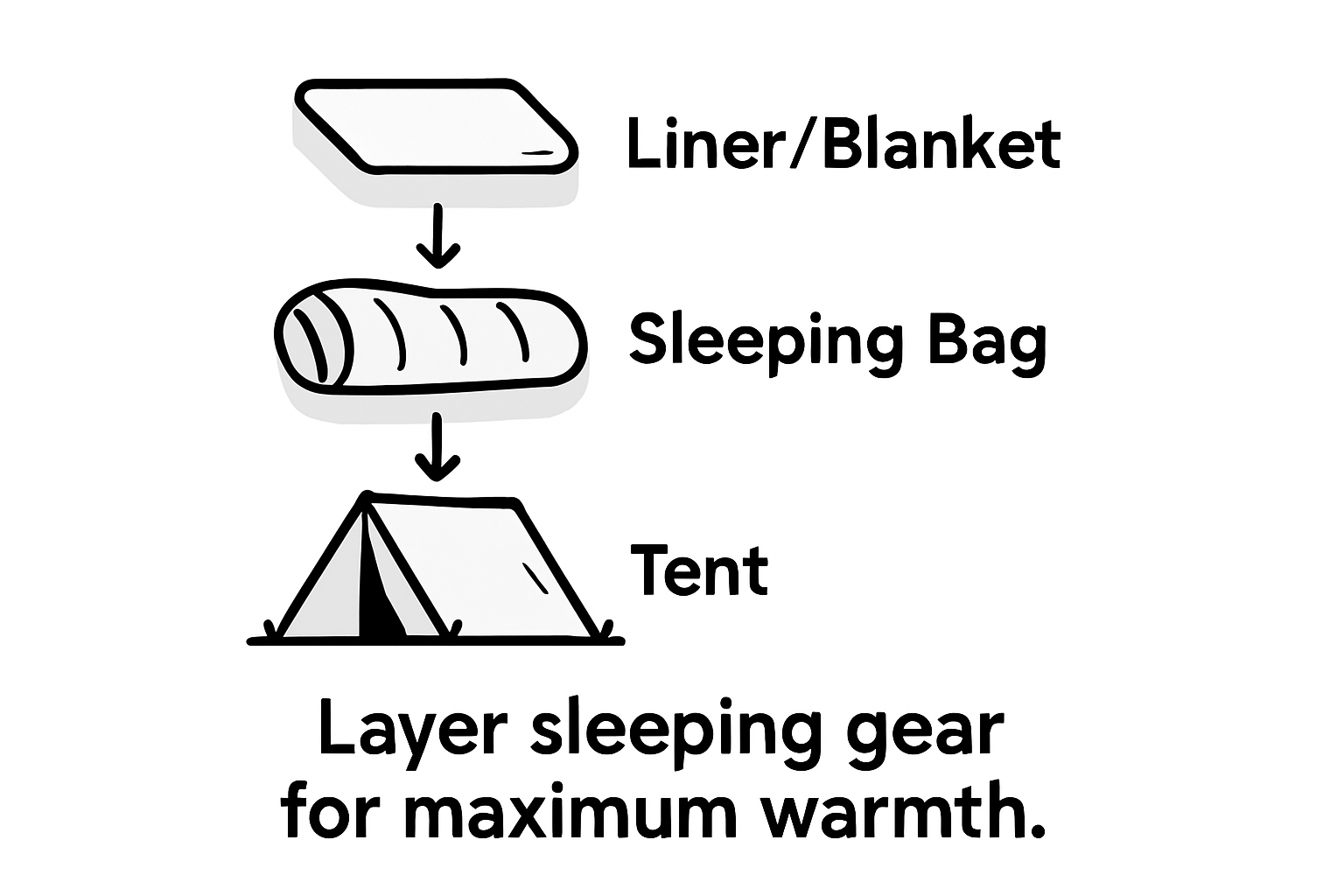
Layer your sleeping gear strategically to maximize warmth and adaptability. A base layer sleeping bag liner can add extra warmth, while a waterproof ground cloth beneath your tent protects against moisture. Pack extra blankets or a compact emergency blanket for unexpected temperature drops. Pro tip: Always pack your sleeping gear in a waterproof compression sack to protect against moisture and reduce packed volume. Your shelter and sleeping system are your home away from home imagine them as your personal sanctuary in the wilderness.
Step 3: Select Proper Clothing and Footwear
Choosing the right clothing and footwear can make or break your camping experience. Your apparel needs to protect you from environmental challenges while providing comfort and mobility during outdoor activities.
Layering is critical when preparing your camping wardrobe. Explore a comprehensive camping gear layering approach to understand how to create versatile clothing systems. Start with a moisture-wicking base layer that pulls sweat away from your skin, add an insulating middle layer like fleece or wool for warmth, and top it with a waterproof and windproof outer layer. For footwear, select sturdy hiking boots or trail shoes with good ankle support and traction appropriate to your terrain. Waterproof or water-resistant options work best for unpredictable outdoor conditions.
Pack clothing made from quick-drying synthetic materials or merino wool that resist odors and dry rapidly. Include extra socks, underwear, and a lightweight rain jacket. Always pack a complete change of dry clothes in a sealed waterproof bag. Pro tip: Avoid cotton materials which retain moisture and can lead to rapid heat loss. Your clothing is your primary defense against changing weather conditions think of it as your portable climate control system.
Step 4: Organize Cooking Supplies and Food
Successful camping meals require careful planning and strategic organization of your cooking equipment and provisions. Your food preparation strategy can significantly impact the enjoyment and convenience of your outdoor experience.
Start by selecting lightweight, compact cooking gear that meets your meal preparation needs. Review essential tent camping safety tips to understand proper food storage and cooking protocols that prevent wildlife interactions. Pack a portable camping stove with sufficient fuel, lightweight cookware, utensils, collapsible water containers, and a multipurpose cooking tool like a Swiss Army knife. Choose meals that are nutrient dense, lightweight, and easy to prepare such as dehydrated meals, energy bars, trail mix, and individually packaged items that minimize waste.
Organize your food and cooking supplies in waterproof containers with secure sealing to protect against moisture and prevent attracting wildlife. Separate raw ingredients from cooked foods and pack ingredients in clear, labeled bags for easy identification. Plan your meals in advance with precise portion sizes to minimize excess weight and reduce food waste. Pro tip: Pack a small garbage bag and practice leave no trace principles by packing out all your food scraps and trash. Your cooking system should be efficient lightweight and designed to fuel your outdoor adventures without becoming a logistical burden.
Safety should be your top priority when venturing into the wilderness. Proper preparation with the right navigation and safety tools can mean the difference between a minor setback and a potential emergency.
Adhere to the comprehensive Ten Essentials guidelines for outdoor survival, which outline critical tools every camper needs. Pack a reliable topographic map of your specific area, a magnetic compass with declination adjustment, and a backup GPS device with extra batteries. Include a headlamp or flashlight with spare batteries, a robust first aid kit customized for your trip length and potential environmental challenges, waterproof matches or a reliable fire starter, a multipurpose emergency whistle, and a compact emergency shelter like a lightweight bivy sack.
Always carry communication devices such as a fully charged mobile phone and consider a satellite communication device for areas with limited cellular coverage. Pack emergency signaling tools like a signal mirror and bright colored fabric for visibility. Pro tip: Practice using your navigation tools before your trip and keep them easily accessible. Your safety equipment is not just gear it is your lifeline in unpredictable outdoor environments. Learning to use these tools confidently can transform a potential crisis into a manageable situation.
Step 6: Review and Verify Your Camping Checklist
A comprehensive camping checklist is your blueprint for a successful outdoor adventure. Taking time to methodically review and verify your gear can prevent last-minute surprises and potential safety risks.
Understanding the strategic role of camping checklists helps ensure you do not overlook critical items. Systematically go through each category of your gear checking for completeness, functionality, and appropriateness for your specific trip. Test electronic devices like headlamps and GPS units by replacing batteries and confirming they work properly. Verify that your first aid kit is fully stocked with unexpired medications and supplies. Check that clothing and footwear are in good condition without significant wear or damage.
Layout all your packed items and cross reference against your master checklist. Pay special attention to multipurpose tools, emergency backup items, and essential safety equipment. Pro tip: Create a digital backup of your checklist on your smartphone and keep a printed version in a waterproof bag. This dual approach ensures you always have a reference even if technology fails. Your final checklist review is your last line of defense against potential outdoor complications prepare thoroughly and camp confidently.
Gear Up for Your Next Camping Adventure with Confidence
Preparing a beginner camping checklist can feel overwhelming but having the essential gear makes all the difference for a safe and enjoyable trip. Whether you are looking for a reliable tent, smart shelter accessories, or expert tips on campsite setup, Tent Explorer is your trusted companion. Discover practical advice tailored to help you find the right equipment to meet your specific needs while embracing safety and comfort.
Explore our comprehensive Outdoor Living – Tent Explorer category for detailed guides on creating the perfect campsite atmosphere. Check out essential Tent Accessories – Tent Explorer to upgrade your shelter and sleeping setup. Visit Tent Explorer now to start planning your camping journey with confidence and enjoy every moment outdoors with the right tools at your side.
Frequently Asked Questions
What items should I include in my beginner camping checklist?
To create a comprehensive beginner camping checklist, include essential items like a tent, sleeping bag, cooking supplies, food, clothing, and navigation tools. Ensure these items suit the camping conditions and your personal needs for comfort and safety.
How do I choose the right sleeping gear for camping?
Select a sleeping bag that is rated for the lowest possible temperatures you will encounter and consider adding an insulating sleeping pad for extra comfort. Always pack your sleeping gear in a waterproof compression sack to protect it from moisture.
What cooking supplies do I need for my camping trip?
Gather portable cooking equipment like a camping stove, lightweight cookware, utensils, and a sturdy multipurpose tool. Organize your food in waterproof containers and plan your meals ahead, focusing on lightweight, nutrient-dense options.
How should I pack clothing for a camping trip?
Pack clothing in layers, starting with a moisture-wicking base layer, an insulating middle layer, and a waterproof outer layer. Include quick-drying materials and always carry an extra set of dry clothes in a sealed waterproof bag to safeguard against unexpected weather changes.
What safety tools are essential for camping?
Essential safety tools include a map, compass, first aid kit, reliable flashlight, and communication devices like a charged mobile phone. Review your safety equipment before your trip to ensure it is functional and accessible during your adventure.
How can I effectively review my camping checklist before departing?
Perform a thorough review of your camping checklist by laying out each item and checking its condition and functionality against your master list. Test any electronic devices, ensure your first aid kit is stocked, and make a digital backup of your checklist for convenience.