
This blog post may contain affiliate links. As an Amazon Associate I earn from qualifying purchases.
📋 Table of Contents
- Quick Summary
- Step 1: Select the Ideal Sleeping Location
- Step 2: Prepare Your Sleeping Surface Effectively
- Step 3: Set Up Sleeping Gear for Maximum Comfort
- Step 4: Optimize Temperature and Weather Protection
- Step 5: Test and Adjust Your Sleeping Setup
- Sleep Comfortably Outdoors With Expert Tips and Gear
- Frequently Asked Questions
- Recommended
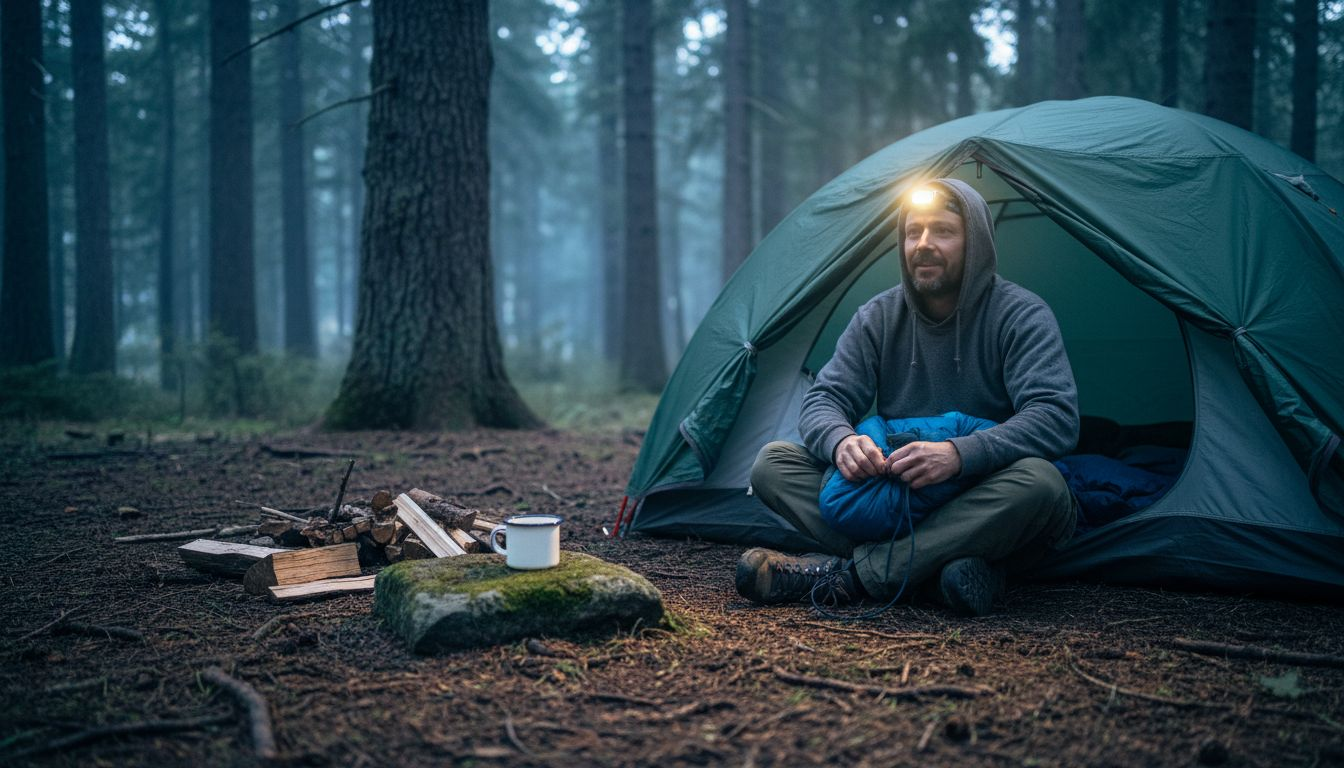
A restless night in your tent can turn even the most scenic escape into a challenge. Getting quality outdoor sleeping depends on choosing the right spot, preparing your sleeping surface, and knowing which gear provides the best support and warmth. With a focus on body alignment and effective surface preparation, this guide gives practical, research-backed tips to help you sleep comfortably and safely wherever you camp, from the forests of Canada to the deserts of Australia.

- Cot for Sleeping with Detachable Soft Pad: The included soft mat adds comfort for better sleep; remove it in hot weather for a breathable surface while camping, traveling, or resting at home. Note: pad ships compressed—gently knead and allow several hours to fluff up.
- Quick Open & Easy Fold: No tools needed—opens in under 10 seconds; to stow, hold both side frames and press down to fold flat, then secure the strap and place into the carry bag.
- Premium 1200D Fabric: Double-layer Oxford resists wear and supports stable sleeping; wipe clean with a damp cloth. The crossbar sits lower than the fabric to help reduce pressure points so you won’t feel the bar at night.
- 28″ Extra Wide Size: Unfolded 75″ × 28″ × 14″; folded 41″ × 8″ (approx). The wider 28″ surface helps reduce roll-off; suitable for camping, travel, temporary guest bed, and everyday rest, and includes a carry bag.
- Durable Build with Stable Resting: Double-layer 1200D Oxford over a sturdy steel frame; the crossbar sits lower than the fabric to reduce pressure points so you won’t feel the bar at night.
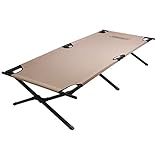
- Strong cross-bar steel frame
- Supports up to 300 lb
- Max height: 6 ft. 2 in
- Dimensions: 73 x 35 x 17 in
- Folds to fit in most car trunks
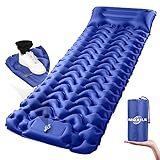
- 【Innovation Design】Just Want to sleep comfortably anywhere? MOXILS sleeping pad innovation design is made special with body mapping technology.No need to suffer with a cheap, flimsy, and undersized outdoor sleeping pad! This quality portable camping pad is perfect,great sturdy and super comfortable – great for any sleep position!
- 【Foot Press to Inflate-Only 20s Needed】 There is no need to inflate with your hands, mouth, or a pump for our camping sleeping pad. It just only takes 20s after you inflate the sleeping mat fully by stamping the spot of the built-in pump with your foot.With anti-leakage films in the valves, you would never worry about air leaking when using it! Besides, super quick to deflate – take out the deflation plug.It’s time to plan a camping and hiking with our innovative camping sleeping pad now!
- 【Sturdy, Durable, Compact But Lightweight Sleeping Pad】Made with the strongest outdoor-grade material, MOXILS sleeping pad is perfect for any weather conditions. Be able to accompany you on any type of adventure, our camping mattress pad inflates to an impressive size of 75″ X 25″ and will give you the comfort you need.The sleeping pad is waterproof and only 1.9 lb weight, making it perfect and super easy to carry for any outdoor activities.
- 【Buy Two for a Double Bed】With buttons on its side, you can easily attach one to another sleeping pad and make it a double bed according to your need. Any question, please feel free to contact us.Our professional customer service is therefore here to do whatever it takes to promise your satisfaction.
- 【Get all What You Need for Camping Sleeping Pad】The package comes with 1 Sleeping Pad, 6 Repair Patch Kit, 1 Storage Bag, 1 User Manual.You can get everything you need for ourdoors hiking, camping,backpacking, trip.
Last update on 2026-06-22 / Affiliate links / Images from Amazon Product Advertising API
Quick Summary
| Key Point | Explanation |
|---|---|
| 1. Choose a flat, safe sleeping spot | Select level ground with wind protection and minimal hazards for a restful night’s sleep in the wilderness. |
| 2. Prepare your sleeping surface thoroughly | Use a moisture-resistant ground tarp and a quality sleeping pad for insulation and comfort to shield against cold and uneven ground. |
| 3. Arrange sleeping gear for comfort | Organize your sleeping bag and pad for accessibility and warmth, ensuring proper body alignment and ease of movement during the night. |
| 4. Adapt to temperature and weather changes | Employ multiple clothing layers and a properly ventilated tent to manage moisture and temperature fluctuations effectively during your camping trip. |
| 5. Test and adjust your setup regularly | Assess your sleeping arrangement periodically to make necessary changes for maximum comfort and restfulness throughout the night. |
Step 1: Select the Ideal Sleeping Location
Selecting the perfect outdoor sleeping location is crucial for ensuring restful and comfortable nights in the wilderness. Your campsite choice directly impacts sleep quality, safety, and overall camping experience. Understanding how to strategically choose your sleeping spot can transform a potentially uncomfortable night into a rejuvenating outdoor adventure.
When scouting for an ideal sleeping location, prioritize flat ground with minimal slope and potential hazards. Look for areas that offer natural protection from wind and potential water runoff. Optimal sleeping positions and body alignment play a significant role in comfort, so seek terrain that allows you to maintain proper posture. Avoid low-lying areas prone to collecting cold air or potential water accumulation during unexpected rainfall. Rocky or uneven surfaces can disrupt sleep, so scan the ground for smooth patches free from large roots, stones, or sharp objects that might puncture your tent or sleeping pad.
Consider additional environmental factors like tree coverage, proximity to water sources, and natural windbreaks. While trees provide shelter, ensure you are not directly underneath dead branches that could fall. Position your sleeping area at a safe distance from water sources to minimize humidity and potential insect activity. Aim to create a microclimate that balances protection and ventilation.
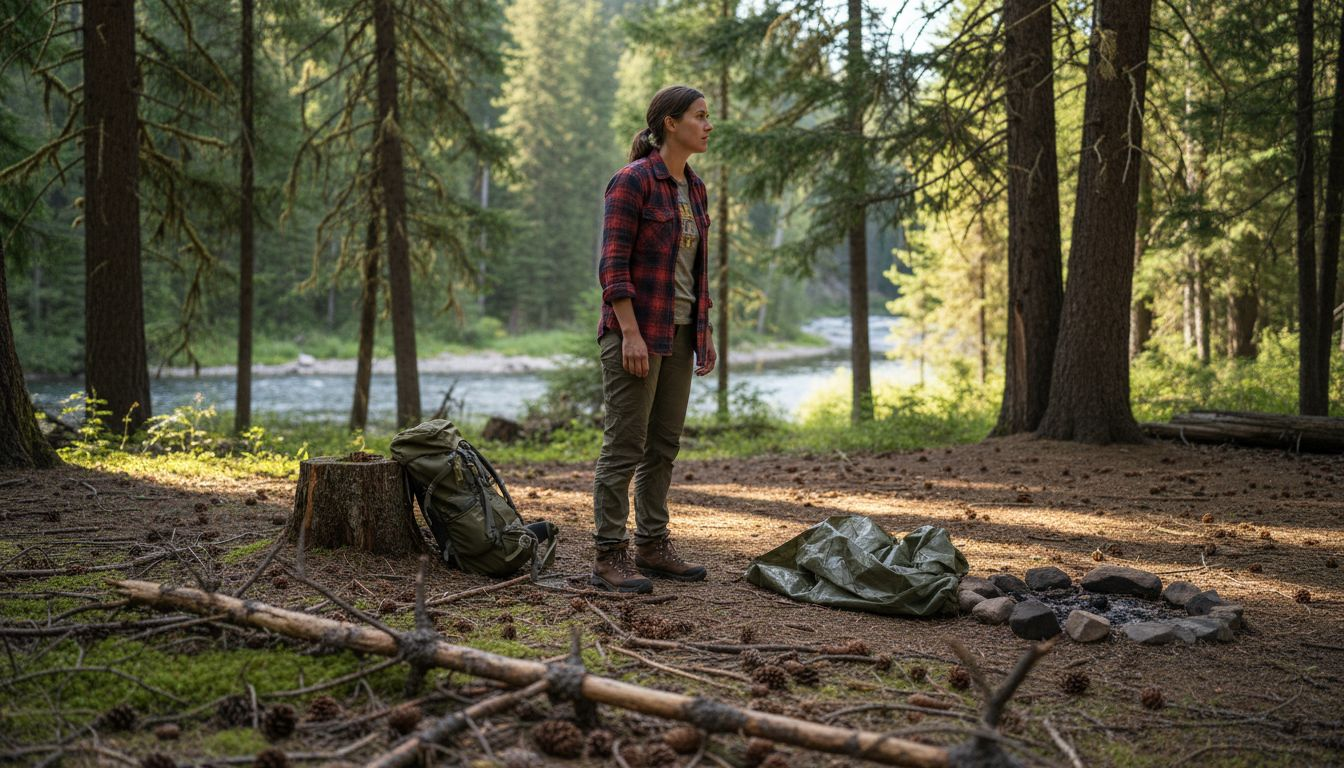
Pro tip: Always carry a lightweight ground cloth or footprint to create an additional protective barrier between your tent and potentially damp or uneven ground, enhancing your sleeping comfort and extending your tent’s lifespan.
Step 2: Prepare Your Sleeping Surface Effectively
Preparing your sleeping surface is a critical step in ensuring a comfortable and restful camping experience. A well-prepared sleeping area can mean the difference between a night of restorative sleep and hours of tossing and turning in discomfort. Your goal is to create a protective, insulated, and cushioned foundation that shields you from the ground’s cold and uneven terrain.
Begin by selecting the right ground protection materials. Healthy sleep preparation techniques emphasize the importance of creating a barrier between you and the ground. Start with a high-quality ground tarp or tent footprint to provide a moisture resistant base layer. Next, choose an appropriate sleeping pad or air mattress that offers both cushioning and thermal insulation. Inflatable sleeping pads are lightweight and provide excellent protection against cold ground, while closed cell foam pads offer durability and consistent insulation. Consider the temperature rating and thickness of your sleeping pad to ensure adequate warmth and comfort.
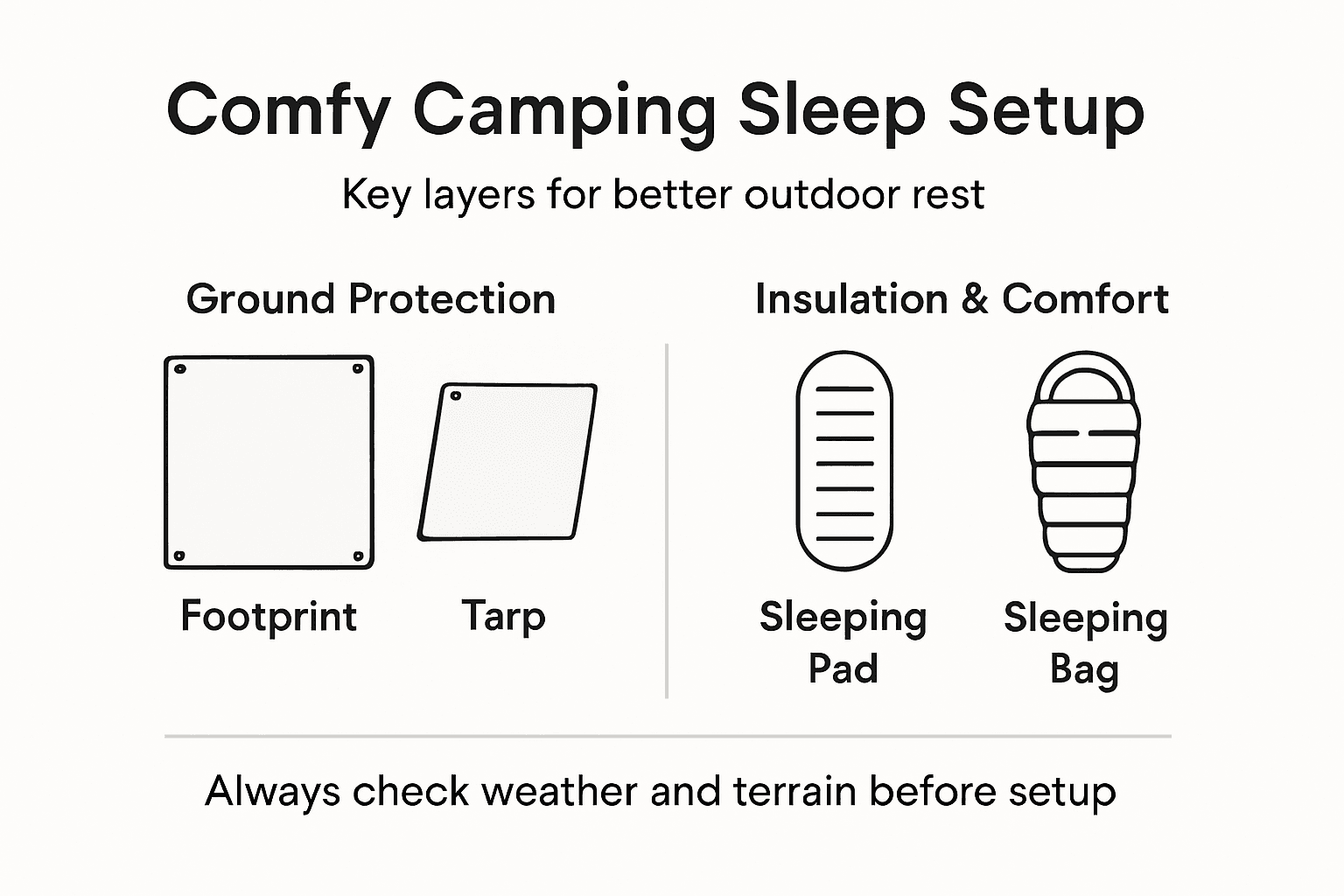
Layer your sleeping surface strategically by adding a sleeping bag appropriate for the expected nighttime temperatures. If camping in cold conditions, consider using a sleeping bag liner for additional warmth and moisture management. Arrange your sleeping pad inside the tent, ensuring it is centered and stable. Take time to smooth out any wrinkles or uneven surfaces that might cause discomfort during the night. Test your setup by lying down and making minor adjustments to maximize comfort and support.
Here’s a comparison of common sleeping pad types and their benefits:
| Pad Type | Comfort Level | Insulation (R-value) | Best For |
|---|---|---|---|
| Inflatable Pad | High cushioning | 3.0 – 5.0 | Lightweight camping |
| Closed-cell Foam Pad | Firm, basic comfort | 1.5 – 2.5 | Durability, backup |
| Self-inflating Pad | Moderate cushioning | 2.0 – 4.5 | Versatile trips |
Pro tip: Bring a small repair kit with patch materials for your sleeping pad to quickly address any unexpected punctures or air leaks that could compromise your sleeping surface during your camping trip.
Step 3: Set Up Sleeping Gear for Maximum Comfort
Creating the perfect sleeping setup is essential for enjoying a restful night in the great outdoors. Your sleeping gear arrangement can dramatically impact your comfort, warmth, and overall camping experience. Understanding how to strategically organize and optimize your sleeping equipment will help you wake up refreshed and ready for adventure.
Sleeping bag fitting techniques are crucial for maintaining body heat and comfort during camping trips. Start by selecting a sleeping bag that matches the expected temperature range and fits your body type. Look for bags with adjustable features around the shoulders and hips to minimize excess air space while preventing restriction of movement. Place your sleeping pad inside the tent first, ensuring it provides a stable and insulated foundation. If using an air mattress, inflate it completely and check for any uneven surfaces or potential puncture points. Layer your sleeping bag on top of the pad, creating a comprehensive sleeping system that traps warmth and provides cushioning against the ground.
Organize your sleeping area with accessibility and convenience in mind. Keep essential items like a headlamp, water bottle, and extra layers within easy reach. Position your sleeping bag so that your head is slightly elevated and your body maintains a natural alignment. If camping with a partner, arrange your sleeping gear to maximize shared warmth while maintaining individual comfort. Consider using sleeping bag liners for additional warmth and to keep your primary sleeping bag clean. Take a few moments to test your setup by lying down and making minor adjustments to ensure optimal comfort.
Pro tip: Wear clean dry socks and a lightweight base layer to bed to help regulate body temperature and create an additional barrier of warmth during cool nights.
Step 4: Optimize Temperature and Weather Protection
Maintaining comfortable body temperature and protecting yourself from unpredictable outdoor conditions is crucial for an enjoyable camping experience. Your ability to adapt and prepare for various weather scenarios can mean the difference between a miserable night and a restful outdoor adventure.
Winter camping techniques emphasize the importance of strategic layering and moisture management. Start by selecting clothing and sleeping gear that offer multiple insulation layers and moisture wicking properties. Choose a tent with proper waterproofing and ventilation to prevent condensation and regulate internal temperature. Look for sleeping bags rated for the specific temperature range you will encounter and consider using additional liners for extra warmth. Position your tent in a sheltered location that blocks prevailing winds while avoiding low areas where cold air might collect.
Understand the nuanced relationship between your body and environmental conditions. Use a combination of breathable base layers, insulating mid layers, and protective outer layers to create a flexible temperature regulation system. Pack extra clothing that can be easily added or removed to adjust to changing temperatures throughout the day and night. Consider bringing emergency warming items like thermal blankets, hand warmers, and extra socks to provide backup protection against unexpected temperature drops. Always check local weather forecasts and prepare for potential temperature variations to ensure your camping comfort and safety.
Pro tip: Pack a compact emergency bivvy sack as a lightweight backup insulation layer that can provide critical warmth protection in unexpected cold or wet conditions.
Step 5: Test and Adjust Your Sleeping Setup
Perfecting your outdoor sleeping environment requires careful testing and strategic adjustments to ensure maximum comfort and restfulness. Your goal is to create a sleep setup that adapts to changing conditions and personal preferences throughout your camping experience.
Sleep environment optimization techniques emphasize the importance of proactive testing and incremental adjustments. Begin by doing a comprehensive trial run of your sleeping setup before your actual camping trip. Test your sleeping pad for evenness and comfort by lying down in different positions. Check how your sleeping bag fits and whether it provides adequate warmth for the expected temperature range. Simulate potential scenarios such as slight ground slope or temperature variations to identify potential comfort issues beforehand.
Remain flexible and ready to make real time adjustments during your camping experience. Assess your sleeping area periodically and be prepared to modify your setup. This might involve repositioning your sleeping pad to avoid uneven ground, adjusting clothing layers for temperature regulation, or using additional padding for pressure points. Pay attention to how your body responds to different sleeping positions and environmental conditions. Listen to subtle signals like slight discomfort or temperature changes that might require immediate intervention. Bringing lightweight supplemental items like extra blankets or thermal layers can help you quickly adapt to unexpected weather shifts or personal comfort needs.
Refer to this summary of quick adjustments for optimal outdoor sleep:
| Adjustment Type | What to Do | When to Apply |
|---|---|---|
| Sleeping Pad Move | Shift pad to flatter spot | If feeling uneven pressure |
| Clothing Layer Change | Add/remove base or mid layer | If temperature fluctuates |
| Additional Padding | Insert extra blanket/padding | If noticing discomfort at hips |
| Tent Ventilation | Adjust tent zippers | If air feels humid or musty |
Pro tip: Practice setting up and adjusting your sleeping gear in your backyard or home before your actual camping trip to build muscle memory and identify potential equipment issues.
Sleep Comfortably Outdoors With Expert Tips and Gear
Choosing the right sleeping location and setting up your sleeping gear properly can be challenging when camping but these steps are essential to avoid discomfort and restlessness outdoors. The article highlights key issues such as finding flat terrain, insulating from cold ground, and layering sleeping bags to maintain warmth. If you want to overcome these challenges and experience truly restful nights under the stars explore our Outdoor Living – Tent Explorer category where you will find practical advice tailored for outdoor comfort.
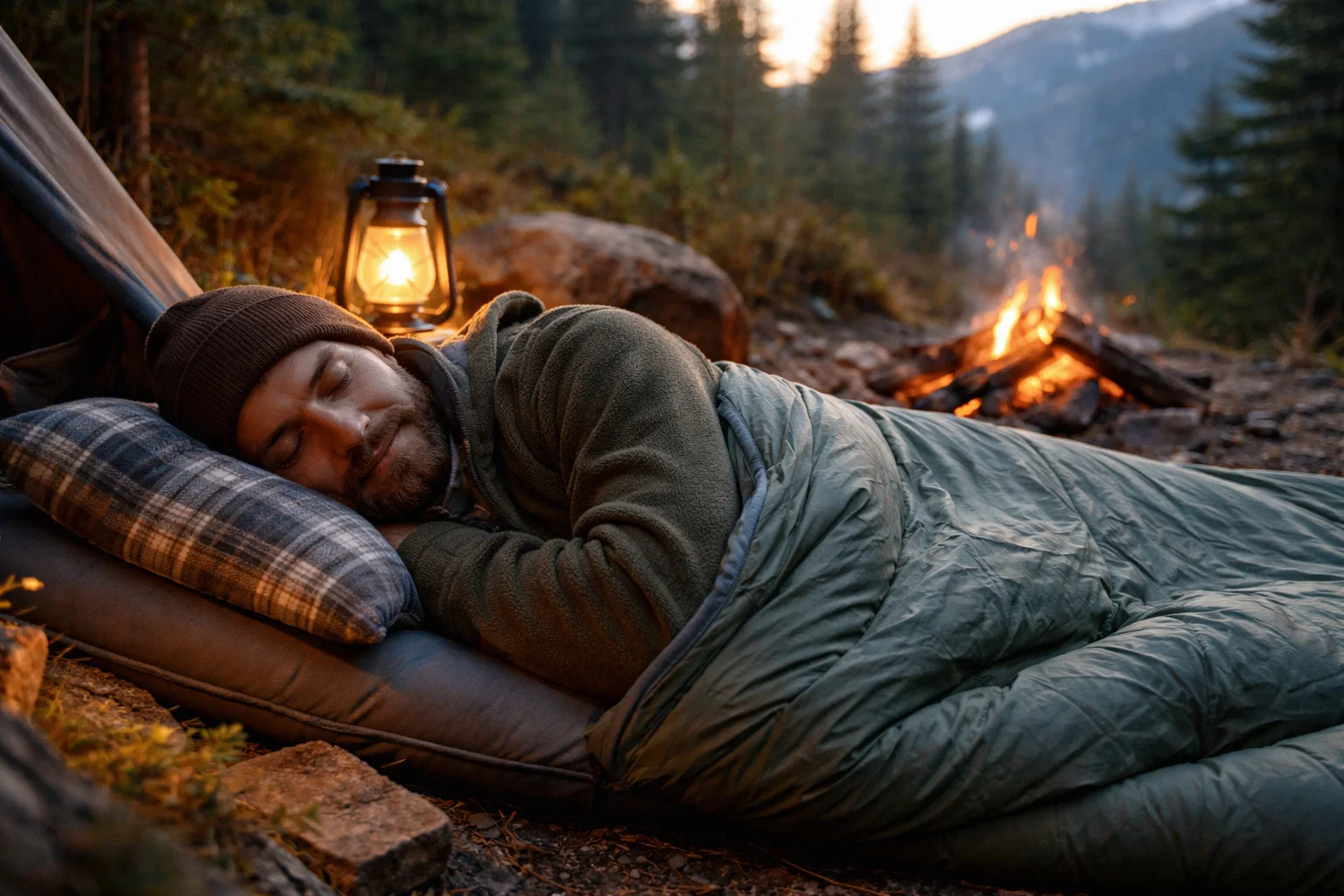
Transform your camping nights by discovering the best tents and accessories designed to enhance your sleep environment. At Tent Explorer, our detailed guides and product reviews help you choose gear that matches your needs whether you want extra insulation or reliable tent protection. Start improving your outdoor sleeping comfort now by visiting our Tent Accessories – Tent Explorer page or dive into tips for making the most of your campsite setup. Don’t let poor sleeping conditions ruin your adventure take the first step toward better camping rest today.
Frequently Asked Questions
How do I choose the best sleeping location when camping?
Selecting the best sleeping location involves prioritizing flat ground with minimal slope and hazards. Look for areas that provide natural wind protection and avoid low-lying areas that collect cold air or moisture, ensuring a comfortable night’s sleep.
What materials should I use to prepare my sleeping surface for camping?
Use a high-quality ground tarp or tent footprint to create a moisture-resistant base layer. Then, choose an appropriate sleeping pad or air mattress that offers cushioning and insulation to enhance comfort and warmth during your camping trip.
How can I ensure my sleeping gear is set up for maximum comfort?
Ensure your sleeping gear is organized for easy access and comfort by laying your sleeping pad down first, followed by the sleeping bag. Test your setup by lying down to make adjustments as needed, optimizing alignment and reducing airspace to maintain warmth.
What strategies can I use to manage temperature while sleeping outdoors?
To manage temperature effectively, use multiple insulation layers and moisture-wicking clothing. Choose a tent with good ventilation and ensure your sleeping bag is rated for the expected temperatures, making adjustments as needed to stay comfortable throughout the night.
How can I test and adjust my sleeping setup during my camping trip?
Test your sleeping setup by lying down in different positions to check for comfort and adjust as necessary. Be ready to reposition your sleeping pad or add extra layers of clothing if you experience temperature fluctuations or discomfort, ensuring a restful night.
What common mistakes should I avoid when setting up my sleeping area?
Avoid setting up in low areas that trap cold air, and ensure your sleeping pad is on a flat surface to prevent discomfort. Also, remember to check for objects like rocks or roots under your sleeping pad, as these can disrupt sleep.