
This blog post may contain affiliate links. As an Amazon Associate I earn from qualifying purchases.
Rough nights in the wilderness can leave you feeling drained rather than refreshed. For campers wanting better sleep outdoors, choosing the right gear and preparing your campsite are crucial steps. With practical advice backed by organizations like the National Park Service and Appalachian Trail Conservancy, you’ll discover how simple adjustments to your sleeping bag, pad, tent, and site setup can make every night more comfortable and enjoyable wherever you camp.
Quick Summary
| Key Point | Explanation |
|---|---|
| 1. Choose the right sleeping bag | Select a sleeping bag with an appropriate temperature rating, adding a buffer for safety. Down offers warmth but is less effective when wet; synthetic is bulkier but performs better in damp conditions. |
| 2. Invest in a quality sleeping pad | A sleeping pad is essential for insulation from the cold ground and relieving pressure. Choose from foam, inflatable, or self-inflating types based on your comfort and budget. |
| 3. Prepare your campsite thoughtfully | Set up on flat ground, clear debris, and position your tent away from prevailing winds to enhance comfort and avoid disturbances during the night. |
| 4. Control temperature and noise effectively | Dress in moisture-wicking layers, optimize tent placement for airflow, and use earplugs to minimize noise disruptions for improved sleep quality. |
| 5. Test your sleeping setup at home | Assemble and check your sleeping system before your trip to identify any issues or discomfort. Practicing will help ensure a better camping experience. |
Step 1: Select optimal gear for sleep camping
Your sleep quality outdoors depends almost entirely on three core components: your sleeping bag, sleeping pad, and tent. Getting these right transforms a miserable night into genuine rest. This step walks you through choosing each piece strategically.
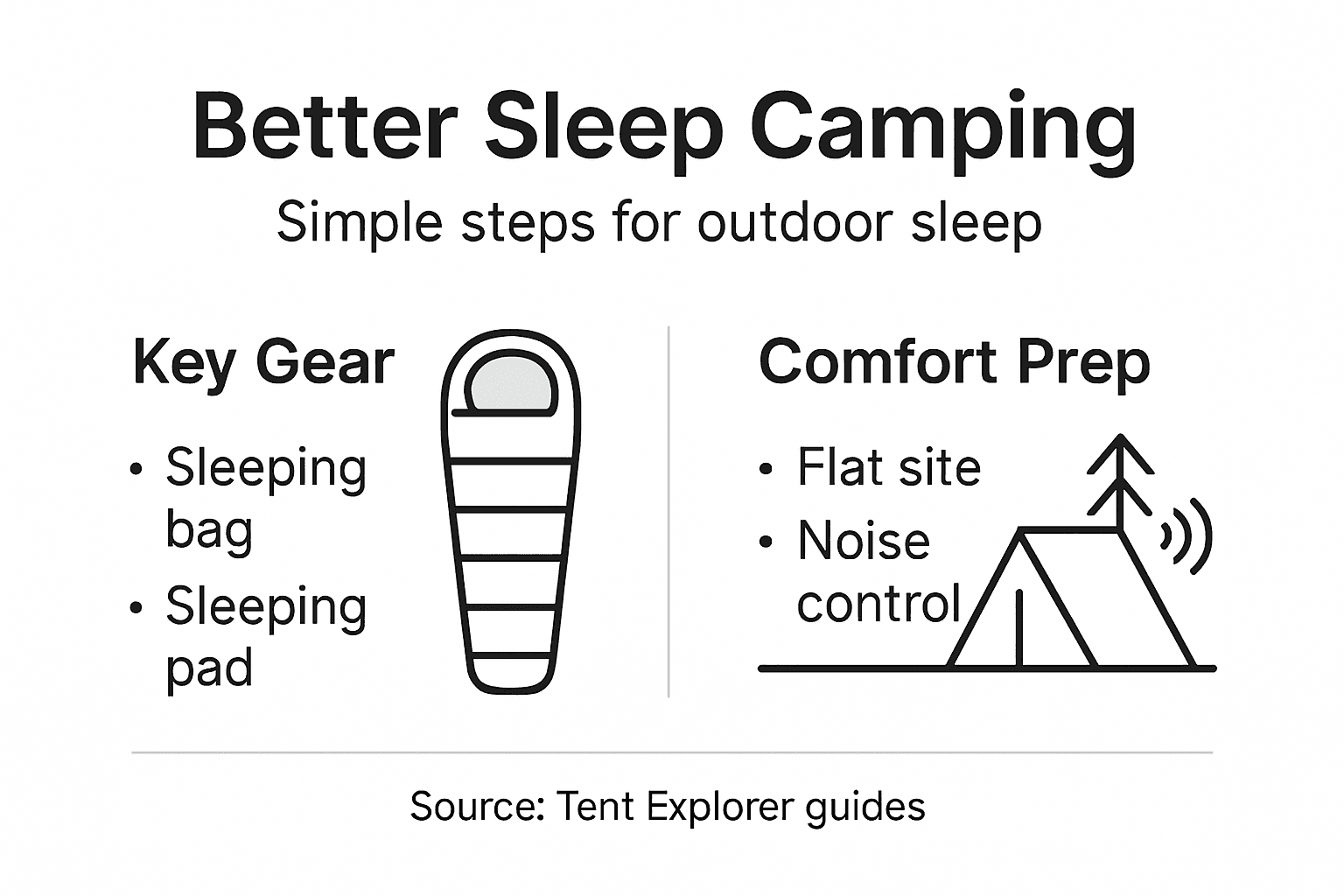
Start with your sleeping bag, as it’s your primary insulation layer. The most important factor is the temperature rating, which tells you the lowest temperature where the bag keeps you warm. Look for ratings that match the coldest conditions you’ll face, then add a 10-15 degree buffer for safety. According to the Appalachian Trail Conservancy, sleeping system components work together to maximize warmth and comfort, so don’t overlook this foundational choice.
You’ll encounter two main insulation types:
- Down insulation offers excellent warmth-to-weight ratio and compresses into a small pack, but loses effectiveness when wet
- Synthetic insulation performs better in damp conditions and costs less, though it’s bulkier and heavier
Next, invest in a sleeping pad. This isn’t optional. Pads provide insulation from cold ground and cushioning for pressure relief. Ground contact drains body heat rapidly—your sleeping bag alone won’t prevent this. What to bring for tent camping emphasizes that different pad styles offer varying levels of insulation and comfort, from foam pads to inflatable options.
Choose between three pad types:
Here’s a quick comparison of sleeping bag and pad materials for tent camping:
| Material Type | Weight & Packability | Performance in Dampness | Price Range |
|---|---|---|---|
| Down Insulation | Lightweight, compresses | Poor, loses insulation | Higher cost |
| Synthetic Insulation | Heavier, bulkier | Good, retains warmth | More affordable |
| Foam Pad | Lightweight, rigid | Excellent, always dry | Lowest cost |
| Air Pad | Ultralight, compact | Moderate, needs care | Moderate cost |
| Self-inflating Pad | Compact, balanced weight | Good for damp weather | Moderate-high |
- Closed-cell foam pads (durable, affordable, minimal insulation)
- Inflatable air pads (lightweight, comfortable, require inflation effort)
- Self-inflating pads (balance comfort and weight, ideal for beginners)
Finally, ensure your tent matches your climate. A three-season tent handles spring, summer, and fall. Four-season models withstand snow load and wind but feel cramped. Match the tent’s ventilation features to your typical sleeping conditions—poor ventilation creates condensation that dampens your bag and pad.
Pair your sleeping bag and pad with appropriate layered clothing. Wear breathable base layers and keep a warm hat inside your sleeping bag. Cotton traps moisture; merino wool and synthetics wick it away effectively.
Quality sleeping gear is an investment in every night you spend outdoors. Prioritize the sleeping pad first, then the bag—both matter equally for warmth and comfort.
Pro tip: Bring a sleeping bag liner to add 10-15 degrees of warmth, keep your bag cleaner, and extend its lifespan significantly without extra weight.
Step 2: Prepare campsite for restful overnight sleep
Your campsite setup determines whether you’ll sleep soundly or toss around all night. The location you choose and how you arrange it makes an enormous difference in comfort. This step covers site selection and preparation to create an ideal sleeping environment.
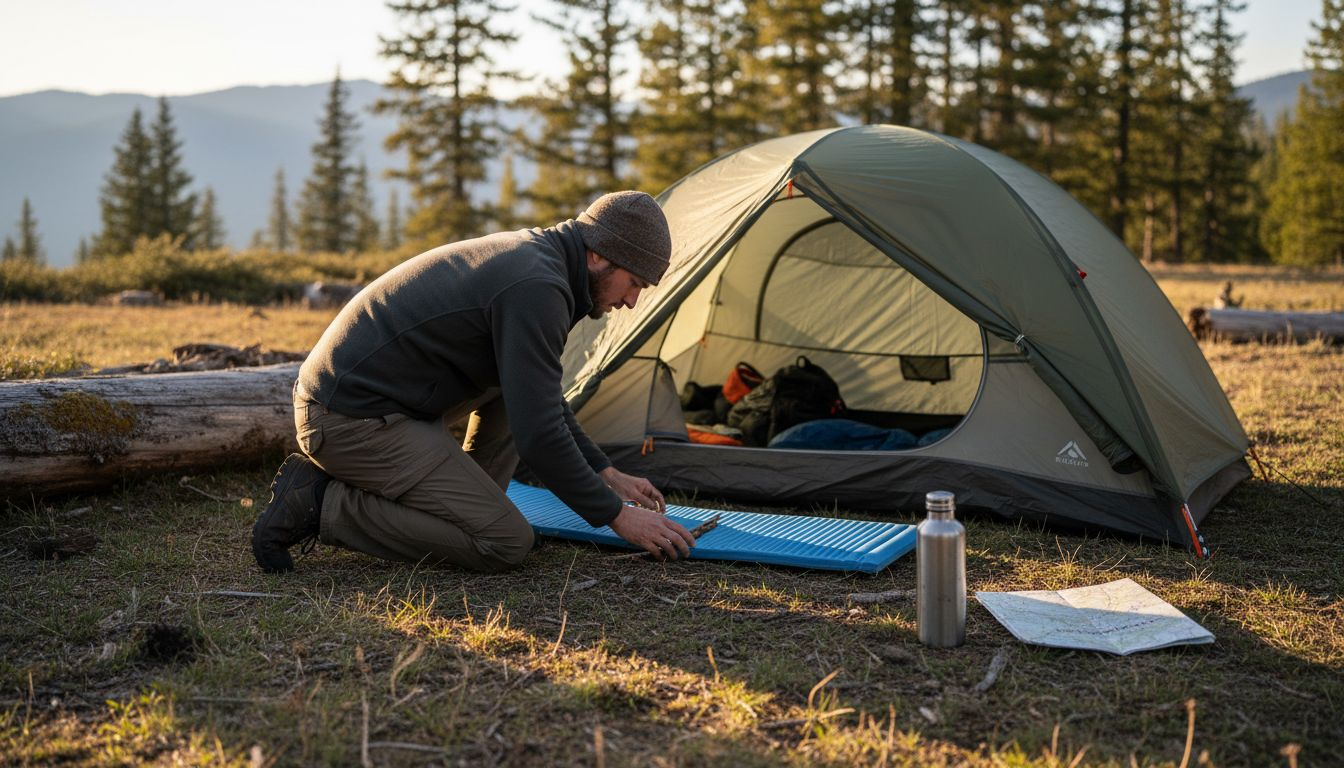
Arrive at your campsite with enough daylight to inspect the area thoroughly. Look for a flat, level ground free from rocks, roots, and debris that’ll jab into your sleeping pad. Sloped terrain creates discomfort and can cause you to slide during the night. Avoid low spots where water collects during rain, and stay away from dead branches overhead that might fall.
Position your tent with proper campsite safety considerations in mind. Face the entrance away from prevailing winds to reduce cold drafts. Leave adequate distance from your cooking area and food storage to avoid attracting wildlife near your sleeping space.
Manage your campsite environment strategically:
- Remove ground clutter beneath and around your tent, including pinecones and twigs
- Find natural shade to keep your tent cooler during the day and reduce interior heat
- Check drainage patterns to ensure water flows away from your tent during storms
- Position gear logically so you don’t trip getting in or out at night
Reduce distractions that disrupt sleep quality. Control light by keeping your tent entrance zipped and storing flashlights outside. Minimize noise by placing gear away from walking paths where others might disturb you. Ask campmates to keep evening activities quiet as bedtime approaches.
Involve your camping group in setup so everyone knows their responsibilities. Assign tasks like hanging food, arranging tents, and clearing the area. This speeds the process and creates a shared investment in a comfortable campsite.
Consider proximity to amenities without sacrificing peace. Camp near water sources and facilities, but far enough to avoid crowds and activity noise. You want convenience without the constant distraction of other campers.
To help you optimize your campsite for better sleep, consider these site selection factors:
| Factor | Impact on Sleep Quality | Recommended Action |
|---|---|---|
| Ground Level | Reduces sliding/discomfort | Camp on flat, level surface |
| Surrounding Debris | Prevents pad punctures | Clear area thoroughly |
| Tent Orientation | Minimizes cold drafts | Face away from prevailing winds |
| Distance to Crowds | Lowers noise disruptions | Stay 50+ feet from activity |
A well-prepared campsite removes obstacles between you and restful sleep. Spend an extra 15 minutes preparing properly, and you’ll gain hours of better rest.
Pro tip: Bring a small foam mat or camping pillow and position it strategically under your sleeping pad’s head area to elevate slightly and improve spinal alignment for deeper sleep.
Step 3: Adjust temperature and noise for best comfort
Temperature and noise are the two biggest sleep disruptors in camping environments. Managing both transforms your overnight experience from restless to restorative. This step shows you how to control these factors effectively.
Start by dressing strategically for temperature regulation. Wear moisture-wicking base layers that pull sweat away from your skin, keeping you dry and warm. Avoid cotton, which retains moisture and loses insulation when damp. Layer merino wool or synthetic materials so you can add or remove pieces as temperatures shift throughout the night.
Position your tent to optimize thermal comfort. Place it in natural shade during the day to prevent interior heat buildup, but avoid low-lying areas where cold air settles at night. According to Harvard Health research on comfortable sleep environments, maintaining a cool temperature between 60 and 67 degrees Fahrenheit promotes deeper, more restorative sleep.
Manage your tent’s internal microclimate:
- Crack the tent door slightly on warm nights to allow air circulation without compromising security
- Keep your sleeping bag unzipped partially if you’re overheating, and pull it up when you cool down
- Use your clothing as a temperature buffer rather than relying solely on your bag
- Avoid sealing your tent completely on mild nights to reduce condensation buildup
For noise control, bring quality earplugs designed for sleeping. They block environmental sounds like wind, rustling leaves, and distant wildlife while remaining comfortable for side sleepers. Test them at home first to ensure they work for your sleeping position.
Position your tent away from common pathways and activities. Camp at least 50 feet from cooking areas, water sources, and other tents when possible. Ask your camping group to respect quiet hours, typically from dusk until morning, giving everyone peaceful nights.
Consider white noise if ambient sounds still disturb you. A small portable white noise device or app can mask irregular sounds that wake you, though many campers find nature’s steady background noise—crickets, wind, flowing water—works just as well.
Temperature and noise control aren’t luxuries; they’re foundational to quality camping sleep. Small adjustments create massive improvements in rest quality.
Pro tip: Place your water bottle inside your sleeping bag before bed to warm it up, then remove it to drink cool water if you overheat during the night—this gives you immediate temperature relief without exiting your bag.
Step 4: Test sleeping setup for quality and safety
Testing your sleeping setup before a camping trip prevents surprises and potential discomfort in the field. A quick quality and safety check at home ensures everything works as intended. This step walks you through a systematic inspection process.
Begin by assembling your complete sleeping system in your backyard or living room. Lay out your tent, sleeping pad, and sleeping bag exactly as you’ll use them outdoors. This reveals any missing components or compatibility issues before you’re miles from home.
Inspect your tent thoroughly for damage. Look for tears in the fabric, broken poles, bent zippers, and worn seams. Check that all stakes and guy lines are present and functional. Test the tent door and window zippers multiple times to ensure smooth operation. Set up the tent fully and verify it stands level and secure without wobbling.
Examine your sleeping pad carefully:
- Inflate the pad completely and listen for hissing sounds indicating slow leaks
- Press firmly on all areas to confirm even firmness throughout
- Check seams and valve connections for damage or wear
- Test the valve mechanism to ensure it opens and closes smoothly
Evaluate your sleeping bag by actually sleeping in it at home. Lie down and note whether you feel cold spots, bunching, or discomfort. The American Red Cross emphasizes maintaining your sleeping gear in good condition to prevent problems during trips. Test your bag in temperatures slightly cooler than expected to confirm it provides adequate warmth.
Practice setting up your tent in daylight and darkness. You should know exactly how pieces fit together without consulting instructions on the trail. Set it up twice to build muscle memory and identify any confusing steps.
Test your complete layering system. Wear your planned base layers and sleep in your bag to verify comfort. You might discover you need different clothing or additional blankets before you’re camping.
Assemble your sleep area one final time, checking that your pad fits properly inside your tent without bunching. Verify that your head height and body alignment feel natural and supported.
A test run at home catches 90 percent of sleeping setup problems before they ruin your trip. Spend one evening testing now and save yourself multiple nights of discomfort.
Pro tip: Set a small alarm during your home test sleep to practice getting up quickly in darkness, so you’re prepared if you need to exit your tent urgently at night.
Elevate Your Outdoor Sleep Experience with Expert Guidance and Gear
Struggling to find comfortable, warm sleep while camping is a common challenge. This article highlights key pain points such as selecting the right sleeping bag with appropriate temperature rating, choosing an effective sleeping pad, and setting up a campsite that supports deep rest despite nature’s unpredictability. The goal is clear: transform restless nights into restful rejuvenation by mastering gear choice and campsite preparation.
Discover proven strategies and gear reviews that empower you to sleep better outdoors. Whether you want to improve temperature control, reduce noise disruptions, or learn safe tent setup, Tent Explorer covers it all. Start by exploring our Outdoor Living – Tent Explorer category for practical tips on optimizing your campsite and enhancing your resting environment.
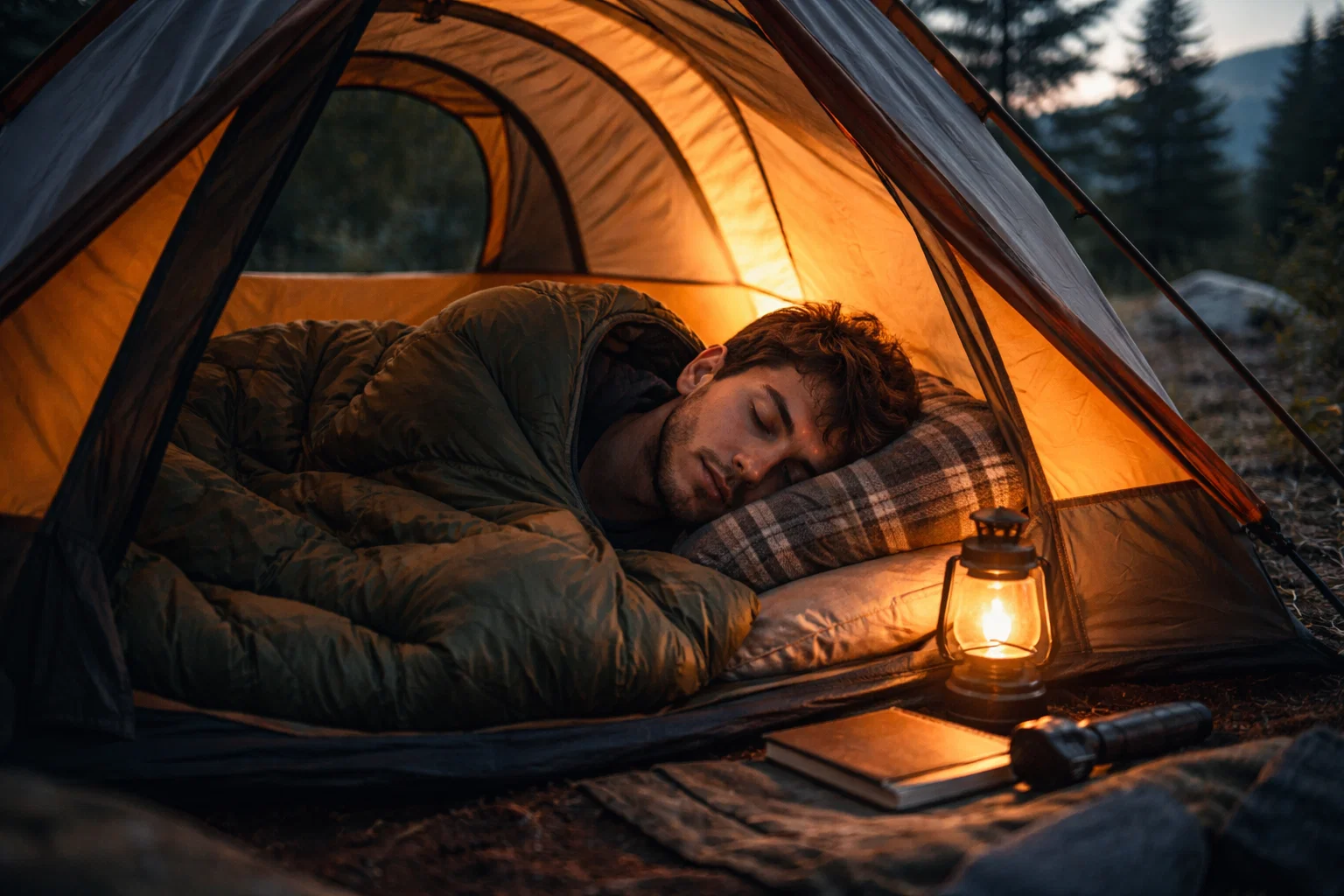
Unlock expert advice today to sleep comfortably every night you camp. Visit Tent Explorer now to browse detailed guides, check comprehensive gear reviews, and join a community dedicated to improving your tent camping experience. Don’t wait for another sleepless night outdoors take control of your comfort and enjoy nature like never before.
Frequently Asked Questions
What are the key components for improving sleep while camping?
To enhance sleep quality outdoors, focus on your sleeping bag, sleeping pad, and tent. Select a sleeping bag with an appropriate temperature rating, invest in a comfortable sleeping pad, and choose a tent that suits your climate conditions.
How can I choose the right sleeping bag for camping?
When selecting a sleeping bag, check its temperature rating to ensure it keeps you warm in the conditions you’ll encounter. Consider adding a 10-15 degree buffer to the rating for extra safety and comfort.
What type of sleeping pad should I bring for better camping sleep?
Opt for a sleeping pad type that offers both insulation and comfort; options include closed-cell foam pads for durability, inflatable air pads for lightweight comfort, and self-inflating pads for a balance of both. Test the pad at home to ensure it meets your comfort needs.
How can I prepare my campsite for maximum sleep comfort?
Choose a flat, level ground for your tent, remove any debris, and position your tent away from wind to minimize drafts. Additionally, involve your camping group in the setup process to create a shared, comfortable environment.
What temperature control strategies can I use for better sleep while camping?
Wear moisture-wicking layers and manage your tent’s ventilation to keep cool or warm as needed. Position your tent in areas with natural shade and avoid sealing it completely on mild nights to reduce condensation.
How do I test my sleeping setup before going camping?
Set up your sleeping gear at home, including the tent, sleeping pad, and bag. Ensure everything is functional, check for damage, and practice setting up your tent until you’re comfortable doing it in the field.
Recommended
- Outdoor Sleeping Guide: Sleep Comfortably While Camping
- 7 Essential Camping Comfort Hacks Every Camper Should Know
- How To Improve Tent Comfort For Better Camping Sleep
- How To Improve Camp Comfort For A Cozy Campout
- What Is Seasonal Sports Gear and Why It Matters
- 7 συμβουλές για καλύτερο ύπνο παιδιών με ποιοτικό στρώμα