
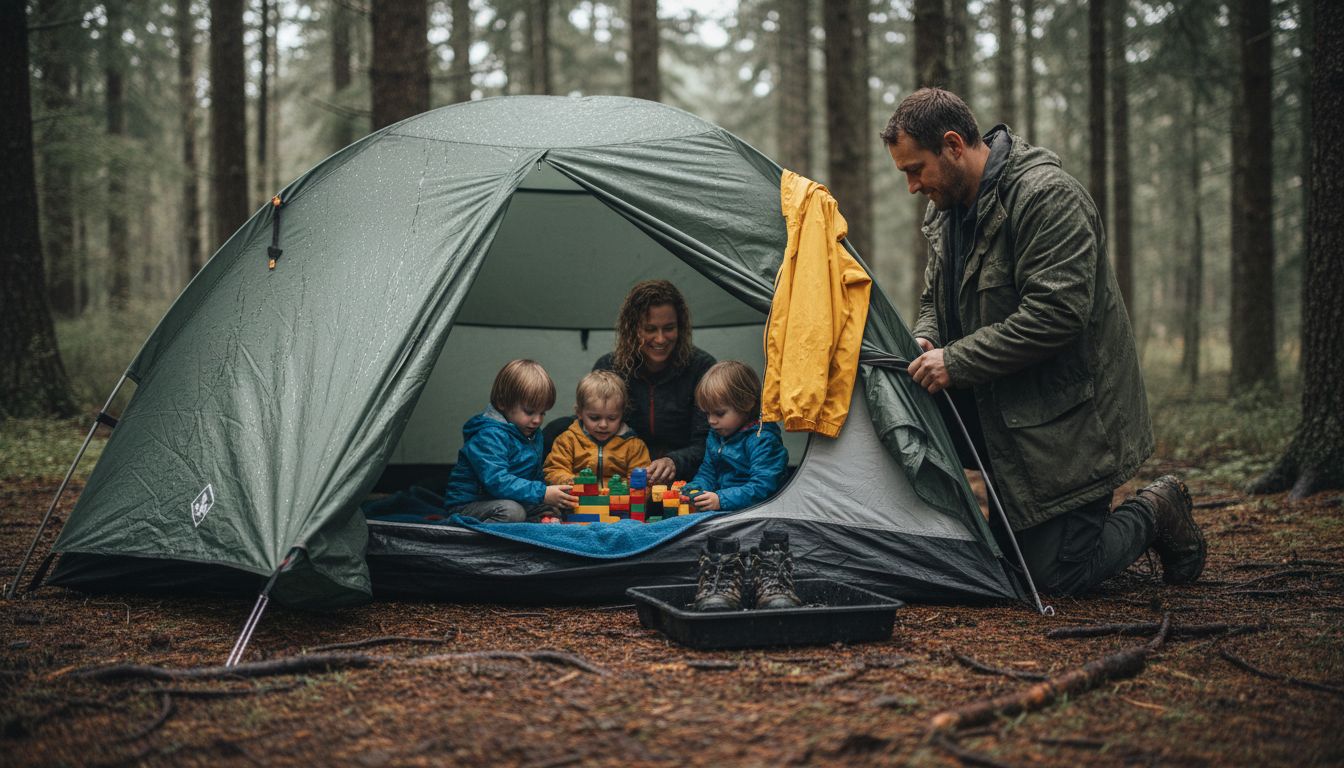
This blog post may contain affiliate links. As an Amazon Associate I earn from qualifying purchases.
Roughly 65 percent of American campers report that sudden rainfall has disrupted their outdoor trips. Staying dry under unpredictable skies matters more than most people realize. The right waterproofing turns tents into secure havens when heavy rain or humidity threaten comfort. By understanding these protective methods, American campers can make smarter choices that keep adventures dry, gear safe, and tent fabric strong even during the wettest outings.
Key Takeaways
| Point | Details |
|---|---|
| Importance of Waterproofing | Tent waterproofing is essential for preventing moisture absorption, which can compromise comfort and safety during outdoor activities. |
| Materials and Treatments | Modern waterproofing employs advanced synthetic materials and treatments, such as DWR and silicone coatings, to effectively repel water. |
| Maintenance is Crucial | Regular inspection and timely reapplication of waterproof treatments are necessary to maintain optimal protection against moisture. |
| Common Mistakes to Avoid | Proper tarp placement and avoiding storage of damp tents are critical to preserving the effectiveness of waterproofing efforts. |
Defining Tent Waterproofing and Its Importance
Tent waterproofing is a critical protective technique that transforms ordinary tent fabric into a resilient barrier against moisture. Waterproofing involves treating tent materials to repel water, ensuring campers remain dry and comfortable during unexpected rainfall or high humidity conditions. Preventing water penetration is essential for maintaining a safe and enjoyable outdoor experience.
The primary goal of tent waterproofing is to create a defensive shield that prevents water from seeping through fabric fibers. When tents absorb moisture, they become heavy, lose structural integrity, and create uncomfortable sleeping environments. By applying specialized waterproofing treatments, campers can extend their tent’s lifespan and protect themselves from potential risks associated with wet camping conditions. Modern waterproofing techniques address multiple potential water entry points, including fabric surfaces, seams, and structural connections.
Understanding waterproofing requires recognizing how different tent materials respond to moisture. Proper fabric treatment helps prevent shrinkage and potential fabric degradation, particularly for natural materials like cotton and canvas that are more susceptible to water absorption. Waterproofing transforms vulnerable textiles into reliable protective gear, ensuring campers can confidently explore diverse outdoor environments without worrying about unexpected weather challenges.
Key aspects of effective tent waterproofing include:
- Uniform coating application
- Targeted seam sealing
- Regular maintenance and reapplication
- Selecting appropriate waterproofing products for specific tent materials
By investing time in understanding and implementing proper waterproofing techniques, outdoor enthusiasts can significantly enhance their camping experiences and equipment durability.
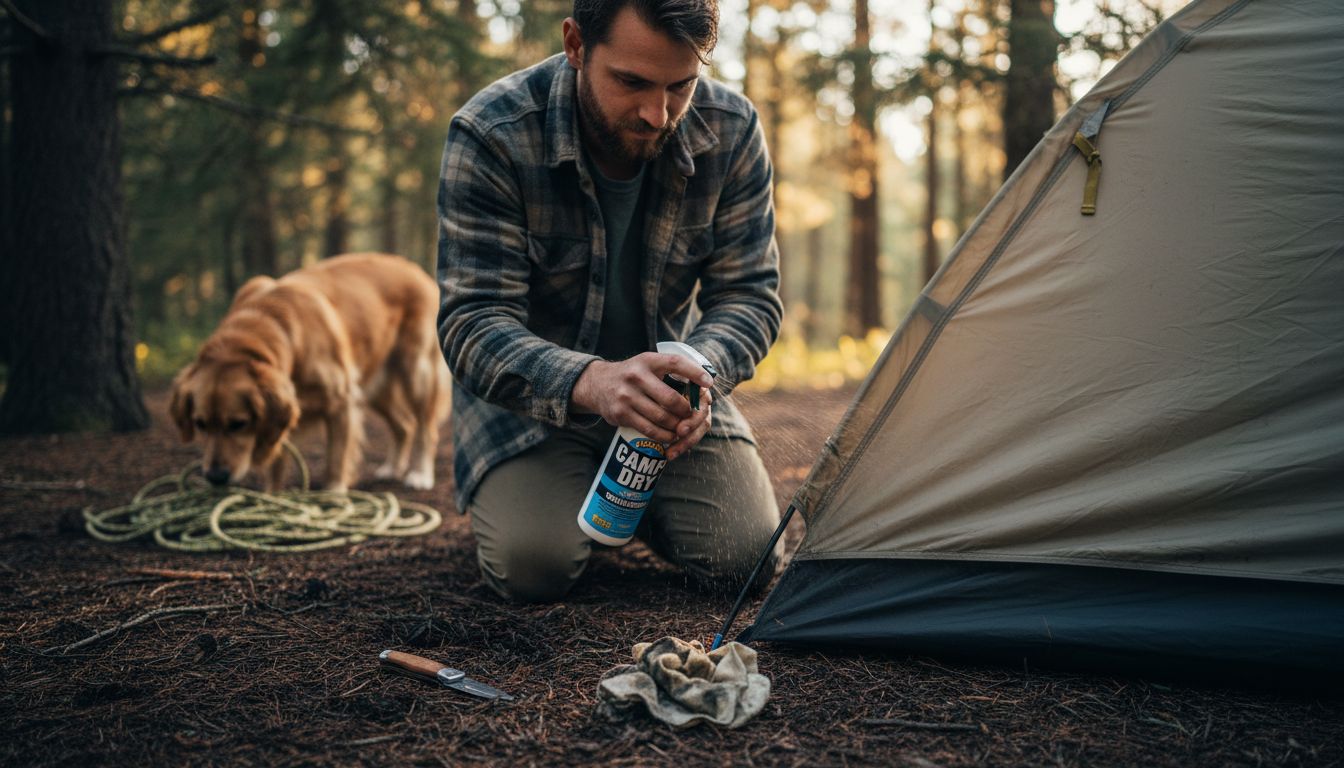
Waterproofing Methods and Key Materials
Waterproofing materials represent an essential technological advancement in outdoor gear protection, utilizing sophisticated chemical treatments to shield tents from moisture. Modern tent fabrics now incorporate advanced synthetic materials designed to repel water effectively, transforming traditional textile technologies.
Tent manufacturers primarily employ two key waterproofing approaches: chemical coatings and specialized fabric treatments. Lightweight nylon fibers coated with silicone or urethane create robust water-resistant surfaces that prevent moisture penetration. These innovative materials work by creating hydrophobic barriers that cause water droplets to bead up and immediately roll off the fabric, maintaining the tent’s internal environment dry and comfortable.
The selection of waterproofing materials depends on several critical factors, including intended use, environmental conditions, and fabric composition. Synthetic materials like polyester and nylon offer superior water resistance compared to traditional cotton or canvas fabrics. Different waterproofing techniques include:
- Durable Water Repellent (DWR) chemical treatments
- Silicone-based coatings
- Polyurethane (PU) membrane applications
- Nano-ceramic fabric treatments
Understanding these material science principles helps campers make informed decisions about tent selection and maintenance, ensuring long-lasting protection against unpredictable outdoor conditions.

How Tent Waterproofing Works in Practice
Waterproofing performance depends on a complex interaction between fabric treatment and environmental conditions. Tent maintenance techniques play a critical role in preserving the protective capabilities of waterproof materials, ensuring reliable protection during outdoor adventures.
In practical application, waterproofing works through multiple mechanisms that prevent moisture penetration. Hydrophobic chemical treatments create microscopic barriers on fabric surfaces, causing water droplets to bead and roll off instead of absorbing into the material. These protective coatings gradually degrade over time due to sun exposure, abrasion, and repeated use, requiring periodic inspection and reapplication to maintain optimal water resistance.
Campers must understand the nuanced process of maintaining waterproof capabilities. Regular inspection is crucial for identifying potential vulnerabilities, including:
- Checking for microscopic tears
- Examining zipper seals
- Monitoring coating degradation
- Identifying areas of potential moisture intrusion
Proper waterproofing maintenance involves careful attention to environmental factors and proactive preservation strategies, ensuring your tent remains a reliable shelter against unpredictable outdoor conditions.
When and Why to Reapply Waterproofing
Waterproof coating longevity depends on multiple environmental and usage factors that gradually compromise a tent’s protective capabilities. Tent maintenance strategies are crucial for understanding when and why waterproofing treatments need reapplication to maintain optimal performance.
Campers should recognize specific indicators signaling the need for waterproofing renewal. Signs of degradation include water absorption instead of beading, visible fabric discoloration, and reduced water resistance during light rainfall. Environmental exposure accelerates coating breakdown, with factors like intense sunlight, frequent abrasion, and temperature fluctuations contributing to progressive material deterioration.
Key considerations for waterproofing reapplication include:
- Frequency of tent usage
- Intensity of environmental conditions
- Visible signs of coating wear
- Age of the tent’s original waterproof treatment
- Exposure to harsh ultraviolet radiation
- Frequency of moisture encounters
Proactive maintenance involves periodic inspection and timely reapplication of waterproof treatments, ensuring your tent remains a reliable barrier against moisture and environmental challenges. By understanding these critical factors, outdoor enthusiasts can extend their tent’s functional lifespan and maintain superior protection during camping adventures.
Common Waterproofing Mistakes to Avoid
Waterproofing effectiveness relies on understanding and avoiding critical errors that can compromise your tent’s protective capabilities. Condensation prevention strategies are essential for maintaining a dry and comfortable camping environment, starting with recognizing potential mistakes that undermine waterproof treatments.
One of the most common errors campers make involves improper tarp placement and tent setup. Positioning a tarp that extends beyond the tent’s edges can create dangerous water collection points, causing moisture to pool and potentially seep underneath the tent’s protective barrier. This seemingly minor mistake can completely nullify your waterproofing efforts, leading to unexpected interior dampness and potential damage to your camping gear.
Critical waterproofing mistakes to avoid include:
- Storing tents while damp or wet
- Ignoring fabric wear and coating degradation
- Using incorrect waterproofing treatments
- Neglecting seam maintenance
- Applying waterproofing treatments incorrectly
- Exposing tents to prolonged direct sunlight without protection
Proper tent care requires a proactive approach. Understanding these potential pitfalls helps outdoor enthusiasts maintain their equipment’s integrity, ensuring reliable protection against moisture and environmental challenges during camping adventures.
Protect Your Campsite with Expert Tent Waterproofing Tips
Keeping your campsite dry is a challenge every camper faces when unpredictable weather strikes. This article highlights the importance of proper tent waterproofing to prevent water penetration, fabric degradation, and uncomfortable nights. If you want to avoid common waterproofing mistakes and learn how to maintain your tent’s protective barrier with confidence, exploring practical advice on treatments and maintenance is essential.

Discover trusted techniques and gear insights at Tent Troubleshooting And Maintenance – Tent Explorer. Whether you are renewing your waterproof coatings or choosing the right tent for your camping style, our resources are designed to empower you with knowledge. Start enhancing your outdoor experiences today by visiting Tent Explorer and explore expert tips on Buying A Tent – Tent Explorer that match your adventure needs. Don’t wait until the next rainstorm to protect your shelter; take action now and enjoy worry-free camping!
Frequently Asked Questions
What is tent waterproofing?
Tent waterproofing is a technique that treats tent fabric to repel water, creating a barrier against moisture. This ensures campers stay dry and comfortable in rainy or humid conditions.
How does waterproofing work to protect my tent?
Waterproofing works by applying hydrophobic chemical treatments that form microscopic barriers that cause water to bead up and roll off the fabric, preventing moisture seepage and maintaining a dry internal environment.
When should I reapply waterproofing treatments on my tent?
You should reapply waterproofing treatments when you notice signs of fabric degradation, such as water absorbing instead of beading, discoloration, or reduced water resistance during rain. Regular inspection will help determine the right timing for reapplication.
What are common mistakes to avoid when waterproofing my tent?
Common mistakes include storing your tent while damp, using incorrect waterproofing treatments, neglecting seam maintenance, and improperly placing tarps during setup, which can lead to water pooling under the tent.
Recommended
- Pitch Tent In The Rain – Tent Explorer
- How To Set Up A Tent In The Rain – Tent Explorer
- 10 Best Tent Waterproofing Spray 2025 & Comparison – Tent Explorer
- How To Lock A Tent: Expert Tips For Keeping Safe (2025 Guide) – Tent Explorer
- 8 Essential Tent Camping Must-Haves for Comfort and Safety – Hazli Collection