What Is Seasonal Camping? Costs, Rules & Beginner Tips
 David King
Updated June 13, 2026
20 min read
David King
Updated June 13, 2026
20 min read
Hitching your trailer. Loading the cooler. Driving three hours. Setting up camp — only to tear it all down 48 hours later and do it again next weekend.
That cycle is exhausting. It costs you fuel, time, and wear on your RV. And every trip starts with the same mental load: what did we forget? Where’s the leveling block? Did we pack enough propane? For families who love camping but dread the logistics, the setup-and-teardown routine can slowly drain the joy out of it.
There’s a different way to camp — one that lets you drive straight to an already-set-up site and simply enjoy your weekend. In this guide, you’ll learn exactly what seasonal camping is, how much it costs, and how to decide if it’s the right move for your family. We’ll cover the basics, break down real costs, decode campground rules, and compare regional options — everything a first-timer needs to know.
Seasonal camping means renting a single campsite for an entire season — leaving your RV on-site all summer so you can come and go without packing up each time.
- Costs range from $1,800 to over $5,000 per season depending on location and amenities
- The 3-C Framework — Cost, Convenience, Community — helps you decide if it’s worth it for your family
- Best for frequent campers who visit the same area 6+ times per season
- Watch out for hidden fees: metered electricity, guest charges, and winter storage costs
What Is Seasonal Camping?
If you’ve never heard the term before, you’re not alone. Most first-time searchers encounter “seasonal camping” through a friend’s recommendation or a campground website — and immediately wonder how it differs from a regular camping trip.
Seasonal camping is the practice of renting a single campsite for an entire season — typically from spring through fall — and leaving your RV or camper on-site between visits. Instead of packing up and towing your rig every trip, you drive to an already-set-up camp and simply enjoy your time. Seasonal sites are available almost exclusively at private RV parks and campground resorts — not federal or state parks, which typically limit stays to 14 consecutive days (National Park Service stay limits, U.S. NPS).
“Renting a long-term space at a campground and leaving your RV there even when you aren’t using it is known as seasonal camping.”
That community definition captures it perfectly. Your RV stays put. You come and go freely. Throughout this guide, we’ll use the 3-C Framework — Cost, Convenience, and Community — to help you decide if seasonal camping is right for you.
How Seasonal Camping Differs from Regular Camping
As the comparison below shows, the setup difference is dramatic.
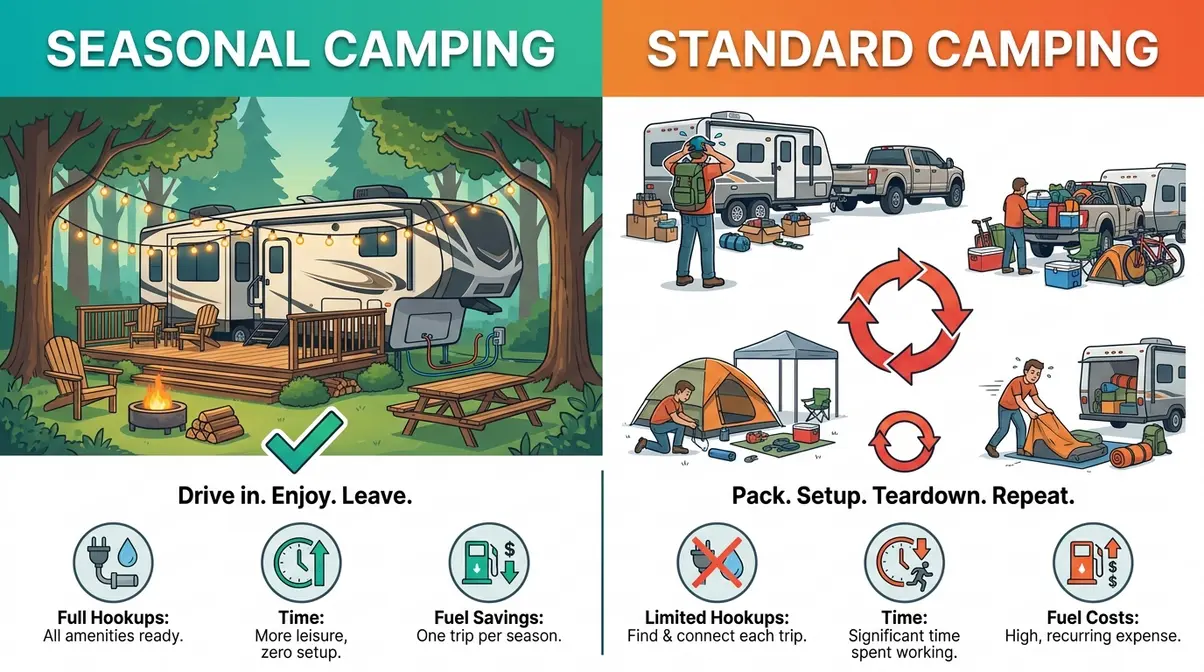
With regular camping, you book a site for one to seven nights, pack everything in, then break it all down before you leave. Seasonal camping flips that model entirely. You rent the same seasonal pitch — the industry term for a site you rent for the full season — for four to six months, and your setup stays in place the entire time.
Think of it like this: instead of 15 separate trips with 15 separate setups, you make 15 trips with zero setup after the first one. That’s the core appeal.
There’s another key difference: personalization. Seasonal campers can add outdoor rugs, a small deck, string lights, or a storage shed to their semi-permanent campsite. Regular campers must leave a site exactly as they found it. And the booking process is different too — regular sites are booked online per night, while seasonal sites require a season-long contract, often with a waiting list at popular campgrounds. Planning ahead matters.
For a practical example: a family in Ohio might book the same lakeside site at a private RV resort from May through October, visiting every other weekend, without ever hitching their trailer again until the season ends. That’s seasonal camping in action. Check our essential camping checklist for beginners to make sure you’re ready for your first arrival.
Seasonal camping is almost exclusively a private campground feature — a critical nuance that prevents a very common beginner mistake: trying to book a “seasonal site” at a national park, where it simply isn’t an option.
What a Seasonal Campsite Actually Looks Like
Now that you understand the concept, picture what you’d actually find when you pull into your site on opening weekend.
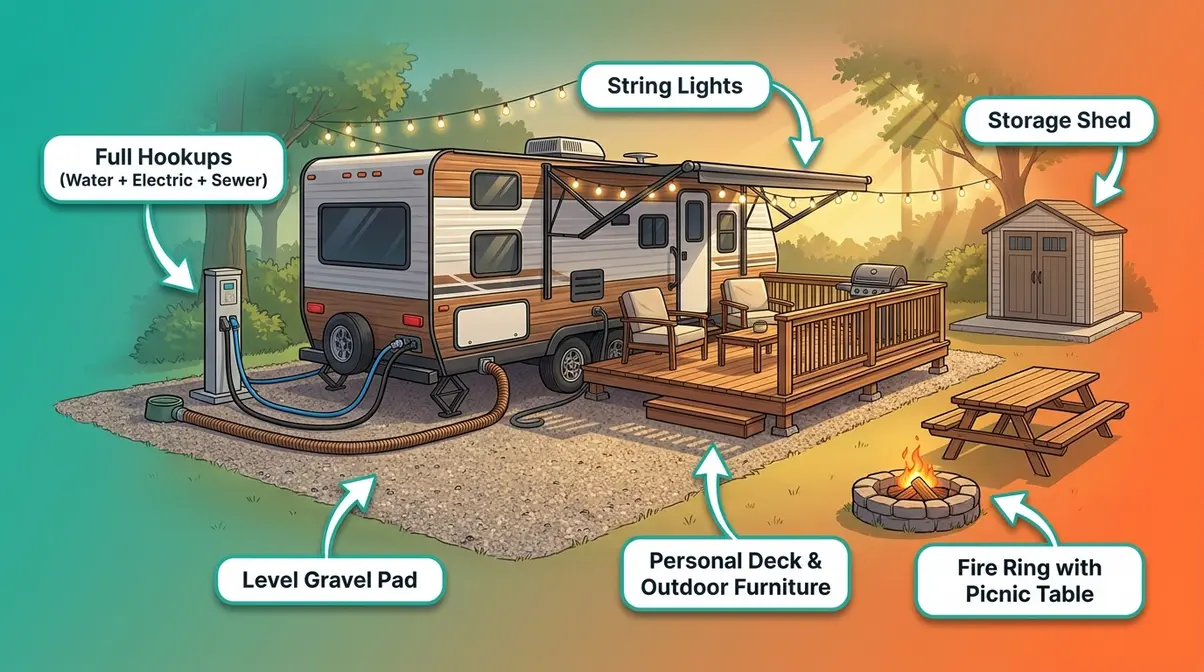
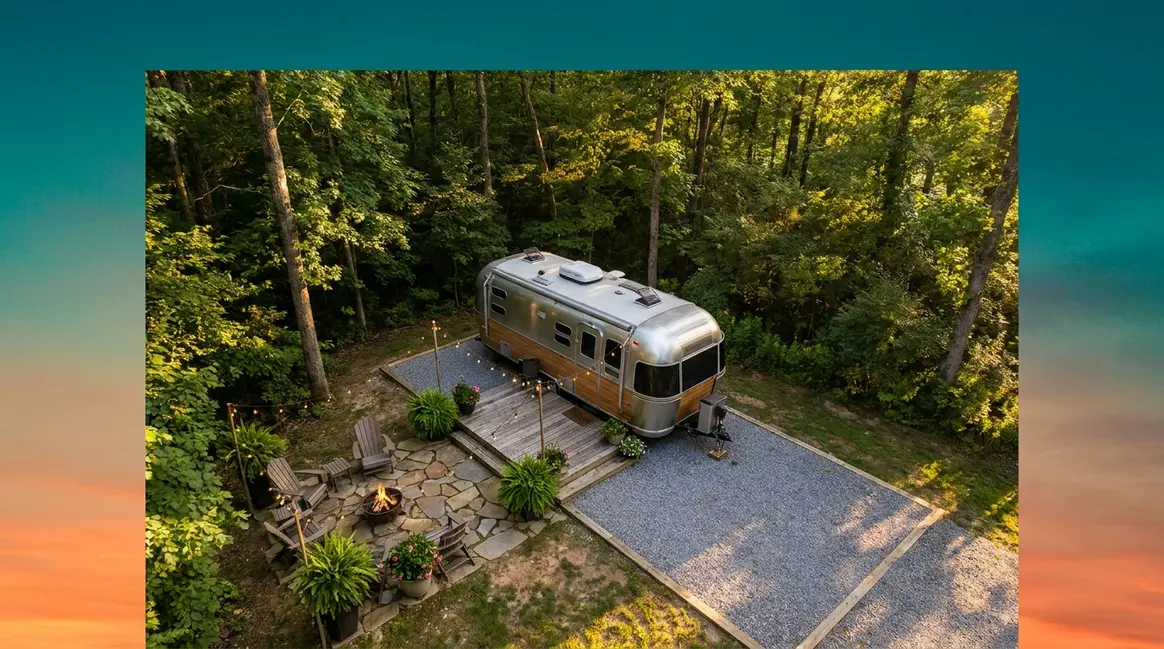
A typical seasonal site includes full hookups — water, electric, and sewer connections, meaning your RV is connected to utilities the same way a house is connected to the grid. You’ll have a level pad for your RV, a picnic table, and usually a fire ring. Many resorts also include a small storage shed, which is a practical bonus when you’re leaving gear on-site all season.
Because it’s your site for the extended period, you can personalize it. Campers regularly add portable decks or patio areas, potted plants, string lights, and outdoor furniture. This is what makes a seasonal site feel less like a temporary stop and more like a genuine fixed site — a home away from home that’s waiting for you every time you visit.
Seasonal campers also enjoy full access to campground amenities: swimming pools, playgrounds, laundry facilities, camp stores, and organized community events. The benefits of seasonal camping extend well beyond just the site itself — the social infrastructure of a campground community is something many families say they didn’t expect to value so much.
Understanding what seasonal camping is, though, is only the first step. The bigger question most first-timers ask is: is it actually worth the money? That’s what we’ll break down next — with real numbers.
Is Seasonal Camping Worth It? Costs, Pros & Cons
Before committing to a seasonal site, most families want to know two things: what will this actually cost, and is it genuinely better than just booking short trips? This section gives you both answers — with transparent numbers and a balanced look at the trade-offs.
How Much Does a Seasonal Campsite Cost?
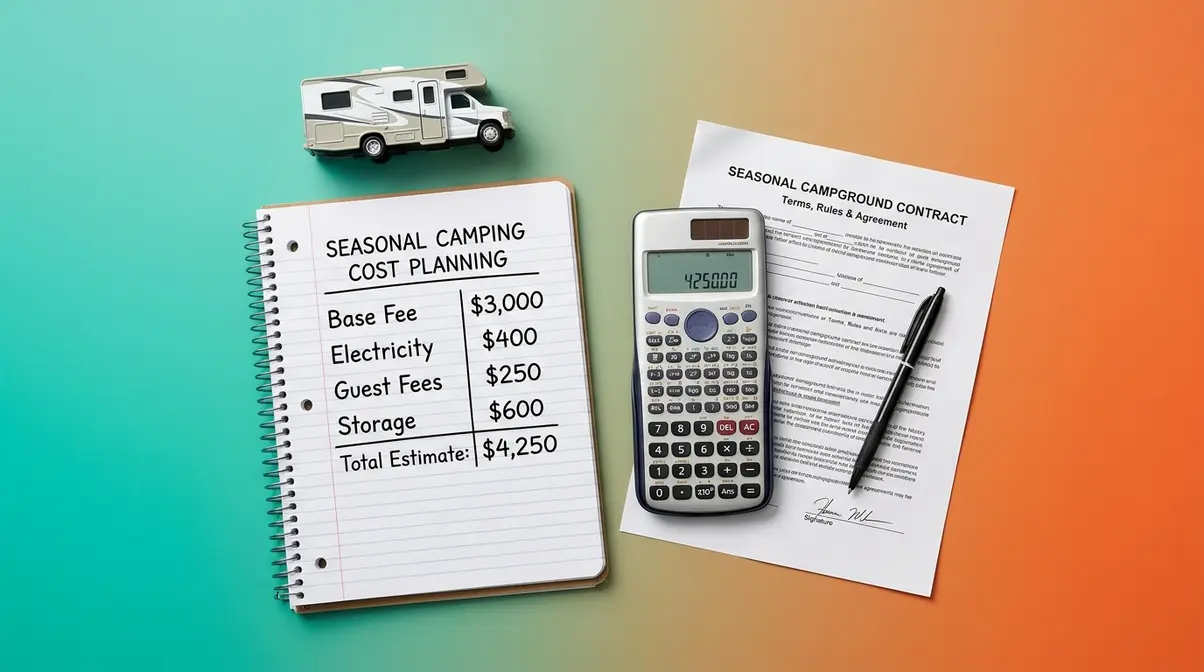
Seasonal campsite prices vary widely based on location, amenities, and campground type. Based on reported community pricing data and campground surveys across major RV forums and campground operator websites, the typical range runs $1,800 to $5,000 or more per season for a full-hookup site at a private RV park or resort.
Here’s what that range actually means in practice:
| Cost Factor | Low End | Mid Range | High End |
|---|---|---|---|
| Base seasonal site fee | $1,800 | $3,000 | $5,000+ |
| Metered electricity (per season) | $200 | $400 | $800+ |
| Guest/visitor fees | $5/day | $10/day | $25/day |
| Winter storage (if applicable) | $300 | $600 | $1,200 |
| One-time setup/admin fee | $0 | $100 | $250 |
| Estimated season total | ~$2,300 | ~$4,100 | $7,000+ |
A few important notes on this table. First, electricity is often metered separately — meaning you pay for what you use, on top of your base fee. Second, many campgrounds charge guest fees every time a non-registered visitor joins you for the day. Third, if you plan to leave your RV on-site over winter, most private parks charge a winter storage fee. These three costs are the most commonly overlooked by first-timers, according to consumer guidance from the Better Business Bureau and campground review communities.
For context: a family in Texas might pay $2,200 for a May–October season at a mid-range private RV resort, plus roughly $350 in metered electricity. That’s approximately $2,550 for six months of access.
The Pros of Seasonal Camping
User consensus across campground forums and RV communities consistently highlights the same advantages. Here are the most significant ones:
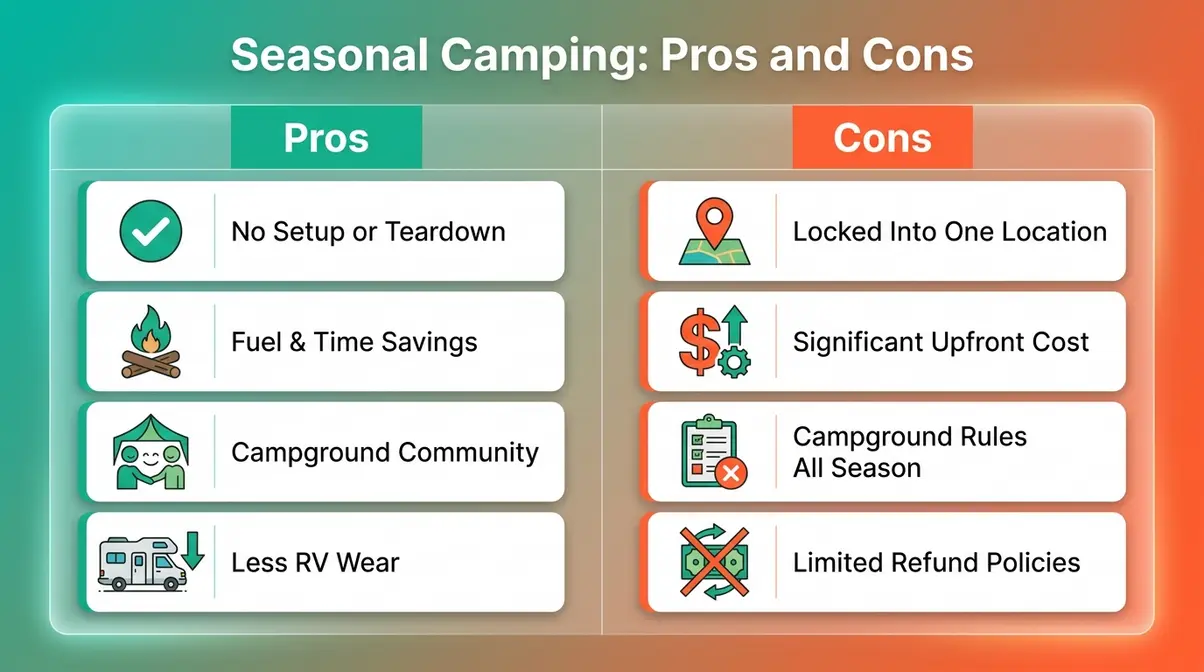
No more setup and teardown. After your first arrival, your site is ready every time you visit. This alone saves hours of labor per trip — and eliminates the wear and tear of repeatedly hitching and unhitching your RV.
Fuel and time savings. When you’re not hauling a trailer, you use significantly less fuel. For families making 10+ trips per season, this adds up fast. Many seasonal campers report saving $50–$150 in fuel per visit compared to towing.
A genuine sense of community. Because the same families return to the same campground season after season, seasonal camping builds friendships in a way that weekend trips rarely do. Kids make summer-long friends. Adults share meals and campfire conversations with neighbors they see every other weekend.
Less wear on your RV. Towing adds mileage and stress to your vehicle and trailer. Leaving your RV stationary for the season dramatically reduces mechanical wear — a financial benefit that’s easy to overlook but real.
The Cons of Seasonal Camping
Balanced perspective matters here. Seasonal camping isn’t the right fit for everyone, and the cons deserve honest treatment.
You’re locked into one location. If you love exploring different parks and regions, a seasonal site removes that flexibility. You’ve committed to one campground for the full season.
Upfront cost is significant. Even at the low end, $1,800–$2,500 is a substantial upfront payment. If your plans change mid-season (illness, job change, family emergency), refund policies vary widely and are often unfavorable.
Campground rules apply all season. You’ll be subject to the campground’s specific rules — quiet hours, pet policies, guest limits — for the entire contract period. Make sure you’ve read the fine print before signing.
Is It Cheaper Than Booking Multiple Short Trips?
This is the question the 3-C Framework was built to answer — specifically the Cost pillar. Here’s a simple calculation to run for your own family.
Assume you camp 12 weekends per season. A typical private campground charges $45–$65 per night for a standard site. At $55/night × 2 nights × 12 weekends, that’s $1,320 in site fees alone — before fuel, wear and tear, and the time cost of repeated setup.
Now compare: a seasonal site at $3,000 covers all 12 weekends with zero per-night fees. You pay $1,680 more upfront, but you eliminate towing fuel costs (potentially $600–$1,800 across 12 trips), reduce RV wear, and gain the convenience of a permanently set-up site.
For families camping six or more times per season in the same area, seasonal camping frequently comes out ahead financially — or breaks even while delivering dramatically better convenience. For families camping fewer than six times, the math usually favors booking short trips. According to Jayco’s seasonal camping analysis, the value proposition strengthens significantly as visit frequency increases.
Rules and Logistics Every Seasonal Camper Should Know
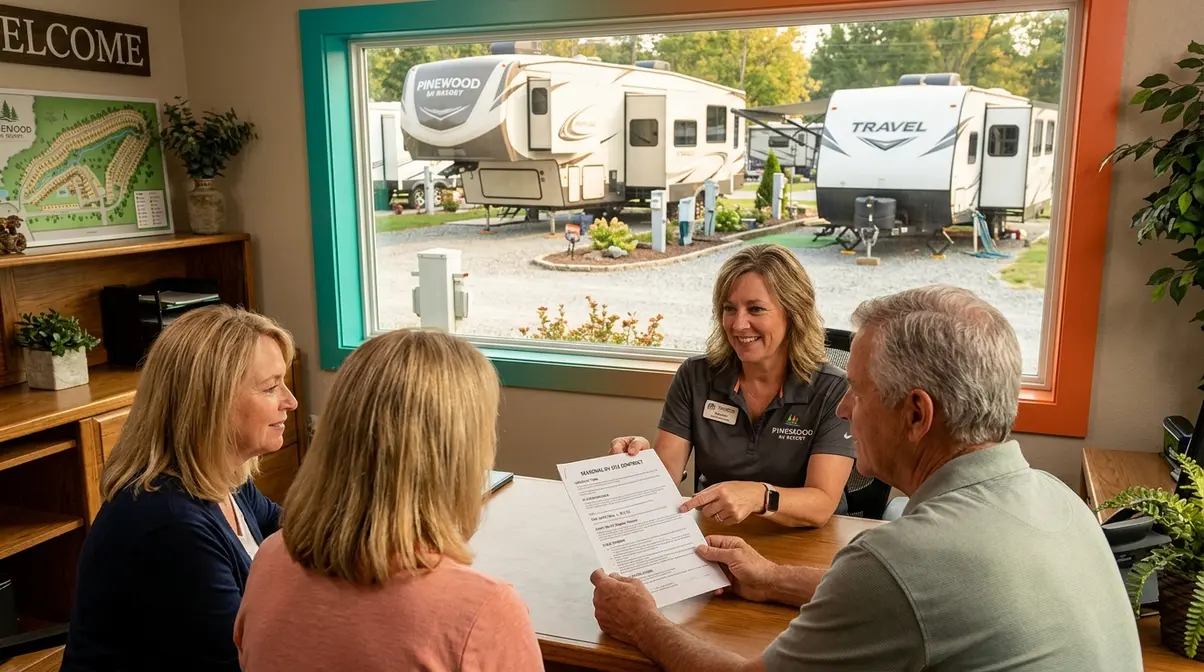
Every campground operates by its own rules, but several terms and frameworks come up repeatedly in the seasonal camping world. Before you sign a contract, understanding these basics will save you from surprises.
How Long Can You Stay on a Seasonal Pitch?
The answer depends on where you’re camping — and this distinction is critical for beginners.
At private RV parks and campground resorts, seasonal contracts typically run four to six months — most commonly May through October in northern states, or March through November in warmer climates. During that window, you can stay on your seasonal pitch as long as you like, come and go freely, and leave your RV on-site when you’re not there. There’s no nightly minimum or maximum during your contracted season.
At federal campgrounds managed by the National Park Service, the rules are entirely different. The NPS enforces a 14-consecutive-day stay limit at most campgrounds, after which you must vacate the site for a minimum period before returning (National Park Service stay limits). This makes true seasonal camping — in the “leave your RV all season” sense — impossible at national parks. State parks vary by state but often apply similar short-term limits.
The practical takeaway: if you want a seasonal pitch, you’re looking at private campgrounds. Full stop.
What Is the 3-3-3 Rule for Camping?
The 3-3-3 rule is a popular travel guideline used by RV travelers and road-trippers — not a campground regulation, but a personal practice framework that many experienced campers swear by.
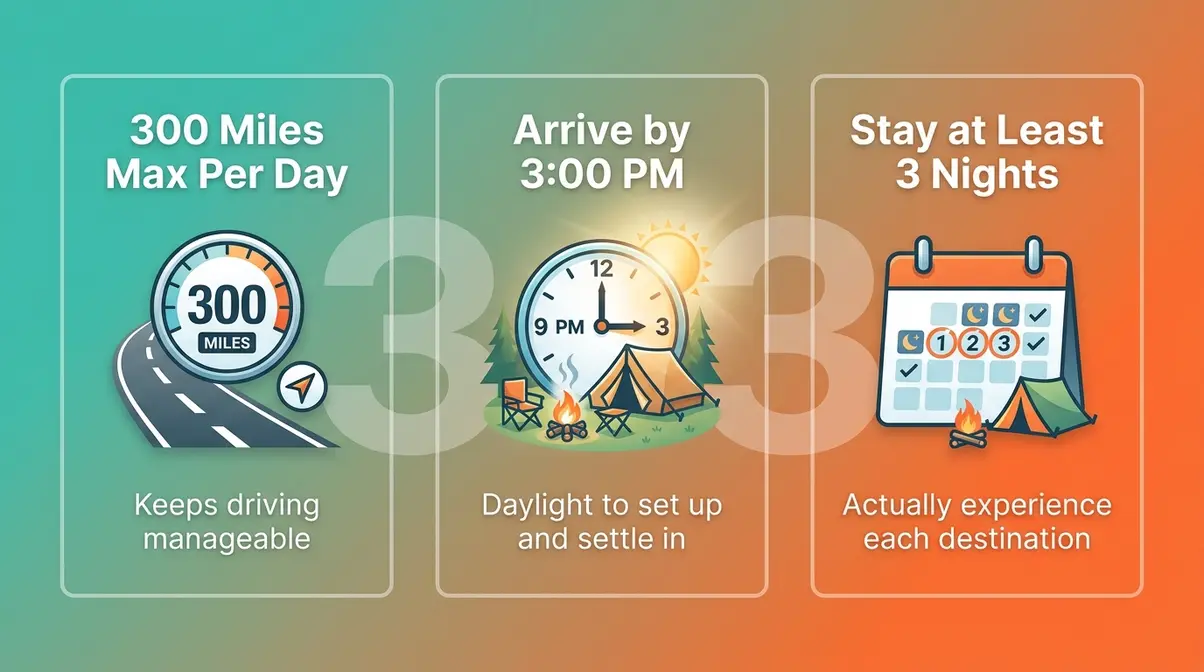
- The rule states:
- Drive no more than 300 miles per day — keeps driving manageable and reduces fatigue
- Arrive at your campsite by 3:00 PM — gives you daylight to set up, check in, and get oriented
- Stay at least 3 nights at each location — allows you to actually experience a destination rather than just pass through
User consensus across RV travel communities indicates this rule originated as informal advice among long-haul RV travelers. It’s widely shared on forums like iRV2 and RV Travel, and referenced by campground operators as a best-practice guideline for new RVers. It’s particularly relevant to seasonal campers during their drive to open the site at the start of the season.
The 3-3-3 rule isn’t a campground policy — it’s a self-imposed pacing framework that experienced RV travelers use to make travel more enjoyable and less exhausting.
What Does FF Mean in Camping?
If you’ve browsed campground listings and seen “FF” listed as a site feature, it stands for Full Hookup — specifically, a site that provides all three utility connections: water, electric, and sewer.
Wait — why “FF” and not “FH” for Full Hookup? The abbreviation varies by source. Some campground listing platforms use “FF” to mean Full Facilities, while others use it specifically to denote a site with water, electric, and sewer (as opposed to “E” for electric-only, or “WE” for water and electric). The Wisconsin Association of Campground Operators and similar regional campground directories use FF consistently to indicate the highest level of utility service available.
For seasonal campers, FF sites are strongly preferred — having full sewer hookup means you don’t need to move your RV to a dump station during the season. It’s one of the first things to confirm when evaluating a seasonal site contract.
A Quick Glossary of Campground Terms
Campground listings and contracts use shorthand that can be confusing for first-timers. Here’s a plain-English reference:
| Term | What It Means |
|---|---|
| FF / Full Facilities | Water + electric + sewer hookups at the site |
| WE | Water and electric only (no sewer) |
| E only | Electric hookup only |
| Dump station | A shared facility to empty your RV’s waste tank |
| Pull-through | A site you can drive straight through without backing in |
| Back-in | A site requiring you to reverse your RV into position |
| Seasonal pitch | A campsite rented for the full season (4-6 months) |
| Pad | The paved or gravel surface where your RV is parked |
| Amp service (30A / 50A) | The electrical capacity available — 50A supports larger RVs |
| Pet-friendly | Pets allowed; always confirm breed/size restrictions |
What to Look for in a Seasonal Campsite
Choosing the right campground for a seasonal commitment is more involved than booking a weekend trip. You’re signing a multi-month contract, often with limited refund options. Getting this decision right matters.
4 Key Questions to Ask Before You Book
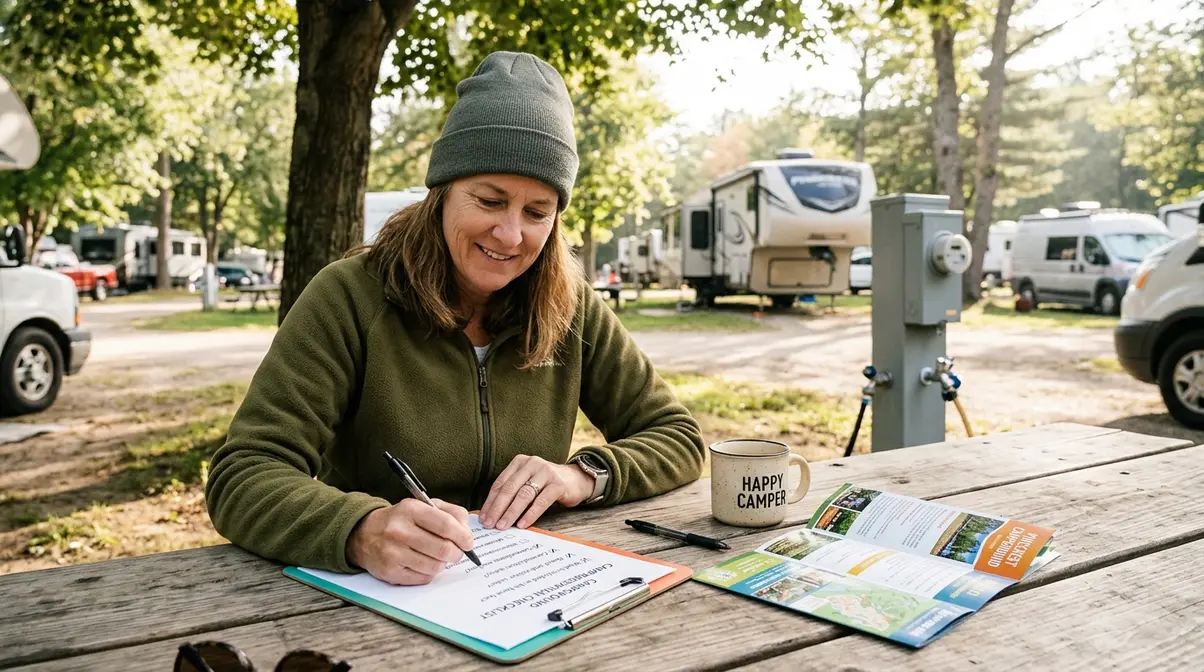
Use these questions as your pre-booking checklist when speaking with a campground manager:
1. What’s included in the base seasonal fee — and what’s billed separately?
Ask specifically about electricity (metered or flat rate), guest fees, storage fees, and whether Wi-Fi or cable TV is included. Get the answer in writing. Hidden fees are the most common complaint among first-time seasonal campers, and the Better Business Bureau advises consumers to request a full itemized fee schedule before signing any seasonal camping contract.
2. What are the campground’s rules around guests and visitors?
Many campgrounds limit the number of guests per site per day and charge daily visitor fees ($5–$25). If your family regularly hosts friends or extended family at camp, these fees can add up quickly.
3. What is the cancellation and refund policy?
Seasonal contracts often require payment in full upfront, with limited or no refunds for early departure. Understand exactly what happens if your plans change mid-season.
4. Is the site available for winter storage, and what does it cost?
If you don’t want to move your RV at season’s end, many campgrounds offer winter storage on-site — but it’s almost always an additional fee. Confirm availability and cost before assuming it’s included.
A deeper breakdown of what to look for in a seasonal campsite — including site-specific amenities, community fit, and contract red flags — is covered in our guide to planning your first RV camping season.
Regional Differences in Seasonal Camping
Seasonal camping looks different depending on where you live. Climate, campground culture, and pricing all vary significantly by region. Here’s a practical snapshot for three major markets.
Seasonal Camping in California
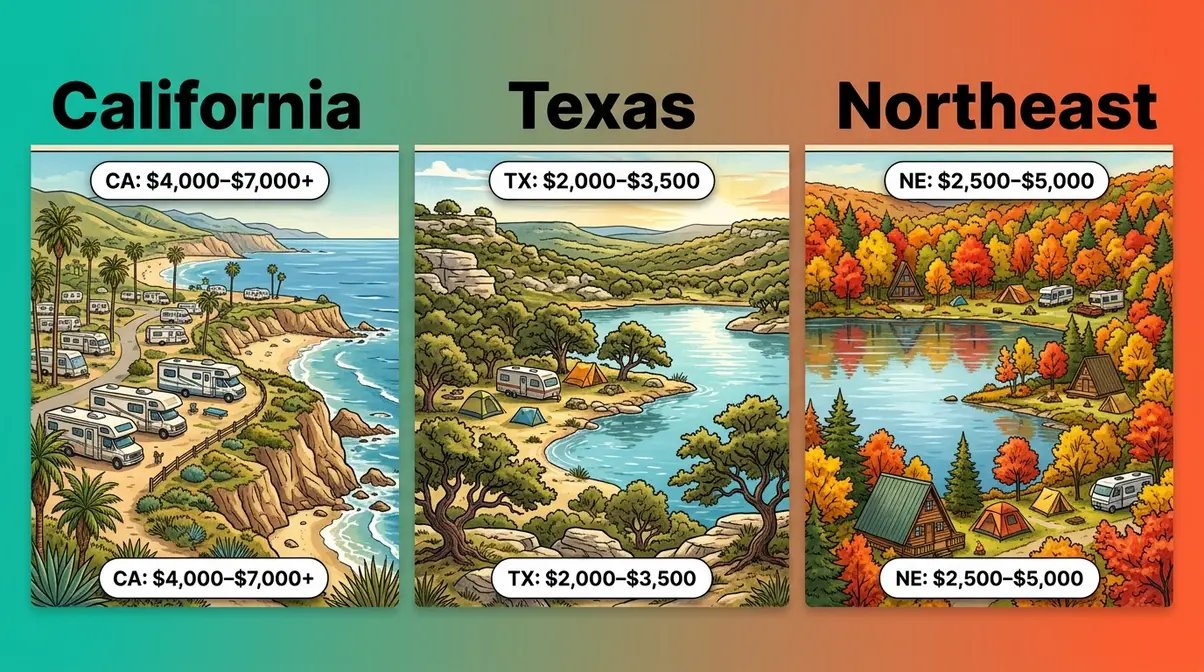
California offers year-round camping in many areas, but true seasonal contracts are less common than in the Midwest or Northeast. Private RV resorts near popular destinations — coastal areas, wine country, national forest borders — tend to charge premium seasonal rates, often $4,000–$7,000+ per season for desirable sites. The mild climate means some parks offer 8-10 month seasonal contracts rather than the standard 5-6 months. Water restrictions and fire regulations can affect site rules during summer months, so always confirm current fire policies before booking.
Seasonal Camping in Texas
Texas is one of the most seasonal-camping-friendly states in the country. Longer warm seasons (March through November in most of the state) mean more value per seasonal contract. Private RV resorts in the Hill Country, East Texas lakes, and Gulf Coast areas frequently offer competitive seasonal rates in the $2,000–$3,500 range, with full hookup sites widely available. Texas campgrounds tend to have fewer waiting lists than Northeast parks, making it easier for first-timers to secure a site. Summer heat is a real consideration — confirm whether your site has shade and whether the campground’s electrical system can handle high air conditioning loads.
Seasonal Camping in the Northeast
The Northeast — particularly New England and the Great Lakes region — is where seasonal camping culture is most deeply rooted. Campgrounds in Maine, Vermont, New Hampshire, and upstate New York often have multi-year waiting lists for seasonal sites, particularly lakefront or premium locations. Seasons run roughly May through October. Pricing typically falls in the $2,500–$5,000 range, with winter storage fees common since most campers leave their RVs on-site through the off-season. The tight-knit community culture is strongest here — many seasonal campers at Northeast parks have held the same site for 10-20 years. Spacious Skies Campgrounds, which operates parks across the Northeast, notes that community and repeat-guest relationships are the top reasons seasonal campers renew year after year.
Common Pitfalls and When It Isn’t Right for You
Seasonal camping is a genuinely great option for the right family — but going in without clear expectations can turn an exciting decision into a frustrating one. Here’s what first-timers most commonly get wrong.
Common Pitfalls First-Timers Make
Underestimating the total cost. The base seasonal fee is just the starting point. Metered electricity, guest charges, storage fees, and one-time admin fees can add $500–$2,000 to your actual season cost. Always request a complete fee schedule — not just the headline price — before signing.
Skipping the site visit. Booking a seasonal site without visiting first is a risk. Site quality varies dramatically even within the same campground. A site that looks fine on a map might have poor drainage, inadequate shade, or a noisy location near a road or dumpster. Visit in person during the season you plan to camp before committing.
Ignoring the contract terms. Seasonal contracts are binding. Read the cancellation policy, guest rules, quiet hours, and pet restrictions carefully. User consensus across campground owner forums indicates that contract disputes almost always stem from terms the camper didn’t read before signing.
Assuming electricity is included. At many campgrounds, electricity is metered and billed monthly — similar to a utility bill. This surprises a significant number of first-time seasonal campers, particularly those running air conditioning through a hot summer.
When Seasonal Camping Isn’t the Right Fit
Seasonal camping is a strong value proposition — but it’s not universal. Consider alternatives if any of these apply to you:
You love exploring new places. If the appeal of camping is discovering new parks, trails, and regions each trip, locking into one site for a full season removes that entirely. In this case, traditional trip-by-trip booking — or a campground membership like Thousand Trails — may serve you better.
You camp fewer than six times per season. The math rarely works in your favor below that threshold. At four or fewer trips, you’ll almost certainly pay less booking individual sites.
Your schedule is unpredictable. Seasonal contracts require upfront payment and offer limited refunds. If your summer is likely to be disrupted by work, health, or family changes, the financial risk of a seasonal contract may outweigh the convenience.
Frequently Asked Questions About Seasonal Camping
What is considered seasonal camping?
Seasonal camping is renting a designated campsite at a private campground for an entire season — typically four to six months — and leaving your RV or camper on-site between visits. Unlike standard camping, where you book per night and pack up when you leave, seasonal camping gives you a fixed site that stays set up all season. It’s available almost exclusively at private RV parks and resorts; federal campgrounds cap stays at 14 consecutive days (U.S. National Park Service). Most seasonal contracts run from spring through fall, with the exact dates varying by campground and climate.
What is the 3-3-3 rule for camping?
The 3-3-3 rule is a self-imposed pacing guideline for RV travelers: drive no more than 300 miles per day, arrive at your campsite by 3:00 PM, and stay at least 3 nights at each location. It’s not a campground regulation — it’s informal advice that spread through RV communities to help travelers avoid fatigue and actually enjoy each destination. For seasonal campers, it’s most relevant during the drive to open or close their site at the start and end of the season.
How much is an average seasonal campsite?
A seasonal campsite typically costs between $1,800 and $5,000 for the season, based on community pricing data and campground operator surveys. Location and amenities drive most of the variation — a basic site at a rural Midwest campground might run $1,800–$2,200, while a lakefront site at a Northeast resort can exceed $5,000. Budget an additional $500–$1,500 for metered electricity, guest fees, and potential storage costs. For a Texas Hill Country resort, expect a total season cost of roughly $2,500–$3,800 all-in for a full-hookup site.
How long can you stay on a seasonal pitch?
On a seasonal pitch at a private campground, you can stay as long as you like during your contracted season — there’s no nightly maximum. Most contracts run four to six months (commonly May through October). You can come and go freely, leave your RV on-site when you’re away, and return without any new booking required. This is fundamentally different from federal campgrounds, where the National Park Service enforces a 14-consecutive-day stay limit, making true seasonal camping unavailable on federal land.
Is seasonal camping worth it?
Seasonal camping is worth it for families who camp six or more times per season in the same region. At that frequency, the math typically breaks even or favors the seasonal contract — especially when you factor in fuel savings from not towing, reduced RV wear, and the time saved by eliminating setup and teardown on every trip. For families camping fewer than five or six times per season, or those who prefer exploring different locations each trip, booking individual sites remains the better value. The 3-C Framework — Cost, Convenience, Community — is a useful lens: if all three align with your camping style, seasonal camping is almost certainly worth it.
What does FF mean in camping?
FF in campground listings stands for Full Facilities — meaning the site includes water, electric, and sewer hookups. Some platforms use it interchangeably with “Full Hookup.” For seasonal campers, an FF site is the gold standard: having on-site sewer means you never need to move your RV to a dump station during the season. Always confirm whether a site is FF, WE (water and electric only), or E-only (electric only) before signing a seasonal contract, as sewer access significantly affects day-to-day comfort.
What is the most forgotten item when camping?
The most commonly forgotten camping items, according to user reports across camping forums, are leveling blocks, a water pressure regulator, and a surge protector — all critical for RV campers. For seasonal campers specifically, the first-arrival checklist also frequently misses: a door mat and outdoor rug, a hose long enough to reach the water hookup, a sewer hose support, and extension cords for outdoor lighting. Our essential camping checklist for beginners covers everything you’ll want to have on hand for opening day at your seasonal site.
Is Seasonal Camping Right for Your Family?
For families who love camping but find the constant packing, towing, and site-hunting exhausting, seasonal camping offers a genuinely different experience. Seasonal camping eliminates the setup-and-teardown cycle entirely after your first arrival — giving you a fixed site, a campground community, and the freedom to come and go all season without the logistics overhead. Based on reported pricing data across major campground markets, costs range from $1,800 to $5,000+ per season, with the value proposition strengthening significantly at six or more visits per season.
The 3-C Framework makes this evaluation concrete. On Cost: run the numbers against your current per-trip spending, including fuel and site fees. On Convenience: consider how much time and stress the current setup cycle costs your family. On Community: think about whether a consistent campground community aligns with what you want from your camping season. When all three factors point in the same direction, the decision tends to be clear.
Your next step is practical: identify two or three private campgrounds in your preferred region, request their seasonal contract and full fee schedule, and plan a visit before committing. Most campgrounds that offer seasonal sites are happy to show you available spots. Bring the questions from this guide, walk the site, and trust your instincts. Your setup-free season could be one conversation away.

David King
Field gear tester at Tent Explorer.