
This blog post may contain affiliate links. As an Amazon Associate I earn from qualifying purchases.
Most American campers do not realize that the choice of tent material can make or break an outdoor adventure. With more than 40 million Americans heading outdoors each year, selecting the right fabric is more than a matter of comfort. The right tent material determines your level of protection, durability, and peace of mind in any weather. Discover what sets various fabrics apart and how they impact every camping experience from backyard sleepouts to remote expeditions.
Key Takeaways
| Point | Details |
|---|---|
| Importance of Tent Material | The choice of tent material significantly impacts performance, durability, and suitability for various outdoor conditions. |
| Synthetic vs. Traditional Fabrics | Synthetic materials like nylon and polyester offer advantages such as lighter weight, water resistance, and UV protection over traditional cotton options. |
| Weather Resistance | The efficacy of tent materials against weather elements is determined by their composition and treatments, which are crucial for ensuring comfort and safety during camping. |
| Avoiding Selection Mistakes | Campers should prioritize quality over price and understand specific maintenance needs to extend the lifespan of their tents. |
Defining Tent Material and Its Purpose
Tents represent a fundamental piece of portable shelter technology that has evolved significantly over centuries. A tent is a flexible shelter consisting of fabric draped across a supportive framework, designed to provide temporary protection from environmental elements during outdoor adventures. These versatile structures serve multiple purposes, ranging from recreational camping to professional expedition use.
At its core, tent material plays a critical role in determining the shelter’s performance, durability, and suitability for different camping environments. The fabric must balance several key characteristics: weight, water resistance, breathability, UV protection, and overall structural integrity. Modern tent materials are engineered to meet specific outdoor challenges, with manufacturers developing specialized fabrics that can withstand diverse weather conditions and terrain types.
Understanding tent materials involves recognizing the fundamental properties that make a fabric effective for outdoor shelters. Camping tent fabrics typically incorporate synthetic materials like nylon and polyester, which offer superior strength-to-weight ratios compared to traditional cotton canvas. These modern textiles are often treated with additional coatings to enhance water repellency, UV resistance, and tear strength. Campers selecting the right tent material must consider factors such as intended use, expected weather conditions, portability requirements, and budget constraints.
The purpose of tent material extends beyond mere protection from the elements. It represents a critical interface between human comfort and environmental challenges, transforming a simple piece of fabric into a reliable sanctuary that enables outdoor exploration and adventure. Whether you’re a weekend warrior or an experienced backcountry traveler, understanding the nuanced role of tent materials can dramatically improve your outdoor experience and preparedness.
Common Tent Fabrics and Their Differences
Tent fabric selection represents a critical decision for outdoor enthusiasts, with each material offering unique performance characteristics. Tent fabric technologies have evolved to provide campers with specialized options that address specific environmental challenges and user requirements. Understanding the nuanced differences between materials can dramatically impact your camping experience and comfort.
Nylon stands out as a premier tent fabric, prized for its exceptional strength-to-weight ratio and remarkable durability. These synthetic fabrics typically feature ultralight properties that make them ideal for backpackers and wilderness travelers who prioritize minimal pack weight. Polyester emerges as another popular synthetic option, offering superior UV resistance and reduced stretching compared to nylon. Its dimensional stability ensures that tents maintain their shape even under prolonged sun exposure and varying humidity conditions.
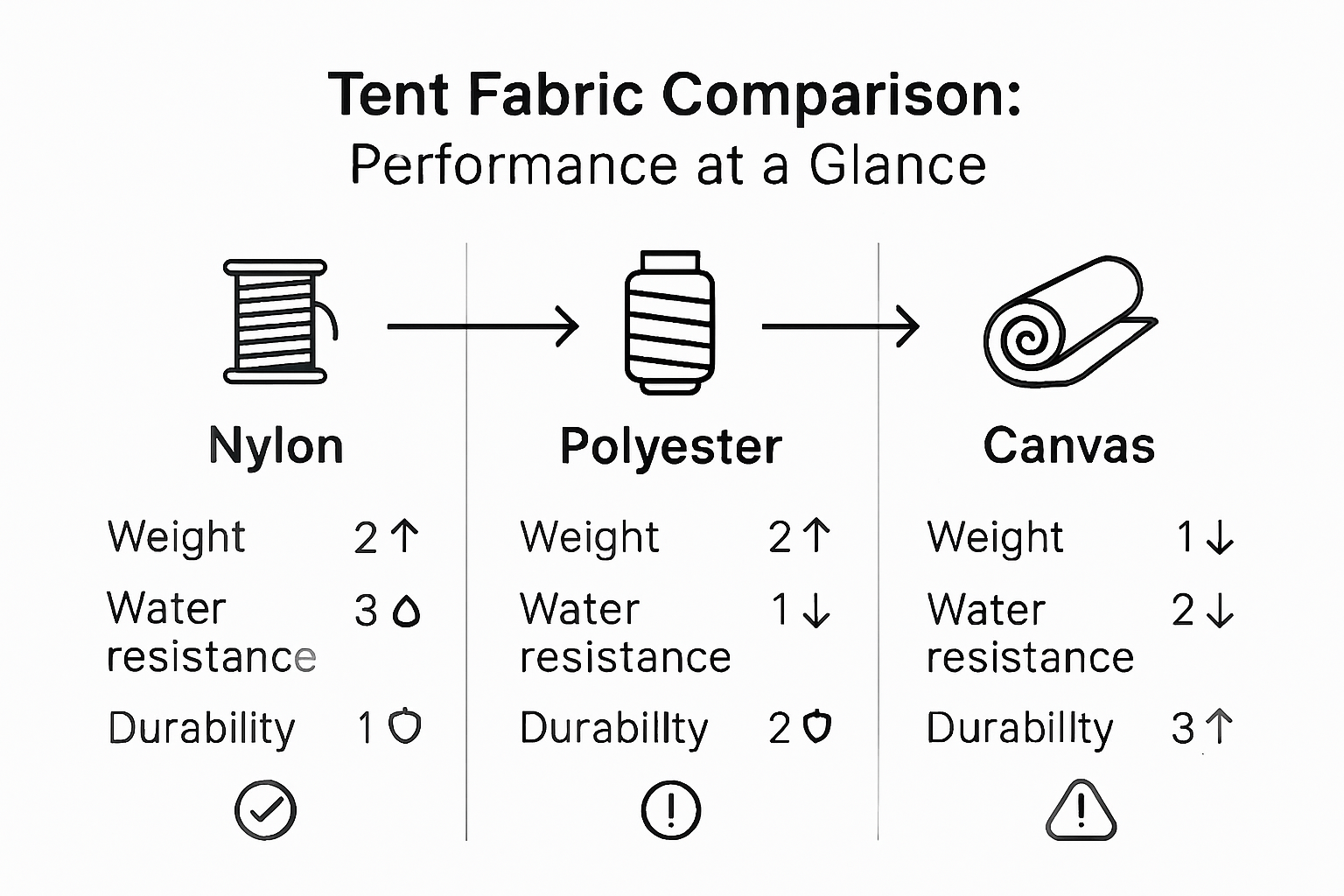
Traditional materials like polyester-cotton blends continue to play a significant role in tent construction, particularly for car camping and base camp scenarios. These fabrics provide enhanced breathability and natural comfort, though they tend to be heavier and less compact than pure synthetic alternatives. Specialized fabric technologies such as ripstop and Oxford weaves introduce additional reinforcement, creating materials that can withstand punctures and resist tearing even in challenging terrain. Campers must carefully evaluate their specific needs, considering factors like climate, terrain, trip duration, and personal weight preferences when selecting tent fabrics.
The technological innovations in tent materials extend beyond basic fabric composition. Modern tent fabrics incorporate advanced treatments like waterproof coatings, fire-resistant layers, and UV protective finishes that significantly enhance performance. By understanding these material nuances, outdoor enthusiasts can make informed choices that transform a simple shelter into a reliable, comfortable refuge during wilderness adventures.
Weather Resistance: How Material Impacts Protection
Tent material fundamentally determines a camper’s defense against unpredictable outdoor conditions. Tent fabric technologies have evolved to provide increasingly sophisticated protection against rain, wind, UV radiation, and temperature fluctuations. Understanding how different materials respond to environmental challenges is crucial for selecting a shelter that can withstand diverse weather scenarios.

Synthetic materials like nylon and polyester offer superior water resistance through advanced manufacturing techniques. These fabrics are typically treated with waterproof coatings such as polyurethane or silicone, creating a protective barrier that prevents moisture penetration. Polyester demonstrates exceptional UV resistance, maintaining structural integrity even under prolonged sun exposure, while nylon provides remarkable tensile strength that helps tents maintain shape during high winds and intense weather conditions.
The performance of tent materials extends beyond simple water repellency. Specialized weaving techniques and fabric treatments introduce additional protective properties. Ripstop fabrics, for instance, incorporate reinforced threads that prevent small tears from expanding, while Oxford weaves provide enhanced durability and resistance to environmental stress. Campers must consider multiple factors when evaluating weather protection, including fabric weight, thickness, coating density, and overall construction quality.
Ultimately, weather resistance is a complex interaction between material composition, surface treatment, and engineering design. Best waterproofing techniques can supplement a tent’s inherent protective qualities, but selecting the right base material remains the most critical factor in ensuring reliable shelter during outdoor adventures. Experienced campers understand that effective weather protection is not just about keeping dry, but creating a resilient barrier that maintains comfort and safety in challenging environmental conditions.
Durability and Longevity of Tent Materials
Tent fabric longevity represents a critical consideration for outdoor enthusiasts investing in camping equipment. Material characteristics play a fundamental role in determining how well a tent withstands repeated environmental challenges, transforming a simple shelter into a long-lasting wilderness companion.
Synthetic materials like nylon and polyester demonstrate remarkable durability through advanced engineering techniques. These fabrics incorporate specialized treatments that enhance resistance to UV degradation, moisture penetration, and mechanical stress. Ripstop weaving techniques introduce additional structural reinforcement, preventing small punctures or tears from expanding and compromising the tent’s overall integrity. High-density fabric constructions further increase durability by creating more tightly woven surfaces that can withstand abrasion, sudden impacts, and repeated setup and takedown cycles.
Proper maintenance significantly extends a tent’s operational lifespan. Campers can protect their investment by implementing strategic care practices, such as cleaning fabrics after each trip, applying protective waterproofing treatments, and storing tents in cool, dry environments. Specialized fabric coatings like silicone and polyurethane not only improve water resistance but also create additional protective layers that shield against environmental degradation. Understanding the specific maintenance requirements for different fabric types allows outdoor enthusiasts to maximize their tent’s performance and longevity.
Ultimately, durability is a complex interaction between material science, manufacturing quality, and user maintenance. Experienced campers recognize that investing in high-quality tent materials and committing to consistent care can transform a temporary shelter into a reliable long-term companion for wilderness adventures. By understanding the intricate relationship between fabric technology and preservation techniques, outdoor enthusiasts can ensure their tents remain robust and dependable through countless expeditions.
Choosing the Right Material for Your Needs
Tent material selection represents a critical decision that directly impacts camping comfort and performance. Understanding material properties allows outdoor enthusiasts to match fabric characteristics with their specific adventure requirements, ensuring optimal shelter in diverse environmental conditions.
Different camping scenarios demand unique material considerations. Backpackers prioritizing ultralight equipment will gravitate towards high-performance nylon materials that offer exceptional strength-to-weight ratios. These lightweight fabrics provide remarkable durability while minimizing pack weight, making them ideal for long-distance wilderness treks. Conversely, car campers and base camp travelers might prefer heavier polyester-cotton blends that offer superior breathability, enhanced comfort, and more robust construction for stationary camping environments.
Material selection extends beyond basic weight and durability considerations. Campers must evaluate specific performance factors such as UV resistance, water repellency, temperature adaptability, and environmental resilience. Specialized fabric technologies like ripstop weaves and silicone coatings introduce additional protective characteristics that can dramatically enhance a tent’s performance. Factors such as anticipated climate, trip duration, terrain complexity, and personal camping style all play crucial roles in determining the most appropriate tent material.
Ultimately, selecting the right tent material requires a holistic understanding of individual camping needs and environmental challenges. Experienced outdoor enthusiasts recognize that no single material represents a universal solution. By carefully analyzing personal requirements, performance specifications, and potential environmental conditions, campers can make informed decisions that transform their shelter from a simple piece of fabric into a reliable wilderness companion capable of withstanding diverse and unpredictable outdoor scenarios.
Mistakes to Avoid When Selecting Tent Fabric
Selecting tent fabric requires careful consideration to prevent costly mistakes that can compromise outdoor experiences. Critical fabric selection factors demand a strategic approach to ensure your shelter meets specific camping requirements and environmental challenges.
One fundamental error campers frequently make involves prioritizing price over performance. Inexpensive tent materials often lack critical protective treatments, resulting in fabrics that deteriorate rapidly when exposed to UV radiation, moisture, and mechanical stress. Lightweight nylon fabrics without proper waterproof coatings can quickly become compromised, leading to leaks, reduced structural integrity, and diminished protection against environmental elements. Experienced campers understand that investing in high-quality materials represents a long-term strategy for reliable outdoor shelter.
Another common mistake involves neglecting fabric-specific maintenance requirements. Different tent materials demand unique care practices to maintain their protective properties. Synthetic fabrics like polyester and nylon require specialized cleaning techniques and periodic reapplication of waterproofing treatments. Campers who fail to understand these nuanced maintenance needs can inadvertently accelerate fabric degradation, reducing their tent’s lifespan and performance capabilities. Understanding the intricate relationship between material composition and preservation techniques becomes crucial for maintaining optimal shelter quality.
Ultimately, avoiding tent fabric selection mistakes requires a holistic approach that balances technical specifications, intended use, and personal camping style. Campers must move beyond superficial considerations like color or brand, focusing instead on fundamental performance characteristics such as weather resistance, durability, weight, and environmental adaptability. By developing a comprehensive understanding of fabric technologies and their practical implications, outdoor enthusiasts can transform their tent selection process from a potential pitfall into a strategic decision that enhances their wilderness experiences.
Discover How the Right Tent Material Transforms Your Camping Experience
Choosing the perfect tent fabric is more than just a technical decision — it is about ensuring your shelter stands strong against unpredictable weather, stays durable over years of adventures, and fits your personal camping style. This article highlights common challenges like balancing water resistance, UV protection, and weight. At Tent Explorer, we understand the frustration when your tent does not perform as expected, and that is why we provide detailed guidance to help you make confident fabric choices.

Explore our Buying A Tent category for expert tips on selecting materials tailored to your camping goals and environment. To extend the life of your investment, visit Tent Troubleshooting And Maintenance – Tent Explorer for practical advice on keeping your tent fabric in peak condition. Ready to start your next adventure with a reliable tent made from the right fabric? Visit Tent Explorer now and step into a world of outdoor confidence.
Frequently Asked Questions
What materials are commonly used in tents?
Common tent materials include synthetic fabrics like nylon and polyester, as well as traditional options like polyester-cotton blends. These materials are chosen for their strength, weight, breathability, and weather resistance.
How does tent material impact weather resistance?
Tent material greatly influences weather resistance. Materials like nylon and polyester are often treated with waterproof coatings and have UV resistance, ensuring that tents remain durable against rain, wind, and sunlight.
What factors should I consider when choosing tent fabric?
When selecting tent fabric, consider factors such as the intended use (backpacking vs. car camping), expected weather conditions, weight preferences, and budget constraints. Each fabric has unique properties suitable for different environments.
How can I extend the lifespan of my tent fabric?
To extend your tent’s lifespan, maintain it by cleaning it after trips, applying waterproof treatments as necessary, and storing it in a cool, dry place. Regular maintenance helps to preserve the fabric’s protective qualities and durability.
Recommended
- Camping Tent Fabrics Explained: Types And Uses – Tent Explorer
- Exploring Tent Materials – Tent Explorer
- Choosing The Right Tent For Your Camping Adventure: : Expert Tips – Tent Explorer
- How To Choose The Perfect Tent For Your Camping Trip? – Tent Explorer
- 8 Essential Tent Camping Must-Haves for Comfort and Safety – Hazli Collection
- Understanding Why Use Outdoor Fabrics for Your Projects – fabric fabric