

This blog post may contain affiliate links. As an Amazon Associate I earn from qualifying purchases.
Unexpected rain can ruin an outdoor adventure faster than any other challenge, but nearly 40 percent of american campers still trust waterproof ratings alone when picking a tent. Knowing why these numbers matter can keep you dry no matter where you pitch your shelter. This guide cuts through confusing jargon and common myths, helping you see how tent waterproof ratings work so you can make smart choices for wet weather and avoid soggy surprises.
Key Takeaways
| Point | Details |
|---|---|
| Understanding Ratings | Tent waterproof ratings range from 1000mm to 20000mm, impacting performance in various weather conditions. |
| Influencing Factors | Quality of seams, material treatments, and tent design significantly affect actual waterproof performance beyond just ratings. |
| Vendor Caution | Inspect material specifications and avoid tents with unclear chemical treatments for safety and performance. |
| Preparation is Key | Conduct water resistance tests and ensure seam sealing before your first camping trip for reliable shelter. |

- Included rainfly offers extra weather protection
- Strong frame withstands 35+ mph winds
- Large windows and a ground vent for superior ventilation
- E-Port makes it easy to bring electrical power inside
- Easy setup in 10 minutes


- ROOMY INTERIOR: Straight wall design with 72in center height create more space to stand up changing and move
- WEATHER PROTECTION: High-tech coating material with sealed seams and waterproof strip guarantees water-resistant
- EASY SETUP & COLOR COATED POLES: No particular skills needed, 2 people could set up the tent easily in 10 min
- GREAT VENTILATION: Mesh tent top and doors offer great views and ventilation
- 2 ROOMS: A separated curtain can be used as room divider and projector screen

- Roomy 6 People Family Tent: Spacious design offers enough room for 6 people family, with a size 10′ x 9′ x 78″(H) (90 sq ft),2 air mattresses or 6 sleeping bags are well fit in the tent,78 inch center height is enough for you to stand up changing.
- 5 Minutes Set-Up for 2 People: No particular skills are needed, 1 person could also set up the tent easily in 10 min. The portable carry bag is 24.6 x 8.26 x 8.26 inches, The camping tent weighs 18 lb. Ideal for family car camping or camping site
- Breathable Mesh Windows: The camping tent has 1 large mesh door, 5 mesh windows & mesh tent top, which allows the breeze to come in, all the mesh windows offer great views and ventilation
- Quality Material: The polyurethane hydrostatic-rated coating high-tech, waterproof,4 steel leg poles, and a rectangular roof, make the tent more firmly, stable, and windproof, ideal for outdoor camping, hiking, and fishing in all weather
- After Sale Service: UNP camping tent offers unconditional 1-year quality assurance, If you have any questions about the tents, we’ll give you a satisfactory solution in 12 hrs
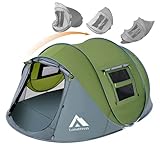
- 【Easy Setup】Instant pop-up tent with pre-assembled poles sets up in seconds, simply open the bag and let go,So easy and enjoyable and set up the tent. No need to waste nice camping time to set up tents,Even if it rains suddenly, you don’t have to be flustered.
- 【Enjoy the Breeze】Mesh front & back doors provide enough air flow So that you can enjoy the breeze.closed with just the screen material, or sealed with the nylon door for total privacy,which is so convenient that you do not have to go outside to close the windows when raining.
- 【4 Person Pop Up Tent】Spacious Interior: 9.2 x 6.6 feet floor; The pop-up tent fits for 3-4 people in sleeping bag or 2-3 people with lots of camping gears; Center Height: 4.3 feet. INCLUDES 8 x Tent Pegs for keeping tent steady, 4 x 3mm Wind Ropes.
- 【Tent with Vestibule】Family camping tent waterproof and tearproof,made of 190T Polyester Fabric, groundsheet fabric is 110G PE Gray.You can leave muddy shoes and outer clothing in the vestibule and needn’t bring dirt into main tent.
- 【Enjoy the Leisure Tent】This pop up tents suitable for Casual camping, Backyard Resting, festivals, outdoor recreational activities, boy/ girl scout, backpacking ,and beach gatherings.torage pockets and lantern hook keep items neat and organized.

- INSTANT POP UP TECHNOLOGY: Pre-attached poles lock into place for setup in 2 minutes or less
- SLEEPING CAPACITY: Measures 14 by 9 feet with a 78-inch center height; fits two queen-size air beds; comfortably fits 4 people with gear or up to 9 people without gear
- WEATHER PROTECTION: H20 Block Technology with 1200mm fabric, fully taped rainfly, sealed seams, and fully zipped windows; includes guylines and steel stakes for enhanced stability
- INTERIOR ORGANIZATION: Includes storage pockets for keeping small items and accessories within reach and off the floor
- ADJUSTABLE VENTILATION: Lower vents bring in cool air from the ground, while the mesh ceiling allows hot air to escape
Last update on 2026-01-06 / Affiliate links / Images from Amazon Product Advertising API
Defining Tent Waterproof Ratings and Common Myths
Understanding tent waterproof ratings is crucial for campers seeking reliable shelter in unpredictable outdoor environments. Waterproof ratings measure a tent’s ability to resist water penetration, typically expressed in millimeters (mm) of water pressure the fabric can withstand before leaking. Waterproof fabrics are specifically designed to prevent water from passing through their material, creating a critical barrier between campers and harsh weather conditions.
Contrary to popular belief, a higher waterproof rating doesn’t automatically guarantee superior tent performance. Many campers mistakenly assume that a tent rated at 5000mm will always keep them completely dry in any situation. In reality, waterproof ratings are just one aspect of tent protection. Factors like seam construction, zipper quality, and overall tent design play equally significant roles in determining actual water resistance. Waterproof material performance depends on multiple variables beyond simple pressure measurements.
When evaluating tent waterproof ratings, consider these key points:
- Ratings range from 1000mm to 20000mm
- Lower ratings (1000-3000mm) provide basic water resistance
- Mid-range ratings (3000-5000mm) work well for light to moderate rain
- Higher ratings (5000-20000mm) offer protection in heavy rainfall
Pro tip: Always check your tent’s seam sealing and apply additional waterproofing spray before extended camping trips to enhance water resistance and protect against unexpected leaks.
Types of Waterproof Ratings and Measurement Methods
Understanding the technical nuances of tent waterproof ratings requires knowledge of specialized measurement techniques used in the outdoor gear industry. Water resistance is typically evaluated through hydrostatic head testing, which measures the amount of water pressure a fabric can withstand before seepage occurs. This scientific method involves suspending a column of water above the tent fabric and determining the millimeter height at which water begins to penetrate the material.
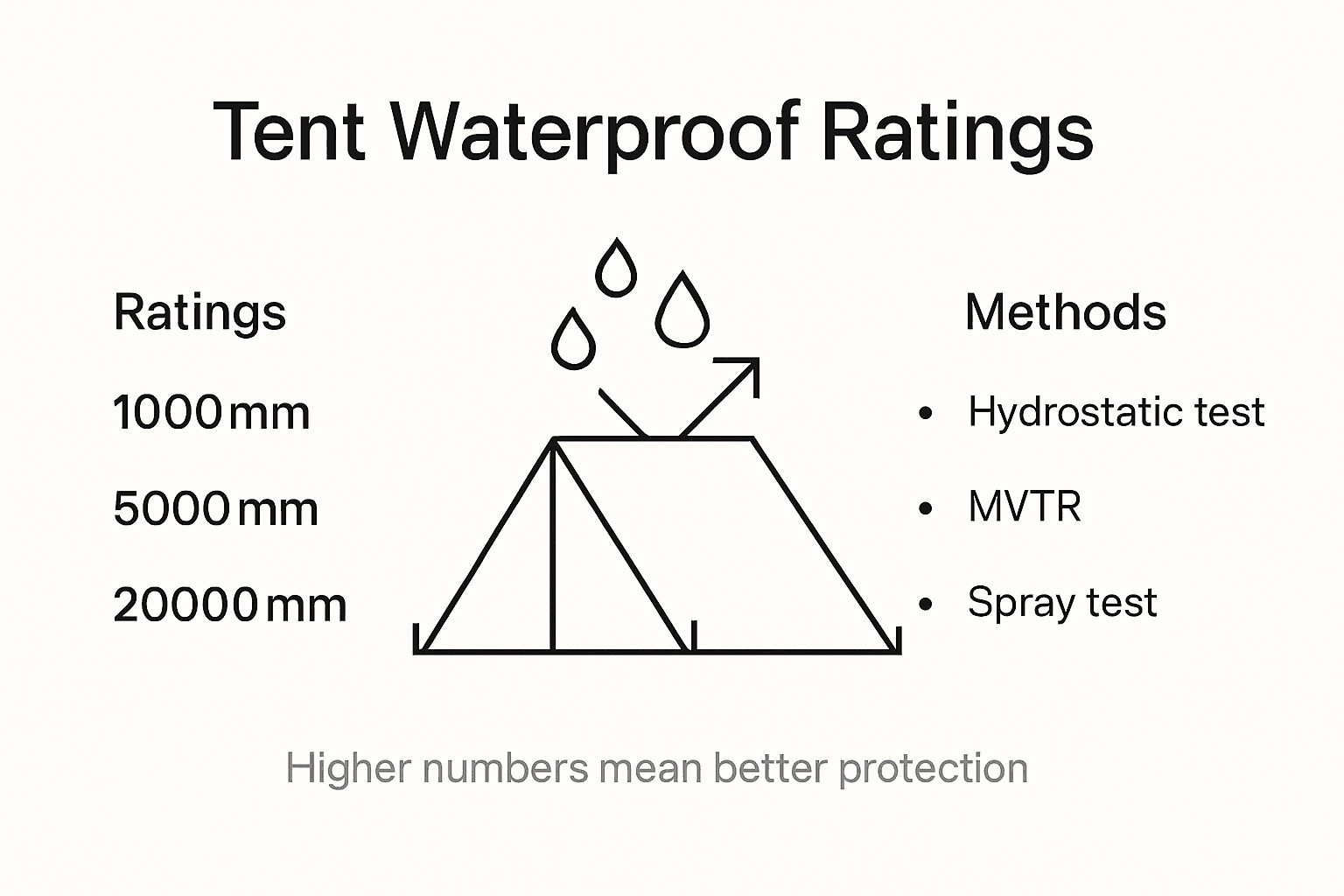
Tent manufacturers employ multiple measurement approaches to assess water resistance. The primary methods include hydrostatic head testing and water column pressure tests, which provide standardized metrics for comparing fabric performance. Waterproof rating systems, similar to those used in electronic device classifications, range from basic protection levels to advanced water resistance categories. These ratings typically span from 1000mm to 20000mm, with each increment representing increased water pressure resistance.
Key waterproof rating categories include:
- 0-1000mm: No significant water resistance
- 1000-3000mm: Light rain protection
- 3000-5000mm: Moderate rain resistance
- 5000-10000mm: Heavy rain protection
- 10000-20000mm: Extreme weather conditions
Additionally, manufacturers consider breathability alongside waterproofing. The moisture vapor transmission rate (MVTR) helps campers understand how well a tent fabric allows water vapor to escape while preventing external water penetration.
The table below summarizes which measurement methods are used for waterproof ratings and what they reveal:
| Test Method | What It Measures | Application in Tent Selection |
|---|---|---|
| Hydrostatic Head | Water pressure resistance | Indicates max rainfall tent can resist |
| Water Column Pressure | Fabric penetration level | Helps compare tent waterproof ratings |
| MVTR (Breathability) | Vapor release capability | Balances moisture control with rain protection |
Pro tip: Always inspect your tent’s seams and waterproof coating before camping trips, as these areas are often more vulnerable to water infiltration than the primary fabric.
Fabric Materials and Waterproofing Treatments
Tent fabric materials play a critical role in determining a tent’s overall water resistance and performance in challenging outdoor conditions. Waterproof fabrics can be crafted from natural or synthetic materials, typically enhanced through specialized coating and lamination techniques. Manufacturers commonly use materials like polyester, nylon, and specialized synthetic blends that can be treated to enhance their water-repellent properties.
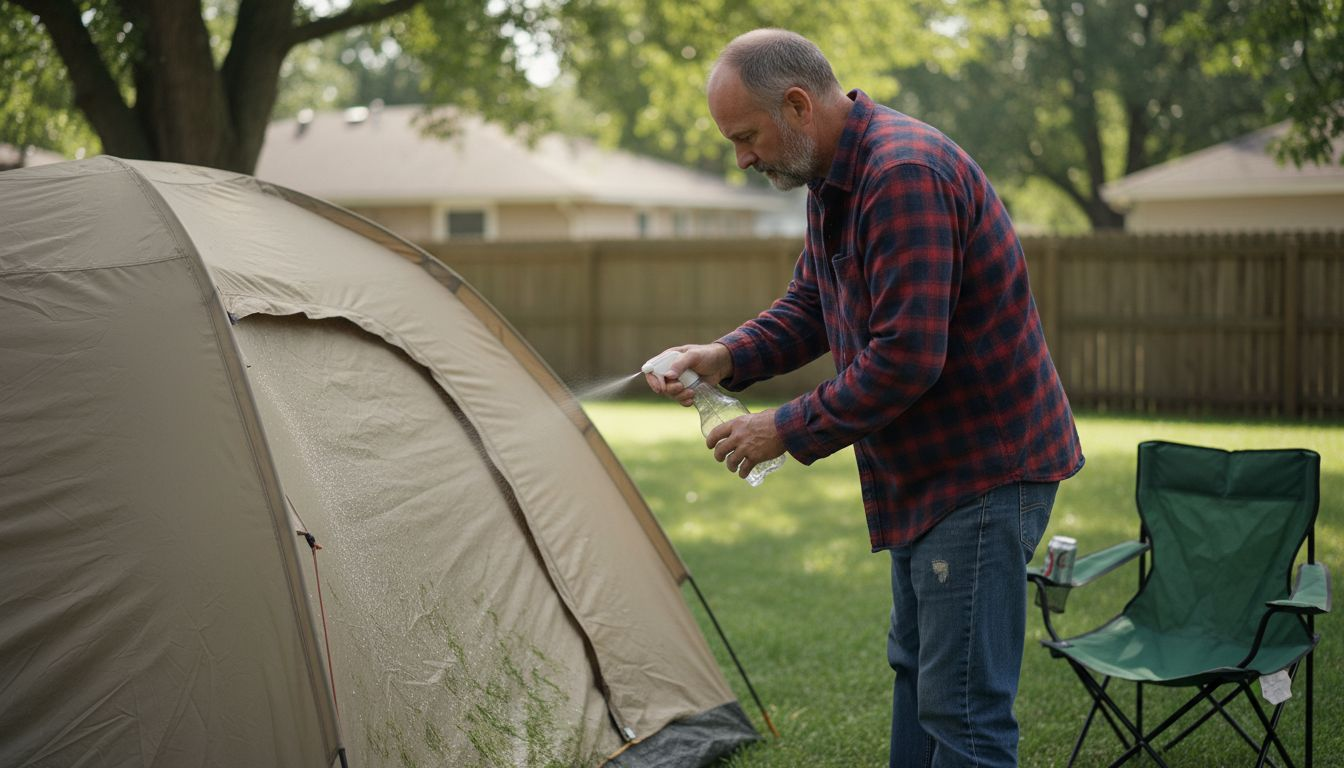
The most advanced waterproofing treatments involve applying durable water repellent (DWR) coatings, which create a protective barrier against moisture penetration. These thin coatings prevent fabric saturation and maintain breathability, with most factory treatments utilizing fluoropolymer-based technologies. The coating works by causing water to bead up and roll off the fabric surface, preventing absorption and maintaining the tent’s protective capabilities.
Common waterproofing treatments include:
- Polyurethane (PU) coating
- Silicone treatments
- Fluoropolymer-based DWR coatings
- Wax-based waterproofing
- Rubber lamination
Each treatment offers unique advantages, with some providing better durability and others offering superior water resistance. Synthetic materials like polyester and nylon typically respond best to waterproofing treatments, creating robust barriers against moisture and environmental challenges.
Here is a quick comparison of common tent fabric materials and their waterproofing characteristics:
| Material Type | Durability | Waterproofing Response |
|---|---|---|
| Polyester | High | Excellent with PU or silicone coatings |
| Nylon | Moderate | Very good, responds well to treatments |
| Canvas | Very high | Requires wax-based waterproofing |
| Poly-cotton | High | Effective with proper coating maintenance |
Pro tip: Reapply waterproofing spray to your tent annually and always test the coating before important camping trips to ensure maximum protection against unexpected wet conditions.
How Ratings Impact Tent Performance in Wet Weather
Waterproof ratings are far more than just numbers on a specification sheet. These ratings directly influence a tent’s ability to protect campers from challenging weather conditions by determining the fabric’s resistance to water penetration under pressure. While higher ratings generally suggest better water protection, the true performance involves a complex interplay of factors beyond simple numerical measurements.
High-performance tents combine waterproof ratings with strategic design elements to ensure reliable shelter during intense rainfall. The effectiveness of a tent’s water resistance depends on multiple interconnected components: fabric material, coating quality, seam construction, and overall structural integrity. A tent with an impressive 10000mm rating might still leak if its seams are poorly sealed or its design lacks proper water-channeling features.
Key performance factors that complement waterproof ratings include:
- Quality of seam sealing
- Tent floor waterproofing
- Rain fly design and coverage
- Ventilation system efficiency
- Fabric coating durability
Environmental conditions play a significant role in tent performance. Humidity, wind direction, and temperature can dramatically affect how water interacts with the tent’s surface. Even the most highly rated tent can struggle in extreme conditions without proper setup and maintenance. Understanding these nuanced interactions helps campers make more informed gear selections and prepare for potential wet weather challenges.
Pro tip: Always conduct a water resistance test on your new tent in a controlled environment before your first camping trip, checking for potential leak points and understanding your tent’s real-world performance.
Risks, Missteps, and What to Avoid When Buying
Tent purchasing involves more complexity than simply selecting an attractive design or high waterproof rating. Campers frequently make critical mistakes by neglecting essential verification steps that ensure their tent’s actual performance and safety. Understanding these potential pitfalls can help outdoor enthusiasts make more informed decisions and avoid costly errors.
Buyers must be cautious about hidden risks associated with tent manufacturing, particularly regarding chemical treatments that could pose unexpected health concerns. Some manufacturers use flame retardant chemicals or other additives that might meet outdated safety standards but could potentially expose users to unnecessary chemical risks. Careful inspection and understanding of material composition become crucial when selecting camping gear.
Common risks and missteps to avoid include:
- Ignoring seam quality and waterproof construction
- Overlooking tent ventilation capabilities
- Assuming higher price always means better quality
- Neglecting to test tent setup before important trips
- Failing to check material durability and chemical treatments
Additional critical considerations involve understanding the specific environmental conditions where you’ll use the tent. A tent that performs excellently in mild mountain conditions might struggle in coastal humidity or desert temperature variations. Comprehensive research, reading user reviews, and understanding your specific camping needs can help mitigate potential disappointments and ensure a reliable shelter for your outdoor adventures.
Pro tip: Always request detailed material specifications and chemical treatment information from manufacturers before purchasing, and prioritize tents with transparent safety and environmental standards.
Discover How to Choose and Maintain Your Perfect Waterproof Tent
Understanding tent waterproof ratings is only the beginning of ensuring your outdoor adventures stay dry and comfortable. Many campers face the challenge of navigating complex waterproof specifications while trying to find a tent that truly protects against the elements. If you want to avoid common pitfalls like poor seam sealing or ineffective waterproof coatings this is your next step.
Enhance your camping experience by exploring expert advice on selecting the right tent and maintaining its water resistance over time. Visit our Buying A Tent – Tent Explorer to learn how waterproof ratings fit into the bigger picture of tent features. Then get practical tips on upkeep and seam care through our Tent Troubleshooting And Maintenance – Tent Explorer section.

Dive into actionable guidance now to safeguard your outdoor shelter from unexpected leaks and weather woes. Take control of your next camping trip with confidence by visiting Tent Explorer for comprehensive tutorials and community insights. Prepare smarter and camp drier starting today.
Frequently Asked Questions
What do tent waterproof ratings mean?
Tent waterproof ratings measure the fabric’s ability to resist water penetration, typically expressed in millimeters (mm) of water pressure it can withstand before leaking.
How do I interpret different waterproof ratings for tents?
Waterproof ratings range from 1000mm to 20000mm, with lower ratings providing basic protection against light rain, mid-range ratings suited for moderate rain, and higher ratings offering protection in heavy rainfall conditions.
Why do I need to check seam sealing on my tent?
Seam sealing is crucial as it can be a vulnerable area for leaks. Even a tent with a high waterproof rating can let water in if the seams are not properly sealed.
What factors should I consider alongside waterproof ratings when choosing a tent?
In addition to waterproof ratings, consider factors like seam quality, zipper construction, fabric materials, tent design, and breathability to ensure reliable performance in wet weather.