
This blog post may contain affiliate links. As an Amazon Associate I earn from qualifying purchases.
📋 Table of Contents
- Key Takeaways
- Tent pitching defined and why it matters
- Types of pitches and configurations
- How pitching a tent actually works
- Choosing the best site for pitch setup
- Avoiding mistakes and staying safe while pitching
- Master Tent Pitching for a Safer and More Comfortable Camping Experience
- Frequently Asked Questions
- Recommended
Every American camper knows that setting up a tent can make or break a trip. The way you pitch your shelter is more than routine—one small mistake can expose campers to rain, wind, or unsafe sleeping conditions. Understanding the basics of tent pitching is a skill that keeps outdoor adventures both safe and enjoyable. Get ready to discover what turns a simple fabric shelter into reliable protection, and learn how smart planning helps you confidently face nature’s surprises.
Key Takeaways
| Point | Details |
|---|---|
| Proper Tent Setup is Crucial | Selecting the right campsite and proper tent positioning ensures protection from the elements, leading to a comfortable camping experience. |
| Tent Configurations Matter | Different tent setups cater to various camping needs and environments, impacting camper comfort and safety significantly. |
| Systematic Pitching Process | Follow a structured setup process, including site selection and pole assembly, to avoid common mistakes and enhance stability. |
| Safety Precautions are Essential | Evaluate your campsite for potential hazards and maintain visibility to prevent accidents, ensuring a secure camping experience. |
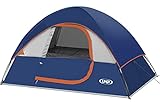
- Lightweight & Big Space: 7’L x 5′ x 45″H. Spacious room for 2 adults.Standard size fits 1 full air mattress.And this 2 Person tent weighs just 4.8lb,it’s very easy to carry.This tent perfect for outdoor camping, hiking,climbing, indoor or backyard play tent, fishing, or shelter at the beach in all weather.
- Windproof & Rainproof: The camping tent is made of stronger tear-resistant polyester.It come with a removable rainfly and two zippers designed for keeping the rain outside the tent. The ropes of tent and piles ensure safety and stability.
- Comfortable Design: Skylight net and larger mesh window designed enhances breathability and comfortable. Interior storage pocket designed to keep your contents neat and organized, great ventilation and convenient for enjoying outdoor views and your free time.
- Easy To Set Up: The tents for camping that can be quickly assembled within 3 minutes and easily assembled by one person according to the procedures and instructions sewn inside the bag.
- What You Will Get: Please contact us if you have any issues.We promise you will get a satisfactory answer within 24h.

- 2 PERSON TENT – This lightweight two-person small tent has enough space for you and a friend. This tent for camping is ideal for hiking, fishing, weekend music festivals, or as a beach tent, making it the perfect addition to your camping essentials.
- CONVENIENT FEATURES – The tent for beach features fiberglass poles, a removable rain fly to protect against unexpected weather, a ventilation window to encourage comfortable airflow, and an interior storage pocket to keep your camping supplies organized.
- DUAL-LAYER DOOR – The combination of the inner screen layer and the outer zippered fabric layer of the easy-up tent door provides plenty of air as well as privacy. Simply secure the doors with sewn-in ties to let the breeze in and keep mosquitos out.
- EASY SETUP – Setup and tear down of this 2 person pop up tent are quick and easy. When you are finished with your trip, simply place the tent components back into the included carrying bag for easy storage with your other camping accessories.
- PRODUCT DETAILS – Materials: 190T Polyester and Fiberglass. Dimensions: (L) 77″ x (W) 57″ x (H) 40″; Pole Diameter: 3mm; Carrying Bag: (L) 23″ x (W) 4″. Weight: 2.75lbs. Capacity: 2 People. Color: Blue and Gray.

- Roomy 4 Person Tent: Spacious design offers enough room for 4 people, with a size 8′ x 7′ x 72″ (H), nearly straight walls, and a 72 inch center height to create generous space to stand up and move around
- 3 Minutes Set-Up for 2 Person: No particular skills are needed, one person also could set up the tent easily in 5 min. The camping tent weighs 13 lb, suitable for family car camping or camping sites
- Breathable Mesh Windows: This tent has 1 mesh door, 2 mesh windows & mesh tent top, which allows the breeze to come in, zippered access allows campers to adjust the vents from inside the tent mesh paneling and doors offer great views & ventilation
- Stable Structure: 4 steel leg poles, and a rectangular roof, make the tent more firmly, stable, and windproof for outdoor camping, hiking, and fishing in all weather
- Waterproof Protection: Features a top rainfly that provides waterproof coverage to keep you dry during rainy conditions while camping outdoors

- 60 Seconds Set Up: You can set up the instant camping tent in under 60 seconds, thanks to its pre-installed poles and seamless construction. The quick and easy installation makes it the ideal companion for beginner campers, allowing you and your family to enjoy more time with nature
- Water-resistant & Windproof: The Camping tent is made from high-quality waterproof fabric. The bottom of the door zipper features a drainage channel, and the base is equipped with a tub-style drainage design. This not only effectively prevents water accumulation and leaks but also keeps insects out. The tent comes with sturdy tent stakes and adjustable guy lines, capable of withstanding winds of up to 35 mph
- Visibility & Ventilation: The tent for camping has mesh windows on all 4 sides, vents at the floor, and a mesh screen design at the ceiling, making the temperature inside the tent cooler in summer. Moreover, the windows and ceiling made of our mesh material let you experience the beautiful starry sky and the charming scenic nature on a quiet summer night
- Spacious Interior & Portable: This tent measures 120 in × 108 in. Industry standard: fits 6 people for sleeping only. Most comfortable: fits 3 people with camping gear. It can accommodate 1 Queen air mattress. Center height is 66 inches. The frame is sturdy yet lightweight at 16.8 lbs for easy portability
- Materials & Functional Design: The tent is equipped with SBS zippers, B3 mesh, and a carbon steel frame with protective sleeves. It includes a power cord entrance for external power access and built‑in mesh pockets for convenient small item storage

- Included rainfly offers extra weather protection
- Strong frame withstands 35+ mph winds
- Large windows and a ground vent for superior ventilation
- E-Port makes it easy to bring electrical power inside
- Easy setup in 10 minutes
Last update on 2026-06-21 / Affiliate links / Images from Amazon Product Advertising API
Tent pitching defined and why it matters
Tent pitching is the strategic process of setting up a temporary shelter in an outdoor environment, transforming a basic piece of camping equipment into a safe, comfortable living space. More than just assembling poles and fabric, tent pitching involves careful site selection, precise positioning, and thoughtful preparation to ensure protection from the elements.
The USDA Forest Service emphasizes that proper tent setup is crucial for creating a secure camping experience. Selecting an appropriate campsite requires evaluating terrain, potential hazards, and environmental conditions. Smart tent pitching means choosing ground that is flat, dry, and free from overhead risks like dead tree branches. Understanding how to position your tent can mean the difference between a miserable night and a comfortable outdoor adventure.
Effective tent pitching also provides critical protection against weather challenges. According to the Appalachian Mountain Club, a well-positioned tent shields campers from wind, rain, and temperature fluctuations. This involves not just selecting the right spot, but also properly securing guy lines, using appropriate stakes, and creating effective drainage around your shelter to prevent water accumulation.
Pro Tip for Tent Pitching Success: Always do a practice setup at home before your camping trip. This helps you understand your tent’s specific assembly requirements, identify any potential equipment issues, and build confidence in your setup skills before you reach the campsite.
Types of pitches and configurations
Tent configurations are more than just random placements – they represent strategic approaches to outdoor shelter that can dramatically impact camping comfort and safety. Camping configurations range from simple solo setups to complex group arrangements, each designed to address specific environmental challenges and camper needs.
The Girl Scouts Camping Skills Manual highlights several distinctive tent arrangement strategies. Group camping often utilizes creative layouts like the ‘U’ or ‘wheel’ configuration, where tent doors face a central communal area. This design promotes social interaction while maintaining individual privacy. For solo campers, the focus shifts to maximizing protection and efficiency in tent placement.
Expedition planning guidelines recommend specific positioning techniques to enhance tent stability. Critical considerations include orienting the tent’s back toward prevailing winds and strategically placing the entrance to minimize wind exposure. Different terrains demand different pitch approaches – mountain environments require more secure anchoring, while forest settings offer natural windbreaks and potentially softer ground.
Tent configurations can be broadly categorized into several key types:
The following table summarizes how different tent types are suited to various camping needs:
| Tent Type | Best For | Main Advantage |
|---|---|---|
| Free-standing | Versatile, casual trips | Easy setup, relocatable |
| Tunnel | Family or group camping | Spacious interior, lightweight |
| Geodesic | Harsh or windy environments | Maximum stability, durability |
| Dome | General outdoor use | Good wind resistance |
- Free-standing tents: Self-supporting structures that maintain shape with internal poles
- Tunnel tents: Elongated designs offering more interior space
- Geodesic tents: Highly stable designs with intersecting poles for extreme conditions
- Dome tents: Rounded shapes providing excellent wind resistance
Pro Tip for Tent Configuration Success: Always scout your campsite before pitching and visualize potential wind directions, ground levelness, and natural obstacles that might impact your tent’s stability and comfort.
How pitching a tent actually works
Tent pitching is a systematic process that transforms a collection of fabric, poles, and stakes into a protective outdoor shelter. Understanding the fundamental mechanics of tent setup can mean the difference between a comfortable night under the stars and a frustrating camping experience.

The Appalachian Mountain Club outlines a comprehensive tent pitching process that breaks down setup into critical sequential steps. The process typically begins with careful site selection, ensuring a flat, dry area free from potential hazards like overhead branches or uneven ground. Next comes laying out the tent’s footprint – a groundsheet that provides an additional barrier against moisture and protects the tent’s bottom from abrasion.
Bureau of Land Management guidelines emphasize the importance of systematic pole assembly and attachment. This involves connecting tent poles according to their specific design, sliding them through designated sleeves or attaching them to clip systems. The tent body is then carefully stretched and secured, with attention to maintaining proper tension to prevent sagging and ensure structural integrity.
Key steps in the tent pitching process include:
- Selecting an appropriate campsite
- Clearing the ground of debris
- Laying down the groundsheet
- Assembling and inserting tent poles
- Attaching the tent body
- Securing the rainfly
- Staking down guy lines and corners
- Adjusting tension for optimal stability
Pro Tip for Smooth Tent Setup: Practice assembling your tent at home before your camping trip. This helps you understand its unique configuration, identify any potential issues, and build muscle memory for quick setup in varying outdoor conditions.
Choosing the best site for pitch setup
Campsite selection represents the critical first step in creating a safe and comfortable outdoor living space. Choosing the right location for your tent involves more than simply finding an open patch of ground – it requires careful consideration of multiple environmental and safety factors that can significantly impact your camping experience.
Scout Life magazine provides comprehensive guidance on campsite selection, emphasizing the importance of evaluating terrain, potential hazards, and environmental impact. Ideal tent sites should be relatively flat, with good drainage and minimal risk of water accumulation. Campers must avoid low-lying areas that could flood during unexpected rainfall, and steer clear of locations with dead tree branches overhead that might pose a falling hazard.
Key considerations for selecting an optimal tent site include:
- Ground composition (look for firm, level surfaces)
- Natural protection from wind and weather
- Distance from water sources
- Absence of potential hazards like rocky ground or dead vegetation
- Minimal environmental disruption
- Proximity to necessary facilities
Terrain assessment goes beyond visual inspection. Smart campers consider ground slope, potential water runoff paths, and natural wind barriers. Rocky or uneven ground can create uncomfortable sleeping conditions, while areas with natural windbreaks like small hills or dense vegetation can provide crucial protection from harsh weather conditions.

Pitch tent on high side tutorial recommends always positioning your tent with a slight upward angle to ensure proper water drainage and prevent moisture accumulation inside your shelter.
Pro Tip for Campsite Scouting: Always walk and assess your potential campsite thoroughly before setting up. Use a small stick to check ground levelness and look for natural indicators of potential water flow or wind patterns.
Avoiding mistakes and staying safe while pitching
Tent safety involves more than just proper setup – it requires careful attention to multiple potential hazards that could compromise your camping experience. Understanding common mistakes and how to prevent them is crucial for ensuring a secure and comfortable outdoor shelter.
The USDA Forest Service highlights critical safety considerations that every camper must prioritize. Fire safety stands as a paramount concern, with recommendations to maintain significant distance between tents and campfires. Flame-retardant tent fabrics provide an additional layer of protection, reducing risks associated with accidental fire exposure.
Common tent pitching mistakes that compromise safety include:
- Placing tents too close to fire zones
- Failing to clear ground of sharp objects
- Neglecting to check overhead for potential falling branches
- Improper stake placement
- Inadequate tension in tent setup
- Ignoring ground slope and potential water accumulation
The Girl Scouts of Southern Illinois camping manual recommends using waterproof ground cloths and marking tent stakes and guy lines to prevent tripping hazards. Visibility is key – bright-colored markers or reflective tape can help campers and fellow travelers navigate around your campsite during low-light conditions.
Additional safety strategies involve checking tent materials for wear and tear, ensuring all connections are secure, and maintaining a clean, organized campsite that minimizes potential risks. Proper preparation and mindful setup can transform a potentially dangerous situation into a safe and enjoyable outdoor experience.
Here’s a quick comparison of potential campsite hazards and effective strategies to mitigate them:
| Hazard | Prevention Strategy | Resulting Benefit |
|---|---|---|
| Overhead dead branches | Scan above before setup | Reduces risk of falling objects |
| Uneven or rocky ground | Choose firm, level sites | Ensures comfortable rest |
| Water accumulation | Pitch on elevated or sloped ground | Keeps tent interior dry |
| Low visibility guy lines | Use bright or reflective markers | Avoids tripping and accidents |
Pro Tip for Tent Safety: Always perform a thorough campsite and equipment inspection before nightfall. Check your tent for potential weak points, ensure stakes are firmly secured, and create a clear path around your sleeping area to prevent accidental trips or falls.
Master Tent Pitching for a Safer and More Comfortable Camping Experience
Setting up your tent correctly is key to enjoying every moment outdoors. Whether you are worried about choosing the perfect campsite or struggling with tent configurations and safety, understanding the art of tent pitching can eliminate frustration and enhance your trip. From selecting level ground to securing guy lines, every step matters for a happy and safe camping adventure.
Take your tent skills to the next level with expert guidance from Tent Tips – Tent Explorer.

Discover practical advice on selecting sites, setting up tents in different conditions, and avoiding common mistakes. Explore the best accessories to improve your setup at Tent Accessories – Tent Explorer. Start confidently with easy-to-follow guides and build lasting camping confidence today. Visit Tent Explorer now and make every camping trip a success.
Frequently Asked Questions
What is tent pitching and why is it important?
Tent pitching is the process of setting up a temporary shelter in outdoor environments, ensuring safety and comfort. Proper pitching protects against the elements and enhances the overall camping experience.
How do I choose the best site for pitching my tent?
Select a flat, dry area free from hazards like dead branches and potential water accumulation. Consider natural windbreaks and ensure you’re not too close to water sources to avoid flooding.
What are common mistakes to avoid when pitching a tent?
Common mistakes include placing tents too close to fire zones, neglecting to clear sharp objects from the ground, and failing to secure tent stakes properly. Always check for potential risks before setting up.
What types of tent configurations can enhance my camping experience?
Common tent configurations include free-standing tents for casual trips, tunnel tents for family camping, geodesic tents for windy areas, and dome tents for general use. Each type caters to different needs and environmental conditions.